Valar Atomics Eyes $6 Billion Valuation as Nuclear Power Gains Traction
Valar Atomics, a pioneering startup in small modular nuclear reactors, is seeking to raise $1 billion at a $6 billion valuation. With partners like Nvidia, its innovative tech could meet the surging energy demands of data centers.
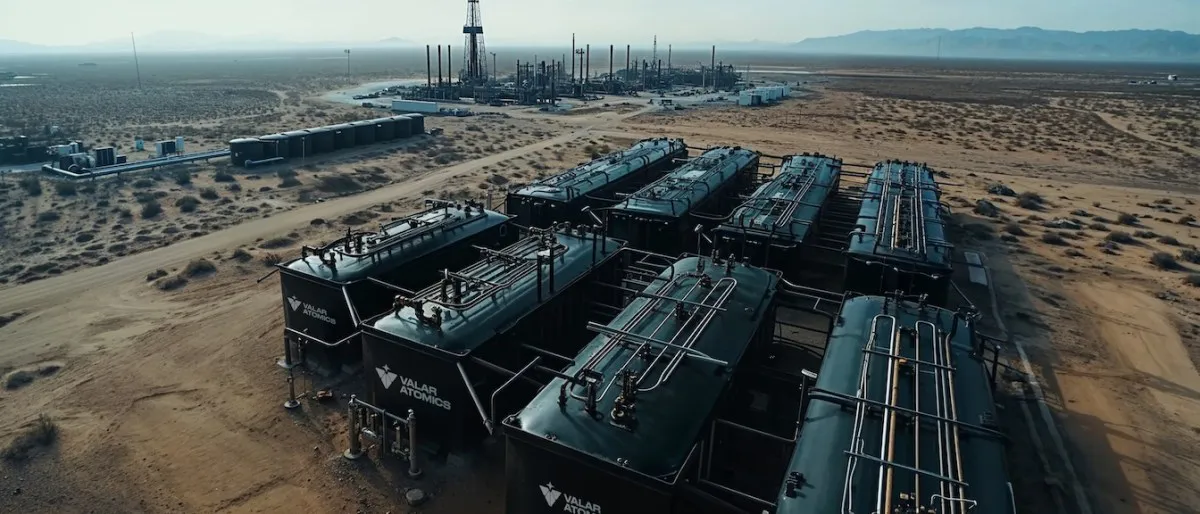
In a landscape increasingly defined by energy scarcity and technological innovation, Valar Atomics is making headlines with its ambitious plans to raise new funding at a remarkable $6 billion valuation. Specializing in small modular nuclear reactors (SMRs), Valar Atomics aims to revolutionize the energy sector by providing a more efficient and scalable alternative to traditional nuclear power plants. The startup is currently in discussions to secure $1 billion in equity, which could significantly bolster its position in the rapidly evolving energy market.
Founded just three years ago in El Segundo, California, Valar Atomics is gaining traction not only for its innovative approach to nuclear energy but also for its strategic partnerships. Recently, the startup demonstrated its reactor's capability to supply power to an Nvidia AI chip, a collaboration that hints at the potential for nuclear energy to power next-generation data centers. With growing demands for electricity, particularly from data-intensive industries, Valar Atomics is well-positioned to capture a significant share of this burgeoning market.
The Rise of Small Modular Reactors
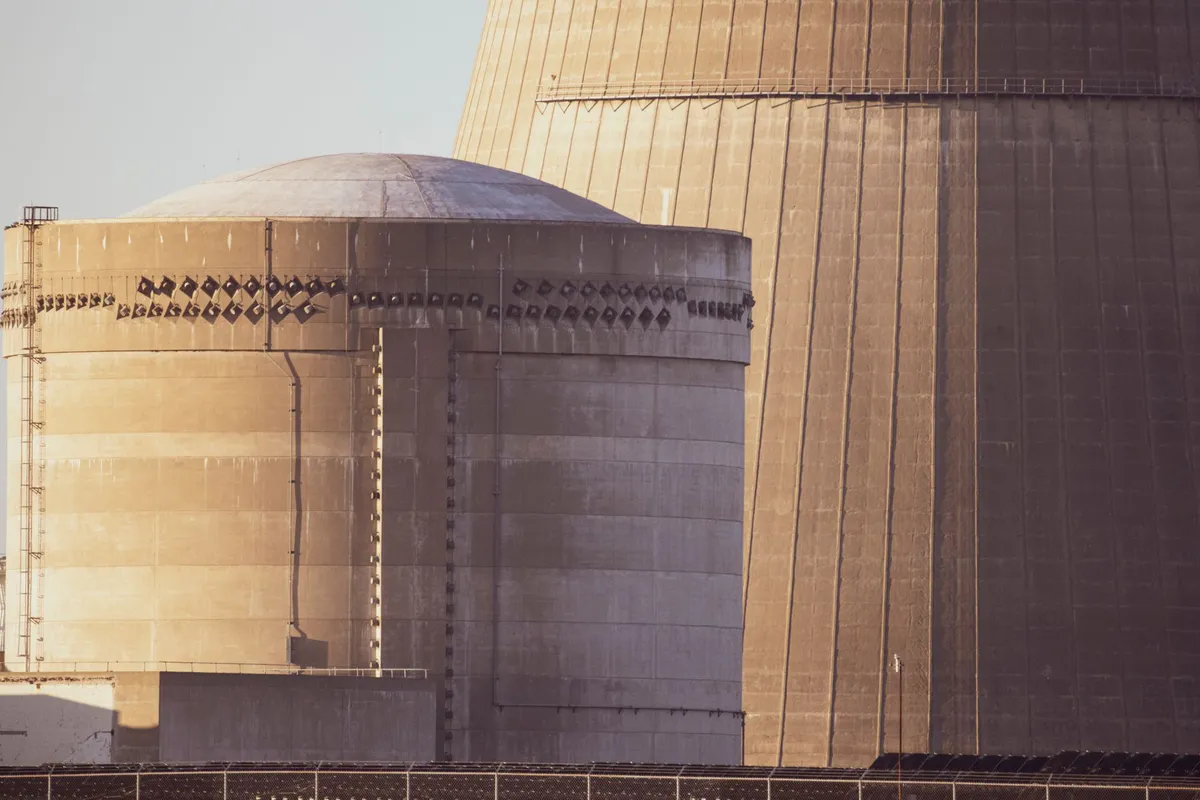
Small modular reactors represent a significant shift in nuclear technology. Unlike traditional reactors, which are large, complex, and costly to build, SMRs are designed to be factory-built and deployed more rapidly. This modular approach allows for easier scalability and potentially lower costs. Valar Atomics is leveraging this technology by developing helium-cooled, high-temperature gas reactors aimed at powering data centers and other high-energy-demand facilities.
Valar Atomics has already raised $450 million, including $340 million in equity and $110 million in debt, at an initial valuation of $2 billion. The latest funding round, anticipated to be led by Sequoia Capital, reflects a growing interest in nuclear energy as a viable solution to meet the increasing electricity needs of the modern world. Moreover, the trend of multiple funding rounds at varying valuations is becoming commonplace, particularly in the venture capital landscape influenced by advancements in artificial intelligence.
Catalyzing Energy Demand
The demand for energy, especially in data centers, is projected to skyrocket in the coming years. As companies increasingly rely on cloud computing and artificial intelligence, the strain on existing energy infrastructures is becoming apparent. Traditional energy sources are struggling to keep pace, leading to a growing interest in alternative solutions such as nuclear power. Valar Atomics is not alone in this pursuit; other companies, including Kairos Power and TerraPower, are also developing next-generation reactors with similar goals.
Valar Atomics aims to build hundreds of SMRs to meet the energy needs of data centers, which are notorious for their high electricity consumption. For instance, a typical data center can consume anywhere from 1 to 10 MW of power, depending on its size and operational demands. In a landscape where utilities are years away from adding sufficient new capacity, nuclear energy presents a compelling option.
Regulatory Challenges Ahead
However, Valar Atomics is navigating a complex regulatory landscape. The company has taken an aggressive legal stance against the Nuclear Regulatory Commission (NRC), arguing that the lengthy licensing process for full-size commercial plants should not be applied to small test reactors. This legal battle could have significant implications for the speed at which Valar can deploy its technology. The NRC’s regulations, designed to ensure safety and efficacy, have often been criticized for being cumbersome and time-consuming, which could stifle innovation in the nuclear sector.
The ongoing litigation has seen both sides intermittently pausing discussions, suggesting that a settlement may be in the works. The outcome of this legal battle will not only affect Valar Atomics but could also set a precedent for future SMR developers, influencing how quickly new technologies can be brought to market.
Founding Vision and Future Aspirations
Valar Atomics was founded by Isaiah Taylor, who dropped out of high school at the age of 16. Now at 27, Taylor is driven by a passion for innovation in energy, inspired in part by his great-grandfather’s work as a nuclear physicist on the Manhattan Project. This personal connection to nuclear energy fuels the company’s mission to harness the power of nuclear technology for a more sustainable future.
As the company looks to the future, its ambitious plans include the construction of numerous SMRs across the United States and potentially beyond. Taylor’s vision reflects a growing recognition that nuclear energy has a crucial role to play in addressing the world's energy challenges, especially as reliance on fossil fuels becomes less viable due to environmental concerns.

Key Takeaways
- Valar Atomics is aiming for a $6 billion valuation as it seeks to raise $1 billion in funding for its small modular nuclear reactors.
- SMRs offer a faster and cheaper deployment compared to traditional nuclear reactors, making them attractive in the current energy landscape.
- Partnerships with tech giants like Nvidia highlight the potential of nuclear energy in powering future data centers.
- The company faces regulatory challenges that could impact its ability to scale quickly.
- Valar Atomics is part of a broader movement toward innovative nuclear solutions aimed at meeting growing energy demands.
Frequently Asked Questions
What are small modular reactors (SMRs)?
Small modular reactors (SMRs) are a new type of nuclear reactor designed to be smaller, more affordable, and quicker to deploy than traditional nuclear power plants. They are built in factories and can be assembled on-site, making them more adaptable to various energy needs, particularly in regions facing energy shortages.
How does Valar Atomics plan to use its funding?
The funding raised by Valar Atomics will likely be used to accelerate the development and deployment of its small modular reactors, enhance research and development efforts, and expand partnerships with technology companies. This funding is crucial for scaling operations to meet the increasing demand for energy, particularly in data-intensive sectors.
What are the implications of the legal battle with the NRC?
The legal battle with the Nuclear Regulatory Commission (NRC) could significantly impact Valar Atomics' ability to deploy its technology. If the company succeeds in its argument that the NRC's licensing process is overly cumbersome, it could set a precedent that allows for faster approval processes for future SMR projects, benefiting the entire nuclear sector.
Why is nuclear energy gaining attention now?
Nuclear energy is gaining attention due to the increasing demand for electricity, particularly from data centers and AI technologies, coupled with growing concerns over climate change. As traditional energy sources become less reliable and more scrutinized, nuclear power is seen as a cleaner, sustainable alternative that can help meet future energy needs.
Comments
The Amur Rocket: Russia's Long-Awaited Answer to Falcon 9 Faces Delays
As Russia moves to develop the Amur rocket, its timeline has been pushed back significantly. This article explores the implications of these delays for Russia's space ambitions and the global launch market.
Related articles


Popular in Cloud Computing
- SK Hynix's Historic $26.5 Billion IPO: A New Era for Memory Chips
- Kubernetes and the Future of Desktop Infrastructure: A Paradigm Shift
- Amazon Expands Partnership with Nvidia, Tripling GPU Orders Amid AI Demand Surge
- Elon Musk's Evolving Relationship with Anthropic: A New Era for AI Hosting
- Emerging Rocket Launches: A New Era for Space Exploration