The Space Development Agency: Navigating Challenges and Future Prospects
The Pentagon's Space Development Agency faces delays and restructuring as it launches its first operational satellites amid growing military needs. This article explores the agency's mission, challenges, and future within the U.S. Space Force.
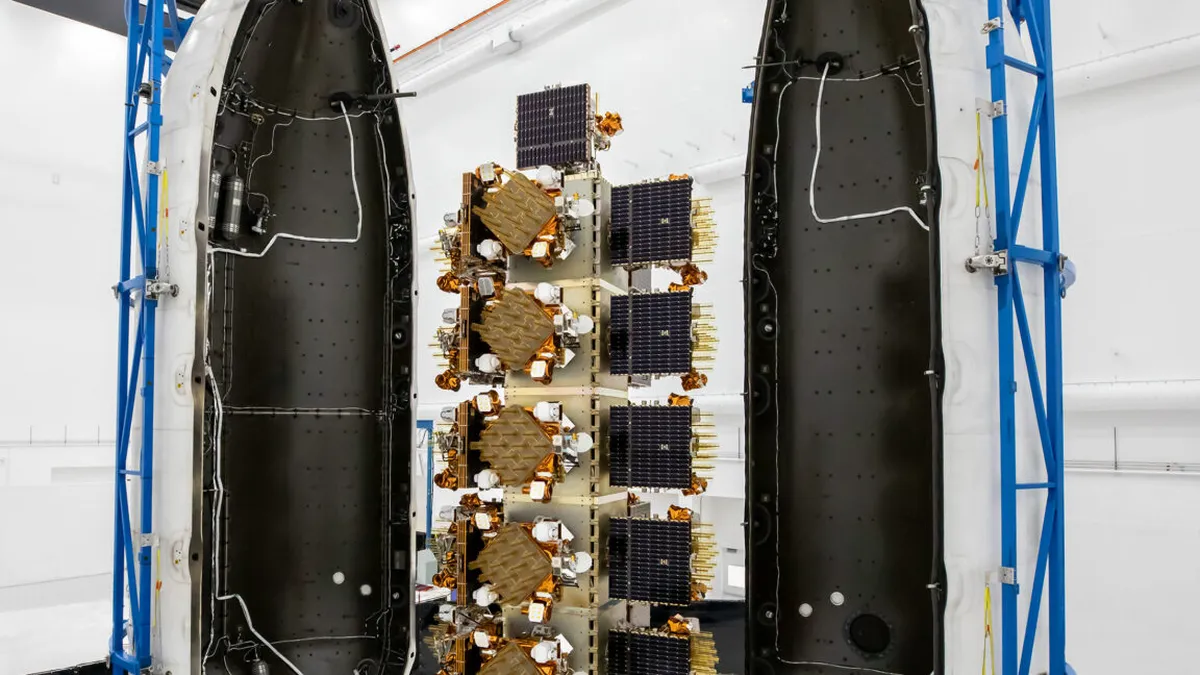
The Space Development Agency (SDA) is at a critical juncture in its mission to modernize the United States military's space capabilities. Established in 2019, the SDA was envisioned as a nimble entity that would circumvent the slow-moving machinery of the Pentagon to deploy advanced military space systems quickly. However, as the agency launches its first operational satellites, it finds itself facing significant challenges, including delays, technical issues, and an impending restructuring that could alter its future. With the backdrop of escalating global military threats, the urgency for effective satellite capabilities has never been greater.
The SDA's primary goal is to create a constellation of satellite systems that can provide enhanced missile warning and data relay capabilities from low-Earth orbit. This architecture, known as the Proliferated Warfighter Space Architecture (PWSA), is designed to detect and respond to missile threats more effectively than the existing legacy systems, which are often costly and vulnerable. As the agency prepares for a potential dissolution and reintegration into the Space Force, it's crucial to understand both its current achievements and the challenges that lie ahead.
From Vision to Reality: The SDA's Mission
The Space Development Agency's mission focuses on developing a robust satellite constellation capable of monitoring ballistic and hypersonic missile activity. The PWSA aims to replace the Pentagon's older, high-altitude geosynchronous satellites with a more efficient and responsive system of low-Earth orbit satellites. This shift is critical as the Pentagon's existing fleet has shown limitations in tracking smaller, less detectable threats.
Key Goals and Structure
- Deployment Schedule: The SDA's initial plan was to launch new satellite tranches every two years, with a goal of achieving a monthly launch cadence.
- Operational Capability: The agency aims to have a total of 154 operational satellites, including 126 data relay and 28 missile tracking satellites.
- Industry Collaboration: SDA's strategy involves collaboration with various private companies, broadening the scope of innovation and technology acquisition.
Despite these ambitious goals, the SDA has faced a series of setbacks, including production delays, supply chain bottlenecks, and technical issues with its first operational satellites. The recent launch of a batch of 21 satellites from York Space Systems marked a significant milestone, yet it also highlighted the agency's ongoing struggles.
Challenges Ahead: Delays and Technical Hurdles
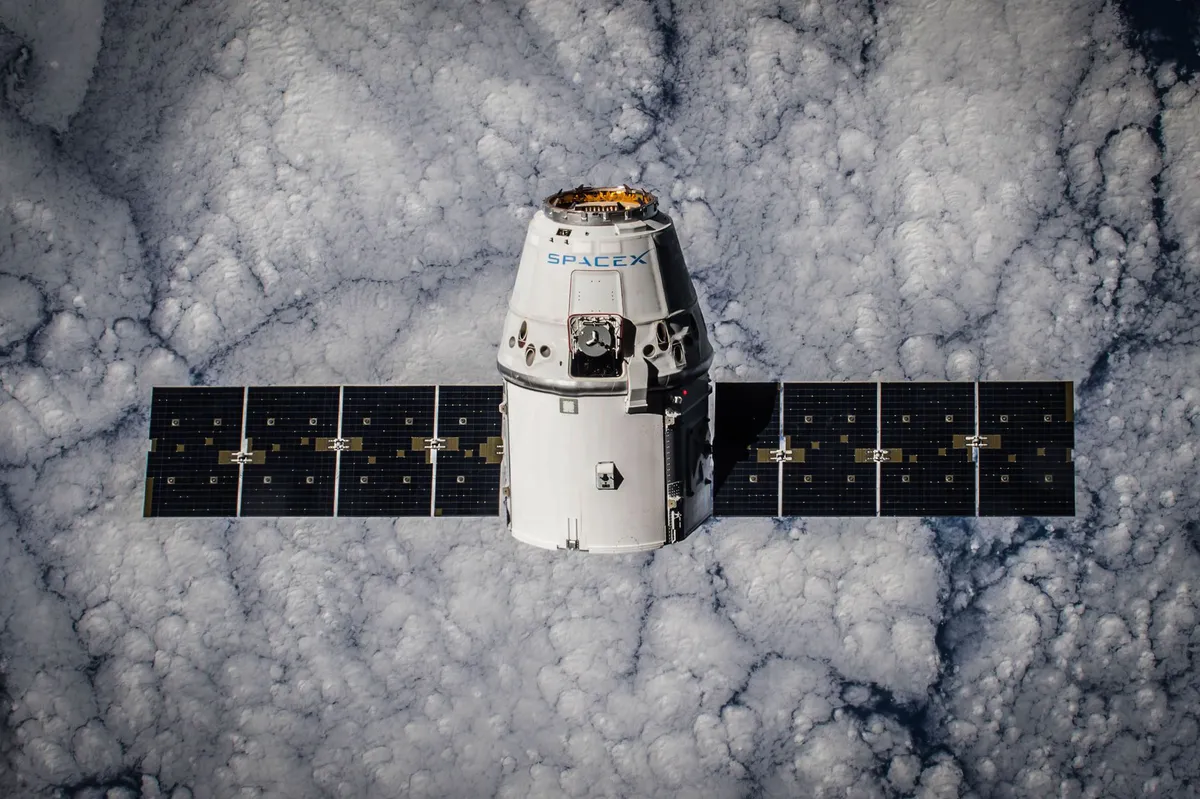
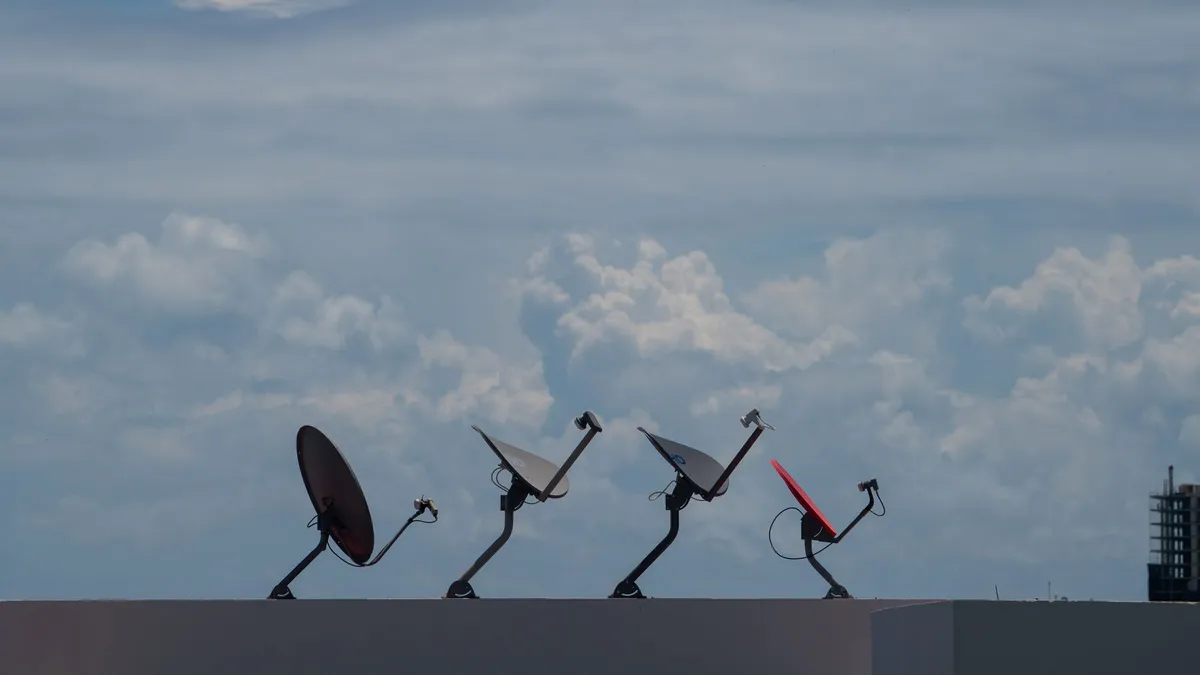
As SDA embarks on its satellite deployment journey, it must contend with a variety of challenges that have slowed its progress. Ground teams have reported several issues with satellite activation and commissioning since the launch of the first two batches. Problems such as insufficient ground station coverage and thermal control issues have hampered the operational readiness of the satellites.
Technical Setbacks
According to Gurpartap “GP” Sandhoo, the director of the Space Development Agency, the satellites have experienced difficulties as they ascend to their operational altitude of over 600 miles (1,000 kilometers). The harsh radiation environment at this altitude has complicated satellite operations, making it imperative for ground teams to troubleshoot and fix these issues as they arise. Sandhoo remarked, "We are in a pretty harsh radiation environment at 1,000 kilometers, so not all of our orbit raising has gone according to plan."
This erratic performance has raised concerns about SDA's ability to deliver the promised capabilities to military commanders, especially as global tensions rise. For instance, the ongoing military operations in the Middle East have underscored the urgent need for enhanced missile warning systems that could have been operational had the satellite constellation launched as initially scheduled.
The Future: Integration with the Space Force
The SDA's fate appears to be intertwined with the broader restructuring of the U.S. Space Force’s procurement processes. As the Pentagon plans to fold the SDA into the Space Force, the agency's existing projects and missions are expected to continue under a new framework. The transition represents both an opportunity and a challenge, as the SDA's innovative approaches to satellite development must be integrated into the more traditional military procurement system.
Prospective Changes
The integration into the Space Force could facilitate improved funding and resource allocation, but it may also slow down the agile approach that characterized the SDA's operations. The Pentagon's decision to incorporate the SDA's capabilities into its Golden Dome missile defense system indicates a continuing commitment to enhancing national security through advanced space technologies. Yet, questions remain about whether the agency will retain its innovative spirit within the larger bureaucratic structure of the Space Force.
Moreover, the SDA's operational timeline for the Tranche 1 satellites indicates a phased rollout, with the initial warfighting capabilities expected to come online by 2027. As the agency navigates these transitions, the need for effective satellite communication and real-time data relay will only grow, particularly in light of evolving global threats.

Key Takeaways
- The Space Development Agency aims to deploy a constellation of 154 operational satellites to enhance missile warning and data relay capabilities.
- Delays due to technical challenges have hindered the SDA's progress, raising concerns about timely military readiness.
- The agency is set to be integrated into the Space Force, which could impact its innovative procurement approach.
- Future satellite launches are crucial for addressing emerging missile threats globally.
- The SDA’s mission remains vital as geopolitical tensions escalate, underscoring the need for advanced space-based capabilities.
Frequently Asked Questions
What is the primary mission of the Space Development Agency?
The primary mission of the Space Development Agency is to develop a constellation of low-Earth orbit satellites capable of providing enhanced missile warning and data relay capabilities. This system is intended to replace the existing legacy satellite systems that are costly and vulnerable, thereby improving the U.S. military's ability to detect and respond to missile threats.
Why has the SDA faced delays in its satellite launches?
The SDA has encountered several challenges, including production and supply chain bottlenecks, technical issues with satellite systems, and insufficient ground station coverage for effective communication with the satellites post-launch. These factors have contributed to the delays in achieving the planned operational capabilities of the satellite constellation.
What does the future hold for the SDA after its integration into the Space Force?
The future of the SDA following its integration into the Space Force is currently uncertain. While this transition may provide additional resources and support for the agency's projects, it also raises concerns about potentially losing the agile, innovative approach that characterized the SDA’s operations. The successful integration of its capabilities into the Space Force’s broader missile defense strategy will be crucial for the agency’s long-term mission.
How will the SDA's capabilities impact military operations?
The SDA's satellite capabilities are expected to provide critical enhancements to military operations by improving missile warning and tracking functionalities. This will enable U.S. forces to respond to threats more effectively and in real-time, ultimately enhancing national security, especially in light of current geopolitical tensions and military conflicts around the world.
Comments
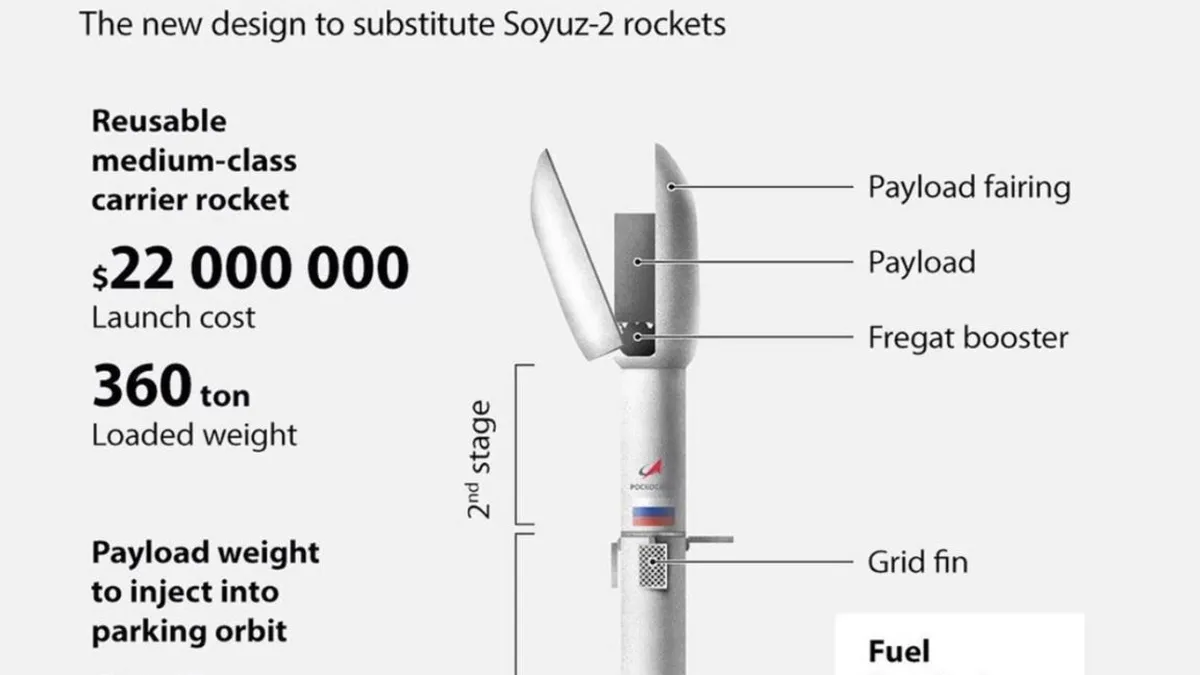
The Amur Rocket: Russia's Long-Awaited Answer to Falcon 9 Faces Delays
As Russia moves to develop the Amur rocket, its timeline has been pushed back significantly. This article explores the implications of these delays for Russia's space ambitions and the global launch market.
Related articles



Popular in Cloud Computing
- SK Hynix's Historic $26.5 Billion IPO: A New Era for Memory Chips
- Kubernetes and the Future of Desktop Infrastructure: A Paradigm Shift
- Amazon Expands Partnership with Nvidia, Tripling GPU Orders Amid AI Demand Surge
- Elon Musk's Evolving Relationship with Anthropic: A New Era for AI Hosting
- Emerging Rocket Launches: A New Era for Space Exploration