Databricks Achieves $188 Billion Valuation: The New AI Powerhouse
Databricks has reached a staggering $188 billion valuation in its latest funding round, as it pivots toward AI amidst a competitive landscape. This article explores the implications of this valuation, the company's evolution, and what it means for the future of AI in enterprise solutions.

In a noteworthy development within the tech landscape, Databricks has announced a new funding round that elevates its valuation to an extraordinary $188 billion. This leap is not merely a reflection of financial acumen but signals a significant transformation as Databricks pivots from its foundational big data roots into the rapidly evolving realm of artificial intelligence (AI). With the backing of Coatue leading this funding round, the tech world is watching closely as Databricks solidifies its place in the competitive AI marketplace.
While specific funding amounts remain undisclosed, reports suggest that Databricks may have raised approximately $3 billion, a substantial figure that further underscores the investor confidence in its AI-focused trajectory. This announcement follows a series of impressive fundraising rounds over the past year and a half, indicating a robust and ongoing demand for AI solutions that deliver enterprise-level security and governance.
The Evolution of Databricks: From Big Data to AI Innovator
Founded in 2013, Databricks initially gained traction during the big data boom, providing enterprises with solutions to store and analyze vast amounts of data in the cloud. Its flagship product allowed organizations to harness their data for faster analytics, effectively positioning the company as a leader in the big data space. However, as the technology landscape evolved, so did the needs of businesses. The emergence of AI and machine learning prompted Databricks to transform its offerings significantly.
This metamorphosis has been nothing short of remarkable. Databricks has shifted its focus towards AI-driven products, launching a series of innovations such as:
- Lakebase: A database specifically designed for AI agents.
- Unity: An AI gateway that streamlines access to AI resources.
- Omnigent: A meta-harness that manages multiple AI agents effectively.

By transitioning into the AI domain, Databricks has not only broadened its product line but has also become a key player in the movement towards utilizing more affordable, open-weight AI models. These models, which allow for modification and redistribution of the underlying code, are increasingly favored by enterprises seeking to control costs while still leveraging cutting-edge technology.
Embracing Open-Source AI: A Strategic Advantage
One of the defining features of Databricks' recent success is its embrace of open-source AI models, particularly the GLM 5.2 from Z.ai. This model has emerged as a go-to option for coding tasks, providing a cost-effective alternative to proprietary models from competitors like Anthropic and OpenAI. This strategic choice has not only bolstered Databricks' market positioning but has also highlighted a growing trend among enterprises to prioritize open-source solutions for their flexibility and cost-effectiveness.
In a recent blog post, Databricks CEO Ali Ghodsi shared insights from internal benchmarking that compared various AI models based on the actual coding tasks performed by his team of 3,000 software engineers. The findings revealed that not only did open models like GLM 5.2 excel in handling complex tasks, but the choice of the harness—tools that manage context and instructions around AI models—significantly influenced overall costs.
Key Findings from Internal Benchmarking
The benchmarking results indicated several important insights:
- Open Models vs. Proprietary: Open models offered lower costs while maintaining high performance.
- Impact of Harness Choice: The choice of harness could significantly affect operational costs and efficiency.
- Context Management: Tools that effectively manage context around AI prompts led to better performance without sacrificing quality.

Ghodsi’s revelations emphasize that cost management in AI operations is multifaceted, and organizations should consider both model choices and the tools used to implement them for optimal results.
The Investor Buzz: A Sign of the Times
The surge in Databricks' valuation parallels a broader trend in the investment community, where AI-centric companies are attracting unprecedented interest. The “AI effect” is palpable, influencing even companies outside the tech sphere. For instance, a recent S-1 filing by Jersey Mike’s highlighted AI 22 times, underscoring the pervasive enthusiasm for AI integration across industries.
Investors are increasingly drawn to companies that demonstrate a clear commitment to AI, viewing them as the future leaders of the tech ecosystem. Databricks' ability to pivot and adapt to market demands has positioned it favorably in this environment. The company’s history of successful fundraising rounds—from $10 billion in December 2024 to $5 billion in February 2026—demonstrates not only its financial viability but also the robust investor confidence in its strategic direction.

Strategic Implications for Enterprises
For businesses navigating the landscape of AI and big data, Databricks’ evolution serves as a crucial case study. Companies looking to leverage AI must consider how to integrate these technologies effectively while ensuring they align with their operational and financial objectives. The lessons from Databricks’ journey underscore the importance of:
- Investing in AI Infrastructure: Businesses should prioritize building robust AI capabilities to remain competitive.
- Exploring Open-Source Solutions: Leveraging open-source AI models can enhance flexibility and reduce costs.
- Monitoring Industry Trends: Companies must stay informed about emerging AI technologies and market dynamics to adapt swiftly.

As AI continues to reshape the business landscape, organizations must be proactive in their approach to technology adoption, ensuring they are prepared to navigate both opportunities and challenges in this fast-paced environment.
Key Takeaways
- Databricks' valuation has soared to $188 billion, reflecting its successful transition to AI.
- The company’s embrace of open-source AI models positions it as a cost-effective solution in enterprise AI.
- Investors are increasingly drawn to AI-focused companies, driving significant funding rounds.
- Enterprises must invest in AI infrastructure and consider open-source options for flexibility and cost control.
Frequently Asked Questions
What does Databricks do, and why is it significant?
Databricks is a cloud-based data and AI platform that enables organizations to harness big data for analytics and machine learning. Its significance lies in its ability to provide tools that streamline data processing and facilitate AI model deployment, making it easier for businesses to derive insights and make data-driven decisions.
How does the funding landscape look for AI companies?
The funding landscape for AI companies is exceptionally robust, with investors eager to back firms that demonstrate innovative AI solutions. This trend is driven by the increasing importance of AI in various industries, prompting venture capitalists and institutional investors to prioritize funding for AI-centric startups and established companies alike.
What are open-weight AI models, and why are they gaining traction?
Open-weight AI models are those whose underlying code is publicly available for anyone to use, modify, and redistribute. They are gaining traction because they offer cost-effective solutions for businesses while promoting innovation and collaboration within the developer community. Such models allow companies to customize their AI solutions to better fit their unique needs.
Comments
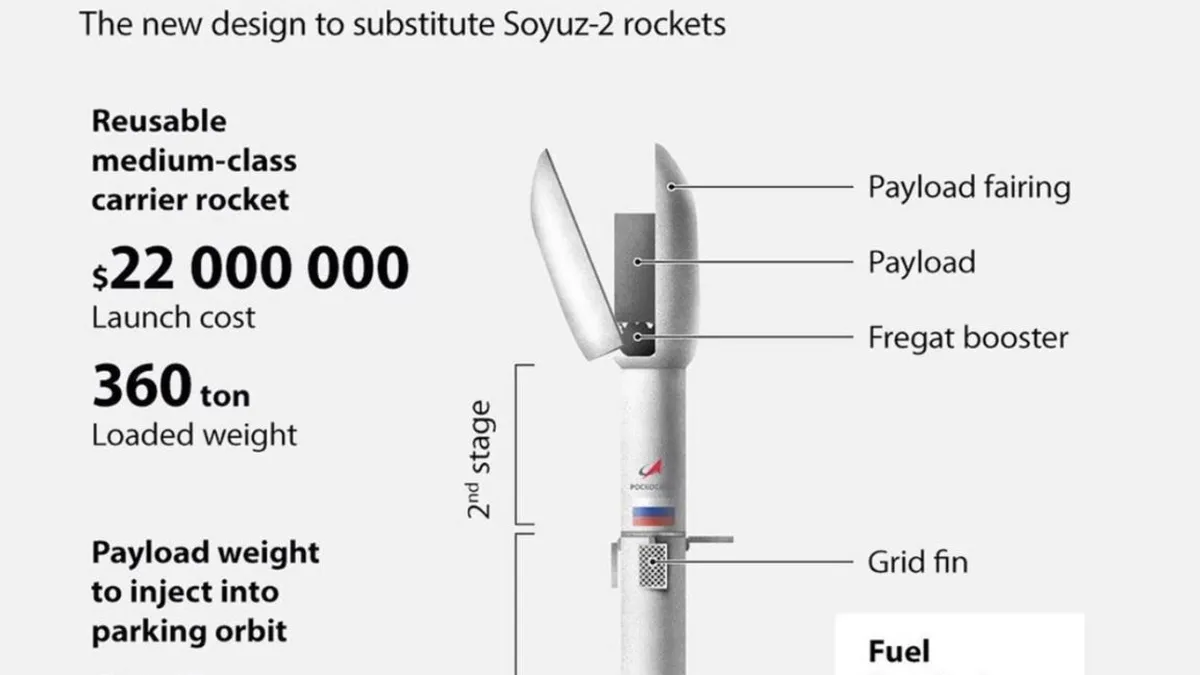
The Amur Rocket: Russia's Long-Awaited Answer to Falcon 9 Faces Delays
As Russia moves to develop the Amur rocket, its timeline has been pushed back significantly. This article explores the implications of these delays for Russia's space ambitions and the global launch market.
Related articles



Popular in Cloud Computing
- SK Hynix's Historic $26.5 Billion IPO: A New Era for Memory Chips
- Kubernetes and the Future of Desktop Infrastructure: A Paradigm Shift
- Amazon Expands Partnership with Nvidia, Tripling GPU Orders Amid AI Demand Surge
- Elon Musk's Evolving Relationship with Anthropic: A New Era for AI Hosting
- Emerging Rocket Launches: A New Era for Space Exploration