SpaceX Prepares for Crucial Starship Test Flight: What You Need to Know
SpaceX's upcoming Starship test flight will push the boundaries of rocket technology while integrating real Starlink satellites. This mission is a pivotal step toward operational capabilities for both SpaceX's satellite network and future space exploration.
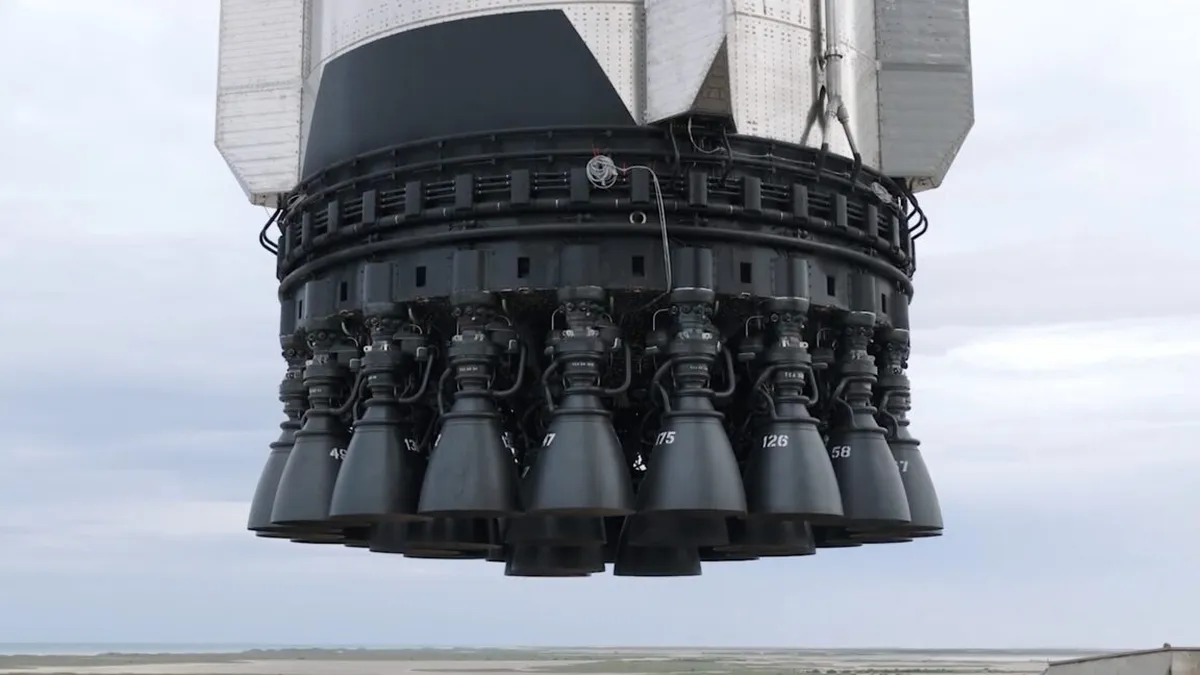
As anticipation builds for SpaceX's Starship's 13th test flight, scheduled for this Thursday at 5:45 PM CDT, the mission promises to be a game-changer for the aerospace industry. This flight, following the May test, introduces crucial advancements, including the deployment of actual Starlink satellites. With its towering Super Heavy booster powered by thirty-three Raptor engines, SpaceX aims to test new technologies that could reshape both satellite communication and the future of space travel.
The upcoming mission is not just another routine launch; it represents a significant leap toward operational capabilities for Starlink and the broader ambitions of SpaceX, including lunar and Martian exploration. The integration of real Starlink satellites into the Starship's cargo bay will provide invaluable data and validation of new technologies that could change the landscape of global internet access.
Understanding the Mission Objectives
This test flight is designed to accomplish several critical objectives that will pave the way for future missions. Here’s what SpaceX aims to achieve:
- Deployment of Starlink V3 satellites: The flight will deploy 20 Starlink V3 satellites, which are part of SpaceX's next-generation broadband network.
- Testing communication capabilities: Engineers will attempt to establish laser communication links between the Starlink V3s and other spacecraft in low-Earth orbit.
- Heat shield assessments: The mission will involve testing modified heat shield tiles to gauge their performance under high dynamic pressure conditions.
- Raptor engine performance: The flight plan includes a Raptor engine relight objective, addressing previous performance issues.
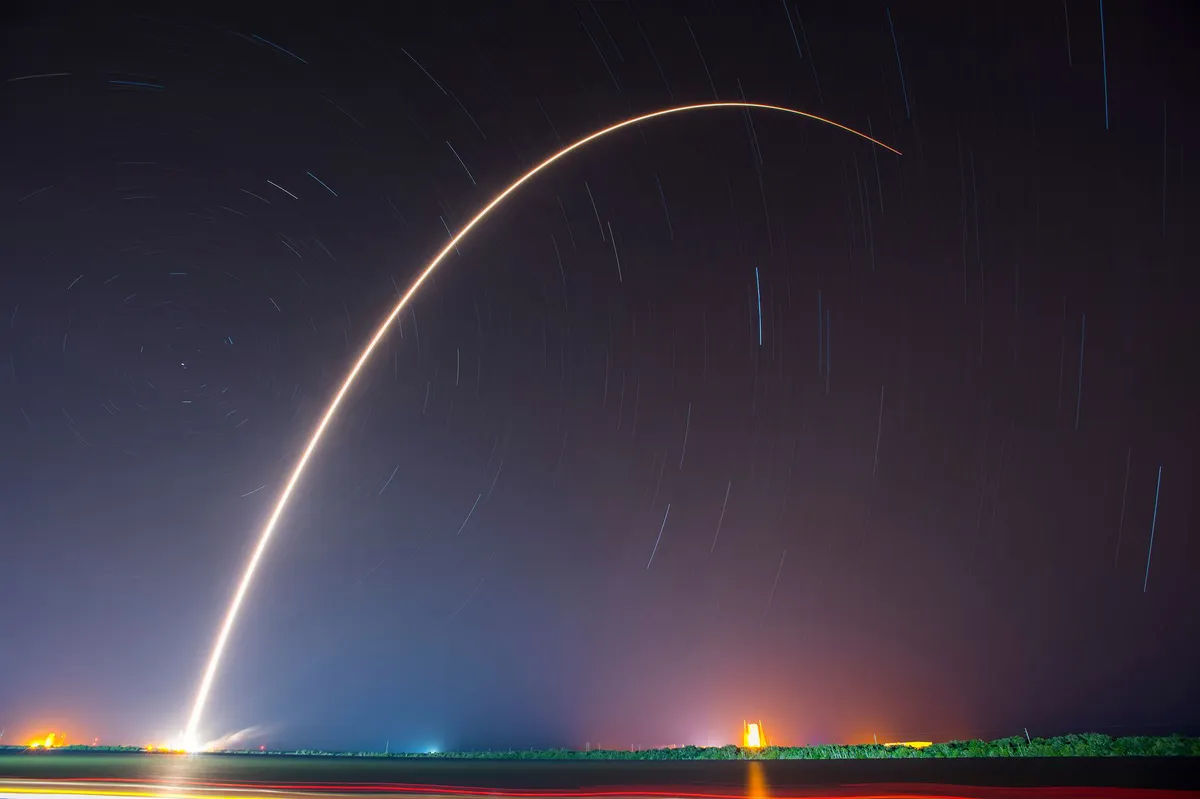
The Role of Starlink Satellites
One of the most exciting aspects of this upcoming flight is the inclusion of actual Starlink satellites. Unlike previous missions that relied on simulators, this test will utilize real satellites designed to provide high-speed internet across the globe. The mission will include:
Functional Deployment Mechanism
The Starlink payload deployment mechanism, which consists of pulleys and cables, will eject the satellites one at a time through an opening on the spacecraft's side. This design is critical for future missions where multiple satellites will need to be deployed simultaneously.
Communication Links
During the flight, the Starlink V3 satellites will attempt to connect with ground stations in South Africa while soaring over 100 miles above the Earth. Successful communication will validate the interoperability of the new generation of Starlink satellites with older versions, setting the stage for future enhancements to the network.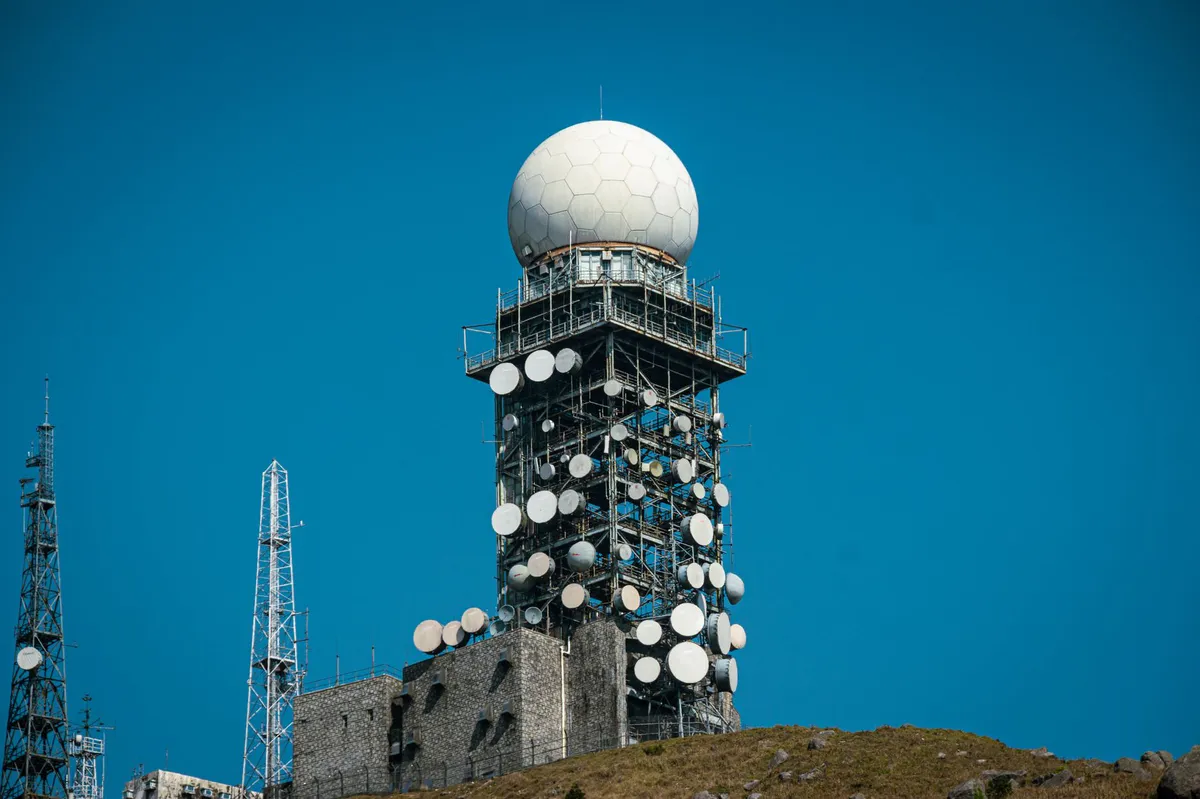
Challenges and Innovations
Despite the excitement surrounding the upcoming flight, there are significant challenges that SpaceX must address. The previous test flight faced issues with the Raptor engine, which failed to ignite as planned. This time, SpaceX is seeking to achieve several key milestones:
Engine Reliability
To mitigate the risks associated with engine relights in space, SpaceX has made hardware modifications to improve reliability. The previous test saw a premature shutdown of one engine during launch, a situation that could lead to catastrophic consequences if not resolved. The company aims to demonstrate that the Raptor engines can reliably reignite in the vacuum of space, a critical factor for future orbital missions.
Heat Shield Durability
The heat shield's performance remains one of the most daunting challenges for SpaceX. Musk has previously noted that no one has successfully created a reusable orbital heat shield. The upcoming flight will test new tiles and attachment mechanisms to ensure that they can withstand the intense conditions of reentry without degradation.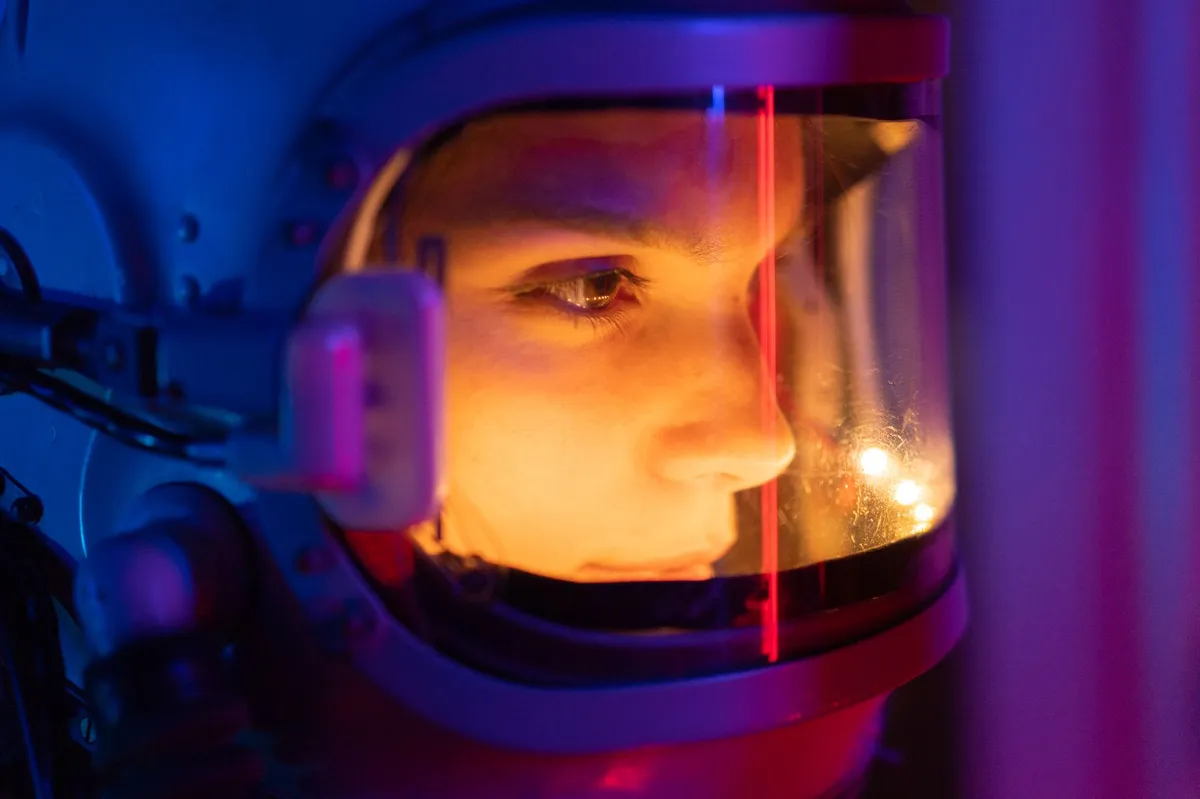
The Bigger Picture: Future Implications
The results of this mission will have far-reaching implications for both SpaceX and the aerospace industry as a whole. Achieving a successful flight means that SpaceX can move closer to operational capabilities for its Starlink constellation, which aims to provide high-speed internet access to underserved regions globally. Furthermore:
Orbital Flight Readiness
A successful test flight will bring SpaceX one step closer to its goal of launching Starship into low-Earth orbit. This capability is essential for deploying satellites, performing in-orbit refueling, and eventually conducting crewed missions to the Moon and Mars. The capabilities demonstrated in this flight will provide a foundation for future missions under NASA's Artemis program and beyond.
Expanding Satellite Deployment
Once operational, Starship can carry up to 60 Starlink satellites in a single launch, vastly increasing the network's capacity. Each Falcon 9 launch adds approximately 2.6 Tbps to the constellation's throughput, but a fully-loaded Starship could add a staggering 60 Tbps. This dramatic increase could revolutionize global internet access, especially in remote areas.
Key Takeaways
- SpaceX's Starship 13 test flight is set for Thursday, featuring real Starlink V3 satellites.
- The mission aims to validate communication links, test heat shield durability, and improve Raptor engine reliability.
- Success in this mission could pave the way for orbital flights and expanded satellite deployment capabilities.
- Starship's capacity to carry numerous satellites will significantly enhance the Starlink network's overall performance.
- Future missions will contribute to NASA's Artemis program and SpaceX's broader goals for lunar and Martian exploration.
Frequently Asked Questions
What is the significance of the Starlink satellites in this flight?
The inclusion of real Starlink satellites on this test flight is a crucial step toward operationalizing the third-generation Starlink network. It allows SpaceX to test the satellite deployment mechanism and establish essential communication links, which are vital for future satellite launches and operational capabilities.
What challenges did SpaceX face during the previous flight?
In the last test flight, SpaceX encountered issues with the Raptor engine, which failed to ignite as planned, and the Super Heavy booster lost control shortly after separation. These challenges highlighted the need for improved engine reliability and modifications to ensure safe landings for both stages of the rocket.
How does this mission impact the future of satellite internet access?
The successful deployment of Starlink satellites will significantly increase the network's capacity, allowing for high-speed internet access to underserved areas around the world. This could be transformational for regions with limited connectivity, enabling broader access to information, education, and communication.
What does SpaceX need to achieve for future orbital flights?
Before attempting orbital flights, SpaceX must demonstrate the reliability of the Raptor engines to reignite in space and the durability of the heat shield. Successful test flights will lay the groundwork for future missions that include satellite deployments, in-orbit refueling, and crewed flights to the Moon and Mars.
Comments
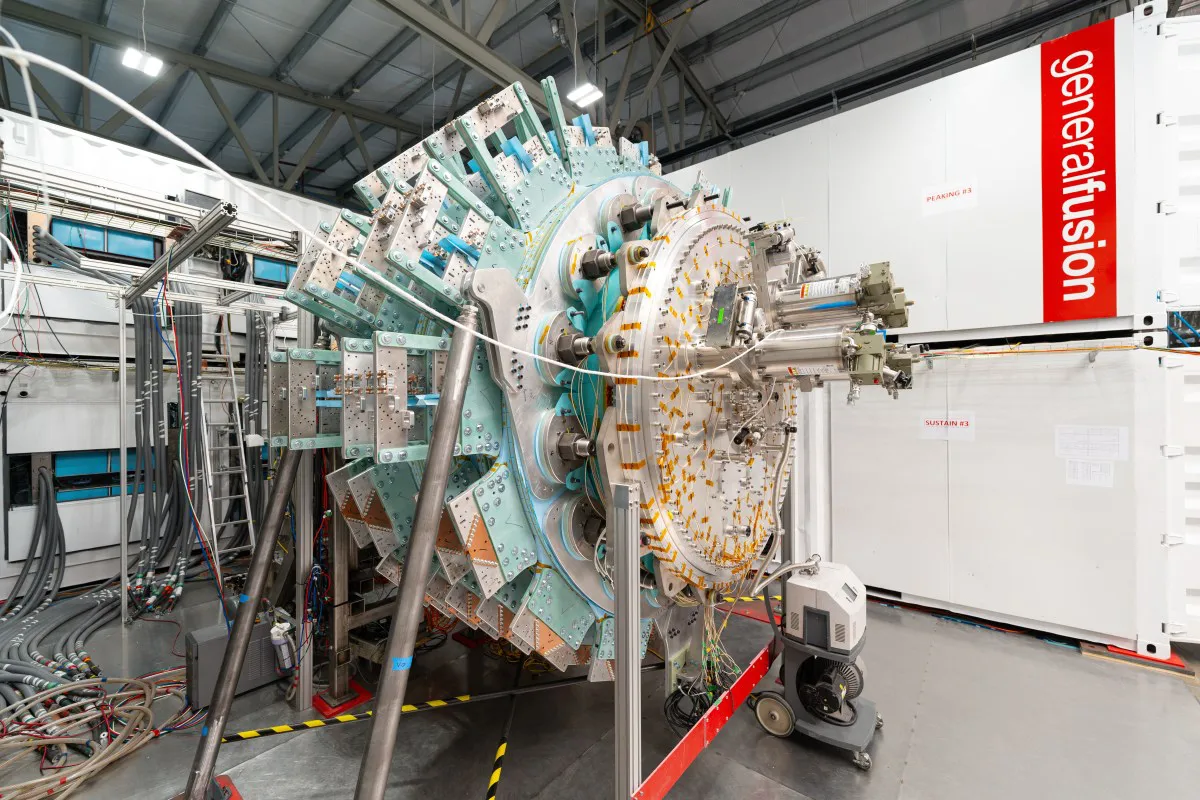
General Fusion Makes History as First Publicly Traded Fusion Company
General Fusion's debut on the Nasdaq as the first publicly listed fusion power company has captured investor attention, with shares soaring on the opening day. This article explores the implications of this historic moment for the fusion energy landscape.
Related articles


Popular in Cloud Computing
- SK Hynix's Historic $26.5 Billion IPO: A New Era for Memory Chips
- Kubernetes and the Future of Desktop Infrastructure: A Paradigm Shift
- Amazon Expands Partnership with Nvidia, Tripling GPU Orders Amid AI Demand Surge
- Elon Musk's Evolving Relationship with Anthropic: A New Era for AI Hosting
- Emerging Rocket Launches: A New Era for Space Exploration