The Reality Check on Space Data Centers: Insights from Altman and Musk's Clash
As Sam Altman and Elon Musk spar over the future of space data centers, industry experts weigh in on the feasibility and potential of this ambitious endeavor. Is space computing truly the next frontier or just a lofty dream?
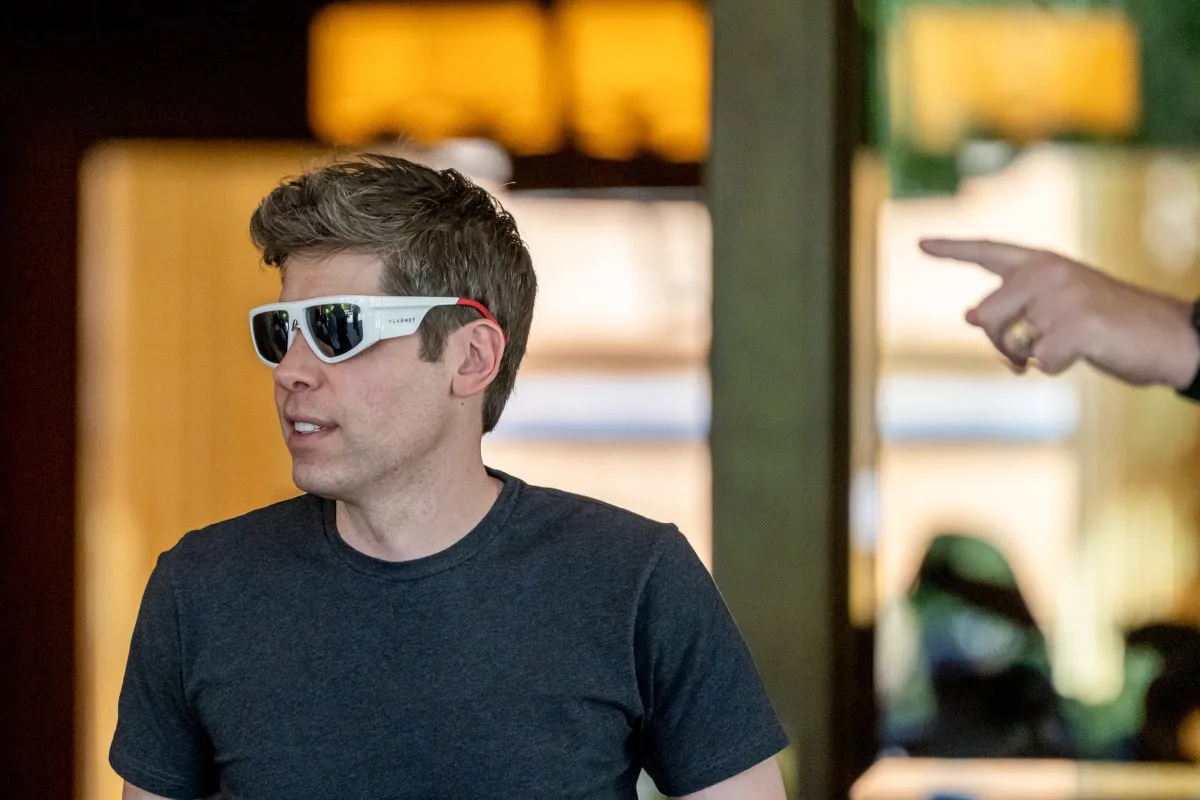
The recent social media exchange between tech titans Sam Altman and Elon Musk has reignited discussions about the viability of space data centers. In a heated back-and-forth, Altman challenged Musk's optimism about the space computing industry, asserting that the current market is not ready for serious investment in such ventures. As both leaders represent different aspects of the tech ecosystem—Altman with his focus on AI and Musk with his ambitions for space—this clash highlights the growing gap between visionary ambitions and practical realities in the space data center market.
SpaceX's plans to establish a fleet of orbital data centers aimed at executing artificial intelligence (AI) inference tasks have garnered significant attention, especially given the company's staggering $2 trillion valuation. Proponents argue that harnessing the power of these orbital facilities could revolutionize AI processing. However, many industry experts share a more cautious outlook, emphasizing that substantial barriers still exist before space data centers can become a mainstream business.
The Current Landscape of Space Data Centers
Space data centers represent an intriguing intersection of space technology and cloud computing. The concept is simple yet ambitious: deploying data centers in orbit to leverage the unique advantages of space, such as reduced latency for global data transfer and the potential for massive computational power. However, despite the excitement surrounding these initiatives, several critical factors remain unresolved:
- Cost of Launches: The expense associated with launching rockets into space is still prohibitively high. Without significant reductions in launch costs, the business model for space data centers becomes difficult to justify.
- Manufacturing Challenges: The capability to produce high-powered satellites in large quantities and at a low cost is still lacking. Current manufacturing processes are not geared for mass production, which is essential for scaling any business in this arena.
- Regulatory Hurdles: The space industry is heavily regulated, and navigating the legal landscape to deploy satellites and establish space data centers can be complex and time-consuming.
Experts Weigh In: Skepticism Abounds
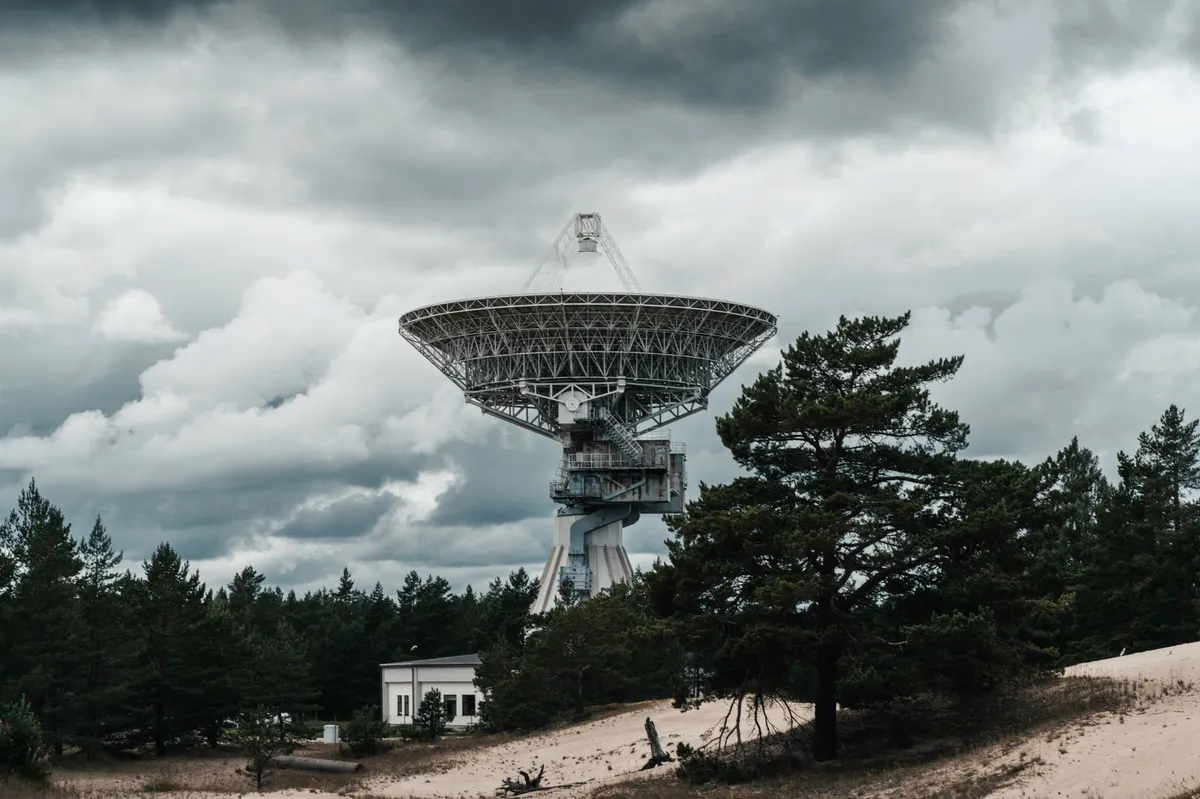
When speaking to experts across the tech and aerospace industries, a common sentiment arises: while the vision of space data centers is compelling, the practical realities suggest that it may be years, if not decades, before they can operate on a meaningful scale. Many industry insiders believe that until reliable, reusable rockets become the norm, the economics of space computing will remain unfavorable.
The Promise of Reusable Rockets
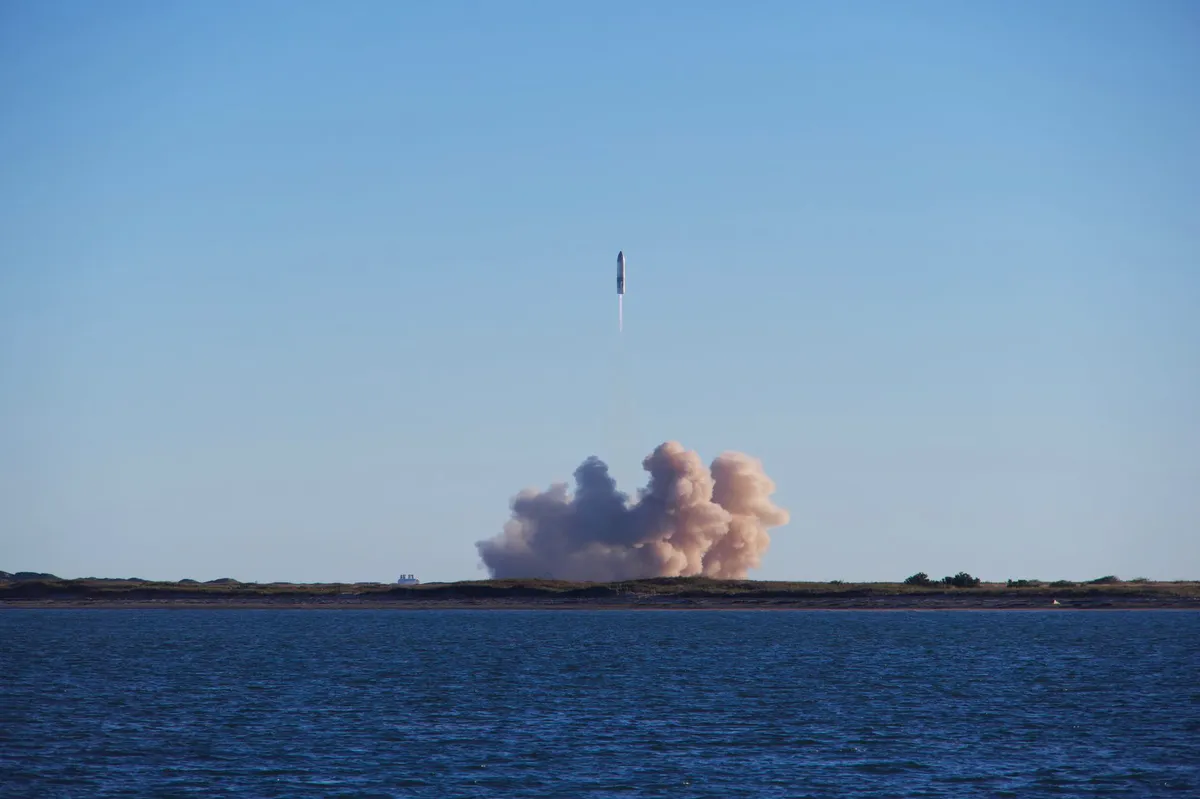
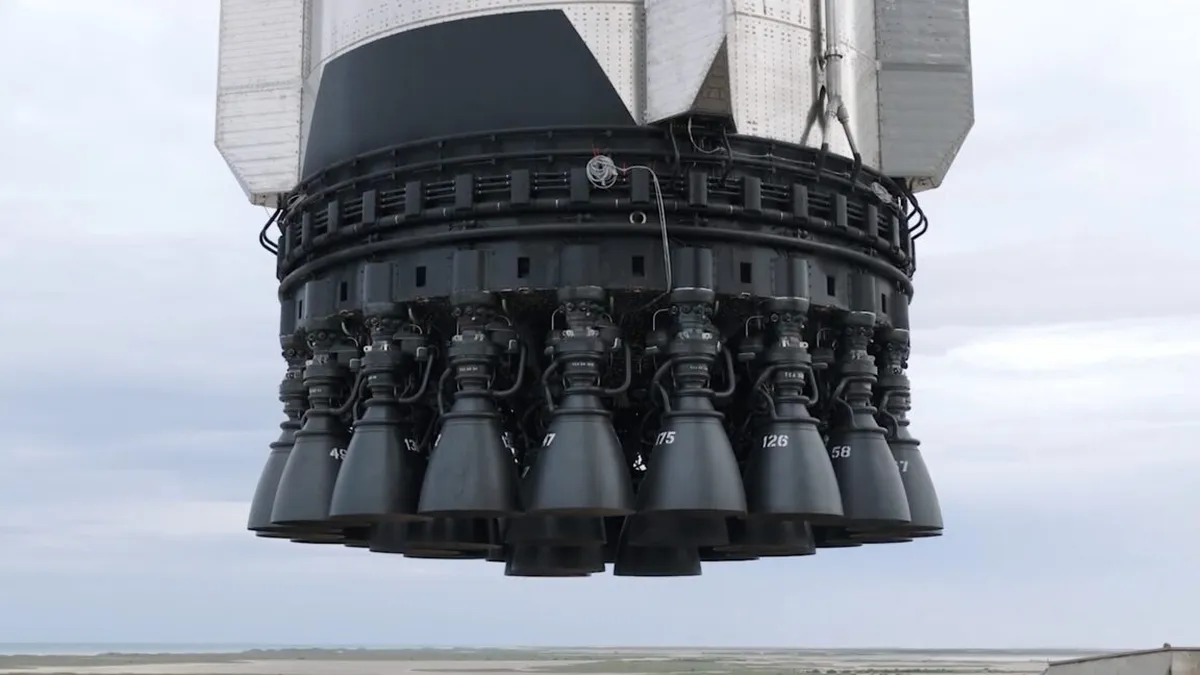
Elon Musk's SpaceX has been at the forefront of developing reusable rocket technology, with the Starship rocket touted as a game-changer for the industry. The Starship is designed to be fully reusable, which could dramatically lower the cost of launches. However, as highlighted during SpaceX's IPO roadshow, there are still significant uncertainties regarding the rocket's operational reliability and full reusability.
If successful, Musk's ambitions could indeed pave the way for economical space data centers. Yet analysts caution that even if the Starship program achieves its goals, the broader challenges of mass-producing and launching satellites still loom large. Many predict that a scalable space data center business model may not emerge until well into the 2030s, if not later.
The Financial Implications for Investors
The debate between Altman and Musk is particularly relevant for investors considering the burgeoning market of space technology. As the hype surrounding AI and its applications grows, the allure of investing in orbital data centers may seem enticing. However, the sobering reality presented by industry experts serves as a cautionary tale.
Investors should be wary of the potential pitfalls in this sector, including:
- Market Volatility: The space industry is still in its infancy, and investments can be subject to fluctuations based on technological advancements and regulatory changes.
- Long Time Horizons: Unlike traditional tech investments, which may yield returns within a few years, the timelines for realizing profits in space computing could extend well beyond a decade.
- Technological Uncertainty: The rapid pace of technological change in both AI and aerospace means that today’s promising initiatives may quickly become obsolete.
The Future of AI and Space Computing
As the conversation around space data centers unfolds, one important aspect remains clear: the integration of AI will play a pivotal role in shaping their future. Companies like SpaceX and other startups are exploring how to harness AI to optimize satellite operations, enhance data processing capabilities, and ultimately drive efficiencies in space computing.
However, until the foundational issues of cost and scalability are addressed, the dream of establishing a functional network of space data centers remains just that—a dream. For companies investing in AI and cloud technology, understanding the broader context of space computing will be essential for making informed decisions.
Key Takeaways
- Space data centers are not currently a viable business due to high launch costs and manufacturing challenges.
- Experts suggest that reliable, reusable rocket technology is key to changing the economics of space computing.
- Investors should approach opportunities in space data centers with caution, considering the long timelines and inherent risks involved.
- The future integration of AI into space computing may unlock potential efficiencies but is dependent on overcoming significant barriers.
Frequently Asked Questions
What are space data centers, and how do they work?
Space data centers are facilities located in orbit that aim to process and store data using high-powered satellites. They leverage the unique advantages of space, such as low latency for global data transmission and the ability to handle large-scale computations. The goal is to provide efficient data processing capabilities that could support various applications, particularly in the realm of artificial intelligence.
Why are experts skeptical about the future of space data centers?
Experts express skepticism primarily due to the high costs associated with launching and operating satellite technology. Current manufacturing processes are not optimized for mass production, and the regulatory environment surrounding space is complex. Until these fundamental issues are addressed, the widespread implementation of space data centers is unlikely.
How does reusable rocket technology impact the space data center market?
Reusable rocket technology has the potential to drastically reduce launch costs, which is a critical factor for making space data centers economically viable. If companies like SpaceX can successfully develop and operate fully reusable rockets, it could enable more frequent and affordable satellite launches, laying the groundwork for a sustainable space computing ecosystem.
What should investors consider before investing in space technology?
Investors should be aware of the inherent risks and uncertainties in the space sector, including market volatility, long timelines for potential returns, and the rapid pace of technological change. Conducting thorough due diligence and understanding the broader context of technological advancements in aerospace and AI will be essential for making informed investment decisions.
Comments
SpaceX Prepares for Crucial Starship Test Flight: What You Need to Know
SpaceX's upcoming Starship test flight will push the boundaries of rocket technology while integrating real Starlink satellites. This mission is a pivotal step toward operational capabilities for both SpaceX's satellite network and future space exploration.
Related articles

Popular in Cloud Computing
- SK Hynix's Historic $26.5 Billion IPO: A New Era for Memory Chips
- Kubernetes and the Future of Desktop Infrastructure: A Paradigm Shift
- Amazon Expands Partnership with Nvidia, Tripling GPU Orders Amid AI Demand Surge
- Elon Musk's Evolving Relationship with Anthropic: A New Era for AI Hosting
- Emerging Rocket Launches: A New Era for Space Exploration