Tech Titans Dive Back into the AI Arena: A New Frontier for Innovation
As the AI revolution unfolds, seasoned tech leaders are re-entering the fray, driven by a desire to capitalize on unprecedented opportunities. This article explores the motivations and implications of this trend.
The tech landscape is witnessing a remarkable phenomenon as seasoned entrepreneurs and innovators, who have already made their mark, are re-engaging with the industry. This resurgence is largely fueled by the explosive growth and potential of artificial intelligence (AI), with many seeing it as not just another trend, but as a defining moment in technology. These individuals, already wealthy and successful, are diving back into the operational side of the tech world, driven by both the allure of financial gain and a passionate desire to contribute to what they perceive as the future of technology.
Consider Tom Blomfield, a prominent figure in fintech who co-founded GoCardless and Monzo. After years of mentoring budding entrepreneurs as a Y Combinator Group Partner, Blomfield has decided to take a leave of absence to join Anthropic, a leading AI research company. Rather than stepping into an executive role, he opted to join as a member of the technical staff, signaling a shift towards hands-on engagement in a field he believes is at a critical juncture. Blomfield is not alone; many of his contemporaries are making similar choices, prioritizing direct involvement in AI development over traditional leadership roles.
The Allure of AI: Why Now?
The current wave of tech leaders returning to operational roles can be attributed to a variety of factors. First and foremost, AI is in its early stages of development, with vast untapped potential for innovation across multiple sectors. The recent advancements in large language models (LLMs) and machine learning algorithms have opened new doors, not just for businesses but for entire industries.
Many of these returning leaders have expressed a sense of urgency. Andrej Karpathy, a founding member of OpenAI and a former leader of AI at Tesla, recently joined Anthropic’s pre-training team, emphasizing the formative nature of the next few years in AI development. This sentiment is echoed by others who fear missing out on the transformative changes that AI can bring.
High Stakes and High Rewards
In addition to the novelty of AI, the potential financial rewards are significant. Chamath Palihapitiya, known as the “SPAC King,” has stepped away from boardroom discussions to take on a full-time role as CEO of 8090 Labs, an enterprise AI startup that recently secured a whopping $135 million in Series A funding led by Salesforce Ventures. His commitment to this venture underscores the belief that the AI sector may yield substantial returns.
Similarly, Eric Wu, who previously led Opendoor, has launched NavigateAI, a startup designed to serve as an AI “copilot” for construction workers, backed by $25 million in seed funding. Wu’s motivation stems from a desire not only to capitalize on AI's potential but also to avoid future regret about not being part of this transformative wave.

The Role of Titles and Team Dynamics
Interestingly, many returning tech leaders are adopting non-traditional titles upon joining AI companies. For instance, Blomfield’s decision to take on the title of “member of technical staff” reflects a cultural shift towards flat, non-hierarchical structures in leading AI organizations like Anthropic and OpenAI. This approach fosters collaboration and innovation, allowing seasoned professionals to contribute their expertise without the constraints of formal hierarchy.
Peter Bailis, who briefly served as CTO at Workday, made headlines for making a similar switch, leaving his executive position to join Anthropic. Such moves suggest a collective understanding among these leaders that involvement in AI development requires agility and a willingness to work collaboratively, often in less conventional roles.

Market Implications and Future Prospects
The influx of experienced tech leaders into the AI sector is likely to have far-reaching implications for the market. As these innovators bring their expertise and networks to the table, the pace of AI development may accelerate, leading to more robust products and services. This could result in increased competition within the AI space, as established firms and startups alike strive to innovate and capture market share.
Moreover, the financial backing these leaders are attracting further emphasizes the burgeoning interest in AI. With venture capitalists and corporations eager to invest in promising AI startups, the landscape is ripe for growth. As more experienced professionals enter the field, they bring not only capital but also invaluable insights into scaling businesses and navigating market challenges.
Key Takeaways
- Returning Tech Leaders: Successful tech entrepreneurs are re-engaging in AI to capitalize on its transformative potential.
- Urgency in AI Development: Many perceive the next few years as crucial in shaping the future of AI technology.
- Collaborative Culture: Non-hierarchical titles are becoming common, promoting teamwork and innovation.
- Financial Opportunities: Significant funding rounds signal a strong investment interest in AI startups.
- Market Competition: The influx of seasoned leaders could accelerate innovation and competition in the AI market.
Frequently Asked Questions
Why are successful tech leaders returning to operational roles in AI?
Successful tech leaders are motivated by the desire to engage in the rapidly evolving field of AI, which is seen as critical to the future of technology. With its vast potential, many are eager to contribute directly to AI development and capitalize on the financial opportunities it presents.
What impact will this trend have on the AI market?
The re-engagement of these leaders is likely to accelerate innovation within the AI sector, fostering a competitive landscape that could lead to the development of more advanced products and services. The entrance of experienced professionals also attracts significant investment, further propelling market growth.
How do non-hierarchical titles affect team dynamics in AI companies?
Non-hierarchical titles promote a culture of collaboration and innovation, allowing team members to contribute their expertise without the constraints of traditional corporate structures. This can lead to more effective teamwork and a more dynamic approach to problem-solving in AI development.
What are some examples of new AI startups launched by returning tech leaders?
Examples of AI startups launched by returning tech leaders include Eric Wu’s NavigateAI, which serves as an AI copilot for construction workers, and Chamath Palihapitiya’s 8090 Labs, focused on enterprise AI coding. These ventures highlight the ongoing interest and investment in AI technology from experienced professionals.
Comments
SpaceX Prepares for Crucial Starship Test Flight: What You Need to Know
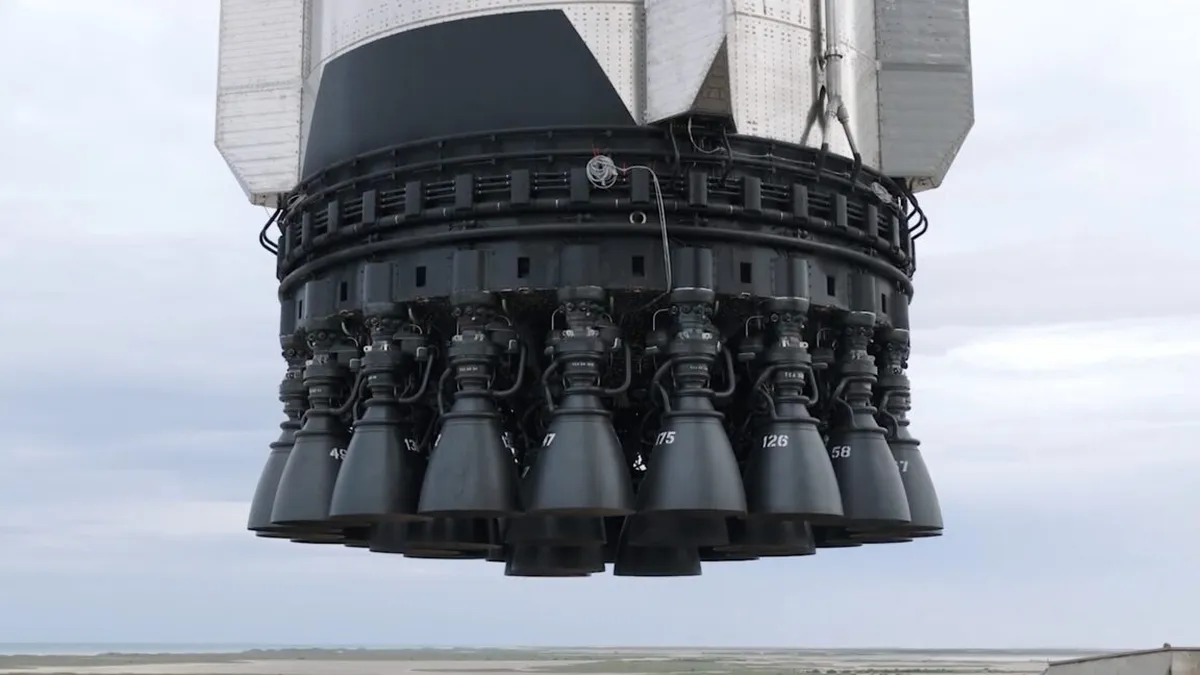
SpaceX's upcoming Starship test flight will push the boundaries of rocket technology while integrating real Starlink satellites. This mission is a pivotal step toward operational capabilities for both SpaceX's satellite network and future space exploration.
Related articles
Popular in Cloud Computing
- SK Hynix's Historic $26.5 Billion IPO: A New Era for Memory Chips
- Kubernetes and the Future of Desktop Infrastructure: A Paradigm Shift
- Amazon Expands Partnership with Nvidia, Tripling GPU Orders Amid AI Demand Surge
- Elon Musk's Evolving Relationship with Anthropic: A New Era for AI Hosting
- Emerging Rocket Launches: A New Era for Space Exploration