Airbound Secures $37M to Revolutionize Drone Delivery in India
Airbound, an Indian startup, has raised $37 million to develop a drone delivery network aimed at competing with traditional trucking. With innovative vertical-flight drones, Airbound seeks to transform logistics and healthcare transport in India.
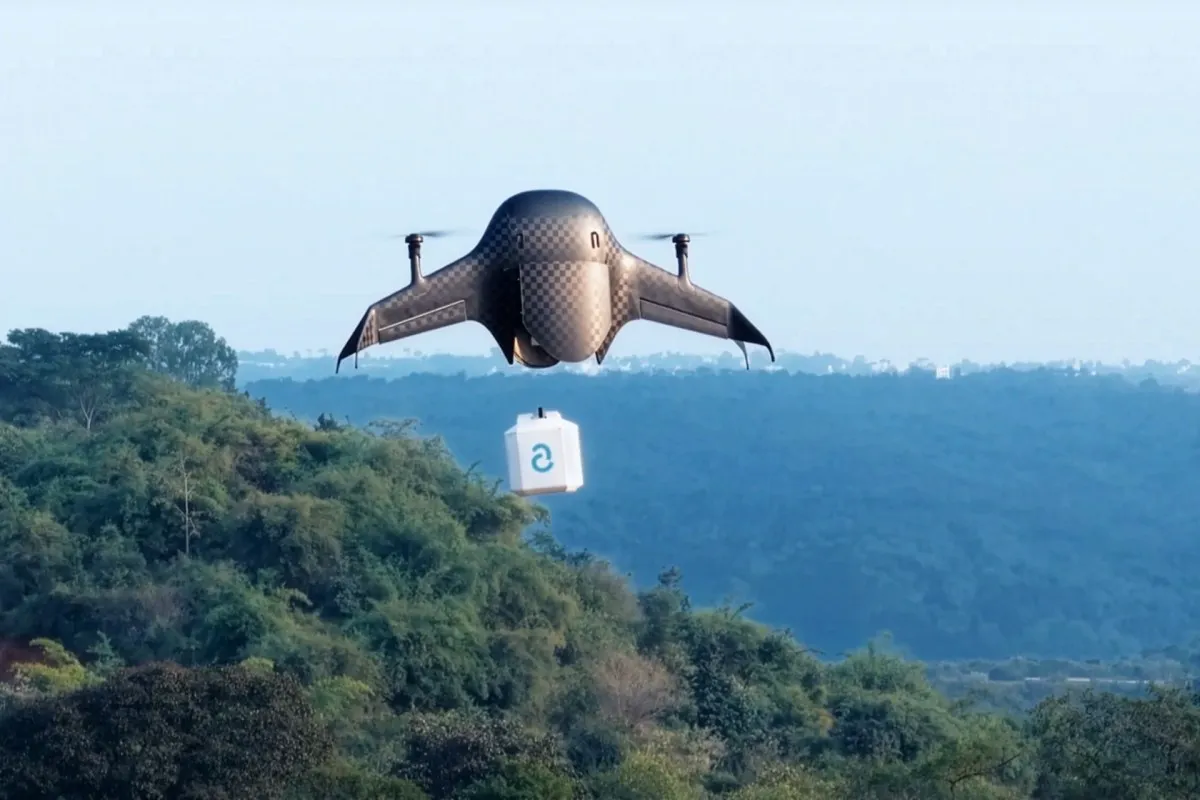
The logistics landscape is on the verge of a revolutionary transformation as Airbound, a startup from India, secures $37 million in Series A funding to develop autonomous drone technology aimed at disrupting traditional freight transport. With this new round of investment, the company aims to make aerial delivery not only a reality but also a cost-effective alternative to road-based trucking. This ambitious venture could redefine how goods are transported in India, providing faster and more efficient delivery options, particularly in healthcare and e-commerce.
Founded in 2023, Airbound is a young but determined player in the drone delivery space, having already raised nearly $50 million since its inception. The latest funding round was led by Greenoaks and included notable participants like DoorDash, Lightspeed, and Humba Ventures. The startup is racing against the clock to scale its operations and enhance its technology in a sector that has seen increased interest but remains largely untapped in terms of widespread implementation.
Innovative Drone Design: Aiming for Cost Parity with Trucks
Airbound's unique approach to drone design is a critical factor in its strategy to compete with conventional trucking. Traditional aircraft often consume a significant amount of energy just to carry their own weight rather than the cargo, making them expensive for transporting smaller loads. Airbound’s solution is to develop a lightweight, vertical-flight drone that weighs less than the payload it carries.
Key Specifications of Airbound's Drones
- Current Model (TRT): Weighs approximately 3.3 pounds and carries up to 2.2 pounds of cargo.
- Next Version: Expected to weigh around 6.6 pounds with a payload capacity of up to 11 pounds.
- Design: Rocket-like tail-sitter that allows for vertical takeoff and landing (VTOL), transitioning to horizontal flight.
These innovations aim to reduce operational costs significantly, allowing Airbound to achieve cost parity with traditional trucking. Founder and CEO Naman Pushp envisions a future where drone delivery is not only feasible but economically viable for a wide range of goods.
Success in Health Logistics: A Model for Expansion
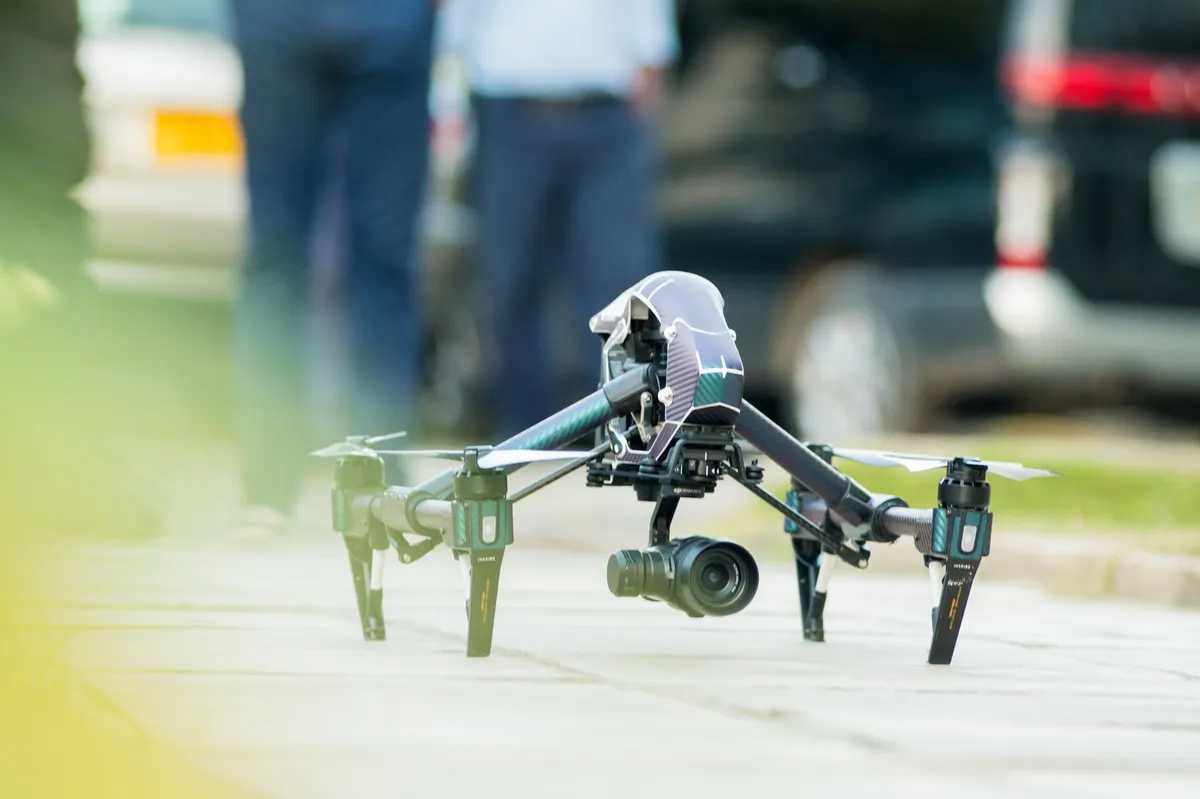
Airbound has already demonstrated the potential of its technology through successful partnerships, notably with Narayana Health, a prominent hospital network in India. The startup has completed over 13,000 autonomous flights, transporting diagnostic samples between healthcare facilities. In one striking example, a drone can cover a distance of about 2.5 miles in just seven minutes, a task that could take a truck three to five hours when waiting for enough samples to warrant a road trip.
Impact on Healthcare
This capability not only speeds up the delivery of critical medical supplies but also alleviates the burden on ground transportation, which is often hampered by traffic and logistical delays. The partnership with Narayana Health is expanding, particularly as new healthcare facilities are being designed with a reliance on drone logistics instead of traditional on-site labs.
As Airbound looks to broaden its reach, it has signed an agreement with the Andhra Pradesh government to develop a comprehensive drone delivery network that will eventually connect three cities and support a target of 10,000 flights per day. This ambitious plan requires a fleet of between 250 and 1,000 drones, depending on the distances involved.
Challenges Ahead: Regulatory Hurdles and Market Competition
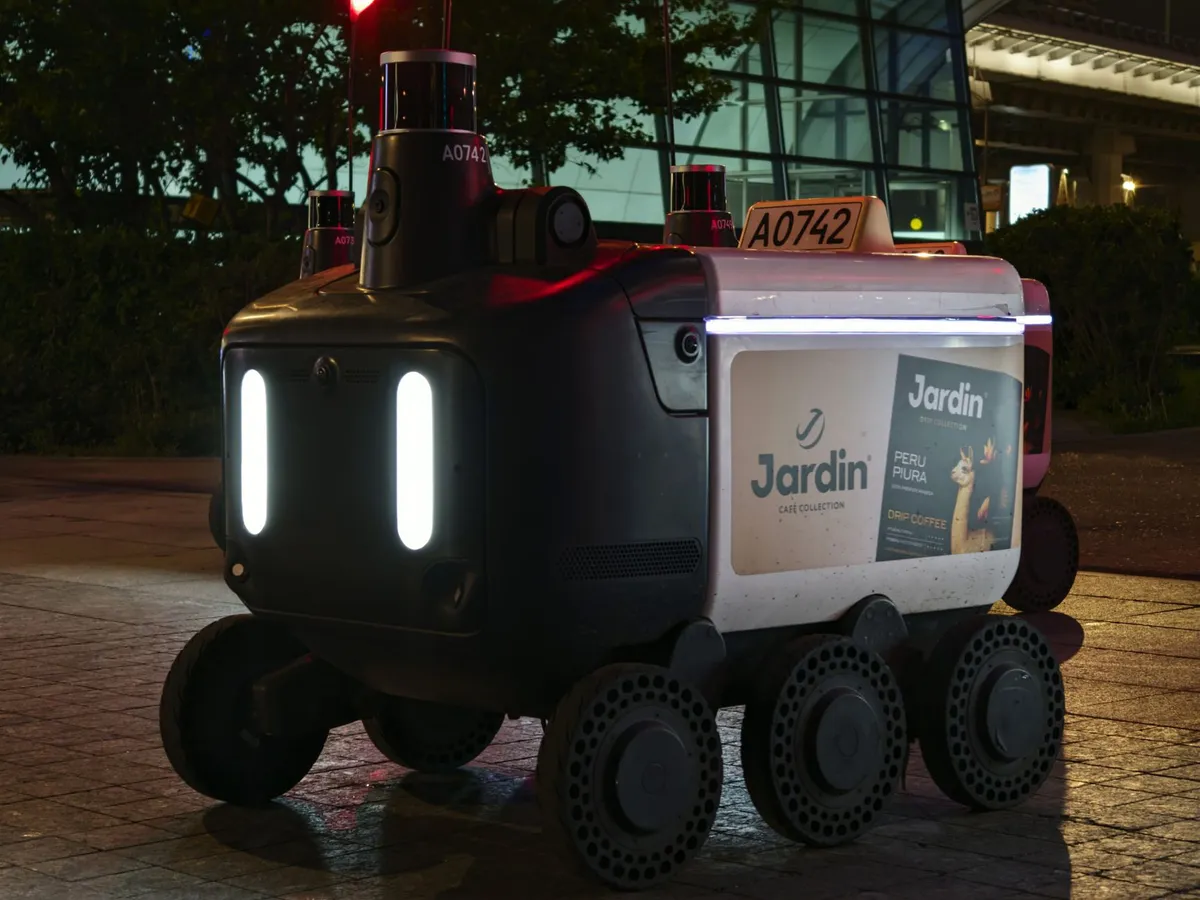
Despite its promising technology and growing partnerships, Airbound faces significant challenges, particularly in regulatory approval. Navigating the complex landscape of drone regulations, especially concerning beyond visual line of sight (BVLOS) operations, is crucial for scaling up their delivery network. These certifications are essential for the operational viability of widespread drone usage and can often prolong the time it takes for startups to realize commercial revenues.
In the current landscape, Airbound is not alone. Other Indian startups like Skye Air Mobility and TSAW Drones are also vying for a share of the aerial logistics market, which is becoming increasingly competitive. However, Pushp emphasizes that Airbound's focus is not merely on becoming a leading delivery operator but rather on developing aircraft that can be utilized by various logistics networks—akin to Boeing's role in aviation.

Future Projections: Aiming for Growth
With a team of over 150 employees, Airbound is positioning itself for long-term growth. Although the startup is currently pre-revenue, its CEO suggests that the focus is on building a robust infrastructure and technological foundation rather than immediate financial returns. This outlook indicates a strategic vision aimed at establishing Airbound as a leader in drone logistics over the next few decades.
As the company continues to innovate and refine its operational capabilities, it remains committed to integrating its drones into existing logistics frameworks, thereby enhancing efficiency and speed across multiple sectors.
Key Takeaways
- Funding Success: Airbound has raised $37 million in Series A funding, totaling nearly $50 million since its inception.
- Drone Efficiency: The startup's drones aim to achieve cost parity with traditional trucking, utilizing lightweight designs for economical delivery.
- Healthcare Focus: Successful partnerships in healthcare logistics demonstrate the practical applications of Airbound's technology.
- Regulatory Hurdles: Navigating regulatory approvals for BVLOS operations remains a significant challenge for scaling operations.
- Long-term Vision: Airbound is focused on building a sustainable drone delivery network rather than immediate revenue generation.
Frequently Asked Questions
What makes Airbound's drones different from traditional delivery vehicles?
Airbound's drones utilize a vertical takeoff and landing (VTOL) design that allows them to be lightweight and efficient, significantly reducing the energy required to transport smaller loads compared to traditional delivery trucks. By focusing on a design that prioritizes the payload over the aircraft's weight, Airbound aims to lower operational costs and expedite delivery times.
How does Airbound plan to scale its drone operations?
Airbound has plans to expand its operations through partnerships with various sectors, especially in healthcare. The company has signed an agreement with the Andhra Pradesh government to establish a drone delivery network targeting 10,000 flights daily. This will require a fleet of drones optimized for specific routes, allowing for efficient logistics across urban and rural areas.
What are the regulatory challenges Airbound faces?
Airbound must navigate complex regulations concerning drone operations, particularly regarding beyond visual line of sight (BVLOS) flights. Securing the necessary certifications is crucial for the expansion of their delivery network and is currently a bottleneck for scaling their business effectively.
What is Airbound's long-term vision?
Airbound envisions itself as a key player in the drone logistics market, focusing on developing aircraft that can be integrated into various logistics networks. Rather than solely operating as a delivery service, Airbound aims to become a manufacturer of the aircraft that others rely on for aerial logistics, similar to Boeing's role in aviation.
Comments
Donald Trump Invests in SpaceX Shares Post IPO: What It Means
President Donald Trump recently acquired SpaceX shares valued at up to $50,000 following the company's record-setting IPO. This move raises questions about the implications for both the space industry and Trump's financial interests.

Related articles



Popular in Cloud Computing
- SK Hynix's Historic $26.5 Billion IPO: A New Era for Memory Chips
- Kubernetes and the Future of Desktop Infrastructure: A Paradigm Shift
- Amazon Expands Partnership with Nvidia, Tripling GPU Orders Amid AI Demand Surge
- Elon Musk's Evolving Relationship with Anthropic: A New Era for AI Hosting
- Emerging Rocket Launches: A New Era for Space Exploration