Waymo's Custom Chip: A Leap Towards Profitable Robotaxis
Waymo is redefining the landscape of autonomous transport with its custom silicon chip, aimed at enhancing the efficiency and performance of its robotaxis. As the company expands its fleet, understanding the technological advancements behind this innovation is crucial for stakeholders in the mobility sector.
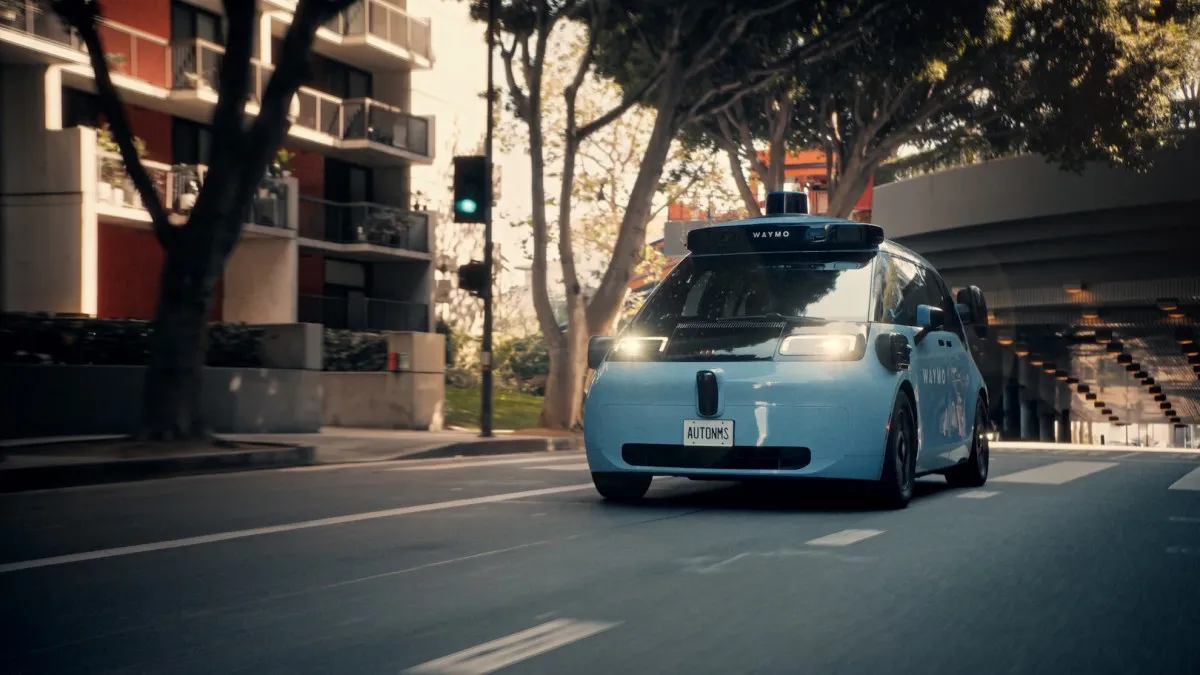
Waymo, a frontrunner in the autonomous vehicle sector, is making headlines not just for its rapid expansion but also for its innovative technological advancements. The recent unveiling of its custom silicon chip, specifically designed for its next-generation robotaxis, signifies a pivotal moment in the quest for safe, efficient, and profitable self-driving vehicles. As Waymo opens its Ojai robotaxi service to riders in major cities like Los Angeles, Phoenix, and San Francisco, the implications of this technology become increasingly significant for the future of urban mobility.
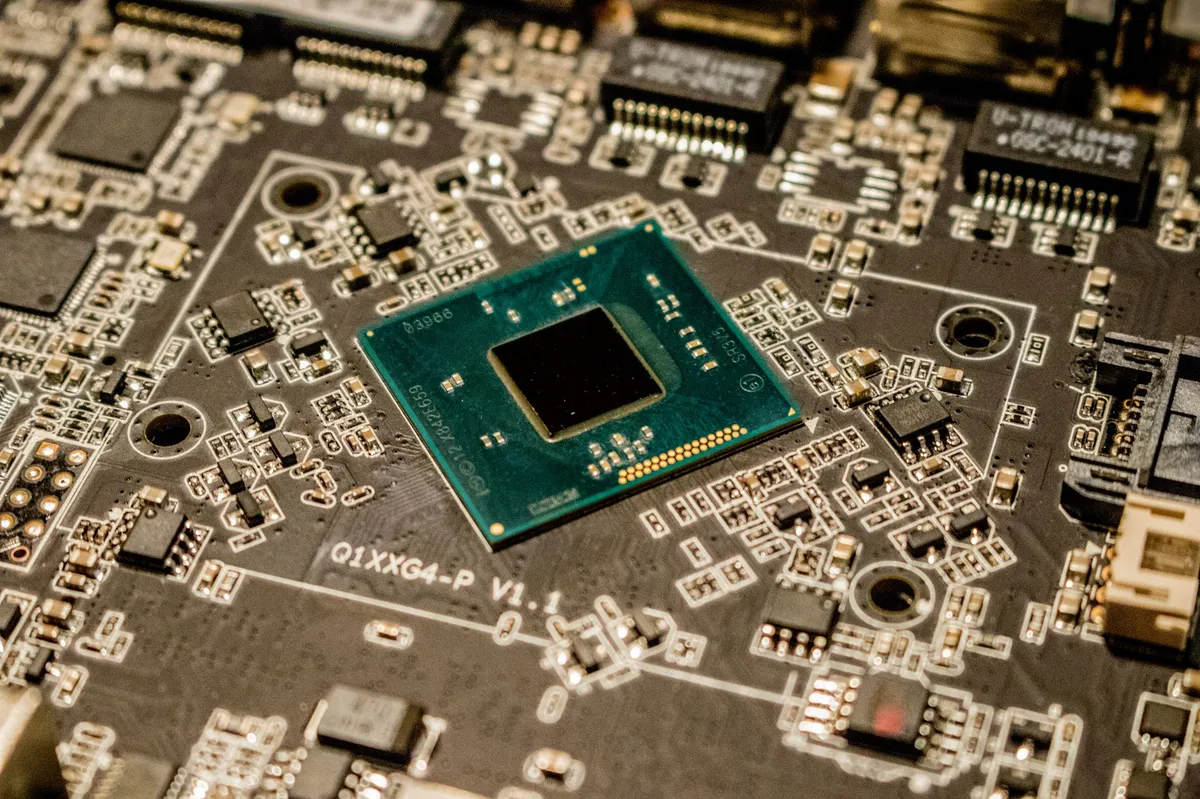
The custom chip, a 5 nm application-specific integrated circuit (ASIC), promises to process vast amounts of data with unprecedented efficiency. It is engineered to handle the extensive data generated by the Ojai’s 13 high-fidelity cameras, enabling the vehicle to navigate complex urban environments more effectively. With over 1,000 trillion operations per second (TOPS) of computing performance, this chip positions Waymo at the forefront of autonomous vehicle technology, potentially rivaling other industry giants like Nvidia.

Understanding the Importance of Custom Silicon in Autonomous Vehicles
Waymo's investment in custom silicon is more than just a technological upgrade; it reflects a broader trend in the automotive industry towards vertical integration. By developing its own chip, Waymo gains greater control over the performance and efficiency of its systems, which is critical for ensuring safety and reliability in autonomous driving.
The Role of Data Processing in Autonomous Driving
In autonomous vehicles, the ability to rapidly process data from various sensors is paramount. The Waymo Ojai's custom chip allows for real-time data analysis, enabling the vehicle to make quick decisions in high-density environments, such as busy city streets. This capability is essential in preventing accidents and ensuring passenger safety, making it a cornerstone of Waymo’s business model as it strives for profitability.
The Competitive Landscape of Autonomous Technologies
Waymo's announcement comes at a time when competition in the autonomous vehicle space is intensifying. Other companies, including Tesla, Aurora, and General Motors, are also investing heavily in self-driving technologies. Each is racing to develop systems that are not only safe but also cost-effective to operate.
- Waymo: Focused on vertical integration and custom hardware.
- Tesla: Known for its advanced software-driven approach to autonomous driving.
- Aurora: Collaborating with major automotive manufacturers to deploy self-driving technology.
- General Motors: Investing in its Cruise subsidiary to expand autonomous vehicle offerings.
Partnerships and Collaborations
Waymo's success is also attributed to its strategic partnerships with technology leaders such as AMD, Micron, Samsung, and TSMC. These collaborations enhance its chip development capabilities, ensuring that the Ojai robotaxi can leverage cutting-edge technology for optimal performance. This ecosystem of partnerships is crucial for accelerating innovation and maintaining a competitive edge in a rapidly evolving market.
Regulatory Challenges and Market Implications
As Waymo expands its operations, it faces regulatory scrutiny, particularly regarding safety and compliance. The company is currently under investigation by the National Highway Traffic Safety Administration (NHTSA) following an incident involving a robotaxi and a child. Such challenges highlight the need for robust safety protocols and transparent communication with regulators and the public.
The Future of Robotaxi Services
The deployment of up to 8,000 robotaxis across Clark County, Nevada, represents a significant milestone for Waymo. This ambitious plan not only aims to enhance urban mobility but also tests the scalability of autonomous vehicle technology in real-world environments. If successful, it could pave the way for broader adoption of robotaxi services in other metropolitan areas.
Investment Trends and the Path to Profitability
Despite its technological advancements, Waymo has yet to turn a profit, a concern shared by many in the autonomous vehicle space. The high costs associated with developing and deploying self-driving technology pose challenges for sustainability. However, with initiatives like the custom chip and the expansion of the Ojai service, Waymo is positioning itself to improve operational efficiency, which is vital for achieving profitability in the long term.

Key Takeaways
- Waymo's custom chip: A 5 nm ASIC designed for high-performance data processing in autonomous vehicles.
- Vertical integration: By developing its own hardware, Waymo enhances control over its technology and operational costs.
- Strategic partnerships: Collaborations with tech giants bolster Waymo's capabilities in chip design and development.
- Regulatory landscape: Ongoing scrutiny highlights the importance of safety in the deployment of autonomous vehicles.
- Path to profitability: Increased efficiency and expansion efforts are critical for Waymo's financial sustainability.
Frequently Asked Questions
What is Waymo's custom chip designed to do?
Waymo's custom chip is engineered to process vast amounts of data generated by its autonomous vehicles' sensors in real-time. This technology enhances the vehicle's ability to navigate complex urban environments safely and efficiently, making it a crucial component of their self-driving systems.
How does Waymo's approach compare to other companies in the autonomous vehicle sector?
Waymo's focus on developing custom silicon sets it apart from competitors like Tesla, which relies heavily on software for its autonomous capabilities. By vertically integrating hardware and software, Waymo aims to improve performance and operational efficiency, which are essential for scaling its services profitably.
What challenges does Waymo face in deploying its robotaxis?
Waymo encounters several challenges, including regulatory scrutiny regarding safety and compliance, as well as the high costs associated with developing and scaling autonomous technology. Ongoing incidents, such as the investigation by the NHTSA, underscore the importance of maintaining rigorous safety protocols and transparent communication with regulators.
What are the implications of Waymo's expansion in Nevada?
The planned deployment of up to 8,000 robotaxis in Clark County represents a significant step in testing the viability of autonomous vehicles in urban settings. This expansion could have far-reaching implications for public transportation and urban mobility, potentially influencing how cities adopt and integrate self-driving technology in the future.
Comments
Donald Trump Invests in SpaceX Shares Post IPO: What It Means
President Donald Trump recently acquired SpaceX shares valued at up to $50,000 following the company's record-setting IPO. This move raises questions about the implications for both the space industry and Trump's financial interests.

Related articles




Popular in Cloud Computing
- SK Hynix's Historic $26.5 Billion IPO: A New Era for Memory Chips
- Kubernetes and the Future of Desktop Infrastructure: A Paradigm Shift
- Amazon Expands Partnership with Nvidia, Tripling GPU Orders Amid AI Demand Surge
- Elon Musk's Evolving Relationship with Anthropic: A New Era for AI Hosting
- Emerging Rocket Launches: A New Era for Space Exploration