China's Chang’e 7 Moon Mission Delayed: Implications and Future Prospects
China has postponed its Chang’e 7 lunar mission to 2027, citing the need for absolute success. This delay has significant implications for lunar exploration and the strategic race between China and the U.S. over the Moon's South Pole.
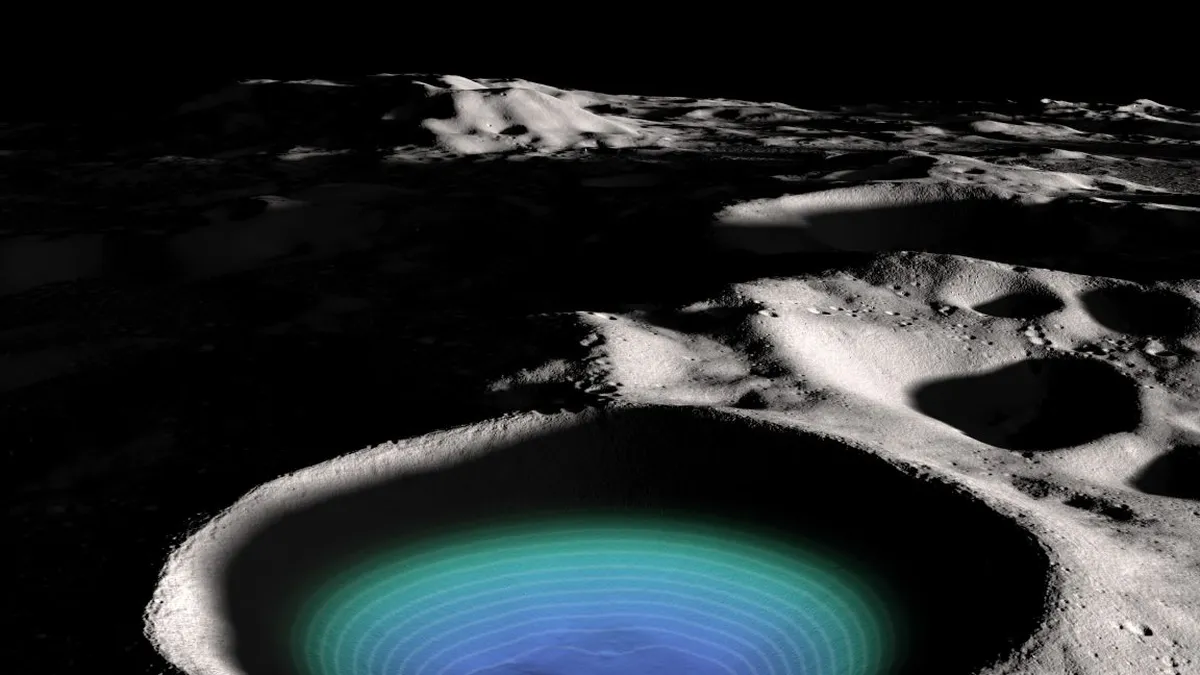
In a significant turn of events, China's Chang’e 7 lunar exploration mission has been delayed until 2027. This decision, announced by the China National Space Administration (CNSA), reflects the agency's commitment to ensuring absolute success for the mission, which aims to land near the Moon's South Pole. Originally scheduled for launch this year, the Chang’e 7 mission will now wait for a more opportune moment to embark on its ambitious journey.
The announcement comes amid concerns about weather conditions, particularly due to Typhoon Narra, which has impacted launch windows. While the official reasons for the delay remain vague, the implications are profound, not only for China’s lunar ambitions but also for the ongoing space race with the United States.
Understanding the Chang’e 7 Mission
The Chang’e 7 mission is a cornerstone of China's lunar exploration strategy, comprising a lunar orbiter, lander, rover, and a mini-hopper probe. These components are designed to conduct detailed reconnaissance of the Moon's South Pole, focusing particularly on Shackleton Crater, a region of immense scientific interest due to its permanently shadowed areas that may harbor water ice and other resources.
The Importance of Shackleton Crater
Shackleton Crater presents a unique opportunity for exploration. The area is believed to contain “cold traps,” regions where water ice has been preserved for billions of years. The successful identification and extraction of these resources could provide critical insights for future human missions and potential long-term habitation on the Moon. This makes the Chang’e 7 mission not just a scientific endeavor but a strategic one in the context of lunar colonization.
Weather Challenges and Launch Windows
The immediate cause of the delay appears to be adverse weather conditions related to Typhoon Narra, which has created hazardous conditions around the Wenchang Space Launch Site on Hainan Island. According to the Joint Typhoon Warning Center, the storm will linger in the area, making it unlikely for the launch to proceed within the current window.
Launch windows for lunar missions are tightly constrained by a combination of factors, including the position of the Earth and Moon, sunlight availability in targeted landing zones, and the complex requirements of the mission trajectory. The Chang’e 7 mission requires a 90-day lunar orbit reconnaissance before landing, further complicating the scheduling.
The Broader Context: The Space Race and Future Missions
The delay of Chang’e 7 is more than a setback for China's lunar ambitions; it has broader implications for the geopolitical landscape of space exploration. As China and the United States vie for dominance in lunar exploration, the timing of missions will be critical. NASA’s Artemis program aims to establish a sustainable presence on the Moon by the end of the decade, and the success of its upcoming missions could set the stage for future lunar colonization efforts.
China's Chang’e missions have been viewed as a response to the accelerating pace of NASA's initiatives. The U.S. is also preparing to launch its Blue Moon lander, which is intended to carry NASA probes to the Moon's South Pole, potentially giving the U.S. a leg up if it reaches the targeted area before the Chang’e 7 mission can launch.
Technical Considerations and Risks
While weather has played a significant role in the delay, there are always technical risks associated with such complex missions. For instance, the Long March 5 rocket, which is set to carry the Chang’e 7 payload, has faced scrutiny following a recent failure of a related vehicle. Although there are no confirmed reports of technical issues with the Chang’e 7 mission, the possibility remains that late-stage technical evaluations could delay the mission further.
Strategic Implications of the Delay
The ramifications of this delay extend beyond immediate logistics. The South Pole of the Moon is becoming a focal point for international lunar exploration, and the competition to establish a foothold there is intensifying. Both China and the U.S. recognize the strategic value of lunar resources, including water ice and rare minerals, which could support future lunar bases and provide insights into the solar system's history.
The Chang’e 7 delay could allow NASA to potentially capitalize on a strategic advantage. If the U.S. can successfully launch its Blue Moon lander and complete its missions before Chang’e 7, it may solidify its leadership in lunar exploration.
- Chang’e 7 Mission: Aims to explore Shackleton Crater at the Moon's South Pole.
- Weather Delay: Caused by Typhoon Narra, impacting launch schedules.
- Space Race: Intensifying competition between China and the U.S. for lunar exploration.
- Future Prospects: Potential for NASA to launch a mission to the lunar South Pole before Chang’e 7.
Key Takeaways
- China's Chang’e 7 lunar mission has been postponed to 2027 due to adverse weather conditions and the need for absolute mission success.
- The mission is crucial for exploring resources in Shackleton Crater, which could support future lunar habitation.
- The delay has strategic implications in the ongoing space race between China and the U.S., with both countries vying for dominance at the lunar South Pole.
- Weather and technical evaluations continue to be significant factors in mission planning for complex space exploration initiatives.
Frequently Asked Questions
What is the Chang’e 7 mission, and why is it important?
The Chang’e 7 mission is part of China's lunar exploration program, aiming to land near Shackleton Crater at the Moon's South Pole. This region is of particular interest because it could contain water ice and other resources that are essential for future lunar exploration and potential colonization. The mission will involve an orbiter, a lander, a rover, and a mini-hopper probe to conduct comprehensive studies of this lunar area.
How does weather affect space launches?
Weather plays a crucial role in the safety and success of space launches. Factors such as wind speeds, cloud cover, and precipitation can all influence whether a launch can proceed. In the case of the Chang’e 7 mission, Typhoon Narra created hazardous conditions at the launch site, leading to the postponement of the mission. Launch windows are carefully calculated to ensure optimal conditions, and adverse weather can easily disrupt these plans.
What are the implications of the space race between China and the U.S.?
The space race between China and the U.S. has significant geopolitical implications, particularly concerning resource acquisition and technological supremacy. Both nations are investing heavily in lunar exploration, with the potential to establish bases on the Moon that could serve as launching points for deeper space missions. The competition is not just about scientific exploration but also about national pride and securing economic advantages in the future.
Comments
Donald Trump Invests in SpaceX Shares Post IPO: What It Means
President Donald Trump recently acquired SpaceX shares valued at up to $50,000 following the company's record-setting IPO. This move raises questions about the implications for both the space industry and Trump's financial interests.

Related articles




Popular in Cloud Computing
- SK Hynix's Historic $26.5 Billion IPO: A New Era for Memory Chips
- Kubernetes and the Future of Desktop Infrastructure: A Paradigm Shift
- Amazon Expands Partnership with Nvidia, Tripling GPU Orders Amid AI Demand Surge
- Elon Musk's Evolving Relationship with Anthropic: A New Era for AI Hosting
- Emerging Rocket Launches: A New Era for Space Exploration