IBM's Revolutionary Mainframe Chip: A Dual-Architecture Breakthrough
IBM's latest mainframe chip uniquely combines Arm and Z workloads in a single architecture, paving the way for enhanced enterprise efficiency and AI integration.
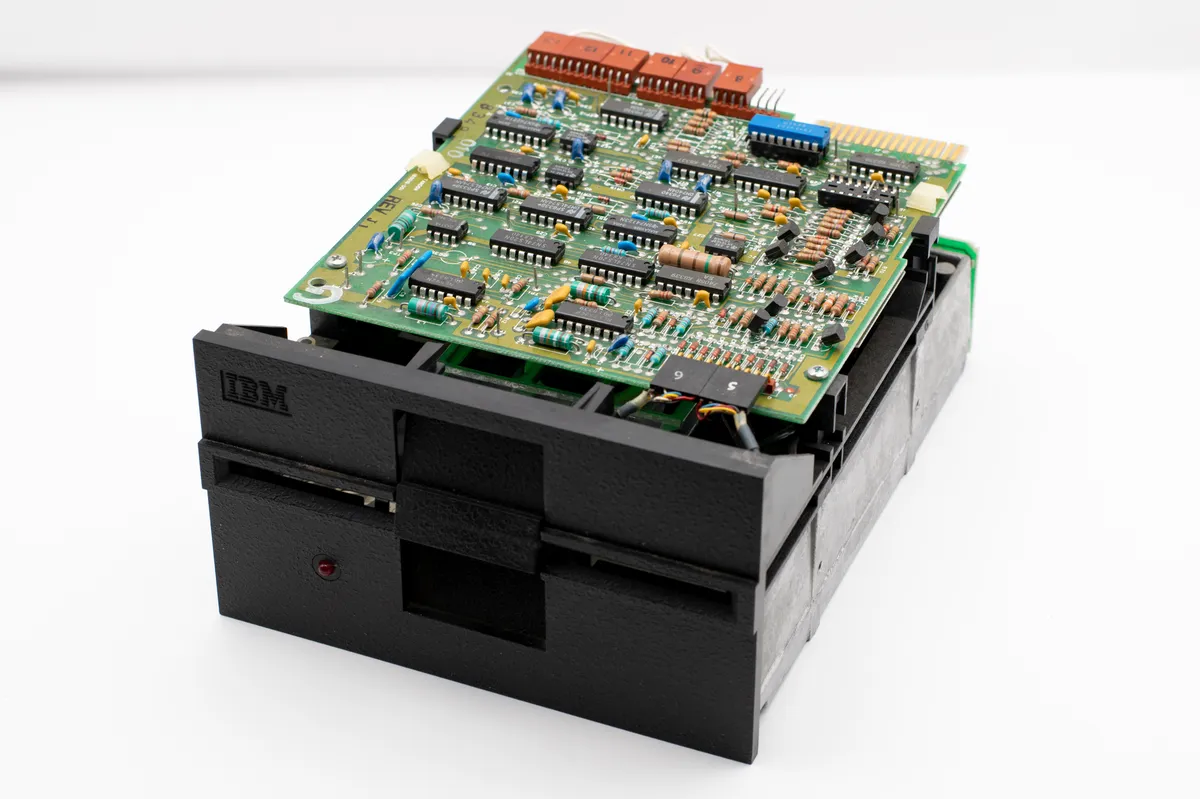
In a significant leap forward for mainframe architecture, IBM unveiled a next-generation chip at the Hot Chips conference, capable of running both Arm and IBM's Z workloads on the same cores. This groundbreaking technology is poised to reshape the landscape of enterprise computing by bridging the gap between traditional mission-critical systems and the burgeoning ecosystem of Arm-native applications, including essential AI frameworks. As organizations increasingly seek to integrate modern workloads into their operations, IBM’s dual-architecture chip offers a timely solution that promises to enhance performance and flexibility while maintaining the reliability that mainframes are known for.
The announcement, which marks a milestone in IBM's ongoing collaboration with Arm, comes at a time when enterprises are looking to harness the capabilities of AI and cloud-native applications alongside their existing transaction processing workloads. With the dual-architecture chip, organizations can run Linux software designed for Arm natively on their mainframe systems, eliminating the need for tedious and time-consuming software porting.
Revolutionizing Mainframe Architecture
IBM's new mainframe chip represents a paradigm shift in how processors handle workloads. Unlike traditional approaches that often involve adding separate cores for different architectures, IBM's innovative design allows all 11 cores of the chip to be bilingual, dynamically switching between Arm and Z software modes at lightning-fast speeds. According to IBM's engineering team, this switching process occurs in nanoseconds, allowing mission-critical enterprise applications to run seamlessly alongside Arm-native applications without any noticeable performance penalty.
Technical Innovations Driving Performance
What sets this chip apart is its ability to leverage the open-source KVM hypervisor, which enables the simultaneous execution of Arm64 Linux virtual machines and traditional z/OS workloads on the same hardware. This means that banks can run their core transaction systems while concurrently utilizing modern monitoring and fraud detection tools powered by Arm-native software. As IBM's Jacobi explained, the engineering decision to integrate the two architectures deeply into the system design was crucial: "We needed to ensure that the performance and service qualities our clients expect would not be compromised."
The Importance of Arm Compatibility
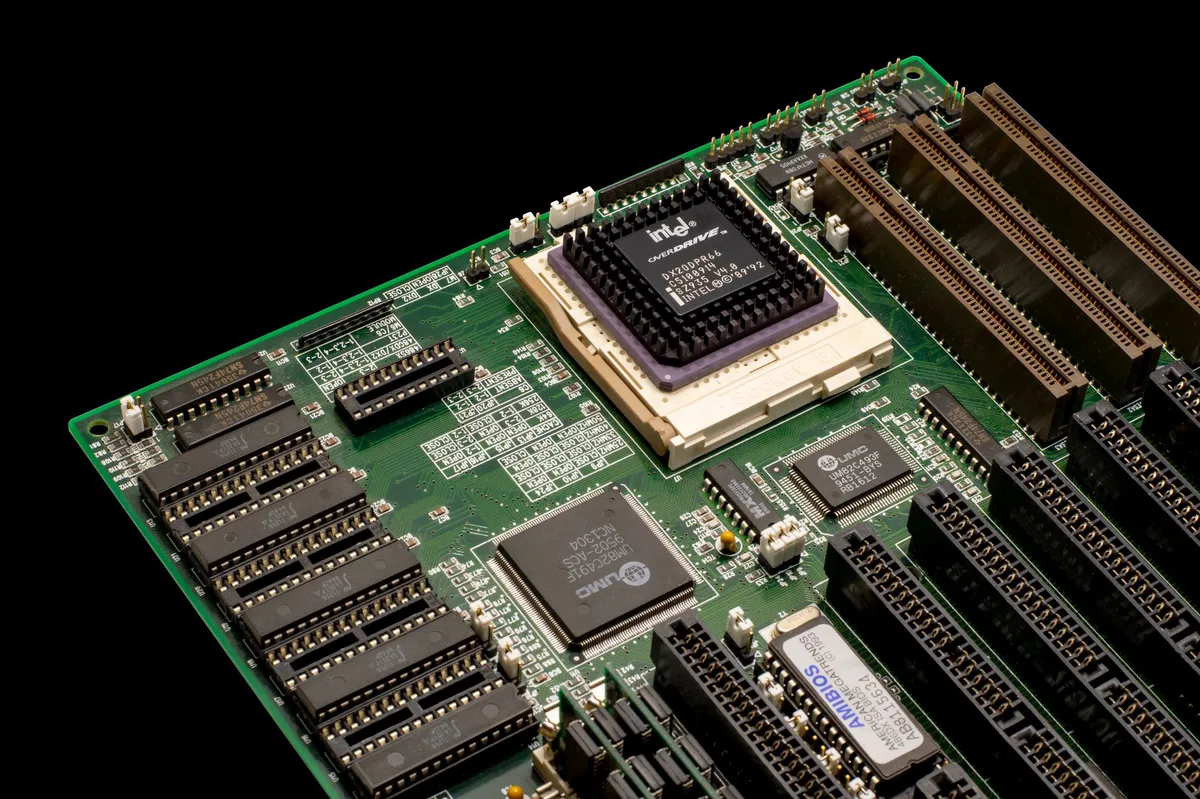
IBM's strategic choice to incorporate Arm architecture into its mainframe systems is driven by a desire to tap into a vast ecosystem of software development. Arm's architecture is increasingly preferred among developers, with more than 22 million developers worldwide contributing to its growing software library. With the rise of cloud computing and AI, it is estimated that nearly half of the compute resources shipped to hyperscalers in 2025 will be Arm-based. This shift underscores the urgent need for mainframe systems to adapt to modern software demands.
IBM's new chip is designed to run Arm Linux binaries without modification, making it easier for organizations to adopt and integrate new applications without extensive re-engineering. This compatibility is not just a theoretical promise; it is backed by a robust engineering partnership between IBM and Arm, ensuring that the implementation meets the same standards as any other Arm chip.
AI and the Future of Enterprise Computing
The launch of the next-generation mainframe chip coincides with IBM's introduction of the new Spyre AI accelerator, further emphasizing the integration of AI capabilities into enterprise workflows. This accelerator allows organizations to process large language models and engage in complex AI-ops workflows that can manage the system autonomously. With AI increasingly becoming a critical component of business operations, the ability to run AI workloads directly alongside core transaction processes on the mainframe is a game-changer.
Why AI Integration Matters
According to McKinsey's recent State of AI survey, while 88% of organizations are currently using AI in some capacity, only a small fraction have scaled it across their entire operations. By integrating AI capabilities directly into mainframe systems, IBM enables organizations in regulated industries—such as finance and healthcare—to leverage AI where their data resides, thereby streamlining processes and enhancing the accuracy of decision-making.

Timeline for Deployment and Implications for Existing Customers
While the excitement surrounding the new chip is palpable, potential buyers will need to exercise patience. The chip is set to debut in the successor to IBM's z17, which was released in 2025, with a projected launch around 2028. IBM has made it clear that the development process is well underway, and the new architecture is not merely a concept but a fully realized project.
For organizations already invested in IBM's mainframe technology, concerns about the implications of adopting Arm architecture are understandable. However, IBM executives have reassured clients that this dual-architecture approach is not a signal of a decline for traditional Z architecture. Instead, they view it as an evolution—an opportunity to enhance their existing systems while continuing to innovate in mainframe technology. As Tarquinio stated, "This is a big and. It is not an or." IBM's roadmap for the next decade includes both traditional and new architectures, ensuring that current customers can transition smoothly into this new era of computing.
Key Takeaways
- Dual-Architecture Innovation: IBM's new mainframe chip can run both Arm and Z workloads on the same cores, enhancing operational flexibility.
- Speedy Switching: The chip's cores can switch between architectures in nanoseconds, ensuring zero performance penalties.
- Seamless AI Integration: The introduction of AI capabilities alongside core transaction processes allows enterprises to harness AI effectively.
- Strategic Partnerships: IBM's collaboration with Arm enables significant software compatibility, making integration easier for enterprises.
- Future-Proofing: IBM's roadmap ensures that traditional architectures will coexist with new innovations, maintaining stability for existing customers.
Frequently Asked Questions
What are the main benefits of IBM's new dual-architecture chip?
The primary advantages of IBM's dual-architecture chip include enhanced operational flexibility, the ability to run Arm-native applications seamlessly alongside traditional mainframe workloads, and the integration of AI capabilities. This approach allows organizations to leverage a broad ecosystem of software while ensuring the reliability and performance expected from IBM's mainframe systems.
How does the switching mechanism between Arm and Z workloads work?
The switching mechanism relies on the open-source KVM hypervisor, which enables the chip's cores to dynamically switch between Arm and Z software modes in nanoseconds. This allows enterprises to run both types of workloads concurrently, ensuring that performance remains unaffected while maximizing resource efficiency.
When can we expect to see the new chip in action?
The new chip is expected to debut in the successor to IBM's z17, projected to launch around 2028. Although the timeline may seem distant, IBM has confirmed that development is already in progress, and further details will be released leading up to the launch.
Will existing IBM customers need to worry about transitioning to the new architecture?
No, existing IBM customers should not be concerned about the transition to the new architecture. IBM has emphasized that this dual-architecture approach is designed to coexist with traditional Z architecture, ensuring that current customers can continue to operate their systems while benefiting from future innovations in mainframe technology.
Comments
Donald Trump Invests in SpaceX Shares Post IPO: What It Means
President Donald Trump recently acquired SpaceX shares valued at up to $50,000 following the company's record-setting IPO. This move raises questions about the implications for both the space industry and Trump's financial interests.

Related articles





Popular in Cloud Computing
- SK Hynix's Historic $26.5 Billion IPO: A New Era for Memory Chips
- Kubernetes and the Future of Desktop Infrastructure: A Paradigm Shift
- Amazon Expands Partnership with Nvidia, Tripling GPU Orders Amid AI Demand Surge
- Elon Musk's Evolving Relationship with Anthropic: A New Era for AI Hosting
- Emerging Rocket Launches: A New Era for Space Exploration