SpaceX's Orbital Data Centers: E-Waste and Environmental Implications
Elon Musk's vision for a million satellite data centers in orbit raises significant concerns about e-waste and material sustainability. Explore the implications of this ambitious plan and its potential impact on Earth's environment.

In a world increasingly reliant on technology, the vision of orbital data centers proposed by SpaceX's Elon Musk offers a glimpse into the future of computing. However, as captivating as this concept may be, it raises significant concerns regarding environmental sustainability and the creation of a new category of electronic waste (e-waste). With plans for a megaconstellation of satellites designed to handle artificial intelligence (AI) computations, the implications on material sustainability and Earth's ecological balance cannot be overlooked.
The idea of deploying a million AI data center satellites in low-Earth orbit represents a major leap in technological ambition. However, it also introduces a host of problems related to e-waste generation, resource depletion, and environmental degradation. As we delve into the details of this initiative, it becomes clear that while the technology may be groundbreaking, the environmental costs could be staggering.
The Vision: A Million Satellites in Orbit
SpaceX's proposal for a constellation of AI data centers in orbit is ambitious, aiming to establish a network capable of processing vast amounts of data. The plan calls for up to a million satellites, each equipped with powerful GPUs (graphics processing units) to handle AI workloads. However, the practicality and long-term sustainability of such a project are in question.
The Scale of E-Waste
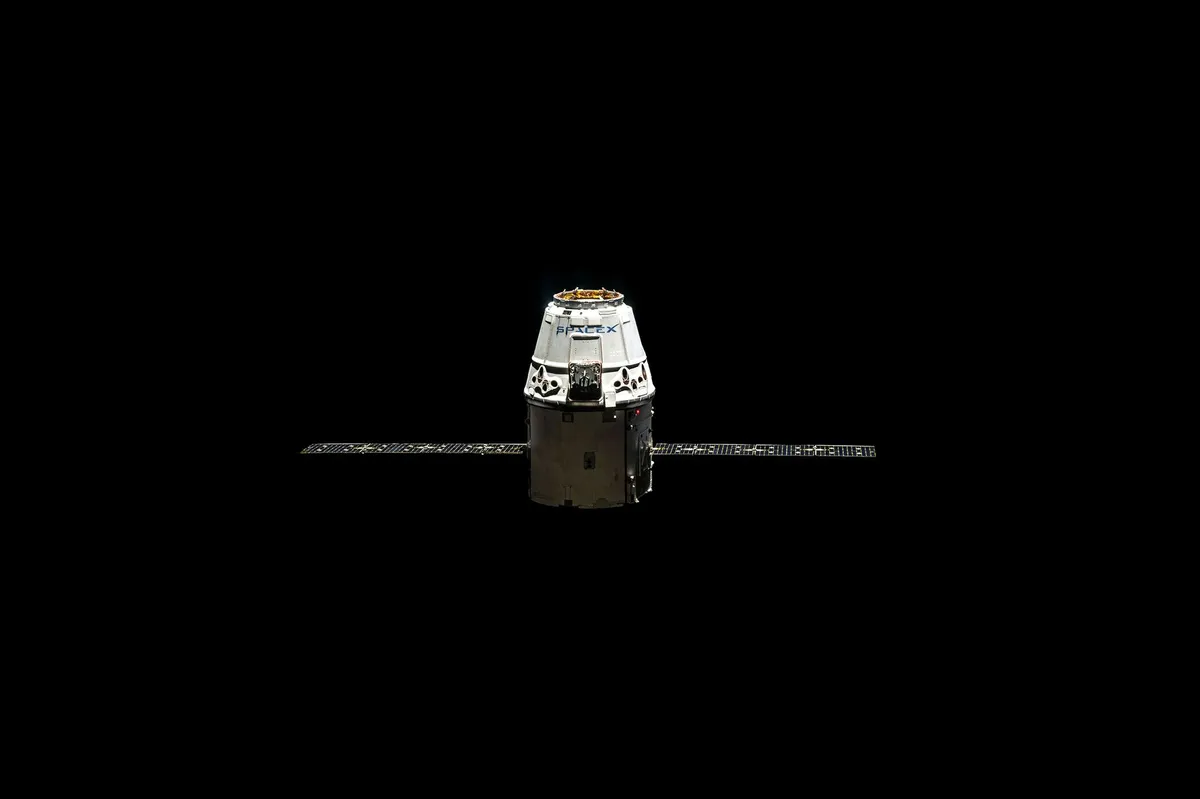
Data center GPUs typically have an operational lifespan of around five years. Given SpaceX’s projection, approximately 200,000 of the proposed satellites would be decommissioned annually, leading to substantial e-waste generation. According to their filing with the Federal Communications Commission (FCC), about 40,000 of these satellites would be expected to deorbit and disintegrate upon reentry into the Earth's atmosphere. This scenario raises a critical environmental concern: what happens to the materials that are vaporized or dispersed throughout the atmosphere?
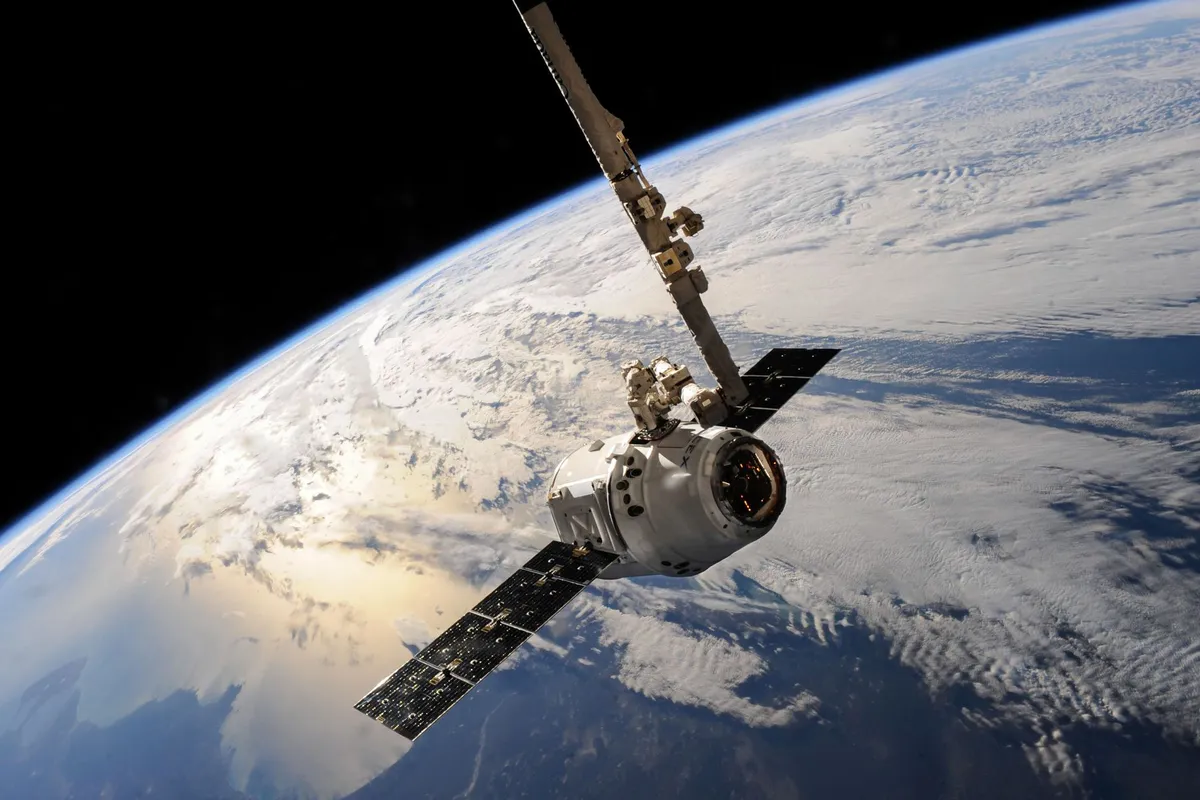
As these satellites burn up, the materials they contain—including metals like aluminum and copper—could contribute to atmospheric pollution and potentially deplete the ozone layer over time. The sheer volume of materials lost in this process could be staggering, with significant quantities of valuable elements such as gold, silver, and palladium being ejected into space. Estimates suggest that every year, the equivalent of 1,000 tons of copper, 170 kilograms of gold, and nearly 2 tons of silver might be lost to the atmosphere or space.
Material Footprint and Its Implications
Calculating the material footprint of this satellite constellation reveals an alarming perspective on resource utilization. If we consider the materials primarily used in the GPUs, the implications become even more pronounced. Each SpaceX satellite reportedly utilizes a modified Nvidia Vera Rubin NVL72 rack, which houses 72 GPUs. While the exact specifications of these satellites are not publicly available, we can estimate the loss of valuable resources based on the components used in conventional GPUs.
Resource Recovery: A Reverse Asteroid Mining Scenario
Interestingly, the concept of extracting materials from asteroids has been a hot topic in the commercial space sector. Proponents of asteroid mining highlight the potential to recover precious metals and materials from celestial bodies. However, SpaceX’s venture into space-based data centers presents a reverse scenario: exporting valuable resources into space rather than recovering them. The sheer scale of materials lost could necessitate mining asteroids to replenish what has been ejected, a task that may not be economically viable.
- 1,000 tons of copper per year
- 170 kilograms of gold
- 2 tons of silver
- 76 kilograms of thallium
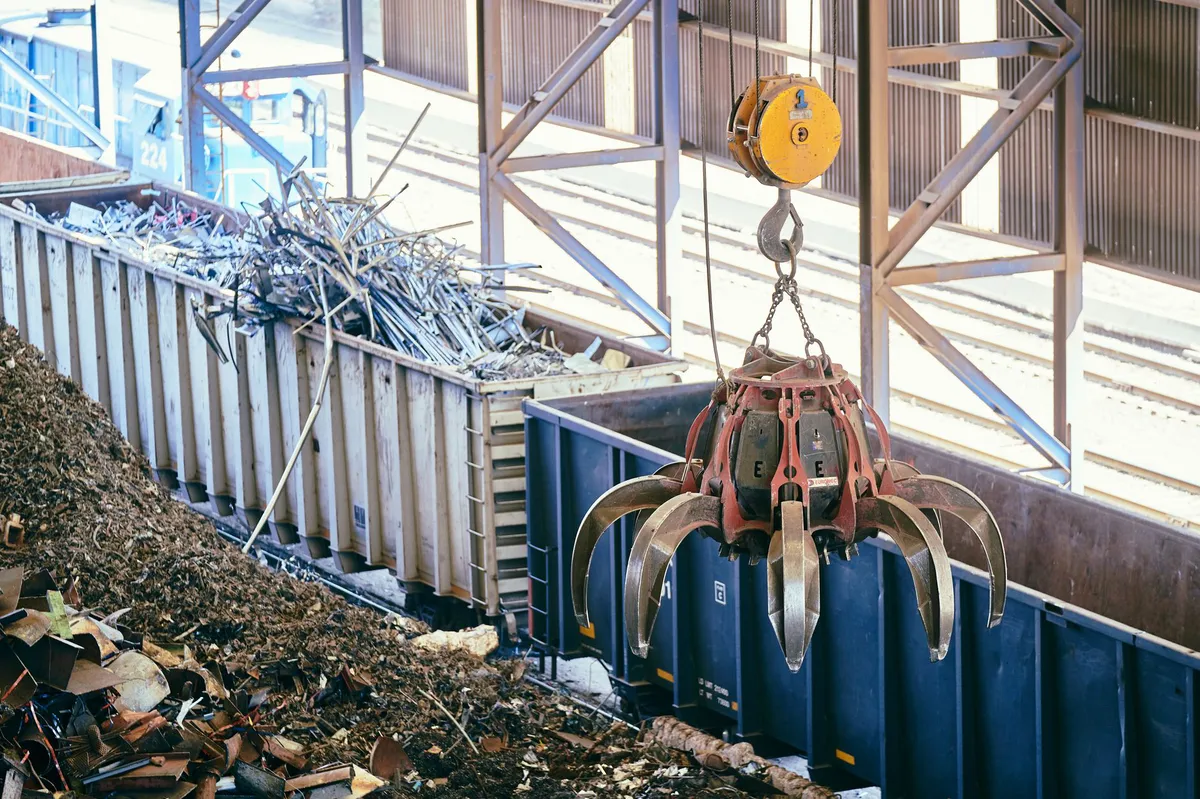
To put this into perspective, mining an asteroid to recover these amounts would require a body ranging from 16 to 190 meters in diameter, depending on the element in question. This raises significant questions about the feasibility of such endeavors and the long-term sustainability of our resource management.
Legal and Environmental Considerations
The environmental implications of deploying a massive satellite constellation extend beyond e-waste. As space becomes increasingly congested with satellites and debris, the legal framework surrounding space utilization and resource extraction necessitates serious consideration. Currently, no comprehensive regulatory framework exists to assess the environmental impact of launching such large-scale projects into orbit.
Future of Space Regulation
Will there come a time when space projects must undergo environmental reviews similar to those required on Earth? This question looms large as we consider the potential for space debris and the environmental repercussions of dispersing materials into the atmosphere. The conversation surrounding the legalities of mineral extraction from space is gaining momentum, but it must also encompass the environmental implications of space disposal.
As we envision the future of technology and space exploration, it’s crucial to align our ambitions with responsible environmental stewardship. The excitement surrounding innovations like orbital data centers should not eclipse the pressing need for sustainable practices in both terrestrial and extraterrestrial environments.
Key Takeaways
- SpaceX's plan for a million AI data center satellites raises significant e-waste concerns.
- Approximately 200,000 satellites may be decommissioned annually, leading to vast resource loss.
- The environmental impact of burning satellites in the atmosphere could contribute to pollution and ozone depletion.
- Current legal frameworks do not adequately address the environmental implications of large-scale space projects.
- Developing responsible practices in both space and Earth is vital for sustainable technology advancement.
Frequently Asked Questions
What are the environmental impacts of SpaceX's orbital data centers?
SpaceX's orbital data centers pose significant environmental risks, particularly concerning e-waste generation and atmospheric pollution. As satellites decommission and burn up, materials such as copper, aluminum, and precious metals are released into the atmosphere, potentially contributing to pollution and disrupting the ozone layer.
How does the concept of asteroid mining relate to SpaceX's plans?
Asteroid mining involves recovering valuable resources from celestial bodies, an idea that contrasts sharply with SpaceX's plans to export materials into space via its satellite constellation. The scale of materials lost could necessitate asteroid mining to replenish what has been ejected, although the feasibility of such operations remains questionable.
What legal considerations are there for space projects?
The legal framework governing space projects is currently inadequate to address the environmental impacts of large-scale initiatives like SpaceX's satellite constellation. As space becomes increasingly congested, the need for comprehensive regulations that encompass both the environmental and legal implications of such projects is becoming more urgent.
How can we ensure sustainable practices in space exploration?
Ensuring sustainable practices in space exploration requires a combination of responsible resource management, effective regulatory frameworks, and a commitment to minimizing environmental impacts. As technology advances, it’s essential to align ambitions with sustainable practices both in space and on Earth to safeguard our planet's future.
Comments
Starcloud Secures $250 Million to Propel Orbital Data Center Innovations
Starcloud has raised $250 million in funding to enhance its orbital data center capabilities, as launch options for satellites become increasingly scarce. This funding will support the development of its Starcloud-3 spacecraft, aiming to revolutionize data processing in space.

Related articles


Popular in Cloud Computing
- SK Hynix's Historic $26.5 Billion IPO: A New Era for Memory Chips
- Kubernetes and the Future of Desktop Infrastructure: A Paradigm Shift
- Amazon Expands Partnership with Nvidia, Tripling GPU Orders Amid AI Demand Surge
- Elon Musk's Evolving Relationship with Anthropic: A New Era for AI Hosting
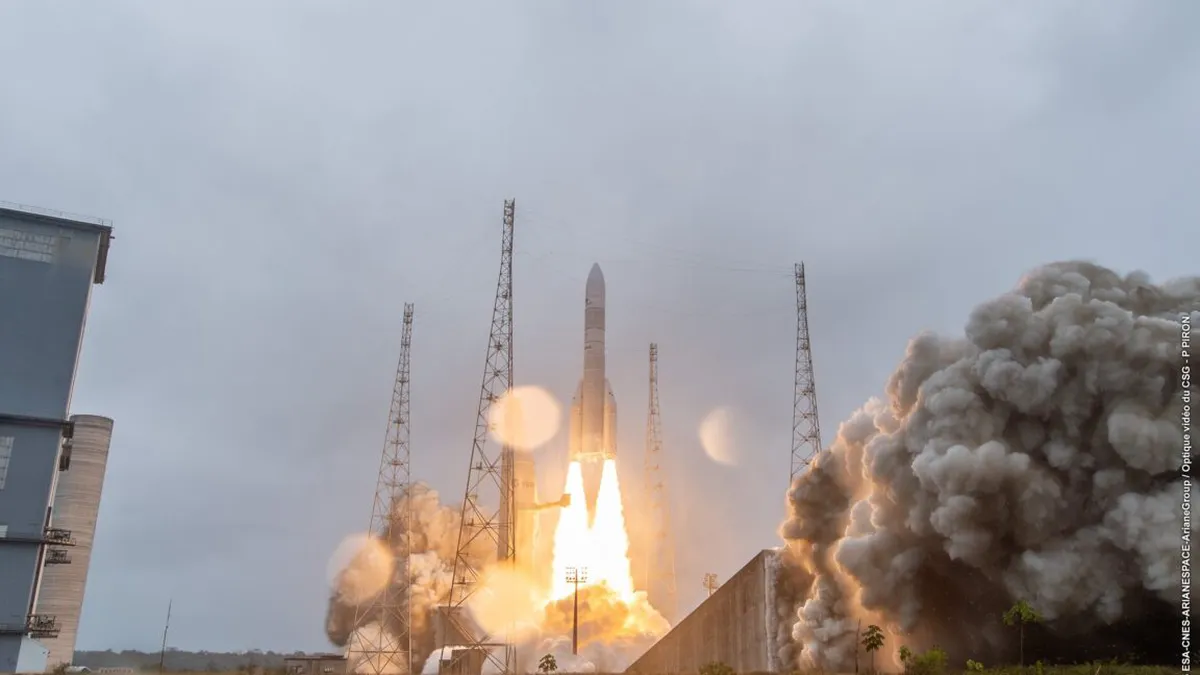
- Emerging Rocket Launches: A New Era for Space Exploration