RoboStore's Strategic Shift: Pioneering US-Made Robotics Amid Foreign Bans
Facing a ban on foreign-made robots, RoboStore pivots to manufacture its own products in the US, marking a significant shift in the robotics landscape.
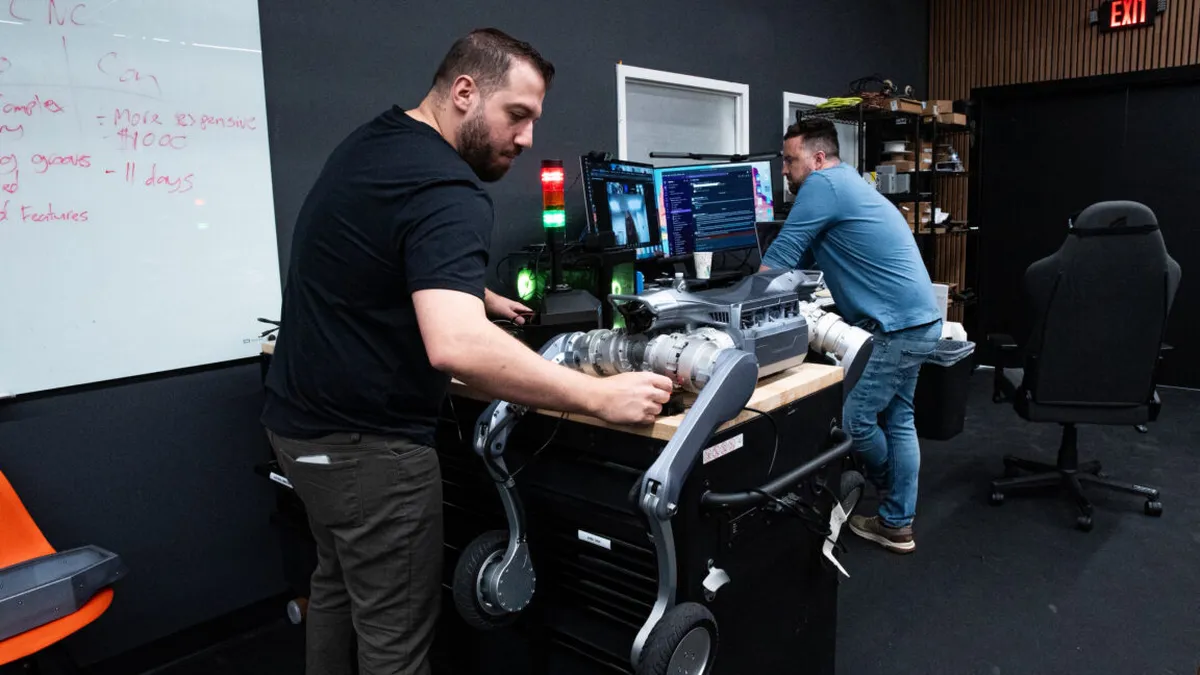
The robotics industry is at a pivotal moment, especially in the United States, where recent legislative actions and regulatory measures are reshaping the landscape of robotic manufacturing and distribution. One notable player, RoboStore, a leading distributor of China’s popular humanoid robots, is making a bold transition. As the US government intensifies its crackdown on foreign-made robotics, RoboStore has announced plans to pivot from distribution to manufacturing, launching a new company, Robo Inc., in Long Island, New York. This strategic shift is not just a response to regulatory pressures; it aims to position Robo Inc. as a significant player in the burgeoning field of domestically produced robotics.
RoboStore's journey began as the primary North American distributor for robots from Unitree Robotics, a Chinese firm known for its cost-effective humanoid and quadruped robots. These robots have found their way into prestigious institutions and tech giants, such as Harvard, MIT, Amazon, and Nvidia, which have utilized them for research and development. With over 1,500 robots sold and deployed to customers like Cisco and OpenAI, RoboStore carved out a significant niche in the market. However, the recent US Federal Communications Commission (FCC) ban on foreign-made robots, justified by cybersecurity concerns, has compelled the company to rethink its business model.
Understanding the Regulatory Landscape
The shift at RoboStore is emblematic of a broader trend in the robotics industry, driven significantly by US government policies. Recent legislative measures, such as the American Security Robotics Act and the GUARD Act, have laid the groundwork for a more protective stance against foreign imports. The FCC's ban on new models of foreign-made robots, including popular products like robot vacuum cleaners and those from Unitree, has raised alarms about national security vulnerabilities. These actions are not merely about safeguarding technology but also about fostering a robust domestic robotics industry.
As these policies take shape, the implications for companies like RoboStore are profound. Not only do they have to navigate new regulatory landscapes, but they also face increased competition in the domestic manufacturing space. The push towards reshoring manufacturing—bringing production back to the US—aligns with a broader economic strategy aimed at enhancing national security and creating local jobs.
RoboStore’s Evolution into Robo Inc.
In light of these developments, RoboStore's transition to Robo Inc. marks a significant evolution. The company's founder and CEO, Teddy Haggerty, highlights that the decision to manufacture robots was not made overnight. Insights gained from working closely with customers led to an understanding of the specific applications and needs that different industries have for robots. Haggerty noted, “We’ve sold over 1,500 robots... and we realized there’s a greater need for industry-specific solutions rather than one-size-fits-all humanoid robots.”
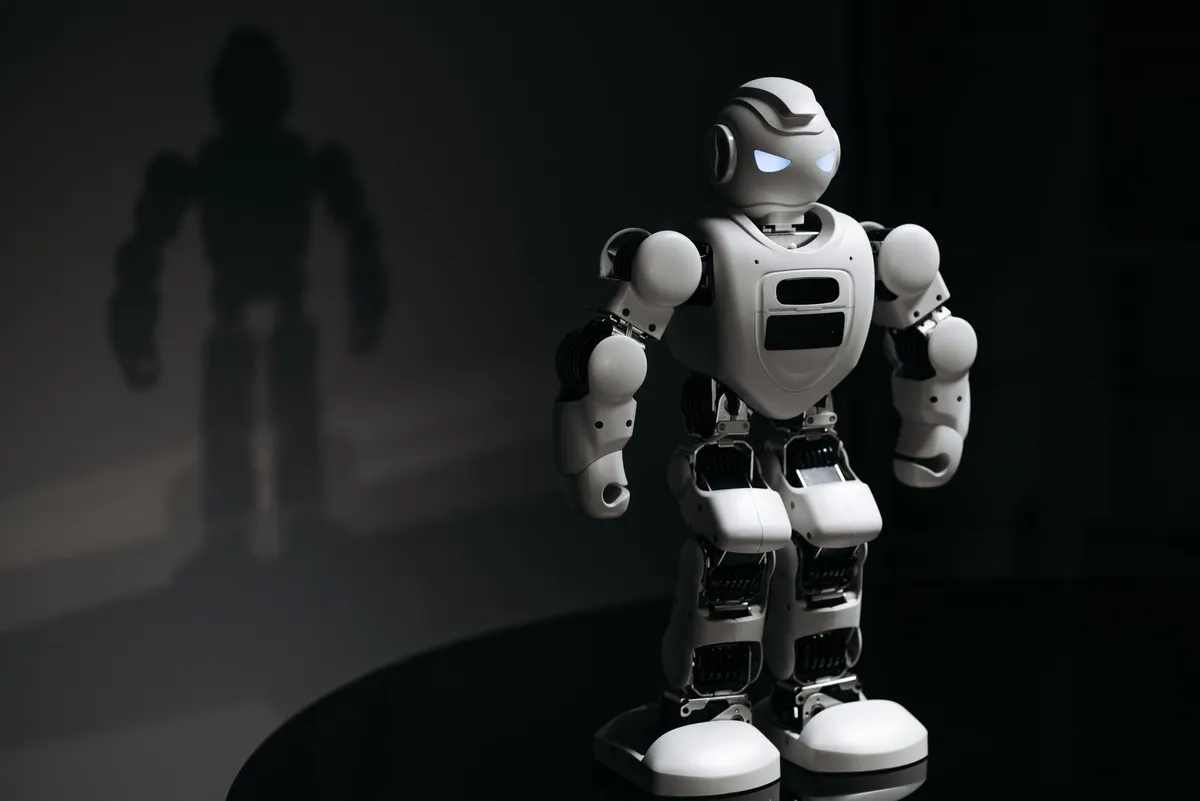
This realization has driven Robo Inc. to focus on creating tailored robotic solutions that cater to specific industries, such as healthcare and education. For instance, the company is developing a humanoid torso equipped with cameras and sensors for healthcare applications, allowing it to monitor vital signs like temperature and blood oxygen levels. Such innovations signal Robo Inc.’s commitment to creating practical, compliant solutions designed for the American market.
Challenges Ahead: Commercialization and Funding
While the excitement surrounding Robo Inc.'s manufacturing capabilities is palpable, the challenges of scaling and commercialization cannot be understated. The robotics industry is notoriously capital-intensive, and Robo Inc. has been bootstrapped until now, relying on internal resources for development. As they gear up for production and seek to fulfill projected demand, securing funding will be crucial.
“We’ve reached out to all these customers, and we have incredible interest now as we’re going through the process of raising money,” Haggerty stated. This funding will not only support the manufacturing process but also allow Robo Inc. to invest in research and development, ensuring that their products are competitive in a rapidly evolving market. The potential for partnerships with educational institutions and tech companies could further bolster their standing as they navigate this transition.
The Future of Robotics in America
Robo Inc.'s pivot represents a microcosm of the future of robotics in the United States. As the nation grapples with the implications of foreign dependency in technology sectors, companies are increasingly looking to innovate and produce domestically. This shift has the potential to create a vibrant ecosystem of robotics manufacturers, suppliers, and service providers, ultimately enhancing the US's technological sovereignty.
As Robo Inc. prepares to launch its manufacturing facility by early 2027, the industry will be watching closely. The outcomes of this pivot could serve as a blueprint for other companies in the sector, particularly those who may be feeling the pinch of foreign bans. If successful, Robo Inc. could not only thrive but also help catalyze a new wave of US-based robotics innovation.
Key Takeaways
- RoboStore transitions to Robo Inc.: The company pivots from distribution of foreign robots to manufacturing its own in the US.
- Impact of US regulations: The FCC's ban on foreign-made robots accelerates reshoring efforts in the robotics industry.
- Focus on industry-specific solutions: Robo Inc. aims to develop tailored robotic products for sectors like healthcare and education.
- Funding challenges: The new company seeks investment to support its manufacturing and development goals.
- Future of US robotics: Robo Inc.'s success could inspire a new wave of domestic robotics innovation, enhancing technological sovereignty.
Frequently Asked Questions
What led to RoboStore's decision to pivot to manufacturing?
The decision to pivot was largely influenced by the US government's crackdown on foreign-made robots, particularly the FCC's ban, which raised concerns about cybersecurity and national security. Recognizing the need for industry-specific robots and the opportunity to fill that gap, RoboStore's leadership felt that manufacturing domestically would better serve their customers' needs.
What types of robots is Robo Inc. planning to produce?
Robo Inc. is focusing on developing several types of robots, including a humanoid torso designed for healthcare applications and specialized quadrupeds for security purposes. Their goal is to create products that meet the specific requirements of industries such as healthcare and education, providing tailored solutions rather than generic robots.
How is Robo Inc. planning to fund its manufacturing efforts?
Robo Inc. is currently in the process of raising funds to support its manufacturing capabilities. Having previously operated as a bootstrapped business, they are now reaching out to potential investors and leveraging the strong interest from existing customers to secure the necessary capital for scaling production and development.
What impact could Robo Inc.'s success have on the robotics industry in the US?
If successful, Robo Inc. could pave the way for more companies to follow suit, fostering a robust domestic robotics manufacturing sector. This shift could lead to increased innovation, job creation, and a reduction in dependence on foreign technology, ultimately enhancing the US's position in the global robotics landscape.
Comments
Starcloud Secures $250 Million to Propel Orbital Data Center Innovations
Starcloud has raised $250 million in funding to enhance its orbital data center capabilities, as launch options for satellites become increasingly scarce. This funding will support the development of its Starcloud-3 spacecraft, aiming to revolutionize data processing in space.

Related articles



Popular in Cloud Computing
- SK Hynix's Historic $26.5 Billion IPO: A New Era for Memory Chips
- Kubernetes and the Future of Desktop Infrastructure: A Paradigm Shift
- Amazon Expands Partnership with Nvidia, Tripling GPU Orders Amid AI Demand Surge
- Elon Musk's Evolving Relationship with Anthropic: A New Era for AI Hosting
- Emerging Rocket Launches: A New Era for Space Exploration