The Future of Europe's Ariane 6 Rocket: Challenges and Opportunities Ahead
The cancellation of planned upgrades for the Ariane 6 rocket raises questions about Europe's future in the competitive space launch industry. As costs escalate, the ESA must rethink its strategy to maintain reliable access to orbit.
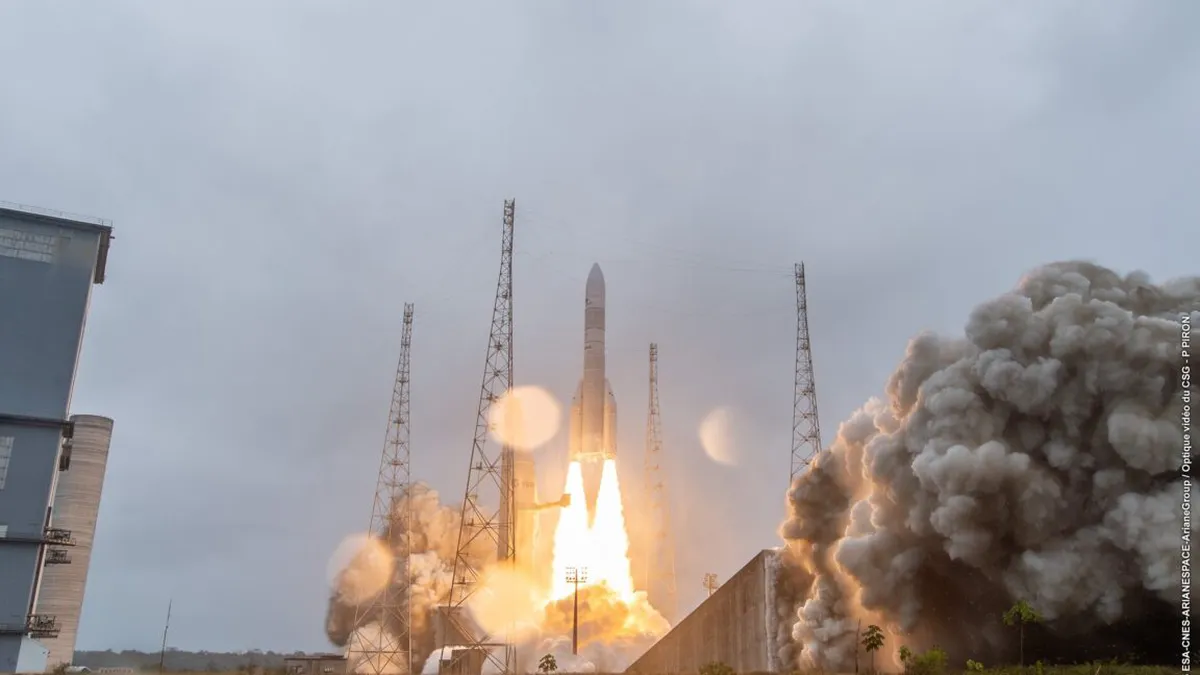
In an era where space exploration and satellite deployment are rapidly expanding, Europe’s Ariane 6 rocket program faces significant challenges that could reshape its future. Initially designed to provide reliable access to orbit for both governmental and commercial payloads, the recent cancellation of the planned "Block 3" upgrades raises questions about the program's viability amidst mounting costs and increasing global competition.
The Ariane 6 rocket has successfully completed eight missions since its debut, showcasing a smoother rollout compared to its American counterparts like Blue Origin's New Glenn and the United Launch Alliance's Vulcan rocket. However, despite its operational success and the critical role it plays in Europe's space strategy, the financial sustainability of the program is under scrutiny.
The Ariane 6: A Brief Overview
The Ariane 6 rocket, developed by Arianespace and the European Space Agency (ESA), was envisioned as a cost-effective solution for launching payloads into low-Earth orbit. With a capacity of over 20 metric tons, it is designed to meet a diverse range of mission requirements, from deploying satellites to supporting scientific explorations.
Since its inception, the rocket has been a cornerstone of Europe’s independent access to space, particularly critical after the geopolitical shifts stemming from the war in Ukraine, which led Europe to reduce its reliance on Russian launch vehicles. However, while the Ariane 6 has achieved operational milestones, the financial implications of its development and operational costs cannot be overlooked.
The Cancellation of Block 3 Upgrades
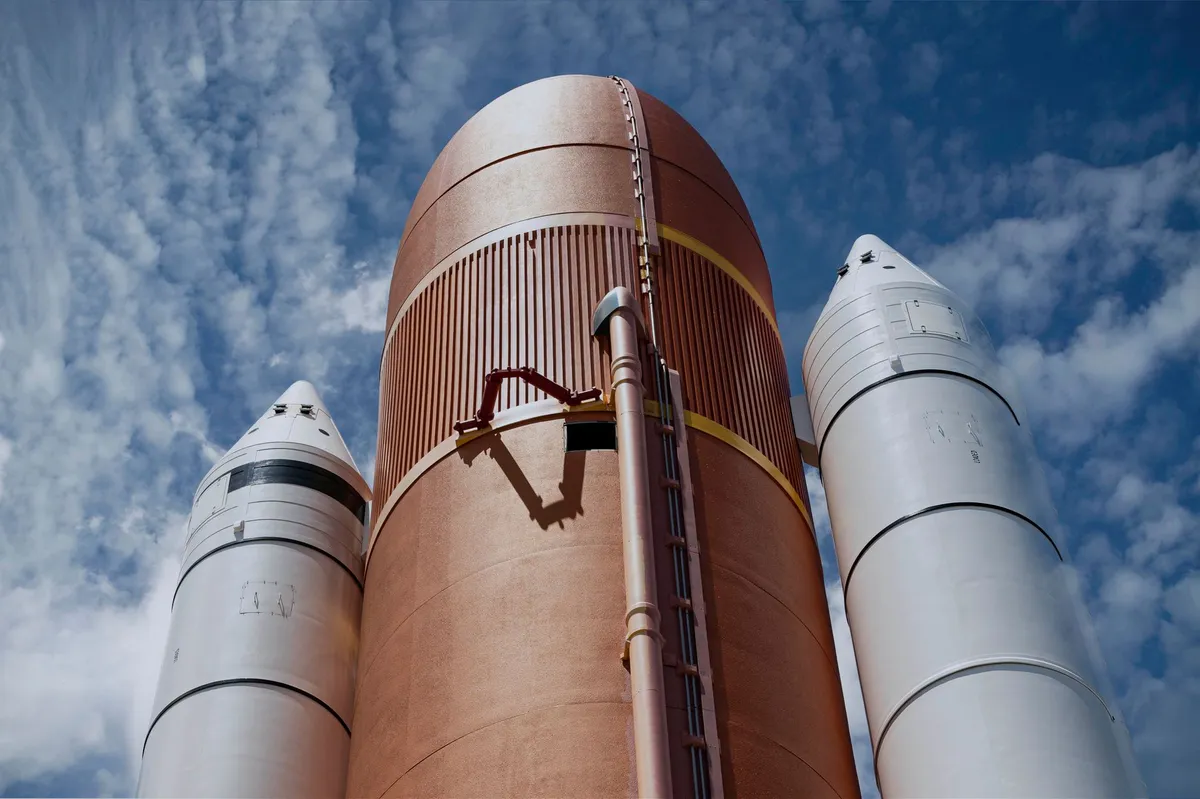
Recent developments have seen the European Space Agency announce the shelving of the Block 3 upgrades for the Ariane 6 rocket. This phase was expected to introduce significant enhancements, including a lightweight ICARUS upper stage utilizing carbon-composite materials. The cancellation has broader implications, particularly for planned science missions, such as the ambitious probe to Saturn's moon Enceladus, which could have benefited from the advanced capabilities of the upgraded rocket.
This decision reflects a growing impatience among European ministers regarding the escalating costs associated with the Ariane 6. Although the rocket has established itself as a reliable launch vehicle, the high operational costs—estimated between 80 million to 100 million euros per launch—raise concerns about the program's long-term sustainability and competitiveness.
Financial Burdens and Subsidies
To understand the financial landscape of the Ariane 6 program, it's crucial to consider the investments made by European governments. The development of the Ariane 6 has cost approximately 3.6 billion euros, a figure that does not include the additional subsidies required to keep the program operational. According to ESA Director General Josef Aschbacher, each launch will require further government subsidies ranging from 32 million to 38 million euros, resulting in a total cost of over 100 million euros per launch before accounting for customer payments.
This model presents a significant financial burden on European taxpayers and raises questions about the economic viability of the Ariane 6. It highlights the challenge of competing against private U.S. companies like SpaceX, which have successfully reduced launch costs through reusable rocket technology.
Market Demand and Future Prospects
Despite the challenges faced by the Ariane 6, there remains a substantial demand for launch services. Arianespace has secured contracts with various European customers, in addition to a significant partnership with Amazon for its Leo constellation, which includes 18 planned launches. Thus far, three of these missions have been completed in the current year.
The European space industry is at a crossroads, with discussions regarding increasing the frequency of Ariane 6 launches. Aschbacher indicated that Europe aims to achieve 10 launches next year, with considerations for scaling up to 12, 15, or even 20 annually. However, achieving these targets would necessitate significant investment in production facilities and logistics, potentially further straining public finances.
Strategic Choices for European Ministers
The upcoming decisions by European ministers will be pivotal for the future of the Ariane 6 rocket. They must weigh the potential benefits of increased launch capacity against the associated financial risks. A crucial aspect of this decision-making process will involve evaluating whether continued subsidies for the current model are justifiable or if funds could be better allocated toward developing a next-generation rocket that incorporates reusable technology.
This strategic pivot could enable Europe to better compete with emerging launch providers worldwide, particularly in the United States and China, where reusable rockets are becoming the norm. The balance between ensuring immediate access to space and investing in long-term technological advancements will define the trajectory of Europe’s space ambitions.
Key Takeaways
- The Ariane 6 rocket has successfully launched eight missions but faces financial sustainability challenges.
- Cancellation of Block 3 upgrades limits future capabilities and impacts planned science missions.
- European governments must continue to subsidize launches, raising questions about the program's economic viability.
- Increasing launch demand may prompt discussions about scaling production or investing in next-gen technology.
- The decisions made by European ministers this year will significantly shape the future of Europe's space launch capabilities.
Frequently Asked Questions
What are the main challenges facing the Ariane 6 rocket program?
The Ariane 6 rocket program faces several challenges, including high operational costs, reliance on government subsidies, and the need to compete with more cost-effective reusable rockets developed by private companies in the U.S. and China. The recent cancellation of planned upgrades further complicates the program's future, particularly regarding its capability to support scientific missions.
How does the Ariane 6 compare to other launch vehicles?
While the Ariane 6 has proven to be a reliable launch vehicle, it still operates in a competitive landscape dominated by reusable rockets such as SpaceX's Falcon 9. The higher costs associated with the Ariane 6, coupled with the need for subsidies, put it at a disadvantage, especially as launch providers look to reduce prices to attract more customers.
What is the significance of the Block 3 upgrades?
The Block 3 upgrades were intended to enhance the Ariane 6’s capabilities, including the introduction of a lightweight upper stage that would allow for more efficient payload deployment. The cancellation of these upgrades means that the rocket may not be equipped to meet future mission demands, particularly for scientific exploration, which could hinder Europe’s ambitions in space research.
What decisions are upcoming for European ministers regarding the Ariane 6?
European ministers are expected to make pivotal decisions regarding the future of the Ariane 6 rocket, particularly about increasing launch capacity and whether to continue subsidizing the current model or invest in developing a next-generation rocket. The outcomes of these discussions will shape Europe’s ability to maintain a competitive edge in the global space launch market.
Comments
Starcloud Secures $250 Million to Propel Orbital Data Center Innovations
Starcloud has raised $250 million in funding to enhance its orbital data center capabilities, as launch options for satellites become increasingly scarce. This funding will support the development of its Starcloud-3 spacecraft, aiming to revolutionize data processing in space.

Related articles
Popular in Cloud Computing
- SK Hynix's Historic $26.5 Billion IPO: A New Era for Memory Chips
- Kubernetes and the Future of Desktop Infrastructure: A Paradigm Shift
- Amazon Expands Partnership with Nvidia, Tripling GPU Orders Amid AI Demand Surge
- Elon Musk's Evolving Relationship with Anthropic: A New Era for AI Hosting
- Emerging Rocket Launches: A New Era for Space Exploration