China's Rocket Revolution: A New Era of Reusable Launch Vehicles
China is making significant strides in reusable rocket technology, with LandSpace's Zhuque-3 successfully landing its booster. This achievement heralds a competitive landscape in the global space launch market, challenging American dominance.
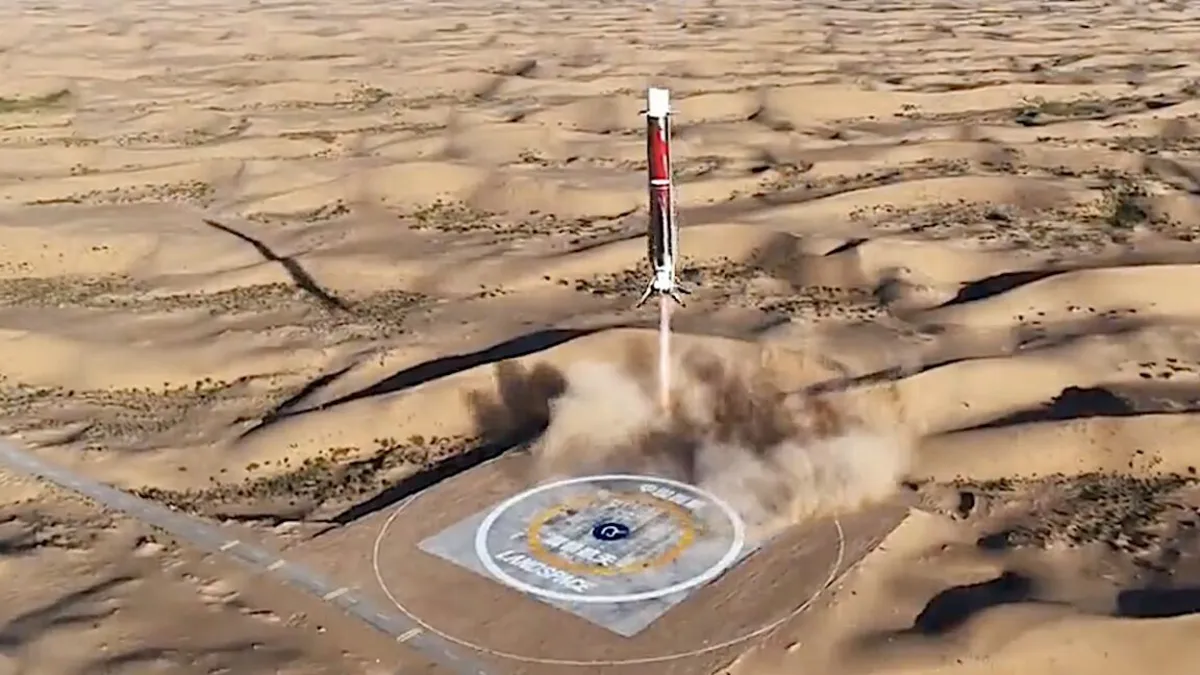
As the race for space supremacy intensifies, China's advancements in reusable rocket technology are becoming increasingly evident. The recent successful landing of the Zhuque-3 rocket by LandSpace marks a pivotal moment not just for the nation, but for the entire global aerospace industry. This achievement signals the opening of the floodgates for Chinese companies in the reusable launch vehicle sector, drawing parallels with the historical milestones set by American firms like SpaceX and Blue Origin. With the successful recovery of rocket boosters now becoming a reality, the competitive landscape of space launches is poised for dramatic change.
On August 19, 2026, LandSpace’s Zhuque-3 rocket lifted off from the Jiuquan Satellite Launch Center in the Gobi Desert. This launch represents a significant technological breakthrough, as it becomes the first Chinese rocket to land its booster using landing legs, a feat that mirrors the successes achieved by SpaceX nearly a decade ago. The implications of this achievement extend beyond national pride; they threaten to reshape the global launch market, where the United States has long held a commanding lead.
The Rise of the Zhuque-3 Rocket
The Zhuque-3 rocket, or ZQ-3, is a 216-foot (66-meter) tall launch vehicle powered by nine methane-fueled engines. This innovative design not only emphasizes fuel efficiency but also aligns with cleaner energy practices in rocket propulsion. LandSpace's commitment to reusability aims at reducing costs significantly, with the goal of making space more accessible for commercial ventures, including satellite deployments and interplanetary exploration.
After a series of trials that included an unsuccessful landing attempt last December, LandSpace made critical modifications to the Zhuque-3. These changes included optimizing the landing procedures and enhancing the rocket's heat shield to better withstand reentry conditions. On its latest flight, the booster performed a highly controlled landing, demonstrating a sophisticated maneuvering capability that LandSpace characterizes as a 'one-shot reverse-parking' technique.
Comparative Analysis: China vs. The United States
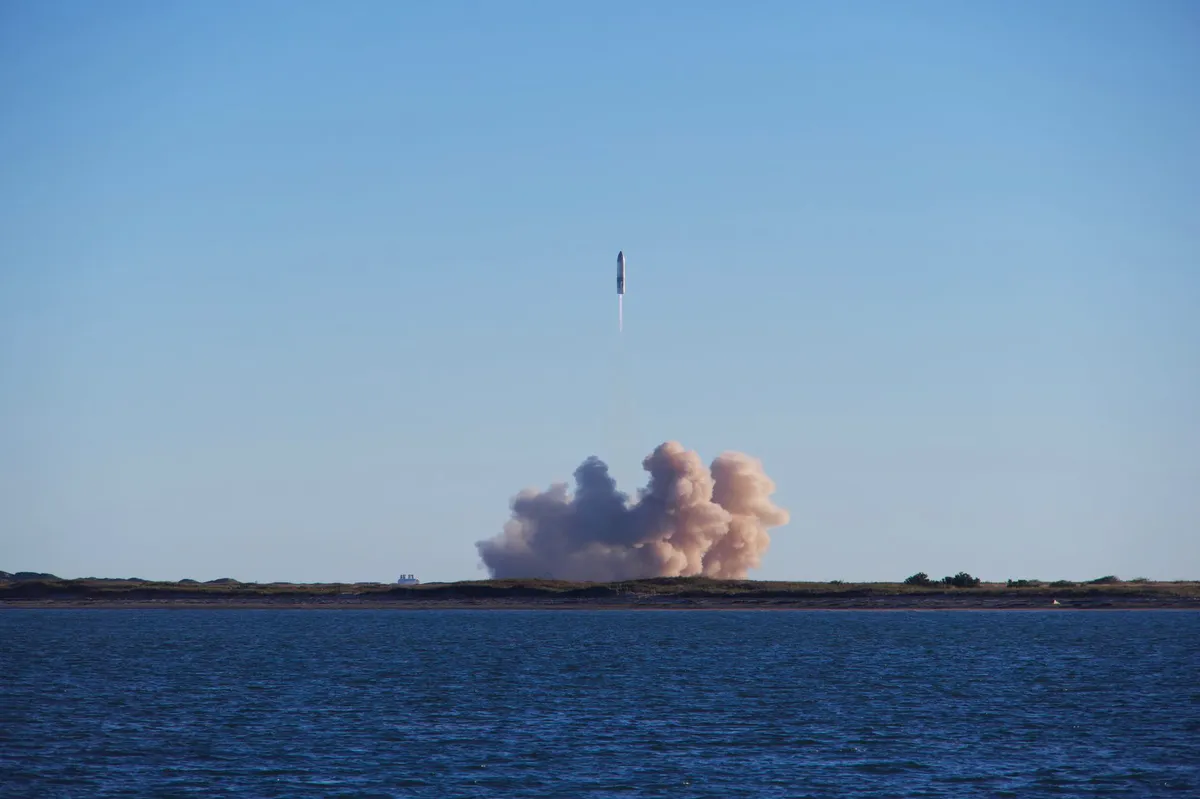
China's rapid advancements in reusable rocket technology can be contrasted with the historical development timelines of American companies. SpaceX, which successfully landed its Falcon 9 rocket booster in 2015, took years to perfect its technology, a process that included multiple test flights and iterations. In comparison, China's journey has been notably swift, with multiple companies, including LandSpace and the China Aerospace Science and Technology Corporation (CASC), racing to achieve similar milestones.
As of now, several Chinese firms are in the pipeline to conduct their own reusable rocket launches:
- **Long March 12A** - Expected to make its second flight soon.
- **Pallas-1** from Galactic Energy - Aiming for commercial satellite deployment.
- **Hyperbola-3** from iSpace - Currently under development.
- **Tianlong-3** from Space Pioneer - Following a recent setback but still in the mix.
This rapid pace of innovation in China underscores the potential for a more competitive launch market, particularly as U.S. companies like SpaceX begin to transition away from their workhorse Falcon 9 model in favor of new technologies like the Starship.
Market Implications and Future Prospects
With the recent successes of reusable rockets, the landscape for satellite launches is changing. Chinese officials project that their major satellite constellations, such as Guowang and Qianfan, will necessitate 700 to 800 launches within the next decade. This demand creates substantial opportunities for companies like LandSpace, which is positioning itself to be a key player in meeting this requirement.
LandSpace claims that its Zhuque-3 rocket can carry payloads exceeding 17,600 pounds (8 metric tons) to low-Earth orbit, with future iterations expected to handle up to 40,000 pounds (18.3 metric tons). As the company works towards achieving a target of at least 20 launches per booster, the economics of space travel are set to evolve, potentially reducing launch costs significantly.
In the U.S., while SpaceX continues to dominate the market, other launch providers like Rocket Lab and Blue Origin are poised to fill gaps left by Falcon 9's eventual retirement. However, they face challenges, including the need to develop their own reusable rocket technologies to remain competitive.
Challenges Ahead for Reusability
Despite the promising advancements in reusable rocket technology, both Chinese and American companies face significant hurdles. For China, the challenge lies in proving that these rockets can be reused multiple times without significant refurbishment. LandSpace has stated they plan to inspect and refurbish their Zhuque-3 boosters promptly after recovery, but the actual turnaround time remains to be seen.
In the U.S., SpaceX has set a high bar with its rapid turnaround times for Falcon 9 launches, averaging three flights per week. Other companies, like the United Launch Alliance, currently have no plans for reusable architectures, which could limit their competitiveness as reusable technology becomes the norm.
Key Takeaways
- LandSpace's Zhuque-3 rocket successfully landed its booster, signaling China's growing capabilities in reusable rocketry.
- China aims to conduct 700 to 800 launches for its satellite constellations in the next decade, increasing demand for reusable launch vehicles.
- The Zhuque-3 can carry over 17,600 pounds to low-Earth orbit, with future models expected to increase capacity significantly.
- U.S. companies face pressure to innovate as competition from Chinese firms grows, particularly in the reusable rocket segment.
Frequently Asked Questions
What is the significance of LandSpace's Zhuque-3 landing?
LandSpace's Zhuque-3 rocket represents a leap forward for China's space program, marking the first successful recovery of a booster using landing legs. This achievement not only demonstrates technical prowess but also indicates a shift in the competitive landscape of space launches, where China is positioning itself as a formidable player against established giants like SpaceX.
How does reusable rocket technology impact launch costs?
Reusable rocket technology has the potential to drastically reduce launch costs by allowing boosters to be used multiple times. This efficiency can lead to lower prices for satellite launches and increased access to space for various commercial ventures. Companies like LandSpace are banking on this model to make space more affordable and accessible.
Are there risks associated with reusing rocket boosters?
Yes, reusing rocket boosters comes with risks, primarily related to the integrity and reliability of the rocket after multiple flights. Ensuring that the booster can withstand the stresses of launch and reentry multiple times requires rigorous inspection and maintenance protocols. Companies must develop robust systems to ensure safety and reliability for each subsequent flight.
What does the future hold for the global launch market?
The future of the global launch market is shaping up to be highly competitive, with both U.S. and Chinese companies racing to innovate in reusable rocket technology. As demand for satellite launches grows, particularly for broadband and communication networks, the landscape may evolve, necessitating a balance of cost, reliability, and launch frequency among competing providers.
Comments
The Rise of AI Trading Agents: What Binance's New Platform Means for Users
Binance has launched Agent OS, enabling AI agents to trade autonomously on behalf of users. This move raises questions about control, security, and the future of automated trading in the crypto space.

Related articles

Popular in Cloud Computing
- SK Hynix's Historic $26.5 Billion IPO: A New Era for Memory Chips
- Kubernetes and the Future of Desktop Infrastructure: A Paradigm Shift
- Amazon Expands Partnership with Nvidia, Tripling GPU Orders Amid AI Demand Surge
- Elon Musk's Evolving Relationship with Anthropic: A New Era for AI Hosting
- Emerging Rocket Launches: A New Era for Space Exploration