TerraPower’s Innovative Nuclear Reactor: A Game Changer for AI Data Centers
TerraPower's groundbreaking molten salt-cooled reactor offers a reliable energy solution for AI data centers, addressing power demands with innovative energy storage capabilities.

As artificial intelligence (AI) continues to transform industries, the demand for energy to power data centers has skyrocketed. Traditional energy sources struggle to keep pace with the fluctuating needs of AI workloads, leading to a search for alternatives that can offer reliability and sustainability. Enter TerraPower, the nuclear power startup co-founded by Bill Gates, which is harnessing the power of nuclear technology to provide a promising solution for AI data centers. With plans for its first data center project on the horizon, TerraPower’s approach combines advanced energy storage and high-capacity generation, potentially setting a new standard in the energy landscape.
Data centers, especially those focused on AI applications, face unique challenges when it comes to energy consumption. The rapid fluctuations in processing needs—often driven by intensive GPU tasks—demand a power supply that can respond swiftly and efficiently. With the rise of renewable energy sources, such as wind and solar, the need for stable, reliable backup power has never been more pressing. TerraPower’s innovative molten salt-cooled reactor not only provides consistent energy output but also integrates seamlessly with renewable sources, paving the way for a more sustainable future.
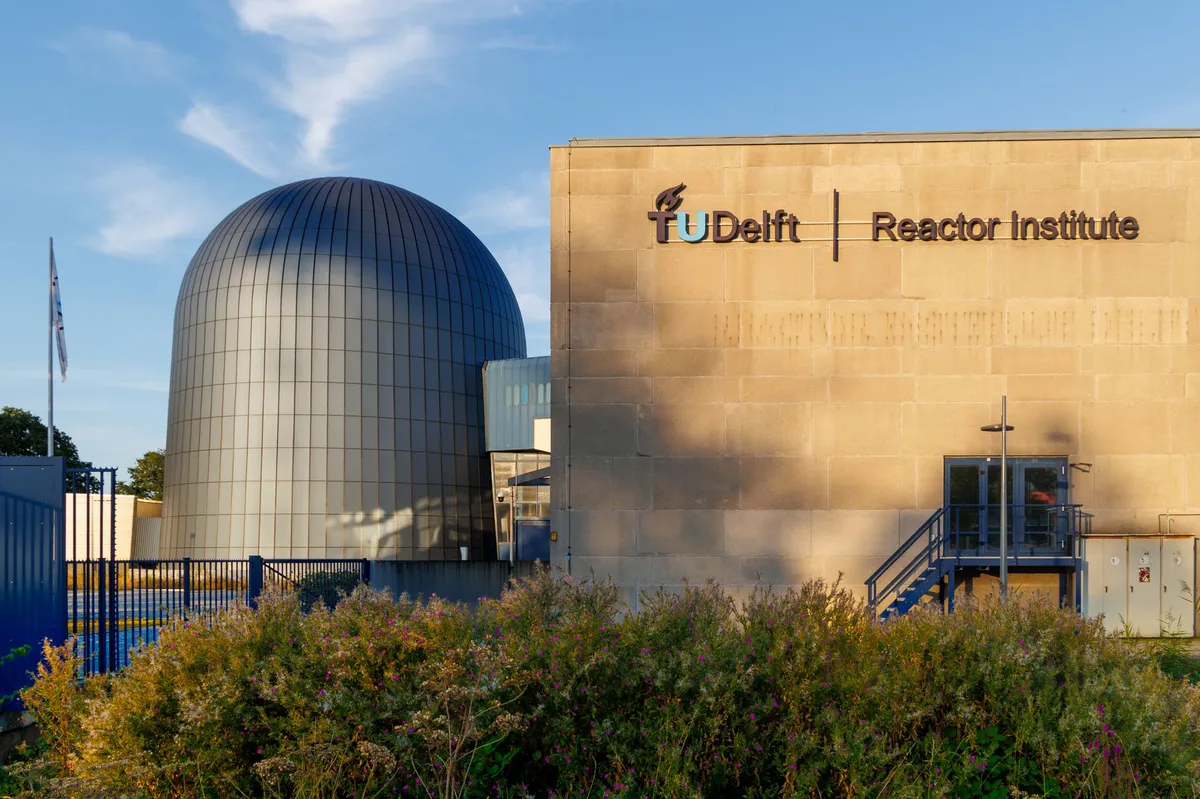
Understanding the Role of AI Data Centers
The proliferation of AI technologies has led to a surge in data center construction, with companies racing to build facilities capable of handling the intense computational demands of machine learning and AI training. These data centers are critical to processing vast amounts of data, and as such, they require an uninterrupted power supply. However, traditional energy sources often struggle to provide the necessary reliability, leading to increased operational costs and potential downtimes.
AI workloads can be unpredictable, with processing power needs fluctuating dramatically in short timeframes. For example, during peak training periods, a data center might need to draw significantly more power than during idle times. This variability creates challenges for energy providers, especially those relying on conventional power generation methods that cannot easily adjust output. Natural gas turbines, commonly used to meet these demands, have faced operational stress and failures under such conditions, highlighting the need for a more resilient power source.
TerraPower’s Solution: The Molten Salt-Cooled Reactor
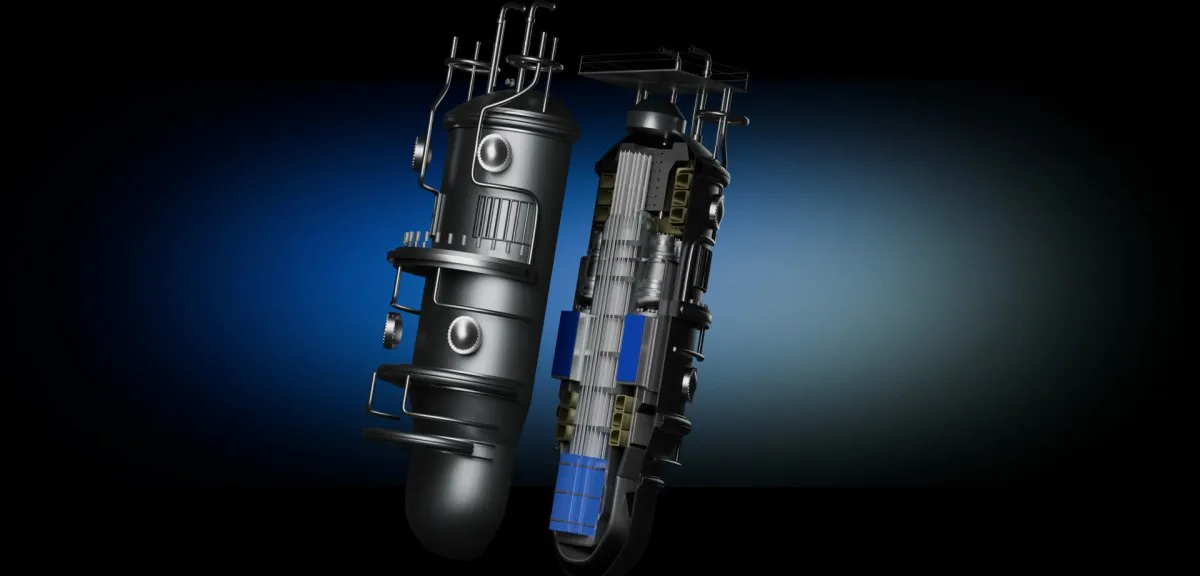
TerraPower’s molten salt-cooled reactor represents a significant innovation in nuclear energy technology. Unlike traditional reactors that operate near their maximum output, the molten salt reactor is designed to function more flexibly, allowing it to adapt to varying power demands. This capability is crucial for supporting data centers that experience rapid shifts in energy needs.
How It Works
At the heart of TerraPower's reactor is a unique energy storage system that utilizes molten sodium as a heat reservoir. Instead of ramping production up and down—an inefficient process that can lead to operational challenges—TerraPower maintains a constant reaction rate, storing excess heat generated during low-demand periods. When power demand increases, this stored heat can be tapped to produce additional steam, allowing for a rapid response without compromising the reactor's efficiency.
Key Features of TerraPower’s Reactor:- High Capacity Factor: Nuclear reactors typically operate at a high capacity factor of around 92.5%, ensuring consistent power generation.
- Energy Storage: The molten salt technology provides a buffer to respond to fluctuations in demand without wasting energy.
- Integration with Renewables: The reactor’s design complements intermittent renewable sources, making it an ideal partner for a cleaner grid.
- Cost Efficiency: By maximizing operational hours, the reactor helps amortize its high capital costs over a longer lifespan.
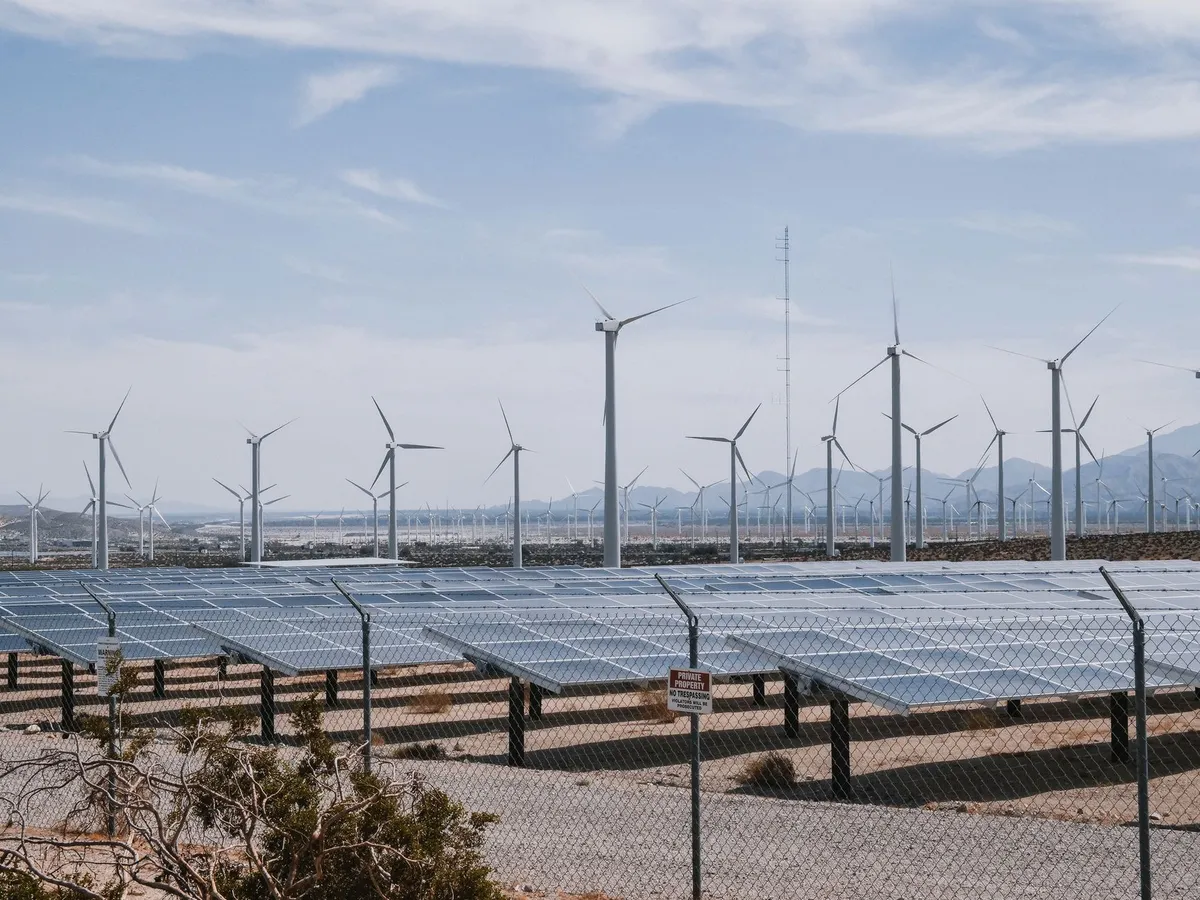
The Market Implications
The energy landscape is shifting, and the move towards sustainable power sources is becoming more urgent as both businesses and consumers prioritize environmental responsibility. With major tech companies like Meta already expressing interest in TerraPower’s capabilities—having agreed to purchase eight Natrium power plants—the demand for reliable and sustainable energy solutions is clear.
The market for data centers powered by innovative energy sources is likely to expand significantly. As more companies recognize the advantages of nuclear energy paired with renewable sources, we could witness a shift away from traditional fossil fuels. This transformation could not only stabilize energy costs for data centers but also significantly reduce their carbon footprint.
Challenges Ahead
Despite its promise, TerraPower and similar startups face significant hurdles. The initial capital expenditures for constructing new nuclear plants remain high, and while the hope is that technological advancements and mass manufacturing of small modular reactors (SMRs) will eventually lower costs, this remains to be seen. Additionally, regulatory hurdles and public perception of nuclear energy can complicate the path to widespread adoption.
Key Takeaways
- TerraPower's molten salt-cooled reactor offers a flexible energy solution for AI data centers.
- The reactor's energy storage capability allows it to respond to fluctuating power demands effectively.
- Partnerships with major tech companies could accelerate the adoption of nuclear power in data centers.
- Challenges including high capital costs and regulatory hurdles remain significant obstacles.
Frequently Asked Questions
What is the capacity factor of nuclear reactors, and why is it important?
The capacity factor refers to the ratio of actual output over a period of time to the maximum possible output. In the case of nuclear reactors, a high capacity factor—around 92.5% in the U.S.—indicates that they are highly efficient and can produce power consistently. This reliability is crucial for meeting the demands of modern data centers, especially those utilizing AI technologies that require stable energy supplies.
How does TerraPower’s approach integrate with renewable energy sources?
TerraPower’s molten salt reactor is designed to complement renewable energy sources, like wind and solar, which can be intermittent. The reactor can store excess heat during low-demand periods and release that energy when needed, allowing data centers to maintain a steady power supply even when renewable generation fluctuates. This capability enhances grid stability and supports a more sustainable energy model.
What are the potential environmental impacts of using nuclear power for data centers?
Utilizing nuclear power for data centers has the potential to significantly reduce carbon emissions compared to fossil fuel-based energy sources. While nuclear energy itself produces minimal greenhouse gas emissions, the environmental impact also depends on factors like waste management and safety protocols. If managed effectively, nuclear power can offer a cleaner alternative that aligns with global sustainability goals.
Comments
The Rise of AI Trading Agents: What Binance's New Platform Means for Users
Binance has launched Agent OS, enabling AI agents to trade autonomously on behalf of users. This move raises questions about control, security, and the future of automated trading in the crypto space.

Related articles
Popular in Cloud Computing
- SK Hynix's Historic $26.5 Billion IPO: A New Era for Memory Chips
- Kubernetes and the Future of Desktop Infrastructure: A Paradigm Shift
- Amazon Expands Partnership with Nvidia, Tripling GPU Orders Amid AI Demand Surge
- Elon Musk's Evolving Relationship with Anthropic: A New Era for AI Hosting
- Emerging Rocket Launches: A New Era for Space Exploration