NASA's Swift Observatory Rescue Mission Abandoned: What’s Next?
NASA and Katalyst Space Technologies have officially called off the ambitious mission to rescue the Swift gamma-ray observatory, which is set to reenter Earth's atmosphere this year. The decision highlights both the challenges of space missions and the lessons learned for future endeavors.
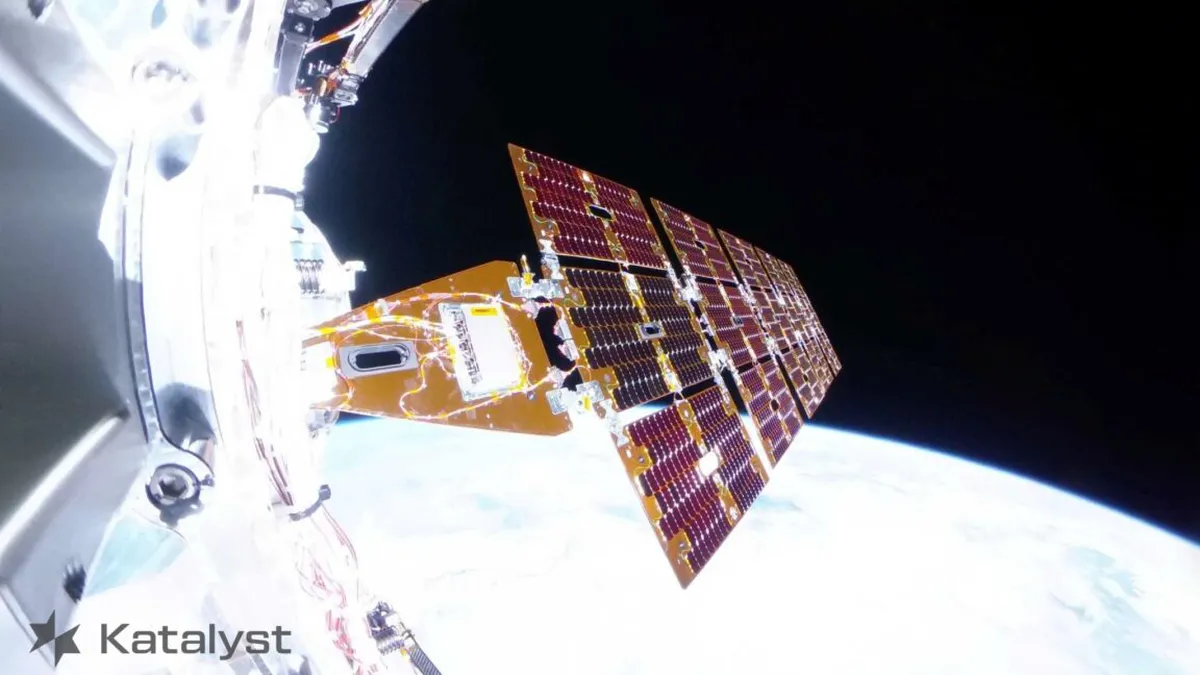
In a disappointing turn of events, NASA and Katalyst Space Technologies have announced the cancellation of their daring mission to rescue the Neil Gehrels Swift Observatory, a crucial instrument for studying gamma-ray bursts. Launched in 2004, Swift has been a pioneer in astrophysics, but it is now on a trajectory to reenter Earth’s atmosphere later this year. Despite the mission's ambitious goals, technical challenges proved insurmountable, raising questions about the future of space missions, satellite servicing, and the ongoing role of innovative startups in the aerospace sector.
The Swift observatory is a unique asset in the realm of astronomical research, capable of detecting and analyzing gamma-ray bursts—one of the universe's most violent explosions. Originally designed for a two-year mission, Swift has operated for nearly 22 years, providing invaluable data that has enhanced our understanding of cosmic phenomena. The decision to abandon the rescue mission is not just a setback for Swift, but also a significant moment for the future of satellite servicing missions.
Understanding the Swift Observatory and Its Mission
The Neil Gehrels Swift Observatory was designed to observe and analyze gamma-ray bursts using a combination of multi-wavelength instruments. Its agile pointing capability allows it to quickly locate bursts and provide follow-up observations for other astronomical facilities. Swift's unique instrumentation includes:
- X-ray Telescope (XRT): Captures images in X-ray wavelengths.
- Ultraviolet/Optical Telescope (UVOT): Observes in ultraviolet and optical wavelengths.
- Gamma-ray Burst Detector (GBM): Detects high-energy gamma rays.
Over its operational lifespan, Swift has contributed significantly to our understanding of the universe, detecting thousands of gamma-ray bursts and facilitating extensive follow-up studies. However, as spacecraft age, they inevitably face operational limitations. Swift’s lack of onboard thrusters to maintain its orbit highlighted the need for intervention, making the Katalyst-led rescue mission a necessity.

The Ambitious Rescue Mission
The rescue mission, named Link, was launched on July 3, 2026, with a $30 million contract from NASA to Katalyst Space Technologies. The goal was to maneuver Link into proximity with Swift, using three robotic arms to capture the observatory and boost it into a higher, safer orbit. Katalyst's Link spacecraft was equipped with:
- Solar Arrays: To generate power for the mission.
- Xenon-fueled Electric Thrusters: Designed for orbital maneuvers.
- Robotic Arms: To physically capture and stabilize Swift.
However, the mission faced significant challenges shortly after launch. In late July, Link experienced a critical failure when two of its three reaction wheels, essential for maintaining control, malfunctioned. This left the spacecraft with limited options for stabilization, ultimately leading to the decision to abandon the rescue mission.
Lessons Learned from the Mission
Despite the disappointing outcome, the mission has provided valuable insights for future space endeavors. Katalyst's CEO, Ghonhee Lee, emphasized the importance of the lessons learned during the mission, stating, “We took on this high-risk, high-reward challenge and are proud of the milestones we reached along the way.” The knowledge gained from this mission can pave the way for advancements in:
- Satellite Servicing: Techniques for refueling, repairing, or upgrading satellites.
- Rendezvous Operations: Technologies necessary for close proximity operations.
- Robotics in Space: Enhancements in robotic handling capabilities for future missions.
The Katalyst team has already expressed their commitment to applying these lessons to future projects, highlighting the resilience and adaptability required in the rapidly evolving field of space exploration.
The Future of the Swift Observatory
The abandonment of the rescue mission means that the Swift observatory is on track for a fiery reentry into Earth's atmosphere, marking the end of its historic astrophysics mission. NASA has acknowledged the contributions of Swift to the scientific community, with Shawn Domagal-Goldman, director of NASA’s astrophysics division, stating, “We were all hoping for more science from Swift... But we knew the takeaways from this mission would be worthwhile either way.”
The implications of this mission extend beyond just the fate of Swift. As the space industry continues to grow, the need for reliable satellite servicing missions becomes increasingly apparent. With numerous satellites approaching the end of their operational lifetimes, effective servicing could extend their functionality and reduce space debris.
The Wider Context: Satellite Servicing and the Space Industry
The development of satellite servicing capabilities is crucial for the future of space exploration and sustainability. As more satellites are launched, the potential for collisions and space debris increases. By developing technologies to refuel, repair, or upgrade existing satellites, we can mitigate these risks and extend the operational life of valuable assets in orbit.
Several companies, including Katalyst, are exploring satellite servicing, which could become a significant sector within the aerospace industry. This innovation aligns with broader trends in space exploration, as demonstrated by:
- Investment Growth: Increased funding and interest from both government and private sectors.
- Technological Advancements: Development of robotic technologies and artificial intelligence for autonomous operations.
- Policy Initiatives: Government policies that support sustainable practices in space.
As the industry evolves, the lessons learned from missions like the Link rescue attempt will play a pivotal role in shaping future endeavors, ensuring that we can maximize the potential of our space assets while minimizing risks.
Key Takeaways
- The mission to rescue the Swift gamma-ray observatory has been officially abandoned.
- Technical challenges prevented the Link spacecraft from completing its objectives.
- Valuable lessons learned from the mission will inform future satellite servicing efforts.
- The fate of Swift marks a significant moment in the history of astrophysics.
- Satellite servicing is becoming essential in extending the life of satellites and reducing space debris.
Frequently Asked Questions
What was the primary goal of the Swift observatory?
The Neil Gehrels Swift Observatory was primarily designed to detect and analyze gamma-ray bursts, which are among the most energetic events in the universe. Swift’s ability to quickly locate these bursts and conduct follow-up observations has provided astronomers with essential data, significantly advancing our understanding of cosmic phenomena.
What led to the cancellation of the rescue mission?
The cancellation of the rescue mission was due to technical failures experienced by the Link spacecraft, specifically with its reaction wheels, which are crucial for maintaining attitude control. These issues prevented the spacecraft from executing its planned maneuvers to capture and boost Swift into a higher orbit.
What are the implications of this mission for future satellite servicing?
The mission's outcome highlights the challenges associated with satellite servicing but also underscores the importance of developing these capabilities. The lessons learned from this mission will inform future efforts to repair, refuel, or upgrade satellites, which are critical for extending their operational life and reducing space debris.
How has Swift contributed to our understanding of the universe?
Swift has greatly contributed to astrophysics by detecting thousands of gamma-ray bursts and providing valuable data for follow-up studies. Its unique combination of multi-wavelength instruments has allowed astronomers to observe these explosive events in various wavelengths, enhancing our knowledge of their origins and characteristics.
Comments
The Rise of AI Trading Agents: What Binance's New Platform Means for Users
Binance has launched Agent OS, enabling AI agents to trade autonomously on behalf of users. This move raises questions about control, security, and the future of automated trading in the crypto space.

Related articles

Popular in Cloud Computing
- SK Hynix's Historic $26.5 Billion IPO: A New Era for Memory Chips
- Kubernetes and the Future of Desktop Infrastructure: A Paradigm Shift
- Amazon Expands Partnership with Nvidia, Tripling GPU Orders Amid AI Demand Surge
- Elon Musk's Evolving Relationship with Anthropic: A New Era for AI Hosting
- Emerging Rocket Launches: A New Era for Space Exploration