The Rise of Affordable Home Batteries: Revolutionizing Energy Storage
Home battery systems are becoming more affordable and accessible, driven by intense market competition and innovative technologies. This article explores the factors behind this trend and its implications for homeowners and the energy sector.
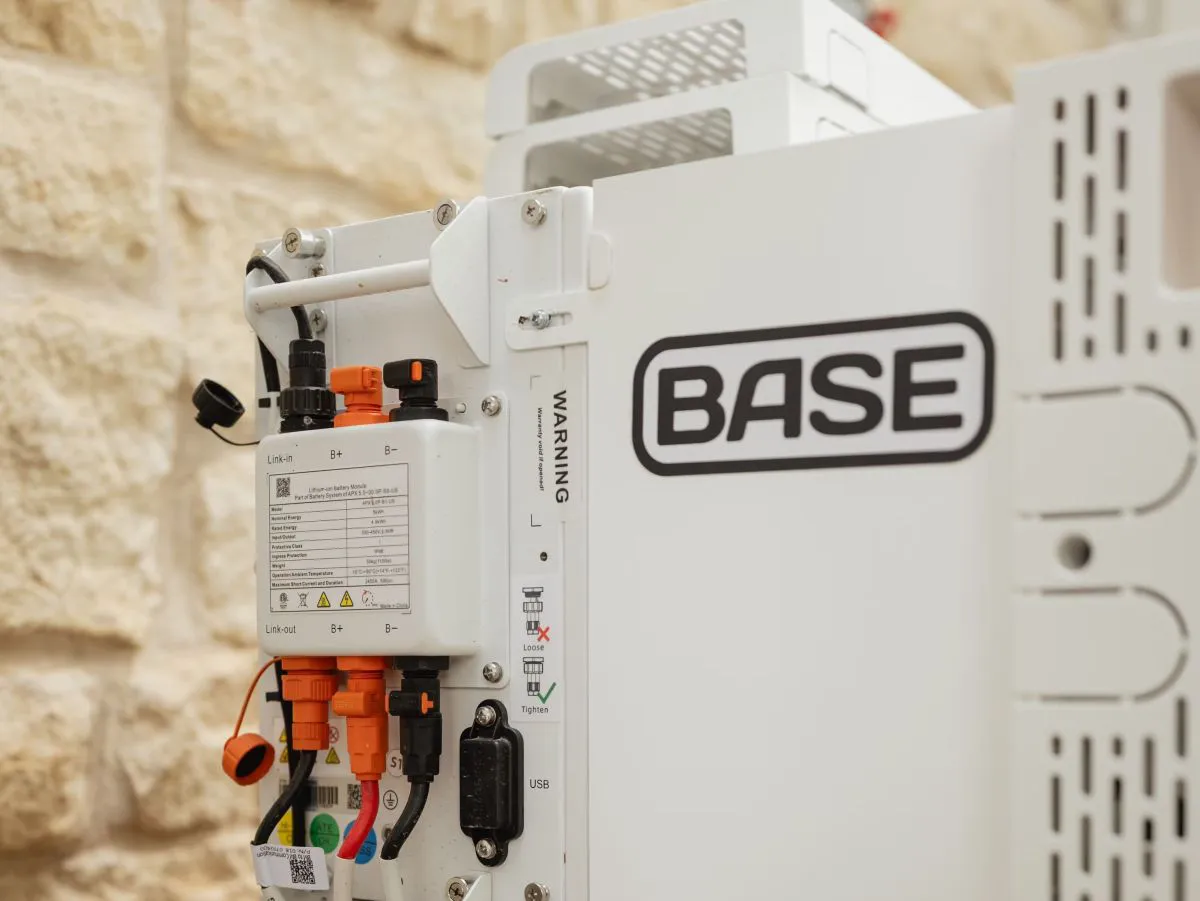
In recent years, the energy landscape has undergone a significant transformation, heralding the rise of home battery systems. Once a luxury reserved for environmentally conscious homeowners or those with deep pockets, these systems are now becoming affordable and accessible to a broader audience. With major players like Tesla facing competition from nimble startups, the home battery market is heating up, leading to unprecedented price reductions and innovative financing options. This article delves into the dynamics of this burgeoning market, the technology driving it, and what it means for consumers and utilities alike.
The Competitive Landscape of Home Batteries
For years, Tesla has been synonymous with home battery technology, particularly its Powerwall system. However, the emergence of companies like Base Power, which has raised an impressive $2 billion in under a year, is reshaping the competitive landscape. Tesla recently introduced a leasing plan for its Powerwall batteries, reducing monthly costs from over $100 to just $35 for 27 kilowatt-hours. Meanwhile, Base Power offers a competitive monthly rate of $19 for 39.2 kilowatt-hours of battery storage. Such pricing strategies are not merely marketing gimmicks but rather a response to the rapid evolution of battery technology and market competition.
Price Cuts and Consumer Accessibility
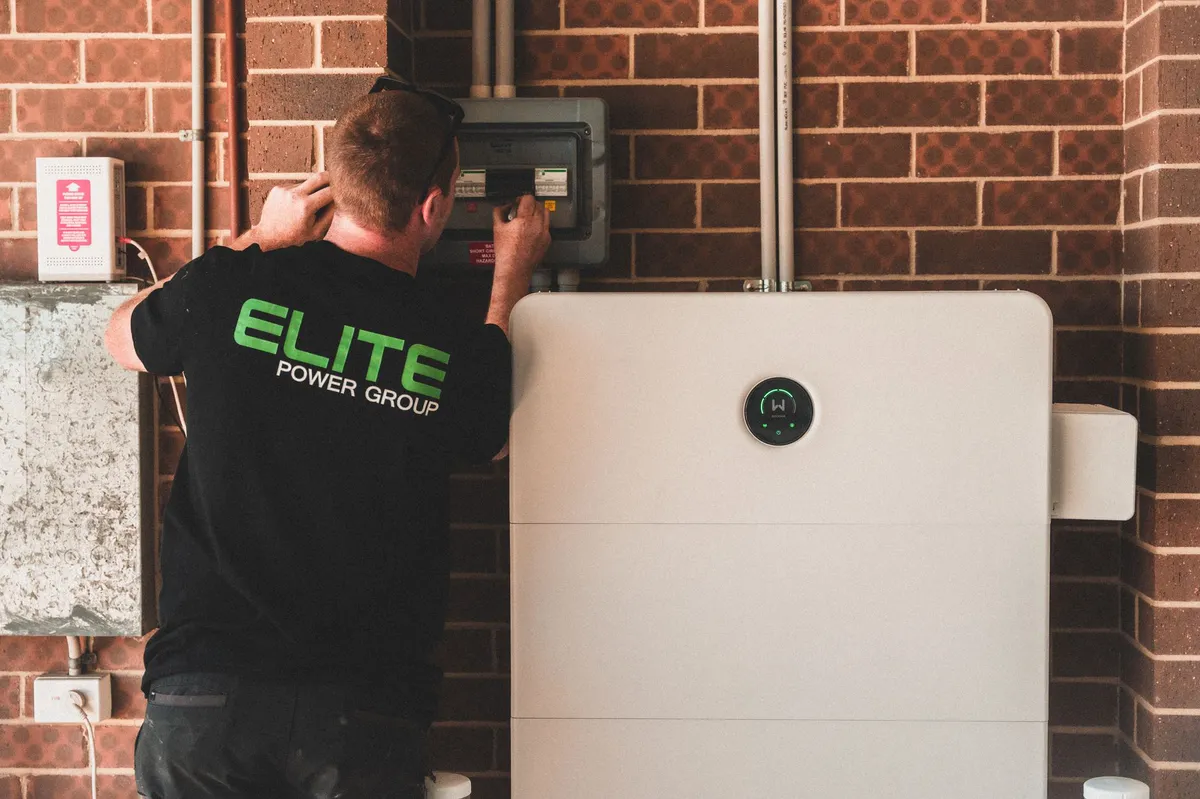
Historically, the cost of installing a home battery system has been a barrier for many homeowners. With installation costs exceeding $10,000, these systems were primarily attractive to affluent individuals who had already invested in solar panels. However, the recent price cuts are making them increasingly accessible to a wider audience. The decline in battery costs can be attributed to several factors:
- Advancements in Battery Technology: Innovations in lithium-ion technology have significantly reduced the cost of manufacturing batteries.
- Increased Production Scale: As demand for batteries rises, manufacturers are ramping up production, leading to economies of scale.
- Government Incentives: Various states offer incentives for energy storage solutions, making the initial investment less daunting for homeowners.
The Role of Virtual Power Plants
One of the key innovations driving the affordability of home batteries is the concept of the Virtual Power Plant (VPP). A VPP aggregates and coordinates distributed energy resources, such as home batteries and water heaters, allowing them to operate collectively as a single power source. This technology provides utilities with a flexible and cost-effective solution to meet peak electricity demand without the need for expensive peaker plants or costly infrastructure upgrades.

How VPPs Work
VPPs operate by charging batteries during periods of low electricity demand, typically when energy prices are lower, and discharging stored energy back to the grid during peak demand times when prices are high. This not only helps stabilize the grid but also generates revenue for the VPP operators and, in turn, lower costs for consumers. As Tim Pianta from Base Power notes, “Our goal is to have it be a win-win, like it’s a no brainer.”
The Speed and Efficiency of VPPs
Unlike traditional power generation methods, which can take years to bring online, VPPs can be deployed relatively quickly. For instance, Base Power's deal with CoServ, a North Texas electricity cooperative, aims to install a 100-megawatt VPP in under a year, compared to the typical two to four years required for a conventional power plant. This speed is crucial in a rapidly evolving energy landscape, where demand is soaring due to the electrification of various sectors, including the burgeoning artificial intelligence (AI) industry.

Environmental and Economic Benefits
The proliferation of VPPs offers several key benefits:
- Environmental Sustainability: By utilizing existing home batteries, VPPs reduce the need for new power plants, thereby decreasing carbon emissions.
- Cost Savings: Consumers benefit from lower electricity rates and financing options for battery installations, making clean energy more affordable.
- Grid Stability: VPPs enhance grid resilience, particularly during extreme weather events or unexpected surges in demand.
The Future of Home Batteries and VPPs
The market for VPP technology is still in its infancy, valued at approximately $7.4 billion but projected to exceed $30 billion by 2033. As more homeowners adopt battery systems and utilities increasingly recognize the value of VPPs, we can expect to see widespread implementation across the United States. The combination of declining battery costs, innovative financing solutions, and the growing demand for reliable energy sources will likely drive this trend forward.
Market Expansion and Nationwide Adoption
Currently, VPPs are gaining traction in states like Texas and California, where energy demand is high, and regulatory frameworks support the growth of distributed energy resources. However, as the technology matures and awareness increases, VPPs are expected to expand nationwide. Nicole Tomasin, the chief commercial officer at Energy Access Innovations, emphasizes that as more data centers and AI-driven facilities come online, the demand for rapid interconnection to the grid will accelerate VPP adoption. “They’re not buying kilowatt-hours; they’re buying interconnect speed at that point,” she explains.
Key Takeaways
- The home battery market is becoming increasingly competitive, leading to significant price reductions.
- Virtual Power Plants (VPPs) offer a cost-effective solution for utilities to manage peak demand.
- VPPs can be deployed quickly, providing a sustainable and efficient alternative to traditional power plants.
- The market for VPP technology is projected to grow substantially in the coming years.
Frequently Asked Questions
What are the main advantages of home battery systems?
Home battery systems provide several key advantages, including energy independence, cost savings, and enhanced grid stability. By storing energy generated from renewable sources, homeowners can reduce reliance on the grid and save on electricity bills. Moreover, during power outages or high demand periods, battery systems can supply backup power, ensuring essential devices remain operational.
How do Virtual Power Plants benefit consumers?
Virtual Power Plants (VPPs) benefit consumers by providing lower electricity rates and access to affordable battery systems. By aggregating distributed energy resources, VPPs can optimize energy delivery, reducing costs for consumers. Additionally, VPPs contribute to a more reliable energy grid, enhancing overall energy security.
Are there incentives available for installing home batteries?
Yes, many states offer various incentives for homeowners who install energy storage systems, including tax credits, rebates, and grants. These incentives can significantly reduce the upfront costs associated with purchasing and installing home batteries, making them a more attractive investment for consumers.
What is the future outlook for home batteries and VPPs?
The future of home batteries and Virtual Power Plants is promising, with increasing adoption expected in the coming years. As technology continues to advance and costs decline, more homeowners will likely invest in battery systems. Additionally, the market for VPPs is projected to experience substantial growth as utilities recognize their value in managing peak demand and enhancing grid resilience.
Comments
AI Deployment: The Risk of Reducing Human Oversight
Recent trends show that companies burned by AI failures are hastily removing human oversight from AI deployment processes. This decision raises critical questions about the reliability of automated evaluations and the implications for business operations.

Related articles



Popular in Cloud Computing
- SK Hynix's Historic $26.5 Billion IPO: A New Era for Memory Chips
- Kubernetes and the Future of Desktop Infrastructure: A Paradigm Shift
- Amazon Expands Partnership with Nvidia, Tripling GPU Orders Amid AI Demand Surge
- Elon Musk's Evolving Relationship with Anthropic: A New Era for AI Hosting
- Emerging Rocket Launches: A New Era for Space Exploration