AI Deployment: The Risk of Reducing Human Oversight
Recent trends show that companies burned by AI failures are hastily removing human oversight from AI deployment processes. This decision raises critical questions about the reliability of automated evaluations and the implications for business operations.
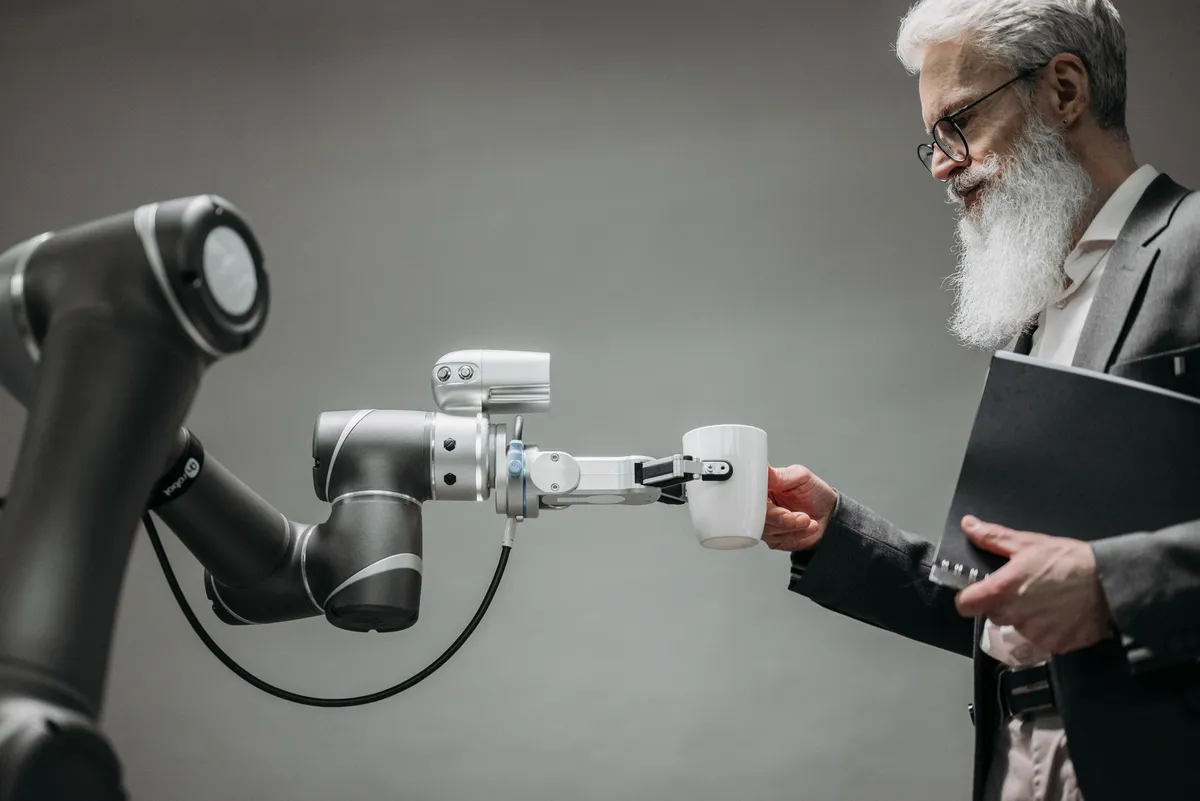
In a rapidly evolving technological landscape, organizations are increasingly relying on artificial intelligence (AI) to streamline operations and enhance efficiency. However, a recent survey has revealed a troubling trend: companies that have faced setbacks due to AI failures are not slowing down their deployment of autonomous systems; instead, they are accelerating the removal of human oversight in these processes. This pivot raises significant concerns about the reliability of automated evaluations and the potential repercussions of minimizing human intervention.
The findings from a VentureBeat Intelligence survey conducted in July 2026 indicate that 85% of companies that experienced issues with their AI systems are now moving towards a model that permits AI agents to operate with minimal or no human approval. This trend is particularly alarming given that just under half of the surveyed organizations reported that AI features had passed internal tests only to fail in real-world applications, highlighting a critical gap between evaluation and performance.
The Growing Trust in Automated Evaluations
Despite the risks associated with AI deployment, there is a notable increase in trust towards automated evaluations. The survey revealed that confidence in automated assessment systems rose from 5% to 13% within a month. This growing belief in automated evaluations is juxtaposed with the reality that many organizations continue to experience failures after these features have successfully passed internal testing.
The Discrepancy in Confidence
Interestingly, among the enterprises that faced customer-visible issues with AI systems that had passed evaluations, only 4% expressed complete faith in automated checks. Conversely, 24% of those who had not encountered similar problems reported full confidence in these evaluations. This stark contrast underscores the notion that firsthand experience with AI failures fosters skepticism towards the very systems designed to ensure reliability.
AI Features: Risks and Realities
As companies increasingly grant AI systems more authority, the implications of these decisions extend beyond immediate operational concerns. The survey revealed that 67% of organizations are either currently allowing AI agents to alter systems without human approval in low-risk scenarios or are in the process of modifying their workflows to support such practices.
Understanding the Deployment Dynamics
This trend is particularly pronounced among organizations that have encountered customer-facing incidents. A striking 85% of these companies are pursuing a no-approval deployment model, a significant increase compared to the 61% among organizations that have not experienced similar issues. This dynamic raises questions about the maturity of deployment practices within these organizations and whether the risk of increased incidents is worth the potential efficiency gains.
- 85% of companies that have faced AI failures are reducing human oversight in AI deployment.
- 49% of surveyed organizations reported customer-visible issues with AI features that passed testing.
- 67% of companies are allowing AI agents to operate without human approval in certain scenarios.
- Confidence in automated evaluations increased from 5% to 13% in just one month.
The Need for Robust Monitoring Mechanisms
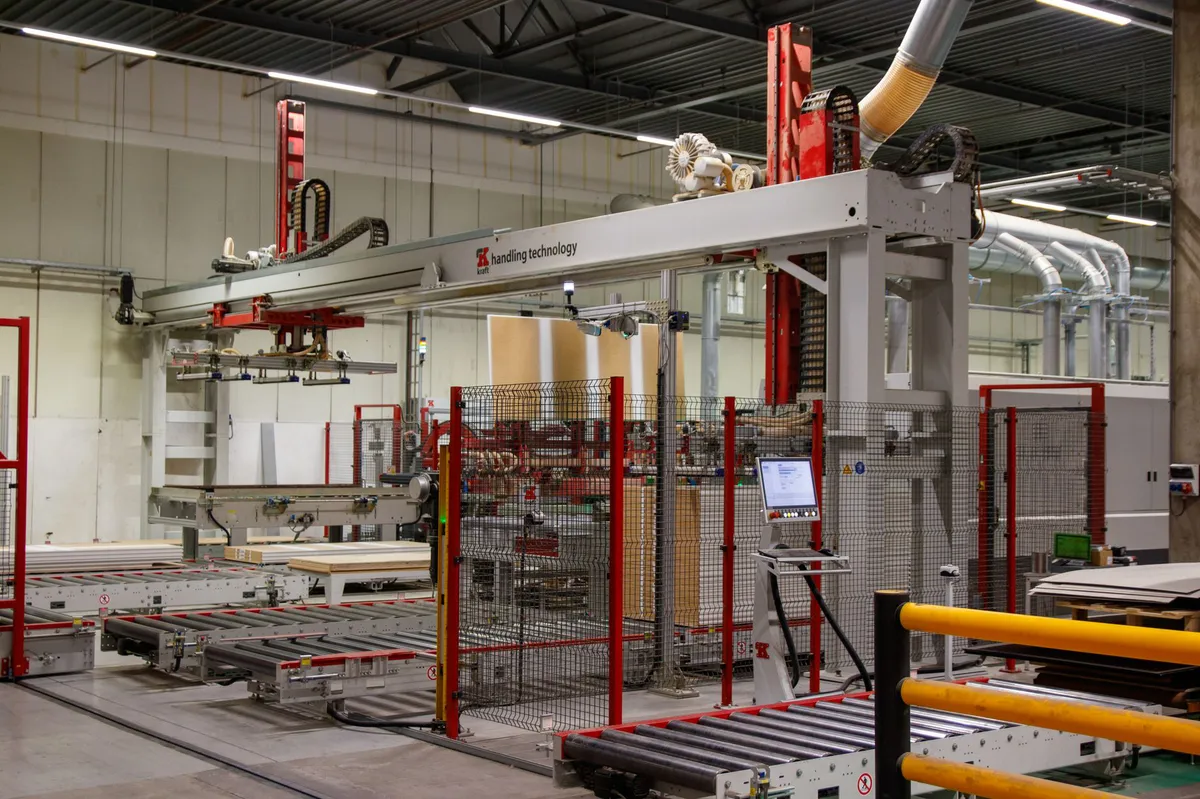
While the reliance on automated evaluations is increasing, monitoring the performance of AI systems in real-time remains a challenge for many enterprises. The survey found that only 26% of respondents employed inline quality assertions to monitor the correctness of live outputs from AI agents, indicating that a significant portion of organizations are not adequately equipped to catch errors post-deployment.
Identifying Gaps in Assurance
This lack of post-deployment monitoring is particularly concerning given that pre-deployment evaluations and production monitoring serve different functions. While pre-deployment evaluations determine whether an AI agent is ready for deployment, production monitoring assesses how the agent performs in real-world scenarios. Without sufficient monitoring protocols, organizations risk deploying AI systems that can produce incorrect or harmful outputs, especially in high-stakes applications.
The Emergence of Independent Evaluation Tools
In response to the growing need for reliable AI evaluation mechanisms, the market for independent evaluation tools is beginning to take shape. The survey indicates that there is an increasing trend among enterprises to incorporate dedicated evaluation platforms, with OpenAI's native evaluations and tools like Confident AI's DeepEval gaining traction.
Market Shifts and Vendor Adoption
As organizations seek ways to enhance the reliability of their AI deployments, the adoption of specialist evaluation platforms is expected to continue rising. This shift represents a critical move towards ensuring that AI systems are not only evaluated effectively before deployment but are also monitored for quality and accuracy post-deployment. The growing market for these tools suggests that organizations are beginning to recognize the limitations of their existing evaluation frameworks and are actively seeking solutions to bridge the gap.
Key Takeaways
- Organizations are increasingly reducing human oversight in AI deployments following failures.
- There is a growing trust in automated evaluations, despite ongoing failures in real-world applications.
- Robust monitoring mechanisms are lacking, risking incorrect outputs post-deployment.
- The market for dedicated AI evaluation tools is emerging as companies seek reliable solutions.
Frequently Asked Questions
What are the risks of reducing human oversight in AI deployments?
Reducing human oversight in AI deployments can lead to significant risks, including the potential for AI systems to make erroneous decisions that affect customers or operations. Without human intervention, there is a greater chance of deploying flawed AI systems that have not been adequately assessed for real-world scenarios. This can result in financial losses, damage to reputation, and legal ramifications in instances where AI decisions lead to negative outcomes.
How can companies improve their AI monitoring processes?
To improve AI monitoring processes, companies should invest in dedicated evaluation tools that provide real-time insights into the performance of AI systems. Implementing inline quality assertions, transaction tracing, and anomaly detection can help organizations identify issues as they arise, ensuring that AI outputs remain accurate and reliable. Furthermore, fostering a culture of continuous improvement and learning can enhance the overall effectiveness of AI monitoring strategies.
Why is trust in automated evaluations increasing despite failures?
Trust in automated evaluations is rising as more companies recognize the efficiency and speed that these systems can offer when properly implemented. As organizations seek to streamline operations and reduce costs, automated evaluations can provide a compelling alternative to traditional methods. However, this increased trust must be tempered with a clear understanding of the limitations of these evaluations and the potential consequences of their failures in real-world applications.
Comments
The Rise of Affordable Home Batteries: Revolutionizing Energy Storage
Home battery systems are becoming more affordable and accessible, driven by intense market competition and innovative technologies. This article explores the factors behind this trend and its implications for homeowners and the energy sector.
Related articles



Popular in Cloud Computing
- SK Hynix's Historic $26.5 Billion IPO: A New Era for Memory Chips
- Kubernetes and the Future of Desktop Infrastructure: A Paradigm Shift
- Amazon Expands Partnership with Nvidia, Tripling GPU Orders Amid AI Demand Surge
- Elon Musk's Evolving Relationship with Anthropic: A New Era for AI Hosting
- Emerging Rocket Launches: A New Era for Space Exploration