Etched Achieves Unprecedented Valuation Surge to $21 Billion in Just One Month
Etched, an AI hardware startup, has seen its valuation soar from $5 billion to $21 billion within a month, driven by innovative technologies and strong investor interest. This rapid growth raises questions about sustainability and market dynamics in the AI sector.

In a stunning display of growth, Etched, a rising player in the AI hardware arena, has announced a new funding round that has propelled its valuation from $5 billion to an astounding $21 billion within just a month. This dramatic leap, fueled by a $700 million investment led by Jane Street, underscores the increasing demand for advanced AI technologies and raises questions about the sustainability of such rapid financial escalations in the tech sector.
Founded to tackle the complexities of artificial intelligence processing, Etched has captured investor attention with its innovative hardware solutions, specifically designed to enhance the speed and efficiency of AI inference — the process through which AI systems generate outputs based on user prompts. As the AI landscape evolves and competition intensifies, understanding the underlying technologies and market dynamics becomes essential for stakeholders.
The Mechanics of Inference and Innovative Design
Etched's core technology revolves around its so-called "frontier inference clusters," which are full systems engineered to optimize the AI inference process. Co-founder and COO Robert Wachen explained that inference occurs in two primary phases: prefill and decode. The prefill phase involves understanding the user's prompt, while the decode phase generates the actual response.
Prefill and Decode Explained
1. **Prefill Phase**: This phase is computationally intensive, requiring significant processing power to interpret the prompt accurately, inclusive of context.
2. **Decode Phase**: This stage relies heavily on memory to produce the output tokens — the answers that users ultimately receive.
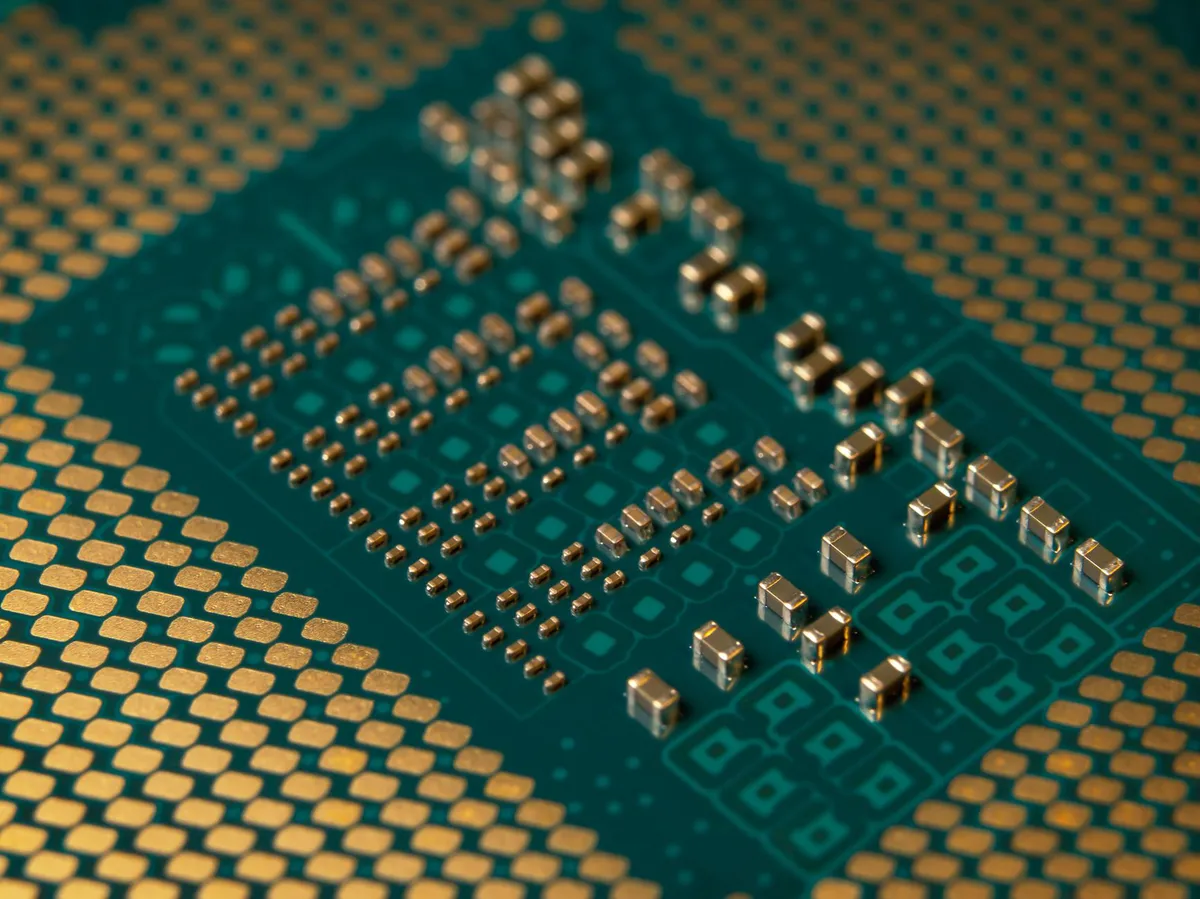
Etched has developed a low-voltage prefill chip that enables a greater transistor density without the overheating issues common in high-performance chips. This innovation allows the company to process more tokens at a faster rate, enhancing overall efficiency.
Moreover, Etched has introduced a unique type of memory called cluster-scale memory, which allows multiple chips to share a memory pool, significantly reducing latency. This combination of technologies not only speeds up processing but also lowers operational costs, making it an attractive option for businesses reliant on AI capabilities.
Market Dynamics and Investor Enthusiasm
Despite its rapid ascent, Etched continues to grapple with misconceptions from its earlier days, particularly the notion that its chips are tailored exclusively for specific AI models. Originally designed with this intention, the company has since pivoted to offer systems that can run any frontier model, thus broadening its market appeal.
Investment firm Jane Street's participation in this latest funding round illustrates the confidence in Etched's technology. In their public statement, they noted, "We tested the chip and are pleased with the early results. Etched’s unique approach to inference delivers the precision we will need to support our most demanding workloads. We’re excited to now have our own rack running in our datacenter." This endorsement from a major player in the finance sector highlights the potential applications of Etched's technology in high-performance environments.
Who Else is Backing Etched?
Etched’s impressive list of investors includes notable names like Kleiner Perkins, Sequoia Capital, Andreessen Horowitz, and Peter Thiel, among others. This wide-ranging support reflects a collective belief in the company's vision and the transformative potential of its technology in the AI landscape.

Valuation Surge: What Does It Mean?
The leap from $10.3 billion to $21 billion in a matter of weeks raises critical questions about the broader implications for the tech industry. The AI sector is characterized by its volatility and rapid changes in investor sentiment, making it challenging to determine whether such valuations can be sustained in the long term.
Moreover, this case exemplifies a trend in the tech industry where companies can secure massive funding rounds based on projected future growth rather than established revenue streams. This speculative approach may lead to inflated valuations that are difficult to justify as market conditions evolve.
Challenges Ahead
As Etched forges ahead, it will need to navigate several challenges, such as maintaining technological leadership, managing investor expectations, and scaling operations effectively. The company must also contend with a competitive landscape that includes established giants like Nvidia, which refers to its full systems as AI factories. This competitive pressure could influence pricing strategies and impact long-term profitability.
Key Takeaways
- Etched's valuation has surged to $21 billion following a $700 million funding round led by Jane Street.
- The company specializes in AI hardware, particularly its frontier inference clusters.
- Innovative technologies, such as low-voltage prefill chips and cluster-scale memory, drive Etched's competitive advantage.
- Investor enthusiasm reflects confidence in the potential of AI technologies, but sustainability of such rapid valuation increases is uncertain.
- Challenges include maintaining technological superiority and navigating a competitive market landscape.
Frequently Asked Questions
What is Etched's core technology?
Etched's core technology revolves around its frontier inference clusters, which are designed to optimize the AI inference process. The company focuses on enhancing speed and efficiency through innovations like low-voltage prefill chips and cluster-scale memory, which allow for faster processing and reduced latency in generating outputs from AI models.
How did Etched achieve such a rapid valuation increase?
Etched's valuation skyrocketed due to strong investor interest, driven by the company's innovative technology and successful funding rounds. The latest round saw a $700 million investment from notable firms, including Jane Street, reflecting confidence in Etched's potential to deliver cutting-edge AI solutions in a rapidly evolving market.
What challenges might Etched face moving forward?
While Etched has made significant strides, it faces several challenges, including the need to sustain its technological edge in a competitive landscape dominated by established players like Nvidia. Additionally, the company must manage investor expectations and scale its operations effectively to meet growing demand for its AI hardware solutions.
What does this mean for the AI hardware market?
Etched's valuation surge indicates a growing appetite for innovative AI hardware solutions, which could lead to increased investments and competition within the sector. However, it also raises questions about valuation sustainability and whether the market can support such rapid financial growth without a solid foundation in revenue generation and profitability.
Comments
The Rise of Affordable Home Batteries: Revolutionizing Energy Storage
Home battery systems are becoming more affordable and accessible, driven by intense market competition and innovative technologies. This article explores the factors behind this trend and its implications for homeowners and the energy sector.
Related articles



Popular in Cloud Computing
- SK Hynix's Historic $26.5 Billion IPO: A New Era for Memory Chips
- Kubernetes and the Future of Desktop Infrastructure: A Paradigm Shift
- Amazon Expands Partnership with Nvidia, Tripling GPU Orders Amid AI Demand Surge
- Elon Musk's Evolving Relationship with Anthropic: A New Era for AI Hosting
- Emerging Rocket Launches: A New Era for Space Exploration