SpaceX's Starship: A Remarkable Return After 24 Days at Sea
SpaceX's Starship has successfully returned after a 24-day journey across the Indian Ocean, marking a significant achievement in spacecraft recovery and reuse. Engineers are now preparing to analyze the vehicle as the company continues to refine its ambitious plans for space exploration.

In a remarkable feat of engineering and resilience, SpaceX's Starship has made its way back to calmer shores after an arduous 24-day journey at sea. Following its splashdown in the Indian Ocean, the spacecraft has traveled hundreds of miles to reach Christmas Island, an Australian territory. This journey marks a pivotal moment in SpaceX's ongoing efforts to innovate and push the boundaries of space travel, showcasing the company's commitment to the recovery and reuse of its spacecraft.
The mission, which concluded on July 24, was thought to end with the Starship's typical fate — a fiery disintegration post-splashdown. However, against all odds, the vehicle remained intact after toppling over, a result that surprised SpaceX engineers and enthusiasts alike. With the spacecraft now safely retrieved, a team of engineers is set to conduct a thorough analysis to assess the performance and condition of the vehicle, including its heat shield that plays a critical role in reentry safety.
Starship's Journey: From Splashdown to Recovery
Starship's adventure began when it successfully splashed down in the Indian Ocean following a test flight that took it halfway around the globe from SpaceX's launch base in South Texas. This splashdown was a critical moment, as the vehicle was designed to gather extensive data on its performance during various stages of flight. Equipped with numerous onboard sensors and cameras, as well as support from drones and buoys positioned at the splashdown zone, the Starship collected invaluable data about its heat shield, which is essential for future missions.
Despite the successful collection of data, the initial expectation was that the vehicle would not survive the splashdown process. Historically, SpaceX's Starship prototypes have faced catastrophic failures during or after splashdown, leading to their destruction. However, this time, Starship not only survived but did so in a manner that left engineers optimistic about future developments.
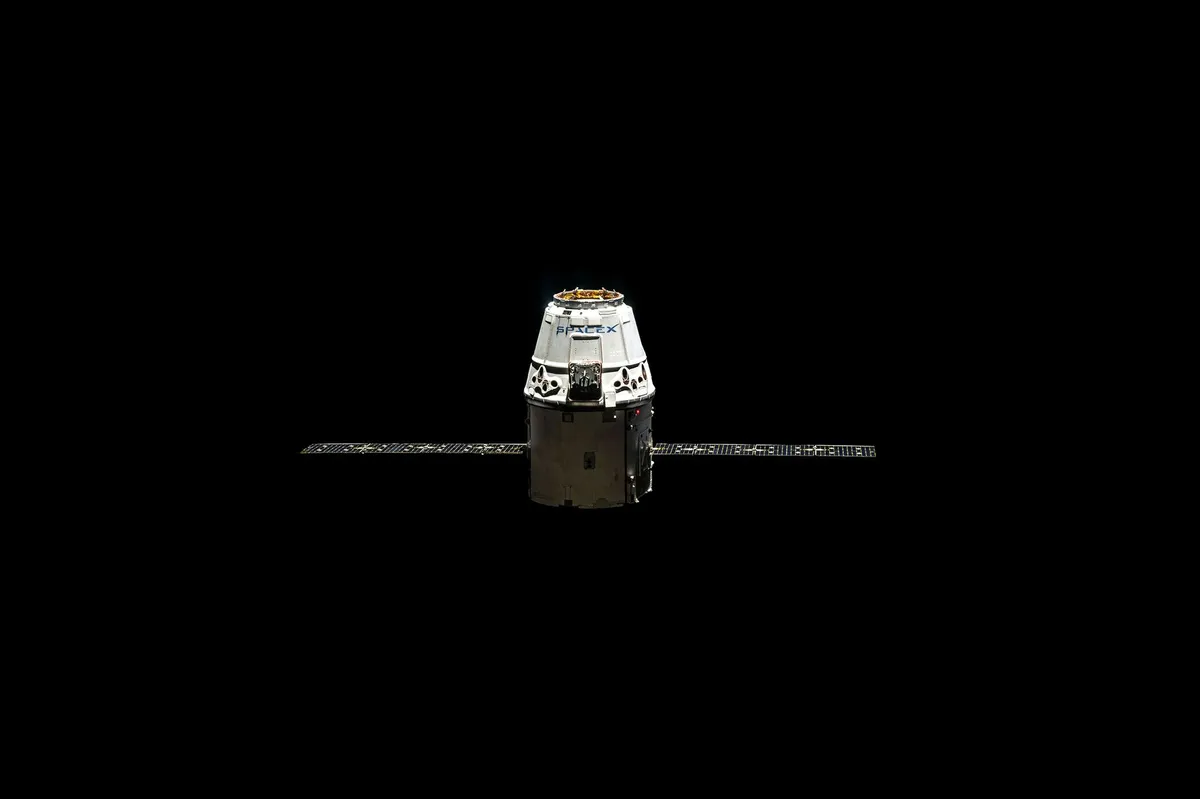
Engineering Challenges and Innovations
The successful recovery of Starship is a testament to the engineering prowess of the SpaceX team. The spacecraft is an impressive structure, measuring over 170 feet (52 meters) long and 30 feet (9 meters) in diameter. Transporting such a large vehicle back to its development site, Starbase, presents a unique set of challenges, particularly since it cannot be flown back in one piece due to its size.
The journey involved towing the Starship engine-first across the Indian Ocean, a logistical effort that required careful planning and execution. The recovery ship's crew used air-filled Yokohama fenders to keep the spacecraft afloat amid rough seas, demonstrating innovative thinking in challenging conditions.
Elon Musk, SpaceX’s CEO, had previously expressed doubts about the recovery operation. At one point, he stated that the prospects of bringing the ship back were “not looking good,” although the crew later obtained critical close-up photographs of the heat shield and engines to inform future upgrades. This highlights the unpredictable nature of space exploration, where every mission can yield unexpected results and challenges.
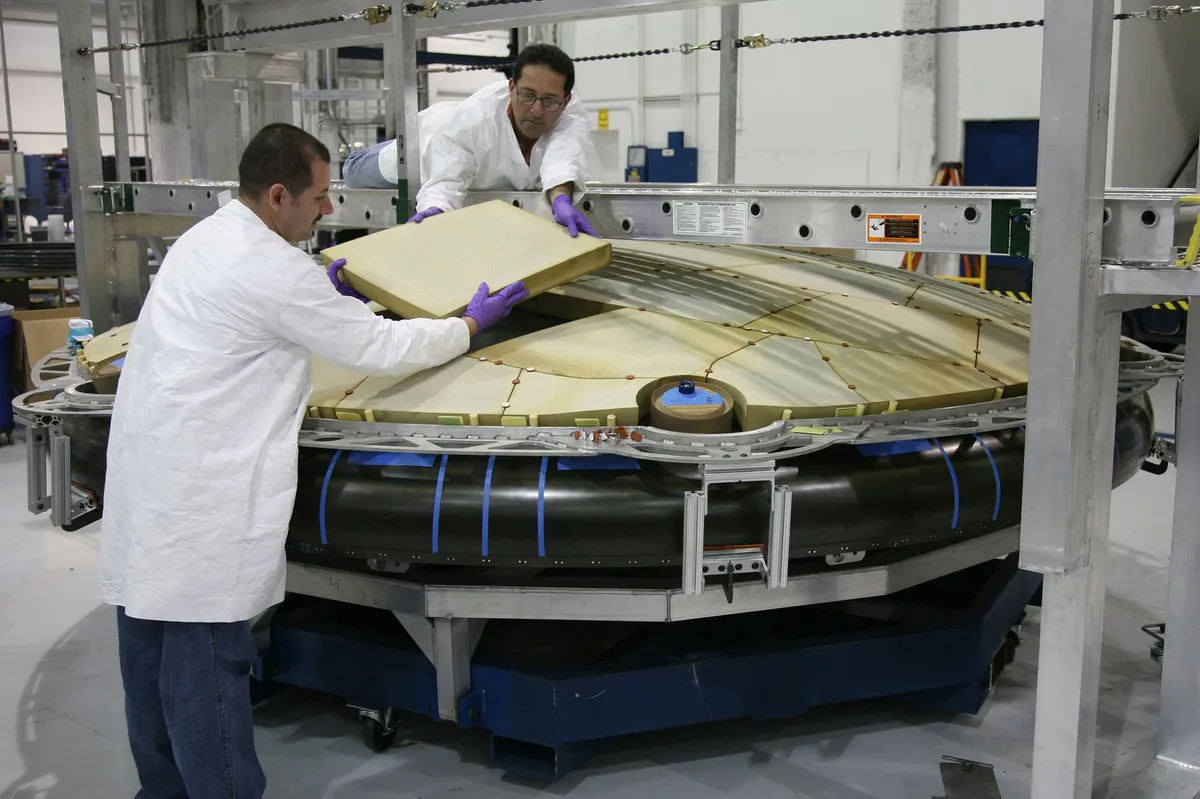
Heat Shield: The Key to Reusability
One of the most significant aspects of SpaceX's Starship is its heat shield, composed of around 18,000 ceramic tiles. This heat shield is crucial for protecting the spacecraft during atmospheric reentry, a phase that has historically posed substantial risks to spacecraft integrity. NASA's Space Shuttle program utilized similar tiles, but those required extensive maintenance and replacement after every flight, which posed challenges to rapid reuse.
SpaceX aims to improve upon this design by developing a heat shield that will allow for quicker turnarounds between flights. During a recent earnings call, Musk proclaimed that the heat shield issue was “solved,” a statement that has drawn skepticism from industry experts who caution that while the shield performed better than previous iterations, it still must be tested under the rigors of frequent use.
As SpaceX gears up for ambitious plans, including establishing bases on the Moon and Mars, the durability and reliability of the heat shield will be critical. The data collected from this latest recovery will inform future designs and modifications, with the potential to advance the technology significantly.

The Future of Starship and SpaceX's Vision
Looking ahead, the successful retrieval of Starship opens numerous avenues for SpaceX's future endeavors. The company is not only focused on perfecting Starship for its own missions but also on addressing the broader implications for commercial space travel and international collaborations in space exploration.
SpaceX intends to implement a recovery method that allows for immediate retrieval of Starships at the launch site using mechanical arms on the launch tower. This method could significantly streamline the process of preparing the vehicle for its next mission, allowing SpaceX to operate a fleet capable of rapid launches, possibly multiple times a day.
As the company continues to innovate, it is also worth noting that the recovery of this particular Starship may not lead to its reuse. The saltwater exposure and damage incurred during the tip-over will limit its viability for future missions. However, the insights gained from this experience will undoubtedly shape the design and engineering of subsequent Starships.
Key Takeaways
- Successful Recovery: SpaceX's Starship was successfully retrieved after 24 days at sea, marking a significant achievement in spacecraft recovery.
- Heat Shield Innovations: The heat shield's performance during reentry is critical for the future of rapid reuse in space travel.
- Future of SpaceX: The insights gained from this mission will inform the design and operational protocols for future Starships.
- Operational Changes: SpaceX plans to implement new recovery methods to enhance turnaround times for launches.
- Continuous Learning: Each mission provides essential data that drives advancements in spacecraft technology.
Frequently Asked Questions
What are the next steps for SpaceX after recovering Starship?
After recovering the Starship, SpaceX will conduct a thorough analysis of the vehicle to assess its condition and performance. This includes examining the heat shield and other critical components to gather data that will inform future designs and improvements. The insights gained from this mission will help SpaceX refine its operational protocols and enhance the technology used in subsequent Starship missions.
How does the recovery of Starship impact future space missions?
The successful recovery of Starship demonstrates SpaceX's commitment to making space travel more sustainable and cost-effective through the reuse of spacecraft. This achievement allows SpaceX to gather valuable data that can be applied to future missions, potentially increasing the frequency and safety of launches. With plans to establish bases on the Moon and Mars, the ability to recover and reuse spacecraft is vital for long-term space exploration.
What challenges does SpaceX face with the heat shield technology?
While SpaceX has made significant strides in developing the heat shield for Starship, there are still challenges to address. The primary concern is ensuring that the heat shield can withstand the rigors of frequent use, especially as SpaceX envisions a high flight rate for its Starship fleet. Continuous testing and data collection will be necessary to validate the heat shield's durability and effectiveness for future missions.
Comments
The Rise of Affordable Home Batteries: Revolutionizing Energy Storage
Home battery systems are becoming more affordable and accessible, driven by intense market competition and innovative technologies. This article explores the factors behind this trend and its implications for homeowners and the energy sector.

Related articles



Popular in Cloud Computing
- SK Hynix's Historic $26.5 Billion IPO: A New Era for Memory Chips
- Kubernetes and the Future of Desktop Infrastructure: A Paradigm Shift
- Amazon Expands Partnership with Nvidia, Tripling GPU Orders Amid AI Demand Surge
- Elon Musk's Evolving Relationship with Anthropic: A New Era for AI Hosting
- Emerging Rocket Launches: A New Era for Space Exploration