The Rise of Universal Entertainment Apps: How AI is Transforming Content Consumption
As entertainment apps converge under the influence of AI, users face a changing landscape where content formats blend. Discover how these shifts impact creators and consumers alike.

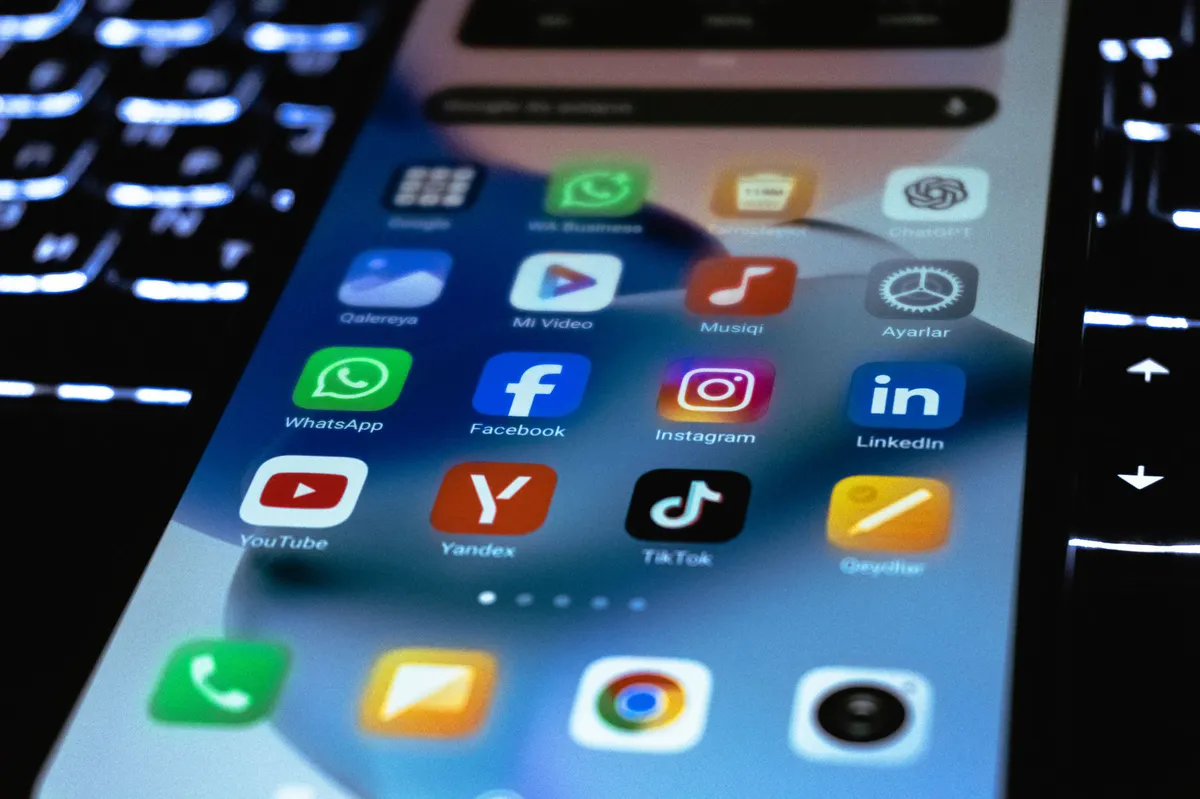
In an era defined by rapid technological advancement, the entertainment landscape is undergoing a seismic shift. No longer are consumers tethered to specific types of media; instead, a new breed of entertainment app is emerging, powered by artificial intelligence (AI) and designed to cater to every whim of the user. The traditional distinctions between music, video, podcasts, and even gaming are blurring, leading to a convergence of platforms that aims to become a one-stop shop for all forms of entertainment. This evolution is not merely a trend but a response to a maturing market, shifting user habits, and the capabilities brought forth by AI.
The market for entertainment apps has seen a slowdown in growth as it reaches maturity. Companies are now competing not just for new sign-ups but for user engagement and revenue per user. This has spurred a race among platforms like Netflix, Spotify, YouTube, and TikTok to capture not just a piece of users' time but their entire entertainment experience. By integrating various formats and leveraging AI, these platforms aim to keep users engaged, even during those fleeting moments of downtime.
The Maturing Market: Why Convergence is Inevitable
The quest for user engagement has led to a fundamental reshaping of how we consume content. As entertainment apps become more ubiquitous, the competition has shifted from attracting new users to maximizing the time existing users spend on the app. According to industry research, users now spend up to 30% more time on platforms that offer diverse content options, such as music, podcasts, and videos all in one place.
As creators increasingly work across multiple formats, it makes sense for apps to provide a comprehensive home for all types of content. For example, Netflix has expanded its offerings beyond traditional films and series to include gaming, live sports, and even podcasts, aiming to capture more of users’ leisure time. By doing so, they not only enhance user engagement but also open new revenue streams through ad revenue and subscription models.
AI: The Catalyst for Content Integration
AI technologies are at the heart of this convergence. With the ability to analyze user behavior and preferences, AI enables platforms to recommend content that aligns with individual tastes, regardless of format. This personalization is crucial in keeping users engaged. For instance, Spotify is testing features that allow users to edit their “Taste Profile,” shaping the AI’s recommendations based on user feedback.
The Role of Generative AI
Generative AI is also playing a pivotal role in how content is created and distributed. Platforms like Netflix are investing heavily in AI-driven content production, with Netflix recently acquiring Ben Affleck's AI film studio for a staggering $587 million. This acquisition is a testament to the potential of AI in streamlining content creation, allowing for faster iteration and more innovative storytelling.
YouTube, another major player in the space, has also embraced AI to enhance its service offerings. The platform has reported that over 1 million channels utilized AI creation tools, and its Gemini AI-powered content discovery feature engaged 20 million users in December alone. These advancements not only improve user experience but also position YouTube as a versatile platform for creators across various media.
Competitive Advantages: The Lock-In Effect
As these entertainment apps evolve, the competitive landscape is shifting. With fewer differentiators between platforms, the value proposition boils down to how effectively an app can connect users with their desired content. This has created a lock-in effect, where users find it increasingly difficult to switch platforms due to the wealth of personalized data accumulated over time.
For instance, TikTok has expanded beyond its short video roots to incorporate features like travel planning and event ticketing. This diversification not only enhances user engagement but also strengthens the platform’s position, making it harder for users to leave. The rationale is simple: the more time users invest in a platform, the less likely they are to abandon it, even if prices rise or quality declines.
Implications for Creators and Businesses
The rise of universal entertainment apps has significant implications for content creators and businesses alike. As platforms merge and offer diverse content, creators must adapt their strategies to thrive in this new environment. This may involve producing content across multiple formats or collaborating with other creators to reach wider audiences.
Moreover, the integration of AI tools presents both opportunities and challenges. While AI can enhance content creation and distribution, it also raises concerns about job security for artists and creators. Many worry that AI-generated content could overshadow human creativity, leading to a devaluation of original work. As these concerns grow, it is crucial for businesses to find a balance between leveraging AI and supporting their creative workforce.
Key Takeaways
- Entertainment apps are converging into universal platforms to capture user engagement.
- AI enhances personalization, making it easier for users to find content across formats.
- This convergence creates a lock-in effect, making it difficult for users to switch platforms.
- Content creators must adapt to new strategies and workflows in this evolving landscape.
- AI tools have the potential to streamline content creation but raise concerns about job security for artists.
Frequently Asked Questions
What is a universal entertainment app?
A universal entertainment app is a platform that integrates multiple types of content—such as music, video, podcasts, and games—into a single application. This allows users to access a variety of entertainment options without needing to switch between different apps. Examples include Netflix, Spotify, and YouTube, which have all expanded their offerings beyond their original formats.
How is AI changing the way we consume content?
AI is transforming content consumption by providing personalized recommendations that adapt to user preferences. This means that users are more likely to discover content they enjoy, regardless of the format. AI also facilitates content creation, making it easier for platforms to produce and distribute a wide range of media quickly and efficiently.
What are the risks associated with AI in entertainment?
While AI brings many benefits, there are significant concerns regarding job security for creators. Many artists fear that AI-generated content could replace human creativity, leading to lower demand for original works. Additionally, the reliance on AI for recommendations may create echo chambers, limiting the diversity of content that users are exposed to.
What should creators do to adapt to this changing landscape?
Creators should embrace the multi-format nature of modern entertainment platforms by diversifying their content across different media. Collaboration with other creators can also help amplify reach and engagement. Additionally, staying informed about AI tools and how they can be used to enhance creativity and productivity will be key to thriving in this evolving environment.
Comments
Apple and Klarna Introduce Game-Changing Lease-to-Own Program
Apple, in partnership with Klarna, is launching a new lease-to-own initiative for its devices, making premium technology more accessible. The Apple Upgrade program allows consumers to pay over multi-year periods, adjusting to rising hardware prices and supply chain challenges.

Related articles

Popular in SaaS Reviews
- Roost: The 'Slow-cial' App Redefining Digital Communication
- Uber's Expansion Beyond Ride-Hailing: The Future of Travel and Services
- Sweden's Startup Surge: The Forces Behind a Booming Ecosystem
- X's Algorithm Update: Creating a More Community-Focused Experience
- Elon Musk's Vision for X: Real-Time Misinformation Corrections via DMs