Meta's StoryKit: A New Era of AI-Generated Bedtime Stories
Meta's StoryKit app aims to create personalized bedtime stories for children using AI, raising questions about creativity and the role of technology in parenting.
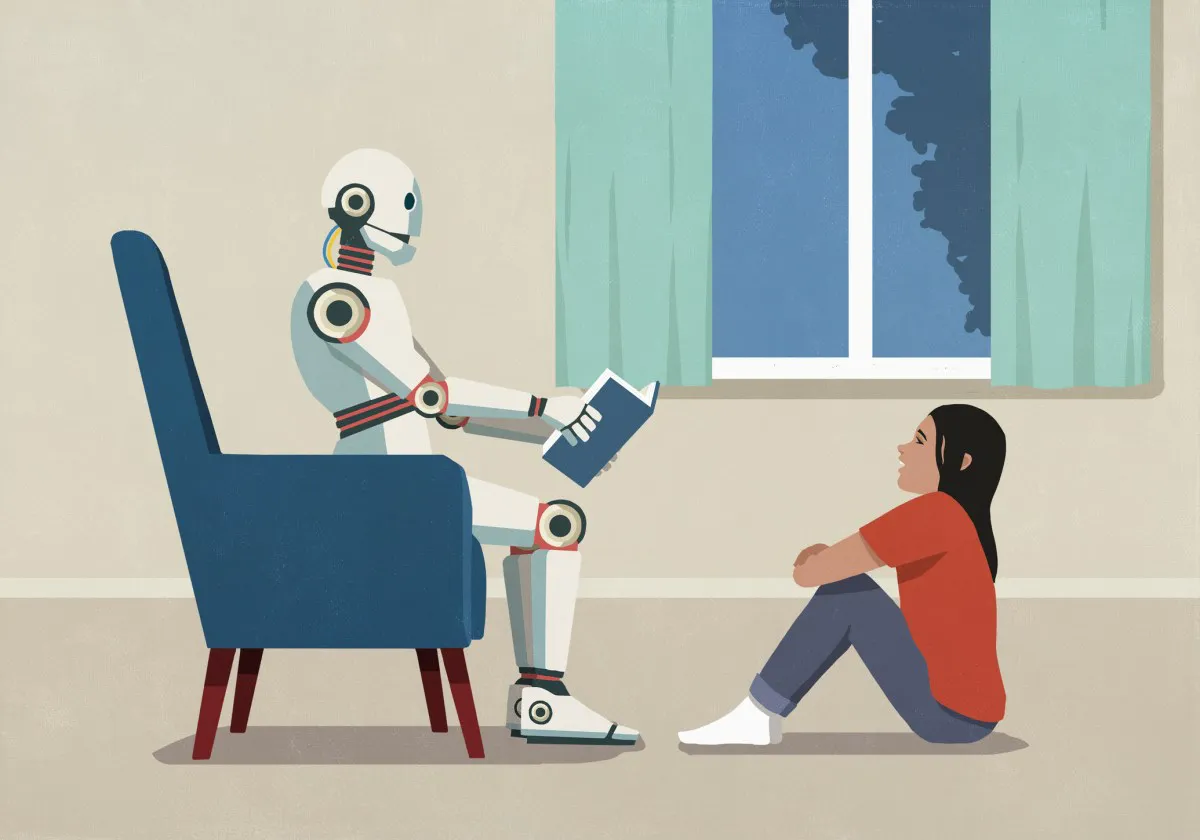
The art of storytelling has been a cherished tradition for centuries, a way to impart values, entertain, and spark the imagination of children and adults alike. As technology continues to evolve, the ways in which we tell stories are also transforming. Enter Meta’s latest venture, StoryKit, an AI-driven app that promises to revolutionize the bedtime story experience for parents and children. But as we embrace this new digital storyteller, we must ask ourselves: what does it mean for creativity and the human connection that storytelling fosters?
Currently in a testing phase, StoryKit allows users to generate customized children’s stories by selecting characters, environments, and life lessons. The app claims its ease of use is one of its main selling points—parents reportedly won’t need to write a single word. Instead, they can engage the platform to craft tales that are tailored to their children’s preferences, including the ability to snap a photo of a toy or a loved one to create a character. While this may seem like a practical solution for busy parents, it raises important questions about the implications of AI in our lives.
Understanding StoryKit: Features and Functionality
StoryKit’s functionality is fairly straightforward. Users start by selecting a character, which can be created by uploading a photo. This feature adds a personal touch, making the character uniquely relatable to the child. Next, the app prompts the parent to outline the world of the story, including the setting and any lessons or morals they wish to incorporate. The ability to instill values such as kindness and empathy within the narrative is an attractive aspect of the app, as it promises to impart important life lessons without lecturing the child. But how does it actually work?
The Technology Behind StoryKit
At its core, StoryKit operates on advanced algorithms and machine learning models that analyze user input to generate narratives. These models are trained on vast datasets, learning the structure of storytelling, character development, and thematic elements. The application of AI in storytelling is not new, but StoryKit aims to make it accessible to a broader audience, particularly parents who may lack the time or skill to craft engaging stories themselves.
- User-Friendly Interface: Designed for ease of use, ensuring parents can navigate it quickly.
- Customizable Characters: Users can create characters based on their child’s favorite toys or people.
- Value-Based Lessons: The app encourages moral teachings without feeling preachy.

The Pros and Cons of AI Storytelling
While the convenience of StoryKit is undeniable, it is essential to weigh the benefits against the potential drawbacks. On one hand, the app could provide much-needed relief for parents who find themselves pressed for time or creativity at the end of a long day. However, there are several concerns that merit discussion.
Benefits
1. **Time-Saving:** For parents juggling busy schedules, the app streamlines the storytelling process.
2. **Engagement:** Personalized stories may keep children more engaged than traditional books.
3. **Value Integration:** The ability to weave in morals can help reinforce positive behavior.
Drawbacks
1. **Loss of Personal Touch:** The essence of storytelling often lies in its personal touch, an element that AI may struggle to replicate.
2. **Over-Reliance on Technology:** Parents may become dependent on the app, leading to a decline in imaginative storytelling.
3. **Impact on Creativity:** Relying on AI-generated content may stifle a child's natural creativity and ability to imagine their own stories.

The Cultural Impact of AI in Storytelling
The introduction of StoryKit raises broader questions about the role of technology in parenting and childhood development. Storytelling has always been a fundamental part of human culture, serving not only as entertainment but as a means of transmitting knowledge and values. With the advent of AI, we are now faced with the challenge of balancing technological convenience with the need for human connection.
The Future of Storytelling
StoryKit is emblematic of a growing trend in the tech industry aimed at automating tasks traditionally performed by humans. As AI continues to evolve, we may see more applications that seek to replace human creativity with algorithm-driven solutions. The implications of this shift could be profound—especially in terms of how children learn to relate to stories. Will they think of storytelling as a collaborative process that involves imagination and improvisation, or as simply a tool that generates tales at the touch of a button?
Key Takeaways
- Meta's StoryKit app allows for personalized, AI-generated bedtime stories.
- The app emphasizes ease of use, requiring no writing from parents.
- While it offers convenience, there are concerns about creativity and personal connection.
- The cultural implications of AI in storytelling are significant, prompting a reevaluation of human versus machine creativity.
- Parents must consider the balance between technology and the importance of human storytelling.

Frequently Asked Questions
What age group is StoryKit designed for?
StoryKit is primarily aimed at parents of young children, as the app focuses on creating engaging bedtime stories suitable for that demographic. While the content can be tailored to various age ranges, the simplicity and interactive nature of the app make it particularly appealing to preschool and early primary school-aged children.
How does StoryKit ensure the generated stories are appropriate for children?
Meta has implemented AI safety filters within StoryKit to ensure that the content generated is suitable for children. This includes monitoring for inappropriate language and themes, as well as ensuring that the stories align with positive messaging. However, parents are still encouraged to review the generated content to ensure it fits their family’s values and beliefs.
Can I use StoryKit offline?
Currently, StoryKit requires an internet connection to generate stories, as it relies on cloud-based AI processing. This means that parents will need to ensure they have access to the internet when using the app. However, once a story is generated, it can be saved and accessed later, allowing for repeated enjoyment of the same tale.
Will StoryKit replace traditional bedtime stories?
While StoryKit offers a modern twist on storytelling, it is unlikely to completely replace traditional bedtime stories. Many parents and children cherish the experience of reading together from physical books, which fosters a unique bond and encourages imaginative interaction. StoryKit serves as an additional tool for parents, but it should ideally complement rather than replace the rich tradition of storytelling that has existed for generations.
Comments
Apple and Klarna Introduce Game-Changing Lease-to-Own Program
Apple, in partnership with Klarna, is launching a new lease-to-own initiative for its devices, making premium technology more accessible. The Apple Upgrade program allows consumers to pay over multi-year periods, adjusting to rising hardware prices and supply chain challenges.

Related articles



Popular in SaaS Reviews
- Roost: The 'Slow-cial' App Redefining Digital Communication
- Uber's Expansion Beyond Ride-Hailing: The Future of Travel and Services
- Sweden's Startup Surge: The Forces Behind a Booming Ecosystem
- X's Algorithm Update: Creating a More Community-Focused Experience
- Elon Musk's Vision for X: Real-Time Misinformation Corrections via DMs