Maximizing AI: Bridging the Gap Between Individual and Organizational Productivity
AI has become a powerful tool for individual productivity, yet many organizations struggle to translate this into collective success. Dr. Molly Sands from Atlassian explores how to leverage AI effectively across teams.

In a rapidly evolving business landscape, artificial intelligence (AI) has emerged as a transformative force, promising enhanced productivity and efficiency. However, despite the technological advancements, many organizations find themselves at a crossroads. While employees are leveraging AI tools to expedite their individual tasks, the benefits often do not translate into broader organizational success. Dr. Molly Sands, head of the Teamwork Lab at Atlassian, sheds light on this paradox during her recent discussion at the VB Transform 2026 conference. Her insights reveal that the key to successful AI adoption lies not just in individual usage, but in fostering collaboration and shared understanding among teams.
Dr. Sands and her team of behavioral scientists are at the forefront of understanding how AI reshapes workplace dynamics. They advocate for a shift in focus from optimizing individual productivity to enhancing team collaboration. This shift is crucial for organizations hoping to harness the full potential of AI, as merely speeding up individual tasks can lead to chaos rather than clarity. As Sands points out, the challenge lies in redesigning how work is done to align with the capabilities of AI.
The Disconnect: AI Usage vs. Organizational Value
Atlassian's annual State of Teams Report provides a stark illustration of this disconnect. The report surveyed 12,000 global knowledge workers and interviewed around 200 Fortune 1000 executives. The findings indicate that while 89% of executives observed increased speed among individuals, a mere 6% could identify clear examples of return on investment (ROI) resulting from these AI initiatives. This suggests that while employees are engaging with AI, organizations are struggling to see tangible benefits.
Interestingly, the report also found that approximately 14% of teams successfully translated AI usage into meaningful value. This subset of high-performing teams shared three critical characteristics:
- Context: They built a context graph that captures goals, decisions, and organizational knowledge in shared digital records.
- Workflows: They focused on redesigning entire processes rather than just accelerating isolated tasks.
- Culture: They operated under leaders who encouraged learning and experimentation, recognizing that failure is part of the process.

Context: Building a Shared Knowledge Base
One of the significant barriers to effective AI implementation within organizations is the lack of shared context. Many teams operate with unspoken assumptions and different mental models of their work. Dr. Sands emphasizes the importance of creating a context graph—an interconnected web of goals, tasks, and knowledge that AI can access. Platforms like Jira and Confluence facilitate this by linking work items with organizational objectives, allowing teams to maintain a shared understanding of their missions.
When teams work with a well-defined context, AI tools can assist in more informed decision-making and prioritization. This approach eliminates the confusion that arises when individual team members have different interpretations of goals or processes, allowing for a more cohesive workflow.
Workflows: Redesigning Processes for AI Integration
Many organizations fall into the trap of merely speeding up existing tasks without considering the bigger picture. As Sands aptly puts it, hastily increasing individual productivity without a coherent strategy can lead to team members colliding—quite literally crashing into each other’s workflows.
High-performing teams recognize the need to redesign end-to-end processes. This means reevaluating how work flows through the organization, identifying bottlenecks, and eliminating redundant tasks. By doing so, they ensure that AI tools enhance collaboration rather than create additional friction.
For example, instead of a team member using AI to expedite a report while another is simultaneously drafting a different version, a well-structured workflow would involve collaboration from the outset, ensuring that all contributions are aligned and seamlessly integrated. This not only speeds up the output but also improves the quality of work produced.

Culture: Fostering an Environment of Learning and Experimentation
The third pillar of successful AI integration is a supportive culture. Teams that thrive in the age of AI do so under leaders who promote a culture of continuous learning. Sands highlights that the most effective teams embrace experimentation and expect some level of failure. By breaking tasks into smaller units and committing to learning through trial and error, teams can accelerate their understanding and application of AI.
Atlassian has experimented with the concept of AI working agreements, where teams outline not only how and when to use AI but also what they will intentionally avoid. This practice encourages team members to share their prompts and techniques, creating a foundation of common knowledge that can be built upon collaboratively.
Ultimately, this cultural shift encourages team members to view AI as a collaborative partner rather than just a tool. As team members learn from one another and refine their approaches, the overall effectiveness of AI utilization within the organization increases.
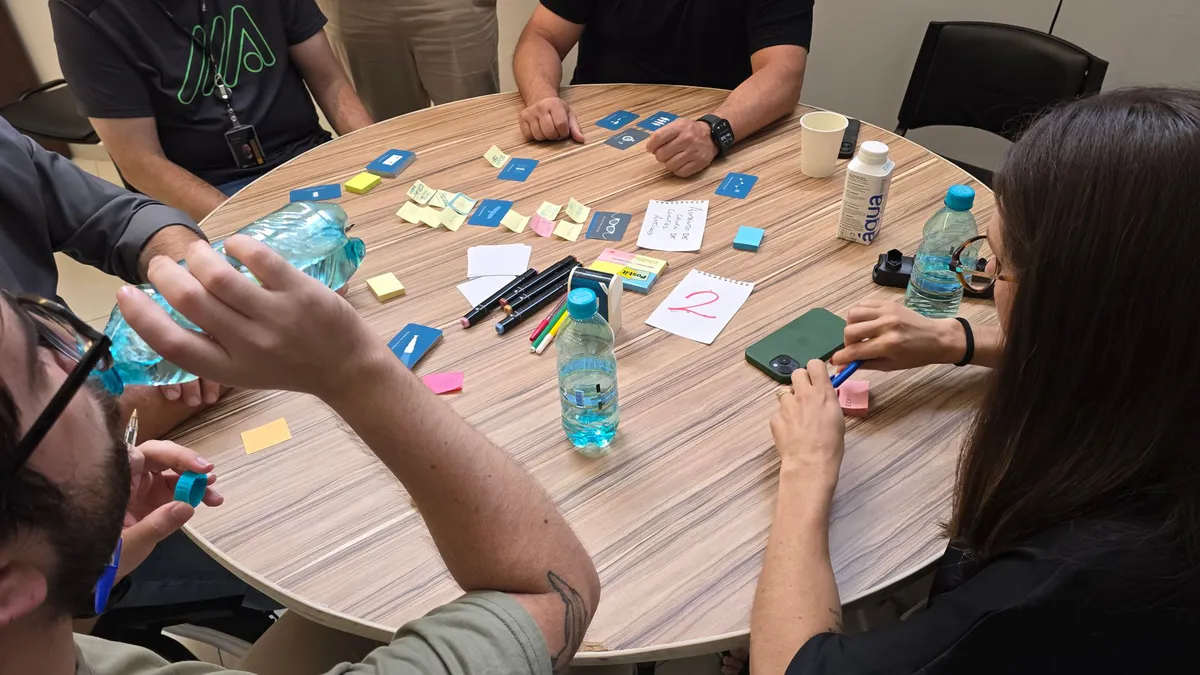
Bridging the Gap: Moving from Individual Hacks to Team Success
Addressing the challenges of AI integration requires a concerted effort from leadership and team members alike. Dr. Sands argues that the hurdles organizations face are not necessarily new; rather, AI amplifies existing management challenges. Teams have always grappled with hidden assumptions and differing perspectives on their work. The key to overcoming these obstacles lies in fostering a culture of shared understanding and collaboration.
Organizations need to prioritize creating a shared context, redesigning workflows, and cultivating a culture that embraces experimentation. By doing so, they can unlock the true potential of AI, transforming it from a series of individual hacks into a powerful collective advantage.
Key Takeaways
- AI enhances individual productivity but often fails to improve organizational performance.
- Successful teams build a context graph that aligns goals and knowledge.
- Redesigning workflows is critical for leveraging AI effectively across teams.
- A culture of learning and experimentation is essential for maximizing AI benefits.
- Leadership must encourage collaboration and shared understanding to bridge the AI integration gap.
Frequently Asked Questions
How can organizations begin to implement AI more effectively?
Organizations should start by conducting an assessment of their current workflows and identifying areas where AI can add value. Engaging team members in discussions about their experiences with AI and collecting feedback can provide insights into how to structure AI usage. This approach ensures that AI is integrated meaningfully rather than as an afterthought.
What role does leadership play in AI integration?
Leadership is critical in guiding the organization toward a collaborative approach to AI. Leaders should foster an environment that encourages experimentation and learning, allowing team members to explore AI's potential without fear of failure. By setting clear expectations and promoting a shared understanding, leaders can help bridge the gap between individual productivity and team success.
What are some common pitfalls to avoid when adopting AI?
One of the most significant pitfalls is the tendency to focus solely on speeding up individual tasks without considering the overall workflow. This can lead to confusion and inefficiencies. Additionally, failing to establish a shared context among team members can result in miscommunication and misaligned goals. Organizations should take a holistic approach to AI adoption, ensuring that all team members are on the same page.
Comments
Apple and Klarna Introduce Game-Changing Lease-to-Own Program
Apple, in partnership with Klarna, is launching a new lease-to-own initiative for its devices, making premium technology more accessible. The Apple Upgrade program allows consumers to pay over multi-year periods, adjusting to rising hardware prices and supply chain challenges.

Related articles




Popular in SaaS Reviews
- Roost: The 'Slow-cial' App Redefining Digital Communication
- Uber's Expansion Beyond Ride-Hailing: The Future of Travel and Services
- Sweden's Startup Surge: The Forces Behind a Booming Ecosystem
- X's Algorithm Update: Creating a More Community-Focused Experience
- Elon Musk's Vision for X: Real-Time Misinformation Corrections via DMs