Uber's Expansion Beyond Ride-Hailing: The Future of Travel and Services
Uber is evolving from a ride-hailing service into a multifaceted platform, integrating hotel bookings and new financial services to enhance user experience. This article explores Uber's strategic direction, partnerships, and the implications for the travel and service industry.
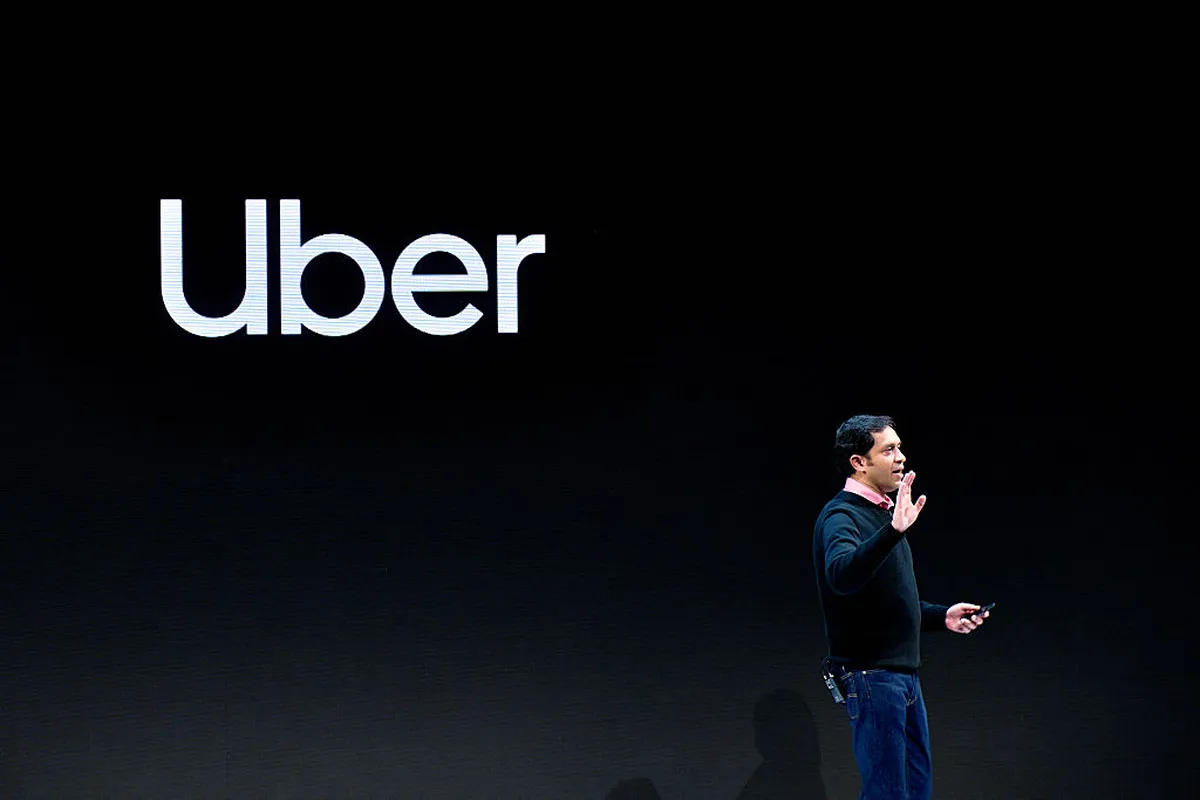
For over a decade, Uber has become synonymous with ride-hailing, but recent developments indicate that the company is positioning itself as much more than just a ride-sharing platform. With the introduction of hotel bookings, boat rentals, and even financial services, Uber is embarking on a comprehensive strategy that mirrors the functionalities of Asian super-apps like Grab and WeChat. This transformation signifies a substantial shift in the company's vision, as it seeks to integrate multiple services that cater to the diverse needs of modern consumers.
In a recent conversation with TechCrunch, Uber's Chief Product Officer Sachin Kansal shed light on this evolution, revealing insights into their new offerings and the underlying rationale. This article will explore Uber's strategic expansions, the competitive landscape, and the implications for users and industry stakeholders alike.

Broadening the Scope: From Rides to Travel
Uber's latest innovations highlight its ambition to become a one-stop-shop for travel and related services. With over 1.5 billion trips occurring outside a user's home city annually, the company recognizes that travel is a significant use case for its platform. The recent collaboration with Expedia to integrate hotel bookings directly into the Uber app is a testament to this focus on travel.
Enhancing Travel Experience
Kansal explained that travel encompasses more than just hotel accommodations. Users require rides to and from airports, food deliveries, and various local services during their trips. The introduction of features like “shop for me” aims to provide users the ability to shop from local stores, thus enriching their travel experience.
Building Financial Services
In addition to travel, Uber is also delving into financial services, a move that parallels the functionality of many Asian super-apps. Currently, Uber offers products like the Uber Pro card, allowing drivers to manage and transfer their earnings seamlessly. The company is also experimenting with services targeted at merchants in select markets. Kansal mentioned that while Uber credits exist for consumers, the long-term vision for consumer financial products is still being evaluated.

The Competitive Landscape: Who’s Uber Up Against?
As Uber expands its offerings, it finds itself in a complex landscape of competitors. In the mobility sector, companies like Lyft, Didi, and Bolt challenge Uber's dominance, while in the delivery space, DoorDash and Delivery Hero are formidable opponents. However, Kansal emphasizes that Uber's primary focus is not on competitors but on delivering value to users. The competitive dynamics will likely evolve as companies like Airbnb also begin to encroach on Uber's territory by offering complementary services.
Strategic Partnerships and Integrations
Uber's approach to partnerships, particularly with Expedia for hotel bookings, reflects a strategic choice to leverage expertise in areas where it is still building capabilities. Instead of attempting to create a fully integrated experience for every service, Uber may opt to rely on established players for certain offerings. This strategy not only saves time but also allows for testing new features before deeper integrations.

The Role of Autonomous Vehicles and AV Labs
One of the most intriguing aspects of Uber's future lies in its focus on autonomous vehicles (AVs). With the establishment of AV Labs, Uber is collecting extensive driving data to improve its services and prepare for a future where AVs play a prominent role in urban transportation. This venture is not merely an experiment; it represents a critical part of Uber's strategy to remain competitive in a rapidly evolving technology landscape.
Data Collection and Operational Expertise
By deploying sensor-equipped vehicles, Uber aims to gather millions of miles worth of driving data. This data will be invaluable in understanding edge cases and improving the overall rider experience. Additionally, Uber's operational expertise in managing pickups, drop-offs, and even lost items can provide insights into how autonomous systems can operate effectively in real-world scenarios.
Balancing Partnerships and Competition
The relationship between Uber and its AV partners, such as Waymo, is complex. While they collaborate in some markets, they also compete in others. Kansal noted that maintaining a coherent user experience while navigating these partnerships and competitive dynamics is a significant challenge. The hybrid model, which combines human drivers and autonomous vehicles, is seen as a practical solution to balancing supply and demand in urban areas.

Artificial Intelligence: Enhancing User Experience
Artificial intelligence (AI) is becoming an integral part of Uber's platform, with features designed to enhance both rider and driver experiences. AI-driven tools help users optimize their interactions with the app, from ride requests to grocery deliveries.
AI-Powered Features
For drivers, the introduction of an earner assistant provides real-time insights into demand and earnings potential, allowing them to make informed decisions about where to drive. Meanwhile, riders benefit from features like voice-activated ride requests, making the user experience more seamless.
Looking Ahead
Kansal hinted at a future where AI could play a more agentic role in trip planning, potentially allowing users to book entire journeys through the app. While specifics remain unclear, the integration of AI is expected to be a significant driver of Uber's evolution.
Key Takeaways
- Uber is expanding beyond ride-hailing to include travel services and financial products.
- Strategic partnerships, like that with Expedia, enable Uber to enhance user experience without fully integrating every service.
- The company's focus on autonomous vehicles and data collection positions it to lead in the future of urban mobility.
- AI integration is enhancing both rider and driver experiences, paving the way for more seamless interactions with the app.
Frequently Asked Questions
What new services is Uber offering beyond ride-hailing?
Uber is expanding its offerings to include hotel bookings, boat rentals, and shopping features through partnerships with companies like Expedia. This shift aims to provide a more comprehensive travel experience for users, integrating various services into one platform.
How is Uber approaching financial services?
Uber is exploring financial services aimed primarily at drivers and couriers, including debit cards for earnings management. While consumer financial products are still under evaluation, the company offers Uber credits as part of its membership program.
What role do autonomous vehicles play in Uber's future?
Autonomous vehicles are a key component of Uber's long-term strategy. Through its AV Labs, the company is collecting valuable driving data to enhance its offerings and prepare for a future where AVs are part of urban transportation.
How is Uber using AI to improve user experience?
AI is being integrated into various features of the Uber app, from optimizing earnings for drivers through an earner assistant to enabling voice-activated ride requests for riders. This technology aims to create a more efficient and user-friendly experience.
Comments
Bingers: The Rise of a New TV Tracking App Amid the Shutdown of TV Time
As TV Time prepares to shut down, its founder Antonio Pinto is launching Bingers, a new app designed to address past shortcomings while fostering community among TV enthusiasts.

Related articles


Popular in SaaS Reviews
- Roost: The 'Slow-cial' App Redefining Digital Communication
- Sweden's Startup Surge: The Forces Behind a Booming Ecosystem
- X's Algorithm Update: Creating a More Community-Focused Experience
- Elon Musk's Vision for X: Real-Time Misinformation Corrections via DMs
- Mercor Eyes $20 Billion Valuation Amid Rapid Growth and Acquisitions