The Rise of AI-Generated Music: What Deezer's Data Reveals
Deezer reports that over 50% of daily uploads on its platform are now AI-generated. This rise prompts discussions on how streaming services should handle the influx of AI music and its implications for artists.
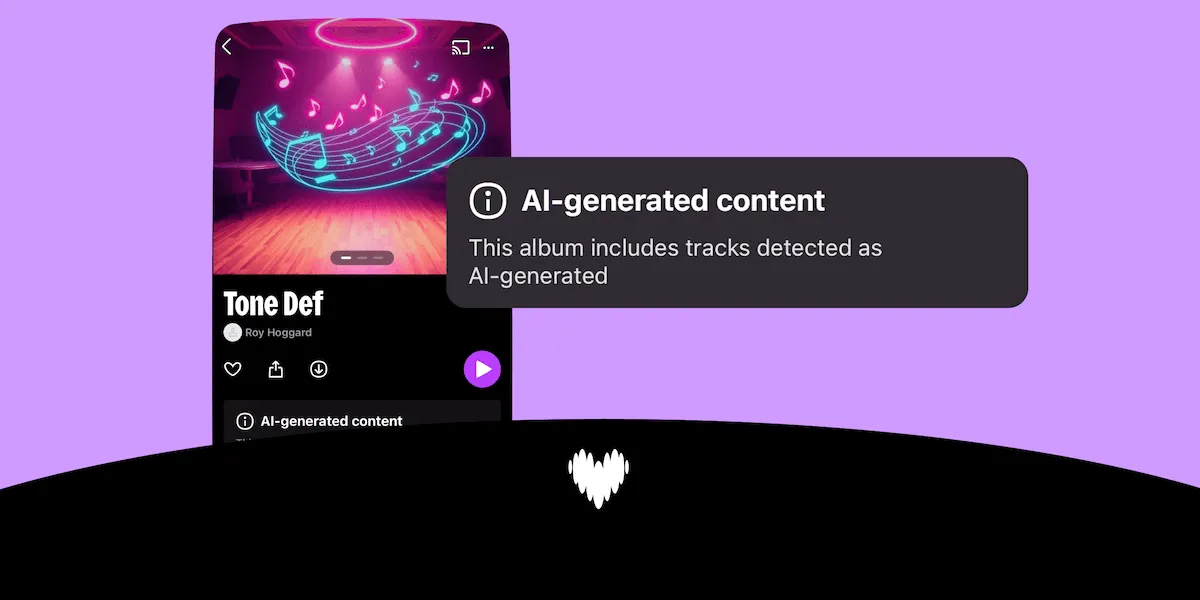
In a groundbreaking revelation, music streaming giant Deezer has announced that AI-generated tracks now account for more than 50% of daily uploads on its platform. This statistic marks a significant milestone in the evolving landscape of music creation, where artificial intelligence is not just an auxiliary tool but a core component of the music industry. The rapid rise of AI-generated content raises essential questions about copyright, artist compensation, and the future of musical creativity.
Initially, Deezer began tracking AI-generated uploads in January 2025, when these tracks constituted merely 10% of daily uploads. Since then, the numbers have skyrocketed, reaching a staggering 90,000 AI-generated tracks uploaded each day by June 2026. This sharp increase highlights the growing relevance of AI in music production, prompting streaming services to reassess their policies regarding the integration of AI-generated music.
The Growth Trajectory of AI Music
The increase in AI-generated music on Deezer reflects broader trends in the music industry where technology is reshaping how music is produced and consumed. Here’s a brief timeline illustrating this growth:
- January 2025: 10,000 AI-generated tracks (10% of daily uploads)
- April 2025: 20,000 tracks (18%)
- September 2025: 30,000 tracks (28%)
- November 2025: 50,000 tracks (34%)
- January 2026: 60,000 tracks (39%)
- April 2026: 75,000 tracks (44%)
- June 2026: 90,000 tracks (50%+)
This rapid expansion begs the question: what drives this trend? The surging popularity of AI music can be attributed to several factors:
Accessibility of AI Tools
As AI music generation tools become increasingly accessible, more artists—ranging from amateurs to professionals—are exploring this technology to create music. Tools such as OpenAI’s Jukedeck and Google's Magenta allow users to compose, remix, and produce music with minimal technical expertise.
Cost Efficiency
For many independent artists, the cost of hiring musicians and production teams can be prohibitively high. AI-generated music offers a budget-friendly alternative, allowing creators to produce high-quality tracks at a fraction of the cost.
Innovative Soundscapes
AI has the capacity to analyze vast datasets of existing music, leading to the creation of innovative soundscapes and genres that may not have emerged through traditional songwriting methods. This potential for creativity attracts both creators and listeners.

Streaming Services: Navigating New Terrain
The unprecedented rise of AI-generated music has forced streaming platforms like Deezer to reevaluate their stance on such content. Unlike Deezer, which embraces AI music while implementing stringent measures against fraudulent streams, other platforms have taken varied approaches. For example:
- Bandcamp: Banned AI-generated tracks entirely, citing concerns over authenticity and artist rights.
- Tidal: Cut off monetization for AI-generated music, indicating a more cautious approach to integrating AI content.
- Apple Music: Introduced a voluntary AI-tagging system to help users distinguish between human-composed and AI-generated tracks.
- Spotify: Developed its own policy regarding the integration of AI in music creation, reflecting a more controlled approach to the genre.
Deezer’s CEO, Alexis Lanternier, emphasized the platform's commitment to safeguarding the rights of artists and songwriters. The company has implemented measures to remove AI-generated tracks that have not been streamed in the past six months or are linked to fraudulent activity. This proactive approach aims to ensure that artists receive fair compensation and that the platform maintains a focus on music that resonates with fans.
Challenges in the AI Music Landscape
While the proliferation of AI-generated music presents exciting possibilities, it also brings significant challenges that need addressing:
Copyright Conflicts
The use of AI in music production raises questions about copyright ownership. For instance, if an AI generates a track based on existing works, who owns the rights? As cases involving AI music startups like Suno and Udio face legal battles over copyright issues, the industry must establish clearer guidelines to protect artists.
Quality vs. Quantity
The sheer volume of AI-generated music may lead to saturation in the market, where quality is compromised for quantity. As platforms prioritize AI-generated uploads to meet demand, there is a risk of diminishing the value of music as an art form.
Fraudulent Streaming Practices
With the rise of AI-generated content, there is an increased risk of fraudulent streams aimed at inflating revenue. Deezer’s measures to combat this issue reflect a broader need for transparency and accountability within the streaming industry.
Looking Ahead: The Future of AI in Music
The future of music streaming and production seems poised for transformation as AI continues to play a pivotal role. As artists and streaming services adapt to this new reality, a few key considerations emerge:
- Collaboration Opportunities: AI can serve as a collaborative tool for artists, enabling them to enhance their creative processes rather than replace them.
- New Revenue Models: As AI-generated content becomes mainstream, the industry may need to explore new revenue-sharing models that account for the unique nature of AI music.
- Consumer Awareness: Educating listeners about the differences between human-composed and AI-generated music will be essential in shaping future consumption habits.
Overall, Deezer's revelation about the rise of AI-generated music signals a broader shift in the industry, where technology and creativity intersect. As the music landscape evolves, it will be crucial for stakeholders—artists, platforms, and listeners—to navigate these changes thoughtfully and collaboratively.

Key Takeaways
- Deezer reports that AI-generated music now exceeds 50% of daily uploads on its platform.
- The rapid growth of AI music poses challenges related to copyright, quality, and fraudulent streams.
- Streaming services are adopting varied approaches to handle the influx of AI-generated content.
- Stakeholders must adapt to the evolving landscape to ensure fair compensation and quality music.
Frequently Asked Questions
What are the implications of AI-generated music for artists?
The rise of AI-generated music brings both opportunities and challenges for artists. On one hand, AI tools can enhance creativity and reduce production costs. On the other hand, concerns over copyright ownership and the potential for market saturation pose risks to traditional artists. The music industry must adapt to ensure that artists are fairly compensated and that their rights are protected in this new landscape.
How are streaming platforms responding to the growth of AI music?
Streaming platforms are adopting a range of strategies to address the increase in AI-generated music. While some like Deezer are implementing measures to combat fraudulent streams and safeguard artist rights, others such as Bandcamp have opted to ban AI-generated music altogether. This divergence in approaches reflects the ongoing debate about how best to integrate AI into the music industry while maintaining quality and authenticity.
What role does AI play in the creative process of music production?
AI plays a significant role in the creative process of music production by providing tools that allow artists to generate melodies, harmonies, and even entire compositions. These tools can analyze existing music to create new sounds, enabling artists to explore innovative genres and styles that may not have emerged through traditional songwriting methods. Ultimately, AI serves as a collaborator that enhances rather than replaces human creativity.
Comments
Apple and Klarna Introduce Game-Changing Lease-to-Own Program
Apple, in partnership with Klarna, is launching a new lease-to-own initiative for its devices, making premium technology more accessible. The Apple Upgrade program allows consumers to pay over multi-year periods, adjusting to rising hardware prices and supply chain challenges.

Related articles




Popular in SaaS Reviews
- Roost: The 'Slow-cial' App Redefining Digital Communication
- Uber's Expansion Beyond Ride-Hailing: The Future of Travel and Services
- Sweden's Startup Surge: The Forces Behind a Booming Ecosystem
- X's Algorithm Update: Creating a More Community-Focused Experience
- Elon Musk's Vision for X: Real-Time Misinformation Corrections via DMs