Boeing's Starliner: A New Dawn for Space Travel?
Boeing's Starliner spacecraft is on the brink of potential space missions after overcoming significant hurdles. As the company navigates challenges, the future of crewed flight could see a shift in capabilities and costs in the years ahead.
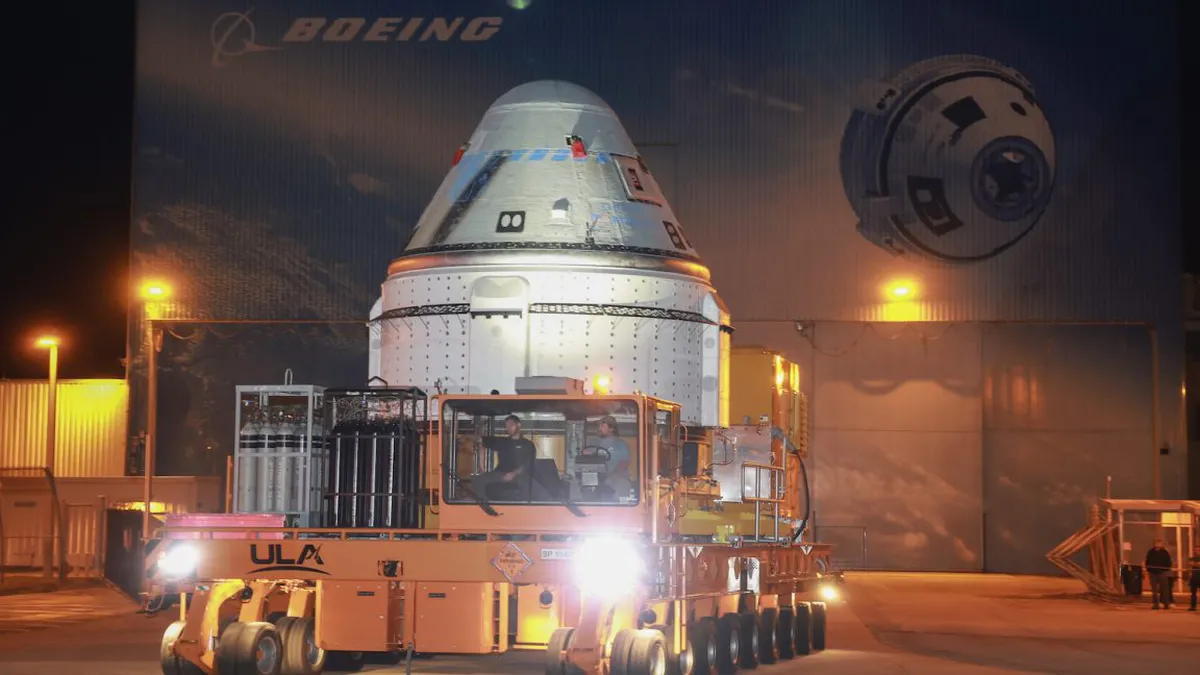
After years of delays and setbacks, Boeing's CST-100 Starliner spacecraft appears poised for a much-anticipated flight into space. With CEO Kelly Ortberg offering optimistic updates during a recent earnings call, the aerospace giant seems to be on the path to remedying the issues that have plagued the Starliner program. This pivotal moment not only signifies a technical achievement for Boeing but also raises questions about the future of crewed space travel as competition intensifies.
Initially slated for multiple missions, Boeing's Starliner faced a significant setback in 2024 when NASA categorized its crewed flight as a "Type A" mishap, highlighting serious deficiencies in the craft's design and operational protocols. Now, as Boeing works diligently to address these issues, the implications for the broader space industry and the future of low-Earth orbit travel are enormous.
Background on Starliner and NASA's Commercial Crew Program
Launched as part of NASA's Commercial Crew Program, Starliner is Boeing’s answer to the need for reliable transportation to the International Space Station (ISS). The program aims to foster a competitive landscape in space travel by relying on partnerships with private companies. This initiative was designed to reduce U.S. dependency on Russian Soyuz spacecraft for astronaut transport, especially after the Space Shuttle program's retirement in 2011.
The Starliner project began in earnest in 2014, with a fixed-price contract that promised to deliver significant capabilities for crewed missions to the ISS. However, the road has been anything but smooth. In 2019, a test flight revealed critical software issues, and subsequent delays led to mounting costs, with Boeing reportedly incurring approximately $2 billion in charges due to these setbacks. The need for additional test flights and adjustments to the spacecraft has stretched timelines and complicated Boeing's financial outlook.
Current Progress and Future Prospects
During a recent earnings call, CEO Kelly Ortberg expressed confidence in the progress being made to remedy Starliner's deficiencies, particularly regarding its propulsion system. This system is crucial for the craft's ability to maneuver safely to and from the ISS. Ortberg noted that much of the redesign work has been completed, and the next step involves coordinating with NASA to secure a launch schedule.
As it stands, the primary factor in determining Starliner's launch date is the availability of docking ports at the ISS. If everything goes according to plan, a cargo flight could occur this year, followed by a crewed mission as early as late 2027. The timeline is contingent on successful test flights and addressing technical concerns, but the prospect of Starliner finally entering operational service is an exciting development for the aerospace community.
The Competitive Landscape: Starliner vs. Crew Dragon
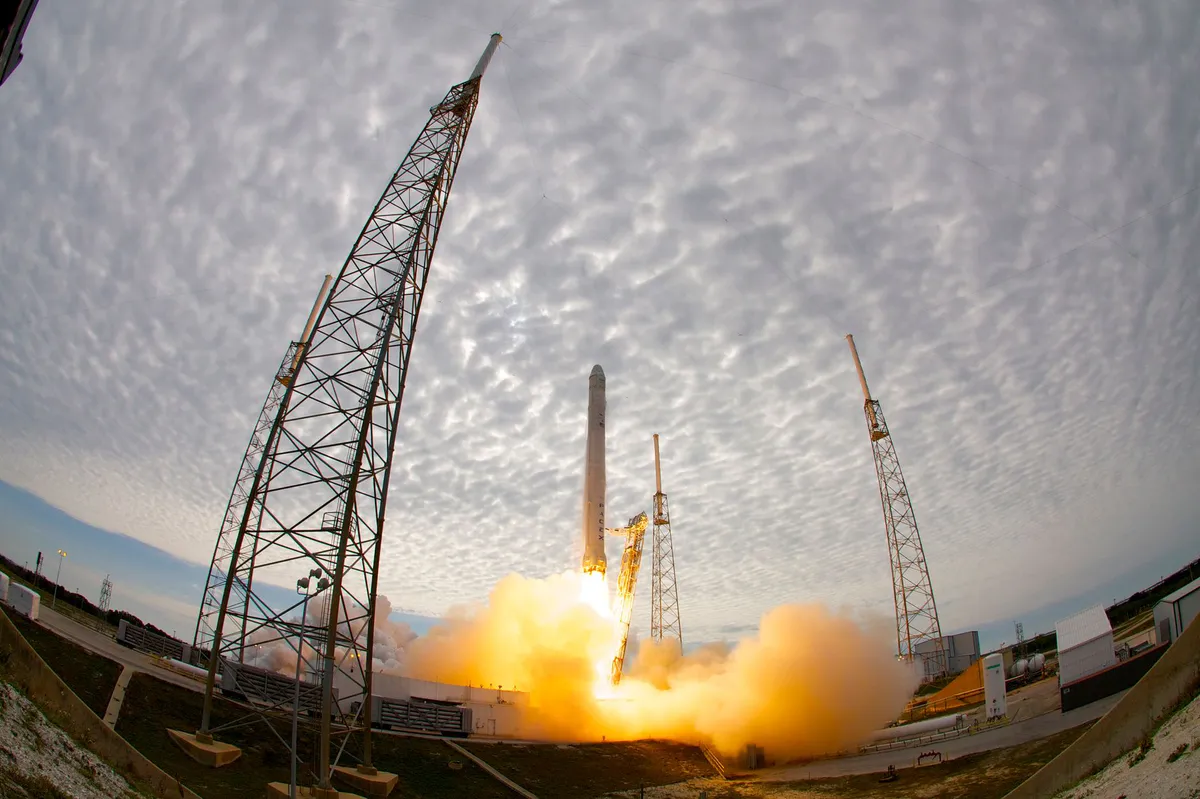
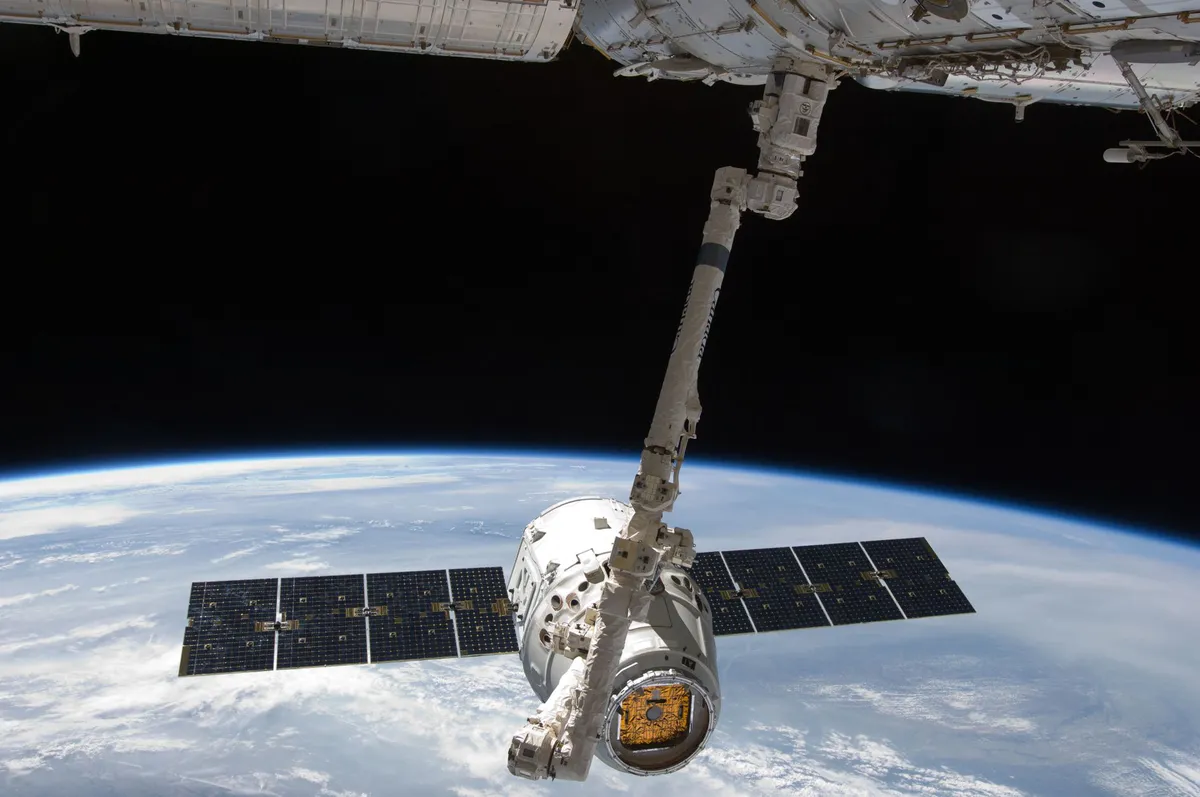
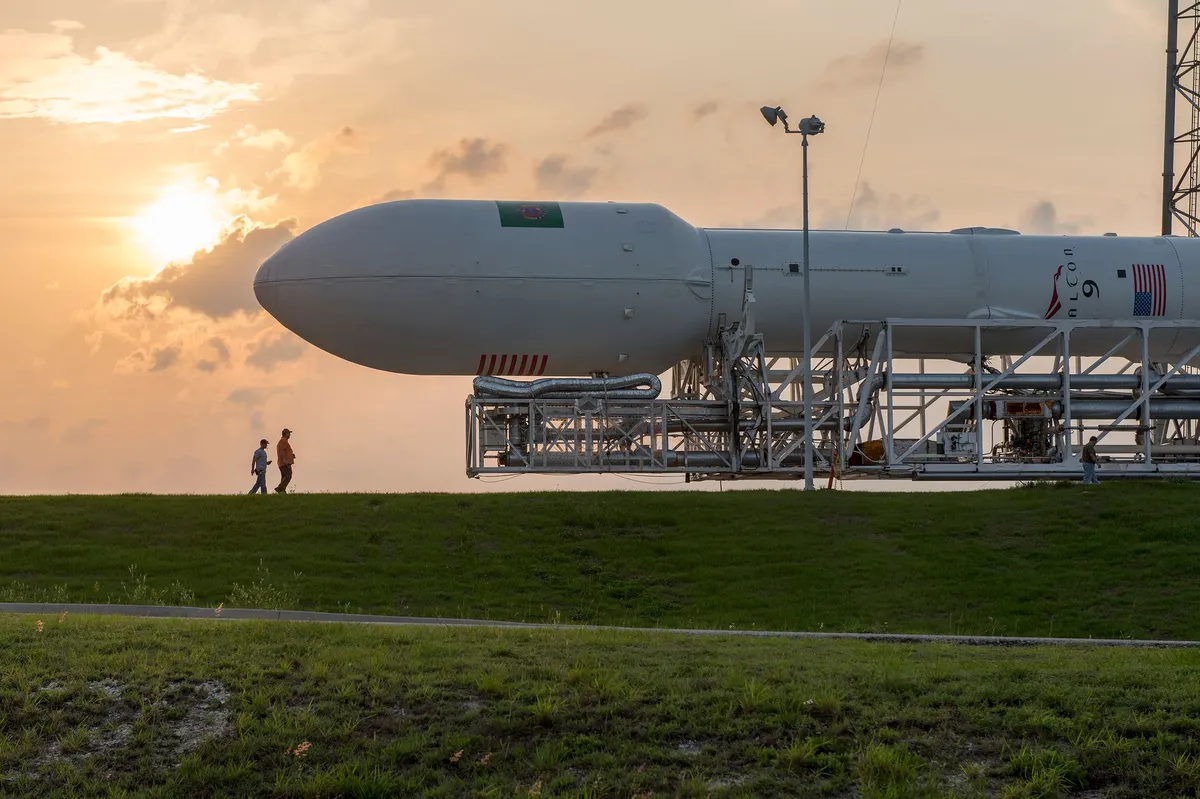
The potential emergence of Starliner comes at a critical juncture for crewed access to low-Earth orbit. Currently, SpaceX's Crew Dragon, which operates on the Falcon 9 rocket, is the dominant player in this space. It has proven reliability and cost-effectiveness due to its reusable technology. However, there are whispers of uncertainty about Crew Dragon's future, as SpaceX has suggested plans to retire the vehicle by 2030 to transition to its more advanced Starship model.
This impending shift creates a unique opportunity for Starliner. While it faces challenges, such as the high costs associated with its expendable service module, which burns up upon re-entry, it could fill a gap in the market if Crew Dragon is phased out. The competition between these two spacecraft not only affects NASA’s ISS missions but also has broader implications for commercial spaceflight and future private space stations.
- Cost Effectiveness: Crew Dragon benefits from reusability, while Starliner’s design incurs higher costs after each flight.
- Market Demand: A potential gap in crew transport services could arise if Crew Dragon retires before Starliner is fully operational.
- Innovation Pressure: Both companies must innovate to meet the increasing demands for reliable and affordable space travel.
The Financial Implications for Boeing
The financial stakes for Boeing are significant, especially considering the $2 billion in charges attributed to Starliner's development delays. The company’s fixed-price contract with NASA means that any further delays will eat into their profits, creating an urgent need to bring the Starliner project to fruition. Ortberg's comments indicate that Boeing is working closely with NASA to address scheduling uncertainties that could impact costs.
If Starliner can successfully conduct its upcoming missions, it may not only stabilize Boeing's financial outlook but also reinforce its position as a competitive player in the aerospace sector. However, the company must remain vigilant about its pricing strategies and operational efficiency to avoid further complications.
Key Takeaways
- Starliner is poised for a potential launch this year, with cargo missions leading the way.
- Boeing faces significant financial pressures due to past delays and the fixed-price nature of their NASA contract.
- Competition with SpaceX's Crew Dragon adds urgency to Starliner's development as Crew Dragon may retire by 2030.
- Future space travel costs are likely to rise significantly if Starliner does not become operational soon.
Frequently Asked Questions
What are the main issues Starliner has faced in development?
Starliner has encountered several critical issues, particularly with its propulsion system, which jeopardized crew safety during test flights. Software problems also contributed to significant delays, prompting NASA to classify a prior crewed flight as a "Type A" mishap. Continuous redesign efforts are currently underway to address these deficiencies.
How does Starliner compare to SpaceX's Crew Dragon?
Starliner and Crew Dragon serve similar purposes but differ significantly in design and operational costs. Crew Dragon benefits from a reusable design and lower operational costs, while Starliner's service module is expendable, leading to higher costs per flight. As SpaceX plans to retire Crew Dragon by 2030, Starliner could potentially fill the gap in crew transport to the ISS.
What impact could Starliner have on the future of space travel?
If successful, Starliner could enhance crewed access to low-Earth orbit, especially as the retirement of Crew Dragon approaches. Its operational presence could stabilize the market for commercial space travel and encourage further innovations in spacecraft design and operation. However, its success hinges on overcoming current technical and scheduling challenges.
What are the financial implications for Boeing if Starliner fails to launch soon?
Failure to launch Starliner in a timely manner could lead to increased financial losses for Boeing due to the fixed-price contract with NASA. The company has already absorbed significant charges related to delays, and continued setbacks could further impact its profitability and market standing in the aerospace industry.
Comments
TechCrunch Disrupt 2026: A Deep Dive into the Future of AI and Technology
TechCrunch Disrupt 2026 promises groundbreaking discussions led by industry leaders like Amazon and Replit. This article explores the significance of the event and what it means for the future of technology.

Related articles
Popular in Guides
- Boomers Lead the Charge in Alcohol Abstinence: Insights from New Research
- Understanding the Physics of Silly Sprinklers and Feynman's Reverse Sprinkler Puzzle
- Hobbits of Flores: Scavengers or Skilled Hunters?
- The Coming Air-Conditioning Revolution in Europe: A Necessity or a Luxury?
- US Citizens Infected with Ebola: A Shifting Response Landscape