How the Chicxulub Impact Charbroiled Dinosaurs: New Insights
Recent research sheds light on the catastrophic effects of the Chicxulub impact, revealing how a cloud of dust and heat led to the extinction of the dinosaurs. This article explores the implications of these findings and the broader context of mass extinction events.
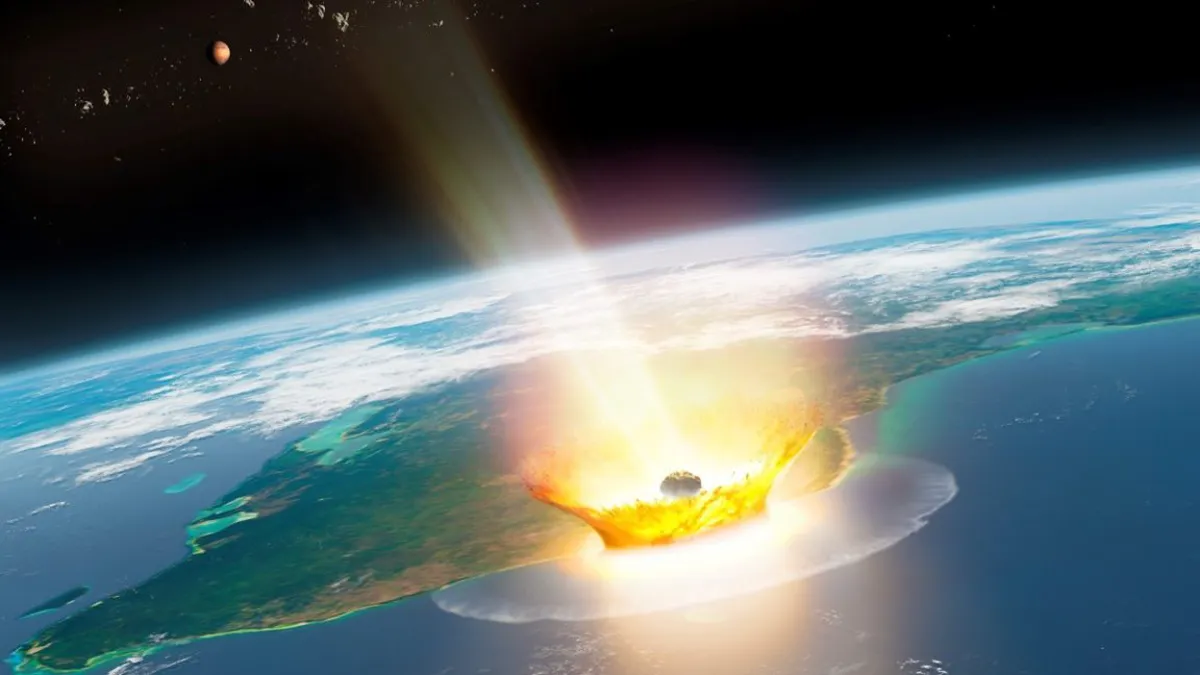
Approximately 66 million years ago, the Earth faced one of its most catastrophic events: the impact of a massive asteroid known as Chicxulub, which triggered a mass extinction that eradicated nearly three-quarters of all species, including the dinosaurs. While the immediate consequences of this impact have long been debated, a recent study published in the Journal of Geophysical Research: Biogeosciences provides new insights into the devastating aftermath of this event. The research suggests that not only did the impact unleash an enormous energy release comparable to billions of atomic bombs, but it also created a dust cloud that superheated the upper atmosphere, effectively charbroiling any living organisms unable to find shelter.
This article delves deeper into the mechanisms behind the extinction event, the implications for our understanding of past mass extinctions, and what this means for the future as we face our own environmental challenges.

The Chicxulub Impact: A Brief Overview
The Chicxulub impact is widely recognized as a pivotal moment in Earth's history. The event is rooted in the 1980 Alvarez hypothesis, which proposed that a giant asteroid or comet collided with Earth, leading to the mass extinction at the end of the Cretaceous period. This hypothesis gained traction when scientists discovered unusually high levels of iridium—an element more abundant in asteroids than on Earth—at the Cretaceous-Paleogene (K-Pg) boundary across various sedimentary layers globally. The discovery of the Chicxulub crater in Mexico solidified this theory, as it matched the timeline and scale of the extinction event.
The Scale of the Impact
Researchers estimate that the asteroid, which measured between 11 and 81 kilometers (7 to 50 miles) in diameter, released energy equivalent to over a billion Hiroshima bombs. This colossal explosion not only generated a massive crater but also sent vaporized rock and sulfuric materials into the atmosphere, resulting in a chain reaction of environmental catastrophes.
New Findings: Charbroiling and Wildfires
The latest research builds upon existing theories, incorporating new evidence to understand the sequence of events following the impact. Co-author Brandon Johnson from Purdue University emphasized that the dust cloud produced by the impact played a critical role in the extinction process. Previous models suggested that the heat released by falling spherules—tiny droplets of rock formed when vaporized material cooled—would not have been sufficient to ignite widespread wildfires or directly kill large animals like dinosaurs. However, recent evidence of fine post-impact dust layers prompted a reevaluation of this perspective.

The Role of Dust in the Atmosphere
According to the study, once the fine dust was taken into account, the situation changed dramatically. The models indicated that organisms were subjected to heat levels 17 times greater than what is lethal to humans. This intense thermal radiation likely caused severe burns and heatstroke in dinosaurs and other life forms. Although the dust may not have ignited wood directly, it would have been enough to set grass, lichen, and pine needles ablaze, creating a perfect environment for devastating wildfires.
Comparative Analysis: Extinction Theories
The implications of this study go beyond simply explaining how the dinosaurs perished. It also challenges alternative extinction theories, particularly those suggesting that volcanic activity—specifically the Deccan Traps in present-day India—was the primary driver of the extinction. While these volcanic eruptions certainly contributed to environmental changes, the new findings stress that the Chicxulub impact was the main catalyst for a global extinction event.
- Massive energy release: The impact released energy billions of times greater than atomic bombs.
- Dust cloud effects: Fine post-impact dust could have charbroiled organisms within hours.
- Wildfire ignition: The heat generated by dust was sufficient to set off widespread fires.
- Survival challenges: Remaining organisms faced additional threats from environmental changes and health issues.
Long-Term Consequences: The Aftermath of Extinction
Beyond the immediate devastation, the aftermath of the Chicxulub impact resulted in prolonged environmental challenges. The dust and particulates injected into the atmosphere likely blocked sunlight, leading to a severe drop in temperatures known as a “nuclear winter.” This would have severely disrupted photosynthesis, which in turn affected the food chain and led to widespread starvation among surviving species. Interestingly, the research posits that the same fine dust particles that caused acute thermal injuries could have resulted in chronic health issues for any organisms that managed to survive the initial impact and ensuing wildfires.
The Modern Connection
Understanding the mechanisms of such historical extinction events is crucial, especially as humanity faces its own environmental crises, including climate change, habitat destruction, and pollution. The findings from this study serve as a reminder of how interconnected and fragile ecosystems can be. Today, as we grapple with the consequences of human activity on the planet, the lessons learned from the Chicxulub impact and its aftermath may provide valuable insights into the importance of maintaining ecological balance and the potential repercussions of catastrophic events.
Key Takeaways
- Recent studies highlight the Chicxulub impact as a key catalyst for the mass extinction event that wiped out the dinosaurs.
- The dust cloud generated by the impact contributed significantly to the immediate thermal effects and subsequent wildfires.
- Understanding these mechanisms can inform modern environmental challenges and emphasize the need for ecological preservation.
Frequently Asked Questions
What was the Alvarez hypothesis?
The Alvarez hypothesis, proposed by physicist Luis Alvarez and his son Walter in 1980, suggests that a massive asteroid or comet impact was responsible for the mass extinction at the end of the Cretaceous period. This theory was supported by finding unusually high levels of iridium at the K-Pg boundary, leading to the identification of the Chicxulub crater as the likely impact site.
How did the impact lead to wildfires?
The new research indicates that the thermal energy released by falling dust particles after the impact was sufficient to ignite fires in vegetation. While the immediate effects of the impact were catastrophic, the dust cloud contributed to sustained heat that likely caused widespread wildfires, further exacerbating the extinction event.
What are the implications of this research for our understanding of extinction events?
This research underscores the complexity of extinction events, indicating that multiple factors—such as immediate thermal effects and long-term environmental changes—can collaborate to create mass extinction scenarios. It also highlights the importance of understanding past events to inform current environmental challenges.
Comments
Qantas Airways Sets New Record with 24-Hour Nonstop Flight
Qantas Airways has achieved a groundbreaking milestone with its Airbus A350-1000ULR, completing a 24-hour nonstop flight from Australia to France. This achievement paves the way for ultra-long-haul flights set to launch in 2027, marking a new era in commercial aviation.

Related articles
Popular in Guides
- Boomers Lead the Charge in Alcohol Abstinence: Insights from New Research
- Understanding the Physics of Silly Sprinklers and Feynman's Reverse Sprinkler Puzzle
- The Coming Air-Conditioning Revolution in Europe: A Necessity or a Luxury?
- Hobbits of Flores: Scavengers or Skilled Hunters?
- US Citizens Infected with Ebola: A Shifting Response Landscape