Emerging Treatments in Response to Rising Measles Cases in the US
With measles cases in the US reaching a 35-year high, biotech firms are racing to develop new treatments. This article explores the implications of declining vaccination rates and the potential for monoclonal antibody therapies.
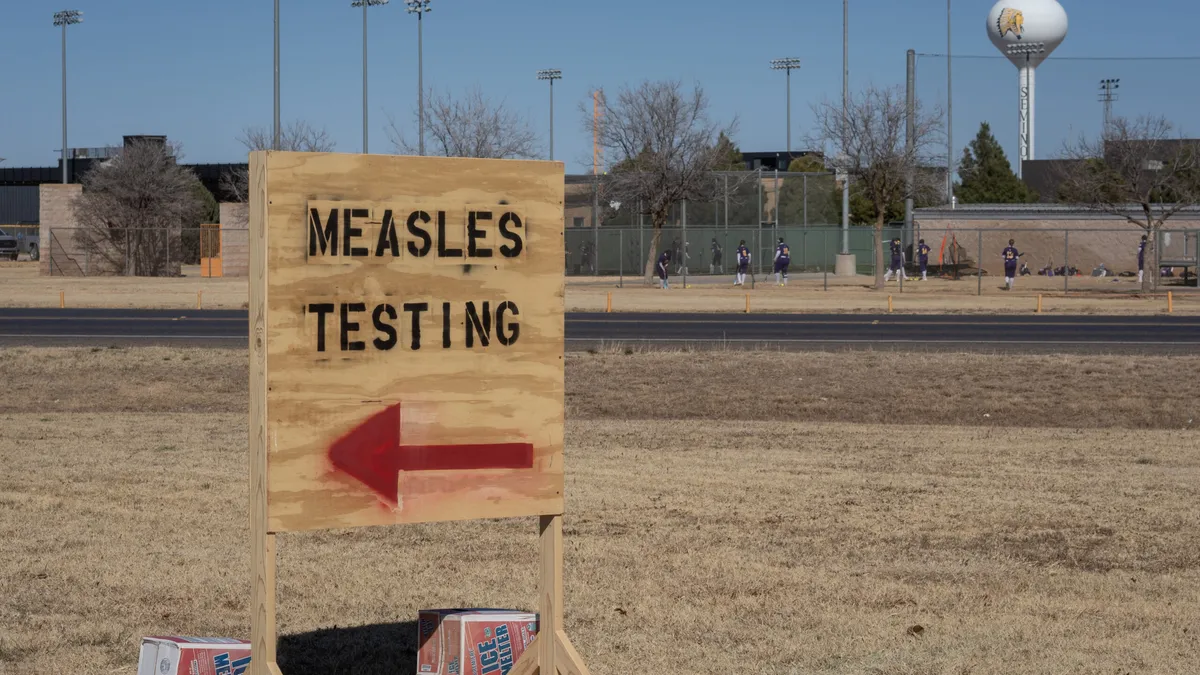
The United States is witnessing a significant resurgence of measles, a disease that was once nearly eradicated thanks to widespread vaccination efforts. Recent statistics reveal that the country has surpassed 2,289 measles cases in just the first half of 2026, already exceeding the total number of cases recorded for the entire previous year. As vaccination rates continue to decline, particularly among vulnerable populations, biotech firms and academic institutions are mobilizing to develop new treatment options for those infected with the virus. This situation raises critical questions about public health, vaccine acceptance, and how quickly new therapies can be made available to combat this highly contagious disease.
Measles, known for its extreme contagiousness, requires a vaccination rate of at least 95% within communities to effectively protect those who cannot be vaccinated, such as infants under 12 months and immunocompromised individuals. However, current vaccination rates have plummeted below this threshold in many areas. As a result, the implications of these outbreaks are severe, particularly for young children, who face serious complications such as pneumonia, encephalitis, and deafness. The need for effective treatments is more pressing than ever, and the race to develop these therapies has begun.
The Shift from Vaccination to Treatment
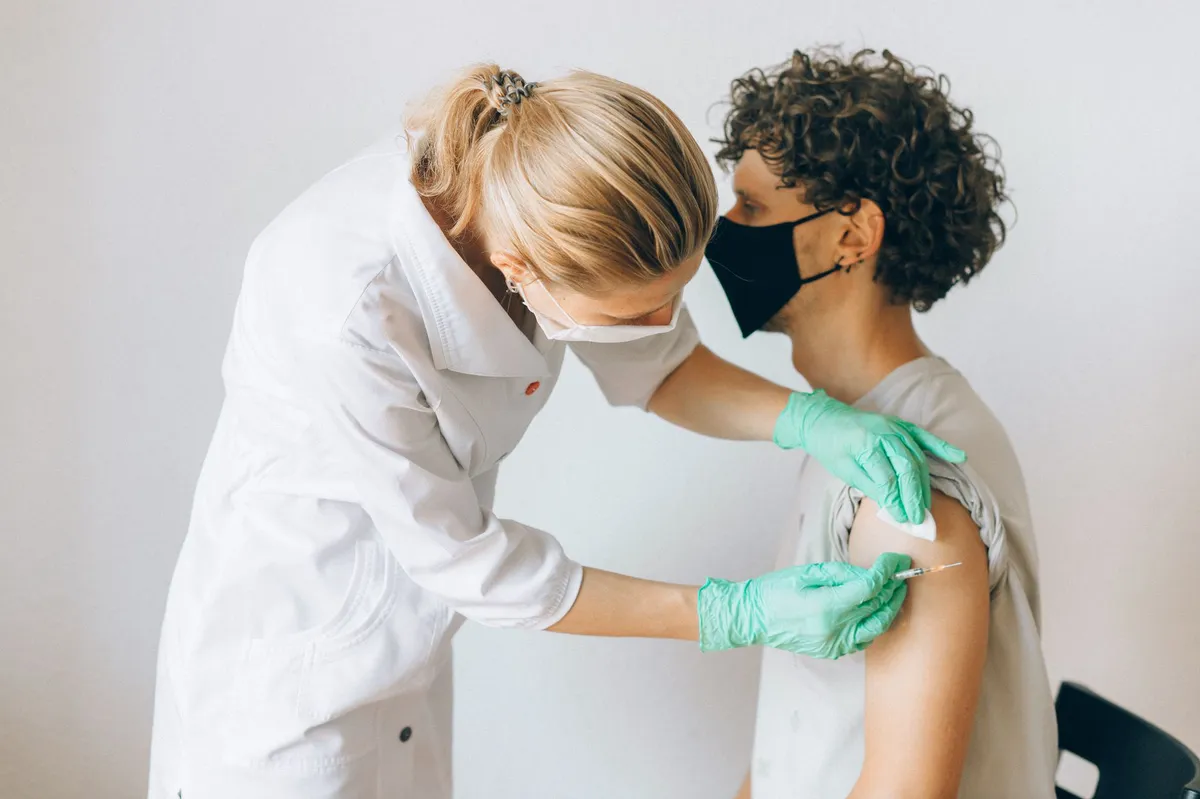
Historically, the focus on measles has been primarily on prevention through vaccination. The measles vaccine has proven to be safe and effective, eliminating the need for therapeutic interventions. However, with cases skyrocketing, the narrative is shifting. Biotech companies like Invivyd are now pioneering efforts to create monoclonal antibody treatments designed to mimic the immune response to measles. These treatments could provide crucial short-term protection to those at high risk during outbreaks.
Monoclonal Antibodies: A New Frontier
Monoclonal antibodies are lab-made molecules that can mimic the immune system's ability to fight off diseases. Invivyd is currently developing a monoclonal antibody therapy for measles, similar to the therapies used during the COVID-19 pandemic. These treatments can offer immediate immunity by neutralizing the virus, potentially protecting individuals who have been exposed or are at high risk of infection.
Despite the promise of monoclonal antibodies, their development is fraught with challenges. As Michael Mina, Invivyd's chief medical officer, points out, there is a significant gap in available options for those exposed to measles. Current management strategies primarily involve supportive care, such as hydration and managing respiratory symptoms, but these do little to address the virus directly. The urgency for new treatments is compounded by fears that measles could become endemic in the US within the next 25 years, should vaccination rates remain stagnant.
Challenges in Development and Acceptance
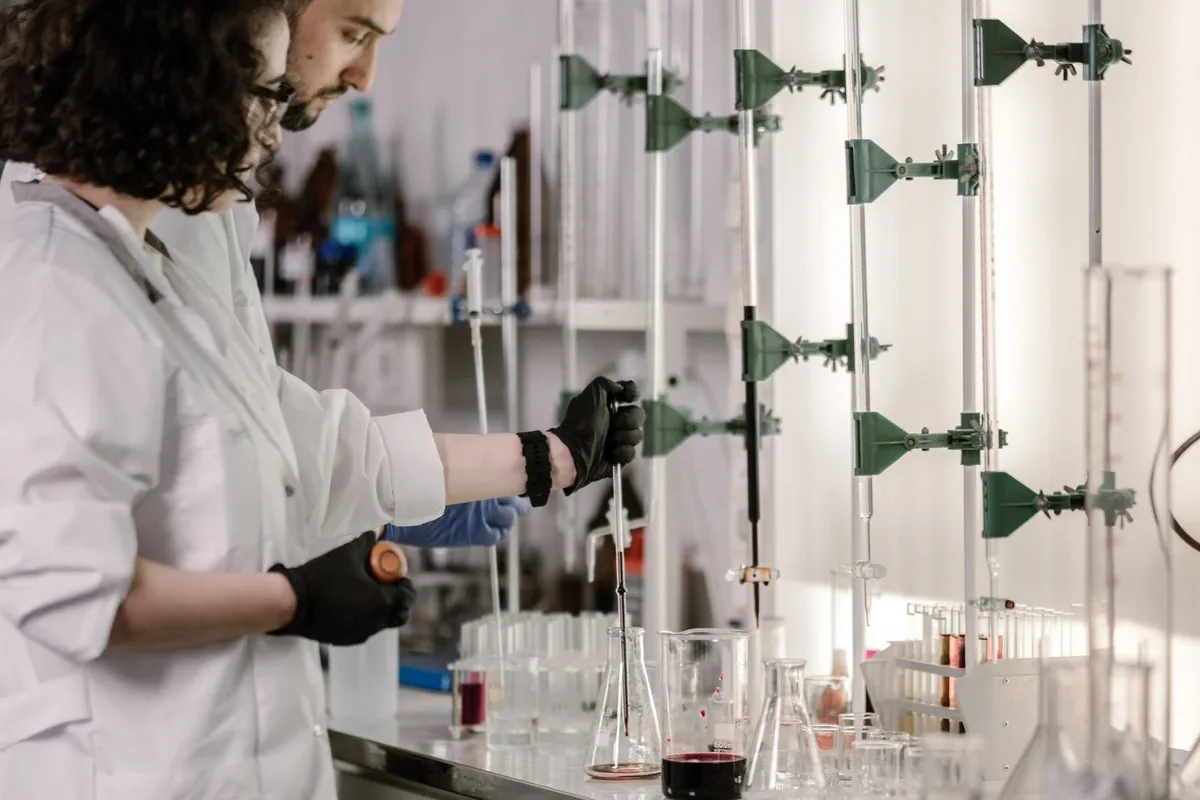
While the scientific community is keenly aware of the need for new treatments, financial and logistical hurdles loom large. Developing monoclonal antibodies at scale is both costly and complex, often requiring partnerships with pharmaceutical companies to fund clinical trials. The cost associated with these trials can run into the millions, making it a difficult proposition for smaller biotech firms.
Market Dynamics and Public Perception
Another critical factor is the public's perception of vaccines and treatments. The current climate of anti-vaccine sentiment poses a significant barrier to public health initiatives. Even with the development of monoclonal antibodies, there is uncertainty about whether those who refuse vaccinations would be open to receiving these treatments. During recent outbreaks, some parents have declined even standard treatments, such as immune globulin, which is derived from antibodies in donated blood.
Moreover, as public trust in vaccines declines, the potential for outbreaks increases, creating a vicious cycle. Robert F. Kennedy Jr.'s leadership in the Department of Health and Human Services has further fueled skepticism around vaccines and established medical treatments, complicating the landscape for both prevention and treatment efforts.
The Role of Antivirals in Measles Treatment
In addition to monoclonal antibodies, antiviral drugs represent another avenue for treatment. Researchers at Georgia State University have identified an oral antiviral that has shown promise in animal models. However, similar to monoclonal antibodies, the effectiveness of antivirals often diminishes unless administered promptly after exposure or onset of symptoms. Furthermore, developing antivirals that do not have adverse side effects presents its own set of challenges.
Regulatory Considerations
Once developed, any new treatments will need to undergo rigorous clinical trials, which typically prioritize adult subjects before progressing to children. This is particularly concerning given that unvaccinated children are at the highest risk for severe complications from measles. The timeline for bringing these new therapies to market could span several years, raising questions about their availability in the event of ongoing outbreaks.
Key Takeaways
- Measles cases in the US have hit a 35-year high, prompting a renewed focus on developing treatments.
- Biotech firms like Invivyd are working on monoclonal antibody therapies that could offer immediate protection during outbreaks.
- Public sentiment against vaccines poses challenges for acceptance of new treatments.
- Antiviral drugs are being explored, but their effectiveness is highly time-sensitive.
- Regulatory hurdles and funding complexities could delay the development of new therapies.
Frequently Asked Questions
What are the main health risks associated with measles?
Measles can lead to severe health complications, particularly in young children and those with weakened immune systems. Major risks include pneumonia, which can arise from direct damage to the lungs and immune suppression, as well as potential brain damage and deafness. Given the contagious nature of measles, outbreaks can quickly lead to widespread illness in under-vaccinated populations.
How do monoclonal antibodies work in treating measles?
Monoclonal antibodies are engineered to mimic the body's natural immune response. They bind to specific sites on the measles virus, neutralizing it and preventing it from infecting cells. This form of therapy could provide immediate protection for individuals exposed to the virus, offering a crucial line of defense, especially in outbreak situations.
Why are vaccination rates declining in the US?
The decline in vaccination rates can be attributed to several factors, including increased skepticism about vaccine safety, misinformation spread through social media, and the influence of prominent anti-vaccine advocates. As public confidence in vaccines erodes, communities become more susceptible to outbreaks of preventable diseases like measles.
Comments
Popular in Guides
- Boomers Lead the Charge in Alcohol Abstinence: Insights from New Research
- Understanding the Physics of Silly Sprinklers and Feynman's Reverse Sprinkler Puzzle
- Hobbits of Flores: Scavengers or Skilled Hunters?
- The Coming Air-Conditioning Revolution in Europe: A Necessity or a Luxury?
- US Citizens Infected with Ebola: A Shifting Response Landscape