How Data is Transforming the Art Museum Experience
Art museums are leveraging data analytics and technology to enhance visitor engagement and curation. This article explores how these developments are reshaping the cultural landscape.

In an age where technology permeates every aspect of our lives, art museums are embracing data analytics to reshape the visitor experience. Gone are the days when museums merely served as static repositories of culture; they are now becoming dynamic hubs that respond to visitor behavior, preferences, and trends. As institutions like Amsterdam's Van Gogh Museum (VGM) collaborate with academic experts to harness the power of data, the implications for cultural engagement and education are profound. The way art is displayed, experienced, and understood is radically changing, and this shift holds significant relevance for both museums and their audiences.
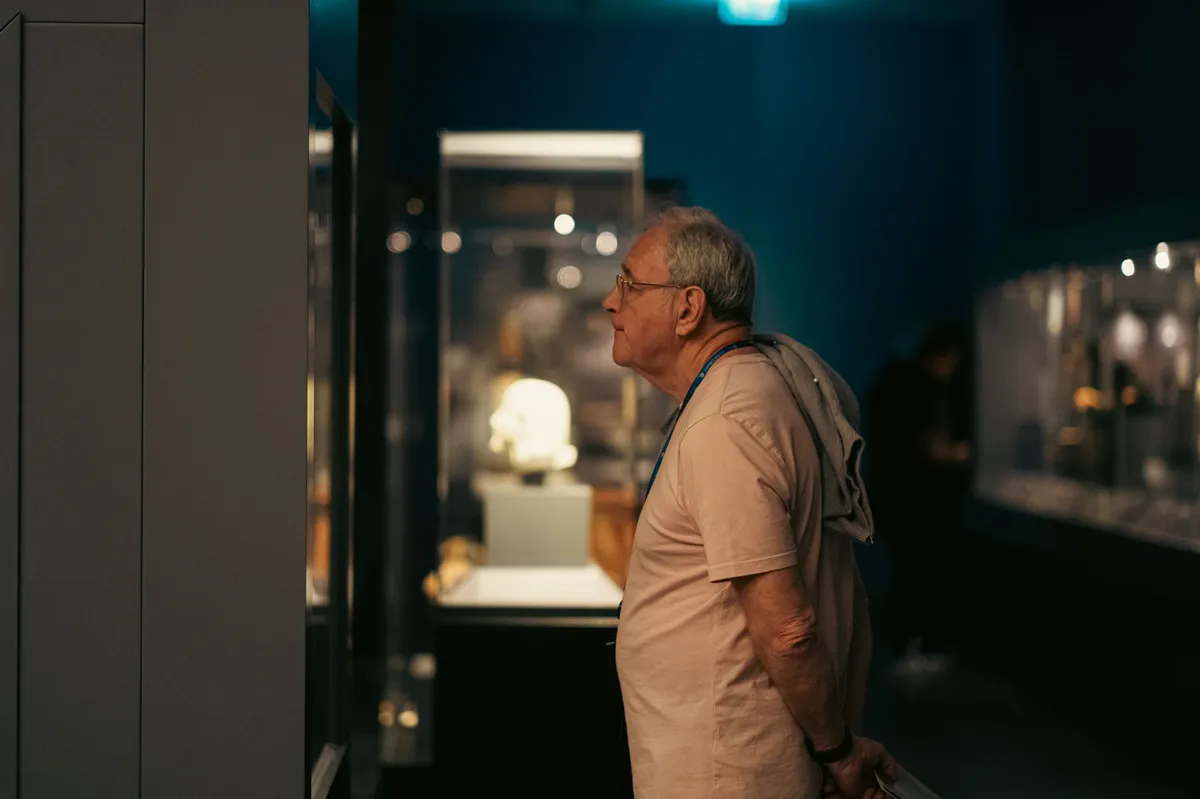
Consider the case of Giovanni Kanter, a 25-year-old ICU nurse who routinely visits art museums, each time eagerly seeking new artistic experiences. Raised in a family of artists, Kanter's immersion in visual art has shaped his understanding of and appreciation for it. Yet, he represents a minority of young people today. For many, exposure to art is limited to school trips or sporadic family visits to museums. This discrepancy highlights a critical challenge for art institutions: how to engage a broader audience and foster a deeper understanding of art among those who may not have had the same opportunities for exposure. As Hilary Knight, director of Change& in London, notes, museums are evolving from "ivory towers of knowledge" to participatory centers for discussion and cultural exchange.
The Role of Data in Shaping Visitor Experiences
Museums have long played a pivotal role in shaping cultural tastes and preferences, but the advent of data analytics allows them to do so in more sophisticated ways. The VGM has embarked on an innovative collaboration with business school academics to explore how data can enhance visitor experiences. By analyzing visitor interactions with multimedia guides and tracking movement patterns within the museum, they are uncovering valuable insights that inform exhibition layouts and curation strategies.
Understanding Visitor Behavior
The research conducted by a team of professors, including Ali Aouad from MIT and Abhishek Deshmane from Georgia Tech, involved analyzing data from 25,000 visits to the VGM. Their findings indicate that the physical location of artworks and their digital representation significantly influence visitor behavior. For instance, visitors tend to follow recommended viewing orders and prioritize pieces based on perceived utility. This suggests that even minor adjustments in how art is presented can lead to increased engagement and a more rewarding experience.
Designing Optimal Layouts
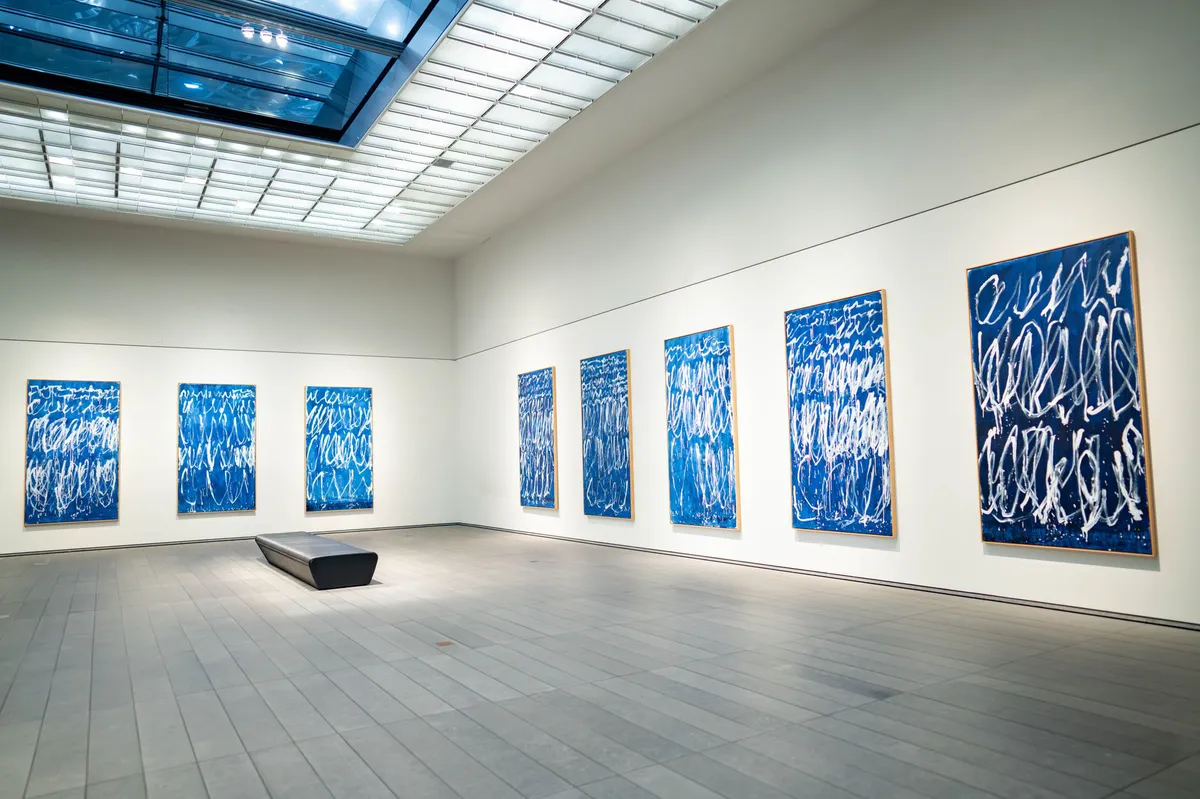
One particularly intriguing aspect of the research is the development of a model called pathway multinomial logit (pathway MNL), which predicts visitor movement based on various factors. Using this model, the researchers simulated new gallery layouts to identify optimal placements for artworks. This approach enabled them to predict visitor reactions and potentially increase the number of artworks seen during a visit. Interestingly, the data also revealed that crowding around certain pieces can enhance engagement, as visitors often perceive it as a signal of quality.
Enhancing Digital Engagement
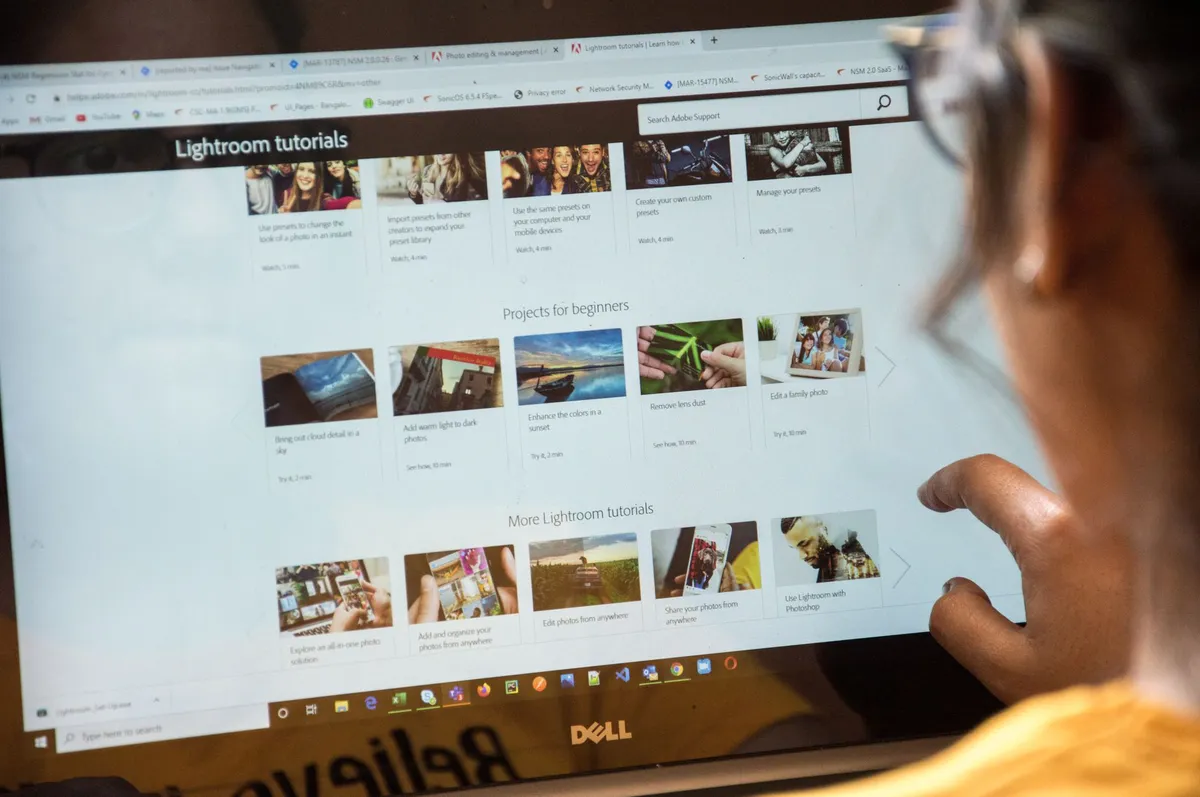
In today's digital age, the use of multimedia guides has become a common feature in art museums. These guides provide visitors with additional context and information about the artworks on display. However, despite their potential to enrich the museum experience, many visitors do not utilize them. The VGM's multimedia guide, for example, saw a notable increase in usage, with 36% of daily visitors opting for the guide in 2023, compared to lower figures in previous years.
From Audio Guides to Interactive Experiences
Audio guides have been a staple of museum visits since the 1950s, but recent trends indicate a shift toward more interactive and multimedia-rich experiences. Sandy Goldberg, a content creator for museums, highlights the pendulum swing between traditional audio guides and interactive technologies. While visitors appreciate the convenience of audio guides, there is a growing desire for engaging, hands-free experiences that allow them to immerse themselves in the art without distractions.
The Data Gold Mine
Despite the wealth of data generated by multimedia guides, many museums have not fully leveraged this information for decision-making. Sietze de Jong, managing director of Tapart, emphasizes that museums often fail to analyze the data collected from their digital guides. However, there is a positive trend emerging, with museums investing in data analytics capabilities and collaborating with external partners to extract actionable insights.
Challenges and Opportunities Ahead
As museums continue to integrate data analytics into their operations, they face both challenges and opportunities. While the potential for enhanced visitor engagement is immense, institutions must also navigate ethical considerations regarding data privacy and the impact of technology on the visitor experience.
Balancing Tradition and Innovation
Many museums are grappling with the tension between preserving traditional curatorial practices and embracing technological innovations. Changes in how art is displayed and experienced can evoke resistance from some stakeholders who may prioritize historical accuracy or authenticity. Striking a balance between tradition and innovation will be crucial for museums as they seek to attract diverse audiences while maintaining their cultural integrity.
Fostering Inclusivity in the Art World
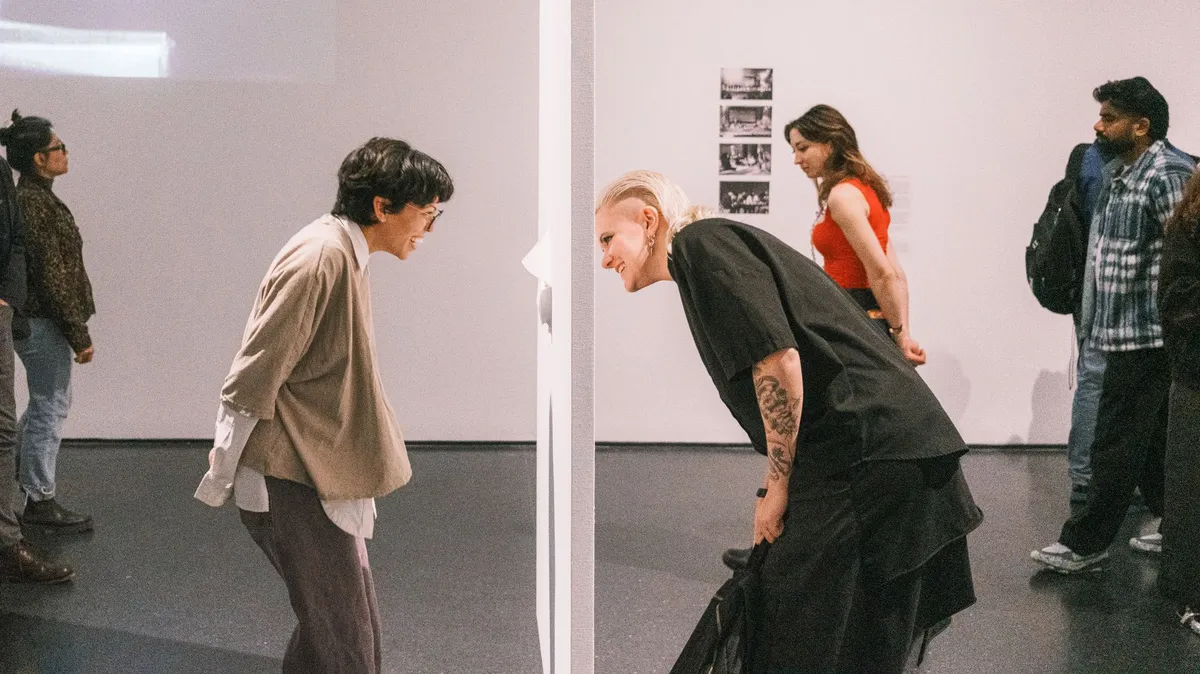
Another key consideration is the need for inclusivity in the art world. As museums increasingly use data to inform their strategies, they must ensure that they are not inadvertently reinforcing existing biases or excluding underrepresented communities. By actively seeking input from diverse audiences and using data to enhance accessibility, museums can create more equitable experiences for all visitors.
Key Takeaways
- Museums are evolving from static repositories to dynamic hubs of cultural engagement, driven by data analytics.
- Visitor behavior analysis allows institutions to optimize exhibition layouts and enhance engagement through informed curation.
- Multimedia guides are gaining popularity, but many visitors remain unaware of their potential benefits.
- Challenges regarding data privacy and inclusivity must be addressed as museums embrace technology to enhance visitor experiences.
- Collaboration with academic experts is vital for extracting actionable insights from visitor data.
Frequently Asked Questions
How are museums using data to enhance visitor experiences?
Museums are utilizing data analytics to understand visitor behaviors, preferences, and movement patterns within their spaces. By analyzing this data, institutions can optimize exhibition layouts, enhance engagement, and tailor experiences to meet the needs of their audiences. Collaborative efforts with academic institutions have proven particularly beneficial in extracting actionable insights from visitor interactions.
What challenges do museums face when integrating technology?
While technology presents numerous opportunities for enhancing visitor experiences, museums must navigate challenges such as data privacy concerns, the potential for reinforcing biases, and resistance to changing traditional curatorial practices. Striking a balance between innovation and preserving cultural integrity is essential for successful integration.
Are multimedia guides effective in increasing visitor engagement?
Multimedia guides can significantly enhance visitor engagement by providing additional context and interactive elements. While their usage has traditionally been low, recent trends indicate that more visitors are embracing these tools. Museums that invest in user-friendly, engaging multimedia experiences are likely to see increased uptake and satisfaction among their audiences.
How can museums ensure inclusivity in their programming?
To foster inclusivity, museums should actively seek input from diverse communities and use data to enhance accessibility. By understanding the needs and preferences of underrepresented audiences, institutions can create programs and experiences that resonate with a broader range of visitors, thereby enriching the cultural landscape for all.
Comments
Controversial FDA Peptide Approval Raises Safety Concerns
The FDA committee's recent decision to lift restrictions on peptide manufacturing, spearheaded by HHS Secretary Robert F. Kennedy Jr., ignites debate over safety and efficacy.

Related articles


Popular in Guides
- Boomers Lead the Charge in Alcohol Abstinence: Insights from New Research
- Understanding the Physics of Silly Sprinklers and Feynman's Reverse Sprinkler Puzzle
- Mark Zuckerberg Acquires Strancally Castle: A Look at His New Irish Estate
- Last Chance to Score Discounts for TechCrunch Disrupt 2026
- The Coming Air-Conditioning Revolution in Europe: A Necessity or a Luxury?