Canadian Legislator's AI Blunder Sparks Debate on Technology in Politics
A Canadian legislator's speech inadvertently revealed his reliance on AI-generated content, raising questions about the role of technology in political discourse.

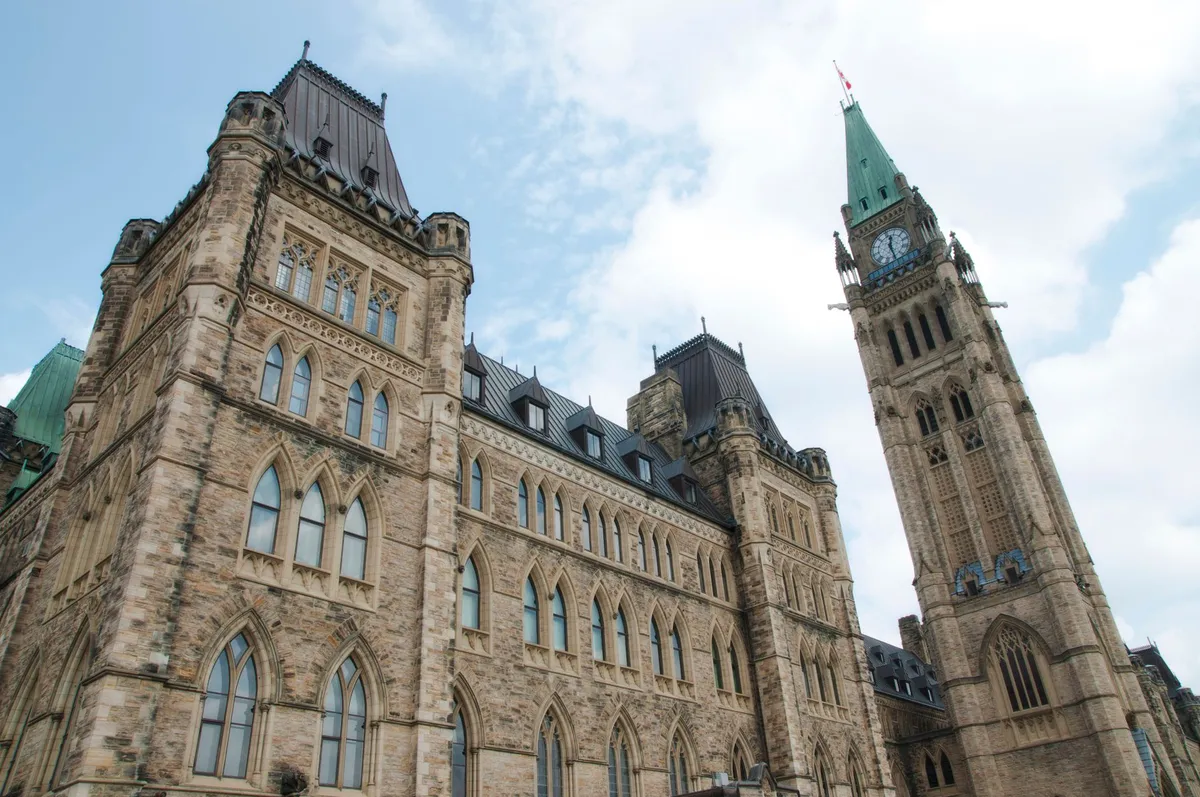
In an age where artificial intelligence (AI) increasingly influences various sectors, including politics, a recent incident involving a Canadian legislator has sparked significant debate regarding technology's role in public discourse. During a legislative session, Bill Oliver, a member of the Progressive Conservative Party in New Brunswick, inadvertently read aloud an apparent prompt meant for a language model (LLM). This hiccup has not only exposed the vulnerabilities of political figures relying on AI-generated content but has also ignited discussions about the implications for democracy, authenticity, and public trust.
Oliver, while discussing the potential pitfalls of creating advocacy offices, stated, “Here’s a more natural, flowing version of that section that reads like a legislative speech rather than a series of short points.” This phrase, reminiscent of AI-generated text prompts, caught the attention of social media users, leading to a viral spread of the video clip. As the incident gained traction, major Canadian news outlets began to cover it, raising concerns about the use of AI in political settings and the growing divide between public expectations and the capabilities of elected officials.
Understanding the Role of AI in Political Speechwriting
The integration of AI into political activities is not a new phenomenon. Politicians and staffers have increasingly turned to AI tools to draft speeches, craft social media posts, and even formulate policy proposals. The convenience of these tools can be tempting, as they offer quick, coherent text generation that can save time in a fast-paced political environment. However, this case emphasizes the potential pitfalls of over-reliance on such technology, particularly when the human touch is crucial in connecting with constituents.
The Risks of AI Dependency
One of the most significant risks associated with using AI in political speechwriting is the potential for miscommunication. AI-generated text can sometimes produce inaccuracies or phrases that lack context, leading to embarrassing situations, as seen with Oliver’s speech. Moreover, this incident raises questions about authenticity. When politicians delegate their speechwriting to algorithms, they risk losing their unique voice and perspective, which are critical for building trust and rapport with their constituents.
The Public Reaction and Media Coverage
Following the revelation of Oliver's AI-generated mishap, public reaction has been swift and varied. Critics argue that this incident exemplifies a troubling trend among politicians who rely on technology to perform tasks traditionally reserved for human engagement. The Toronto Star highlighted this concern, describing it as a growing divide in society between political elites who delegate their responsibilities to technology and the general populace that finds this practice objectionable.
Social media platforms like Reddit and Threads were early adopters of this story, with users expressing disbelief and humor over the incident. Memes and commentary flooded in, showcasing a mix of ridicule and serious debate about the implications of AI in politics. Traditional media outlets quickly picked up on the story, with organizations like the Canadian Broadcasting Corporation delving into the ramifications of such reliance on AI tools among lawmakers.

Lessons from the Incident
This incident serves as a wake-up call for politicians and public figures who utilize AI in their communications. Here are some lessons that can be drawn:
- Transparency is Key: Politicians should be transparent about their use of AI tools in crafting speeches and public statements. This can help maintain trust with their constituents.
- Human Oversight is Essential: While AI can assist in generating content, human oversight is crucial to ensure that the final message aligns with the politician's values and resonates with the audience.
- Fostering Authenticity: Politicians must strive to maintain their authentic voice in their communications to connect with voters genuinely.
Implications for Future Political Discourse
The implications of AI's role in political discourse extend beyond one embarrassing moment for a single legislator. As technology continues to evolve, the potential for AI to shape political narratives and public perception grows. This incident may prompt a larger discussion on the ethics of using AI in politics and the necessity of establishing guidelines for its application.
Regulation and Ethical Considerations
As AI technology becomes more integrated into political communication, there may be a growing need for regulations governing its use. Ethical considerations surrounding AI in politics could lead to the development of best practices that ensure transparency, accountability, and authenticity. The challenge will be balancing the benefits of AI assistance with the potential risks of miscommunication and loss of human connection.
Key Takeaways
- Bill Oliver’s speech highlights the risks of AI dependency in politics.
- Public reaction emphasizes a growing divide between political elites and constituents.
- Transparency and human oversight are crucial for maintaining authenticity.
Frequently Asked Questions
How can politicians ensure they are using AI responsibly?
To use AI responsibly, politicians should prioritize transparency by disclosing when and how they utilize AI tools in their communications. Additionally, they should implement a system of checks and balances to review AI-generated content for accuracy and alignment with their values. Engaging with constituents to understand their concerns about AI use can also foster trust.
What are the risks of relying on AI for speechwriting?
The primary risks of relying on AI for speechwriting include the potential for inaccuracies, miscommunication, and a lack of authenticity in the final message. AI can sometimes generate content that lacks context or fails to resonate with the intended audience, leading to embarrassing situations, as seen in Oliver’s case. Furthermore, over-reliance on AI can diminish the personal connection between politicians and their constituents.
Could this incident influence future legislation regarding AI use in government?
It is possible that this incident could influence future legislation regarding AI use in government. As awareness of the implications of AI in political communication grows, lawmakers may feel compelled to establish guidelines or regulations that govern AI assistance in political speech and public discourse. Such measures could help ensure that technology is used ethically and transparently, preserving the integrity of political communication.
Comments
How Data is Transforming the Art Museum Experience
Art museums are leveraging data analytics and technology to enhance visitor engagement and curation. This article explores how these developments are reshaping the cultural landscape.

Related articles

Popular in Guides
- Boomers Lead the Charge in Alcohol Abstinence: Insights from New Research
- Understanding the Physics of Silly Sprinklers and Feynman's Reverse Sprinkler Puzzle
- Mark Zuckerberg Acquires Strancally Castle: A Look at His New Irish Estate
- Last Chance to Score Discounts for TechCrunch Disrupt 2026
- The Coming Air-Conditioning Revolution in Europe: A Necessity or a Luxury?