Roku's Price Surge: Understanding the 60% Increase in Streaming Devices
Roku announces significant price hikes for its streaming devices, citing RAM shortages and rising component costs. Learn how this impacts consumers and the market.
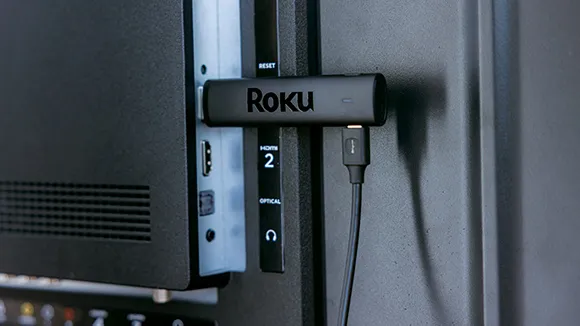
In a surprising move that has sent ripples through the streaming device market, Roku has announced a staggering price increase of up to 60% for its popular streaming sticks and boxes. This decision comes on the heels of a reported shortage of RAM and other essential components, which has been exacerbated by the rapid growth of the artificial intelligence sector. While Roku has built its reputation on providing affordable streaming solutions, this recent price adjustment raises questions about the company's strategy and its impact on consumers.
As of now, Roku's official website reflects the new prices, although the devices continue to be available at their previous prices listed as “sale prices.” For instance, the Roku Streaming Stick has jumped from $30 to $40, while the Roku Streaming Stick 4K has seen a rise from $50 to $80. Notably, the Roku Ultra and Roku Streambar SE now command prices of $150, up from $100. This shift in pricing not only impacts consumers but also marks a significant departure from Roku's historically budget-friendly approach.
Reasons Behind the Price Hike
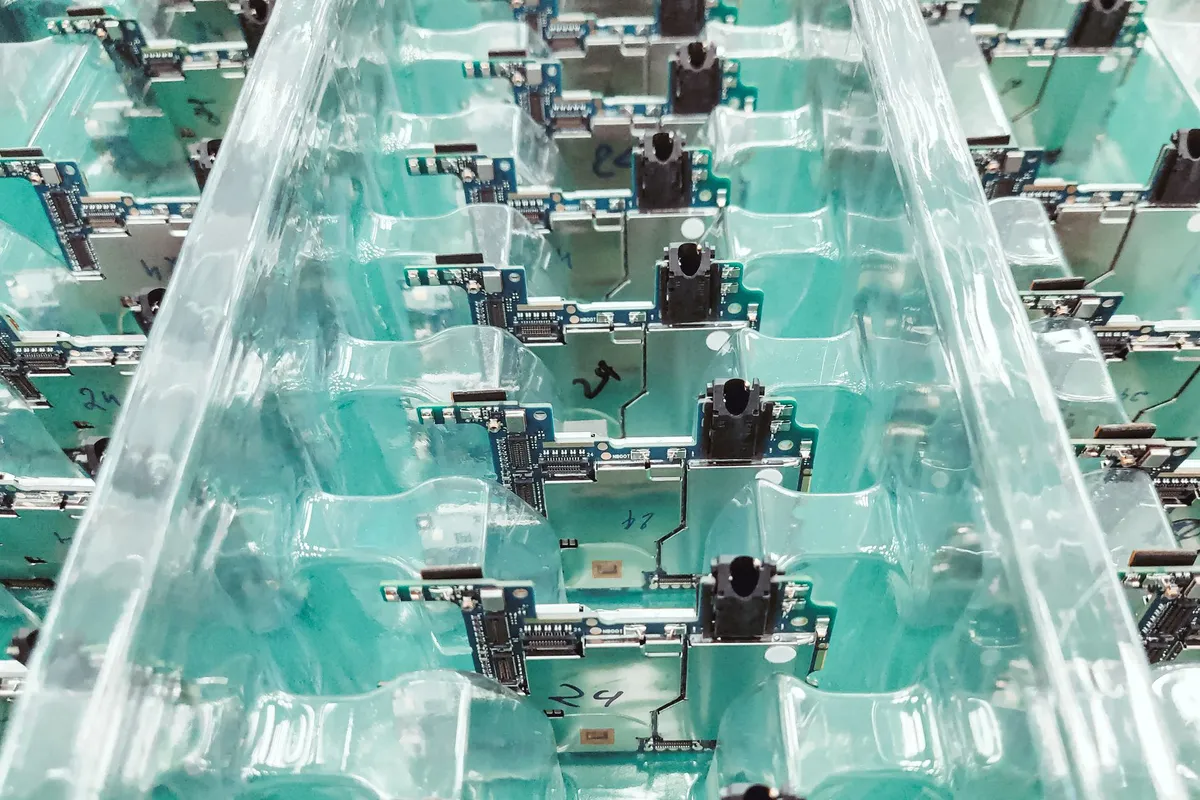
The primary driver behind Roku's decision to raise prices stems from a shortage of memory and other components, a situation that has been described as “RAMageddon.” This term encapsulates the broader supply chain challenges that tech companies are facing due to an unprecedented demand for memory products, largely influenced by the booming artificial intelligence market. According to reports, Roku executives have acknowledged that this shortage has forced the company to adjust its pricing structure.
Interestingly, this price hike comes at a time when Roku's CEO, Anthony Wood, had previously described the memory shortage as a potential advantage for the company. In a May call with investors, he highlighted that Roku's operating system required significantly less memory compared to competing products, suggesting that the company had a cost advantage. However, the harsh realities of the current supply chain crisis have compelled Roku to reassess its pricing strategy, leading to the latest announcement.
The Competitive Landscape
Roku's price adjustments reflect a larger trend within the tech industry, where companies are grappling with rising costs across various components. For example, Apple recently raised the prices of its Apple TV boxes, with the 64GB version now priced at $199, up from $129, and the 128GB version climbing from $149 to $249. Unlike Apple, which has positioned itself as a premium brand, Roku has traditionally focused on affordability, making these price increases particularly noteworthy.
Given Roku's established identity as a budget-friendly option in the streaming market, the company faces the challenge of convincing consumers that these new prices are justified. With an increasing number of competitors entering the streaming space, it remains to be seen whether Roku can maintain its market share amid rising prices and changing consumer expectations.
Consumer Reactions and Market Implications
The response from consumers has been mixed, with many expressing concern over the affordability of Roku devices. As streaming services become an essential part of daily entertainment, the price of the hardware that delivers this content becomes increasingly important. Consumers are now faced with difficult choices: stick with Roku despite the price hike, or explore alternatives that may offer similar functionality at lower prices.
Roku's price hike also comes at a pivotal time for the company, as it is in the process of being acquired by Fox for an enterprise value of $22 billion. This deal, which is subject to regulatory and shareholder approval, is expected to close in 2027. The merger could significantly change Roku's strategic direction and pricing strategy moving forward, as it seeks to integrate with Fox's broader media ecosystem.

Strategies for Consumers
With Roku's price increases now in effect, consumers should consider several strategies to navigate this changing landscape:
- Evaluate Alternatives: While Roku has been a popular choice, other brands such as Amazon Fire TV and Chromecast are also available and may offer competitive pricing.
- Monitor Sales: Retailers may continue to sell older stock at lower prices until supplies run out, presenting an opportunity for consumers to snag deals.
- Assess Needs: Determine whether the features offered in the more expensive models align with your viewing habits. If basic functionality suffices, consider opting for cheaper models or older versions.
- Stay Informed: Keep an eye on Roku's pricing trends and the overall market to make informed purchasing decisions in the future.
Key Takeaways
- Roku has increased streaming device prices by up to 60% due to component shortages.
- The price hikes come amid an acquisition by Fox, adding another layer of complexity to Roku's future.
- Consumers are encouraged to evaluate alternative streaming devices and monitor sales for potential savings.
- The streaming market is becoming increasingly competitive, with price sensitivity playing a crucial role in consumer choices.
Frequently Asked Questions
Why is Roku raising its prices now?
Roku's recent price increases are primarily driven by a shortage of RAM and other key components, a situation worsened by the surge in demand from the artificial intelligence sector. This has resulted in rising costs that the company has chosen to pass on to consumers to maintain profitability.
How does this affect Roku's competitive position?
Roku, known for its affordability, may face challenges in retaining its market share as it raises prices. Competitors like Amazon and Google are also in the streaming space, providing consumers with alternatives. The price increases could lead to a shift in consumer loyalty if customers perceive other brands as offering better value.
What can consumers do about the price hikes?
Consumers are advised to consider alternative streaming devices, keep an eye out for sales on older models, and assess their own streaming needs before making a purchase. By staying informed about market trends and pricing, they can make more strategic decisions regarding their streaming hardware.
Will the prices go down in the future?
While it's difficult to predict future pricing trends, ongoing supply chain issues and component shortages suggest that prices may remain elevated for the foreseeable future. However, as the market stabilizes and competition increases, there's potential for prices to decrease or promotional offers to become more frequent. Consumers should continue to watch for changes in the market.
Comments
How Data is Transforming the Art Museum Experience
Art museums are leveraging data analytics and technology to enhance visitor engagement and curation. This article explores how these developments are reshaping the cultural landscape.

Related articles


Popular in Guides
- Boomers Lead the Charge in Alcohol Abstinence: Insights from New Research
- Understanding the Physics of Silly Sprinklers and Feynman's Reverse Sprinkler Puzzle
- Mark Zuckerberg Acquires Strancally Castle: A Look at His New Irish Estate
- Last Chance to Score Discounts for TechCrunch Disrupt 2026
- The Coming Air-Conditioning Revolution in Europe: A Necessity or a Luxury?