How Naked Mole-Rat Queens Maintain Colony Hierarchy with Chemical Signals
Naked mole-rat queens utilize a unique chemical signal to suppress the fertility of rival females in their colonies. This fascinating biological mechanism not only enforces social order but also raises questions about the evolutionary implications of chemical communication in mammals.
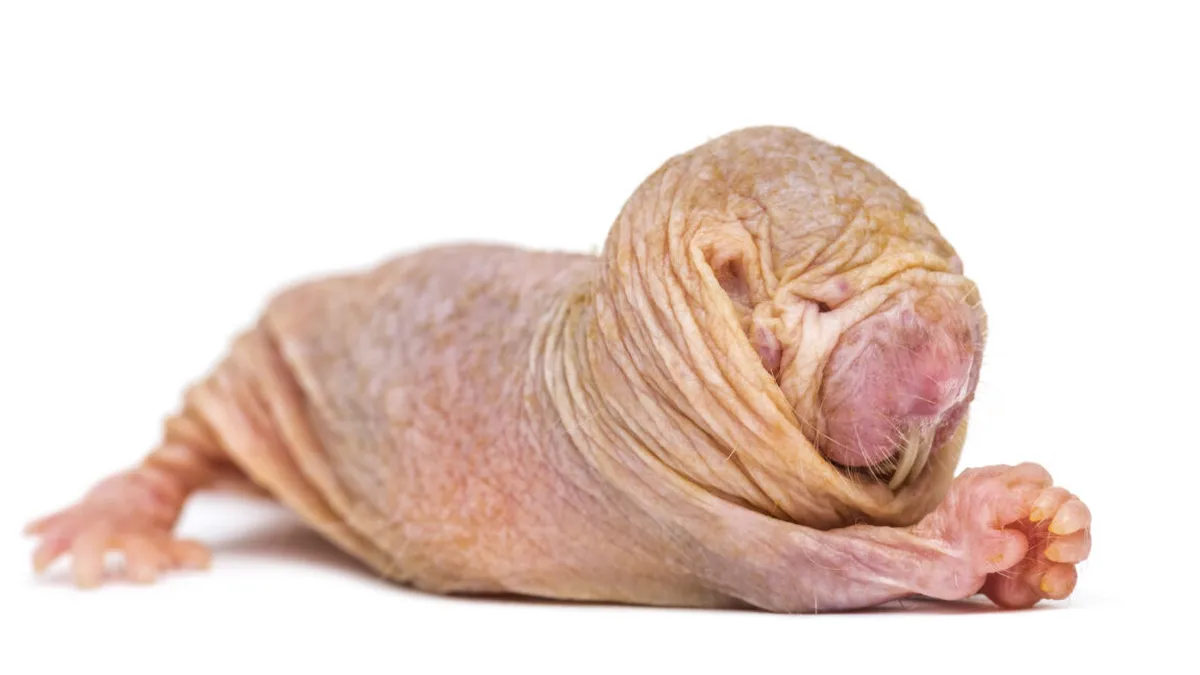
Deep beneath the surface of the earth, a remarkable society thrives: the naked mole rat colonies. These intriguing creatures, often regarded as one of the most unusual mammals, exhibit eusocial behavior, similar to that of bees and ants. At the heart of their complex social structure lies an extraordinary mechanism: a single chemical signal produced by the queen to suppress the fertility of rival females. Recent research from the Max Delbrück Center for Molecular Medicine in Berlin uncovers the intricate details of this process, revealing how these subterranean rodents maintain their hierarchy and social order.
The naked mole rat is not just a fascinating subject of study due to its unique social behavior; it also possesses a range of remarkable physiological traits. These creatures can live for over 30 years, far exceeding the lifespan of most rodents, and exhibit unusual resistance to cancer and pain. Their subterranean lifestyle has resulted in a reliance on smell over sight, as they navigate intricate tunnel networks that can stretch up to three kilometers. Given this context, understanding how these animals communicate and establish social norms becomes crucial.
The Role of Olfactory Cues in Naked Mole-Rat Societies
Previous hypotheses suggested that naked mole-rat queens maintained control through aggressive behavior, but this theory fell short when considering their expansive underground territories. The new findings highlight the significance of olfactory signaling in colony dynamics. According to Gary Lewin, a neurobiologist and senior author of the study, naked mole rats possess a highly developed sense of smell, equipped with around 1,200 olfactory receptor genes. This is more than mice and significantly exceeds the few hundred found in humans.
Research Methodology: Analyzing Chemical Signatures
To explore how these creatures utilize scent for social signaling, the research team collected odor samples from individual mole rats. They employed a mass spectrometer to analyze the volatile compounds emitted from the animals, identifying approximately 100 distinct chemicals. This analysis revealed that each colony boasted a unique chemical signature, allowing mole rats to identify nestmates versus outsiders—a behavior that leads to aggressive encounters with intruders.
- Naked mole rats have over 1,200 olfactory receptor genes.
- Each colony has a unique chemical signature.
- Strangers are met with aggression, highlighting their xenophobic nature.
- Research utilized mass spectrometry to analyze odor samples.
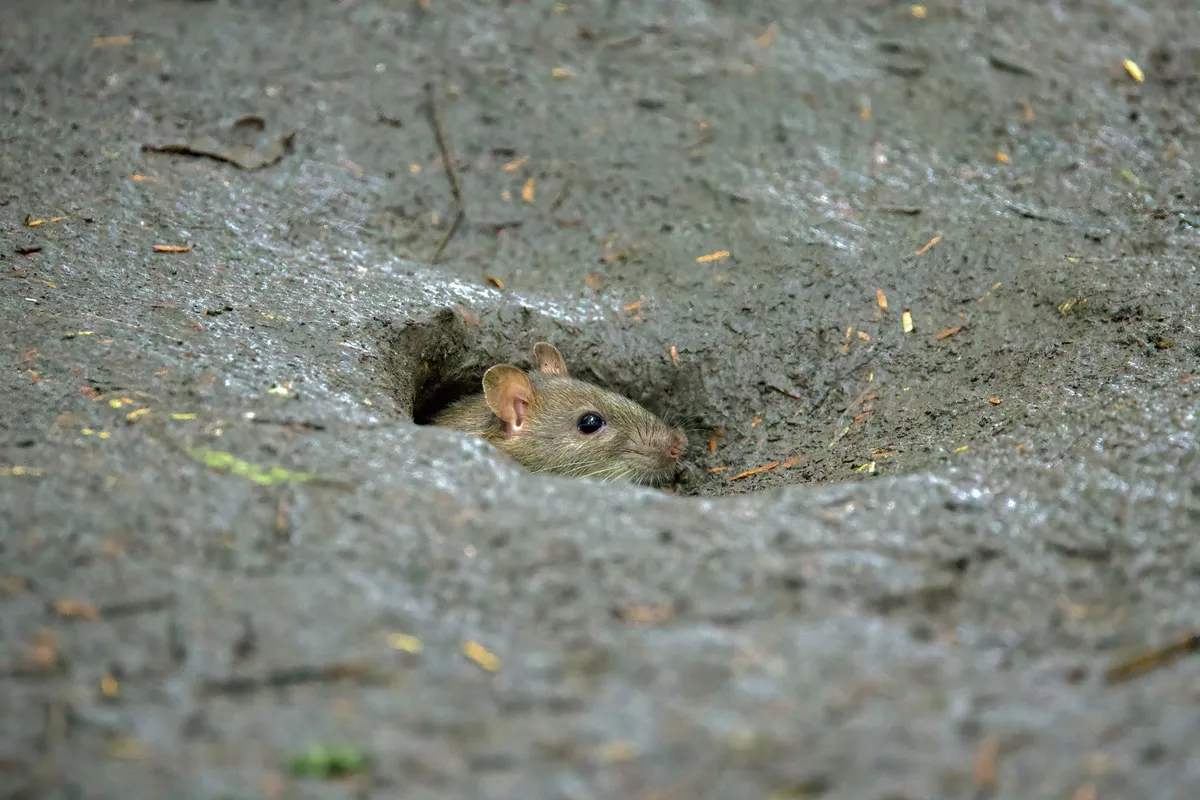
The Queen's Chemical Weapon: Isopropyl Myristate
Among the various chemicals identified, one compound stood out: isopropyl myristate. This ester was found exclusively in the scent profiles of breeding female queens. The study revealed that queens secrete this compound from their genital area, distributing it throughout their underground territories. The concentration of isopropyl myristate fluctuated with the queen's reproductive cycle, peaking during periods of fertility, which indicates its role as a marker for breeding capability.
Isopropyl myristate is not only volatile but also stable on surfaces, allowing it to persist in the burrows for extended periods. This feature is crucial for communication within the vast network of tunnels, enabling queens to effectively spread their scent across their realm without constant effort.
Behavioral Responses to the Queen's Scent
The researchers conducted experiments to understand how subordinate female mole rats react to isopropyl myristate. By observing their behavior in a T-maze with the queen's chemical placed on one side, they discovered that higher-ranked females tended to avoid the compound, likely due to an instinctual understanding that proximity to the queen could result in aggression.
Using functional ultrasound imaging, the team observed that the presence of isopropyl myristate activated significant areas within the olfactory cortex of the mole rats, indicating that the chemical was registered as a distinct signal rather than mere background odor. Additionally, the exposure to this compound influenced hormonal levels in non-breeding females, leading to drops in prolactin—a hormone associated with lactation and fertility suppression—and changes in progesterone levels.
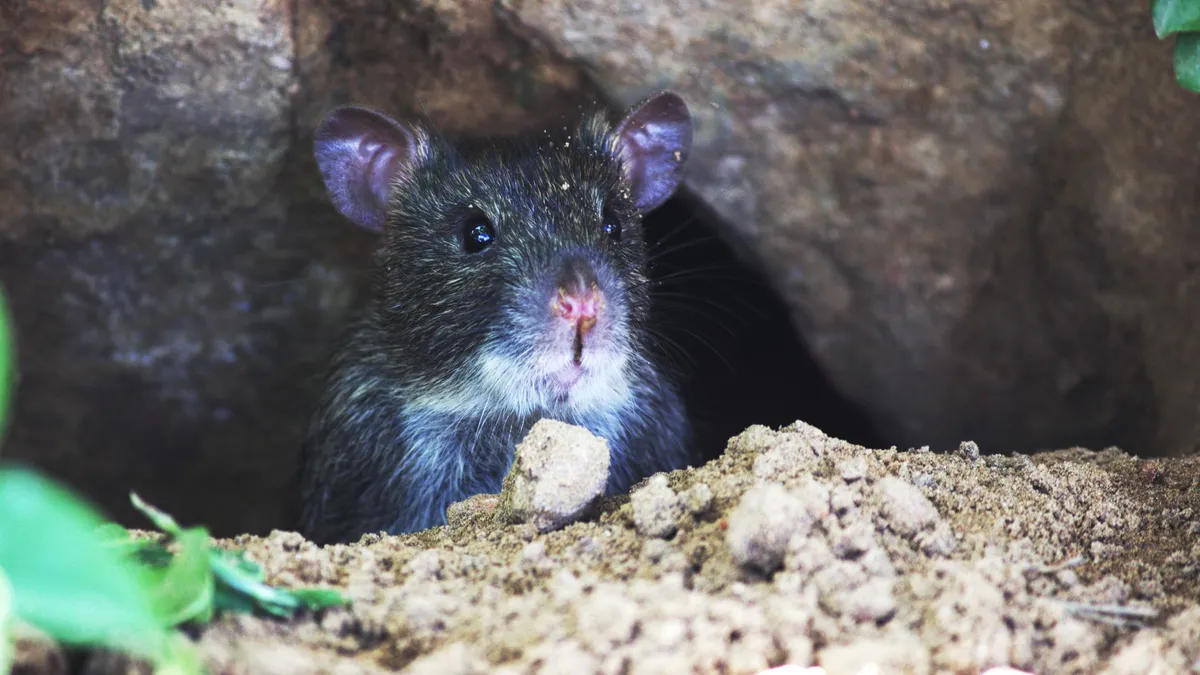
Stability of Social Order: The Role of Isopropyl Myristate
To further investigate the efficacy of isopropyl myristate as a reproductive suppressor, the researchers conducted experiments following the removal of a colony's queen. Typically, this would trigger a power struggle among the remaining females to establish a new queen. However, when the researchers continuously applied isopropyl myristate in the absence of the queen, the expected turmoil did not occur. Instead, the colony remained peaceful, with no attempts at establishing a new breeding female.
This finding highlights the potential of isopropyl myristate as a “super contraceptive,” effectively preventing breeding and stabilizing the social structure of the colony. This outcome not only sheds light on the reproductive strategies of naked mole rats but also draws parallels to similar mechanisms observed in other eusocial species, such as honeybees, where pheromones regulate reproductive functions.
Implications for Understanding Mammalian Social Behavior
The implications of this research extend beyond the confines of mole-rat colonies. The secretion of isopropyl myristate is not exclusive to these rodents; it has also been detected in the breast secretions of lactating human mothers, although its exact function in humans remains unclear. This raises intriguing questions about the evolutionary origins of chemical signaling in mammals and whether similar mechanisms are at play in other species.
As researchers continue to explore the role of olfactory cues in social behavior, the naked mole rat stands out as a model organism for studying the intersection of chemical communication and reproductive strategies. Understanding these dynamics not only enhances our knowledge of mole rats but may also provide insights into broader biological principles applicable to various species, including humans.
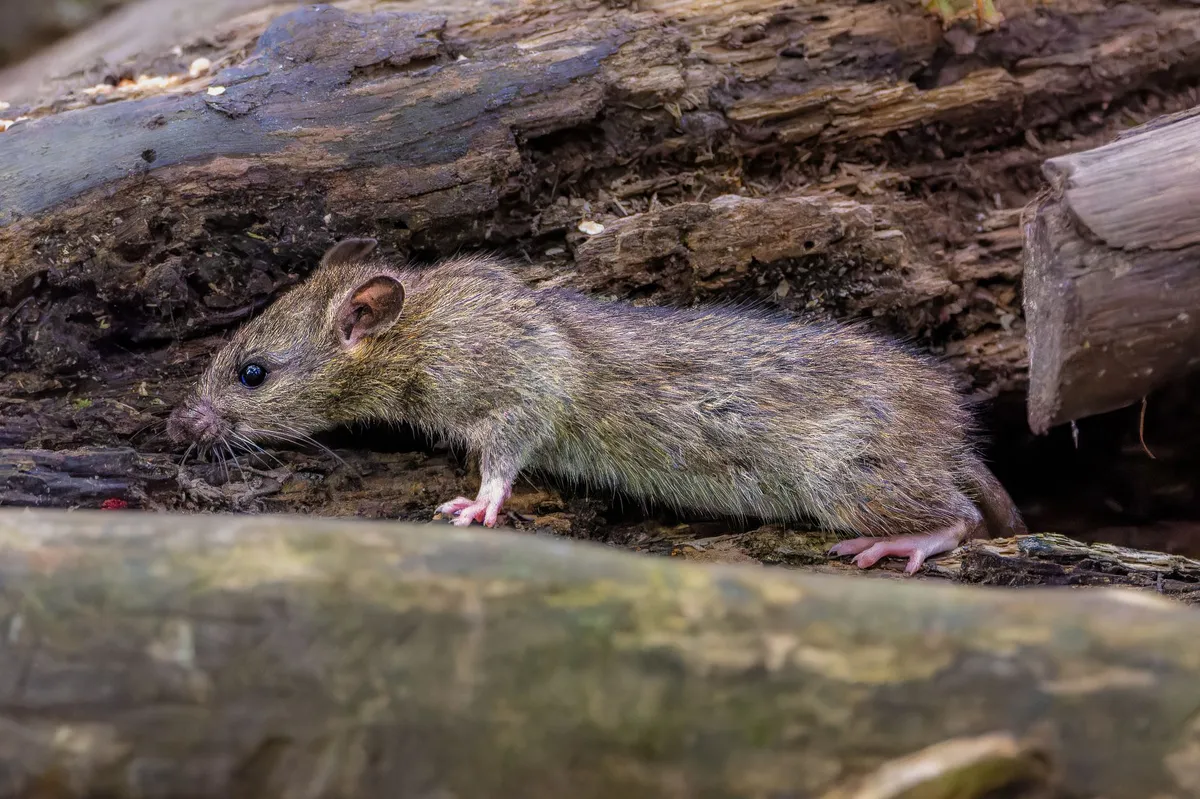
Key Takeaways
- Naked mole rat queens use isopropyl myristate to suppress the fertility of rival females in their colonies.
- This chemical is secreted during periods of fertility and remains active in the colony's tunnels for extended periods.
- The presence of this compound stabilizes the social order, preventing power struggles among subordinate females.
- The findings highlight the significance of olfactory communication in mammalian social structures.
- Similar chemical signaling mechanisms may exist in other species, including humans.
Frequently Asked Questions
What makes naked mole rats unique compared to other rodents?
Naked mole rats exhibit several unique traits, including their eusocial behavior, which is rare among mammals. In their colonies, only one queen breeds, while others serve various roles such as workers or soldiers. Additionally, they possess remarkable longevity and resistance to cancer, making them subjects of interest in biological research.
How does isopropyl myristate function in naked mole rat colonies?
Isopropyl myristate functions as a chemical signal that suppresses the reproductive capabilities of subordinate females. By marking their territory with this compound, queens maintain social order and prevent competition for breeding, effectively regulating the colony's reproductive dynamics.
What can we learn from naked mole rat social structures?
Naked mole rat social structures provide valuable insights into the evolution of eusocial behavior and chemical communication among mammals. By studying these dynamics, researchers can better understand how similar mechanisms might operate in other species, potentially informing our understanding of social behavior in humans and other mammals.
Comments
2027 Kia Seltos: A Compact SUV That Delivers Value and Versatility
The 2027 Kia Seltos, starting at just under $25,000, offers a blend of style, space, and technology, making it an attractive option for SUV buyers on a budget.

Related articles


Popular in Guides
- Boomers Lead the Charge in Alcohol Abstinence: Insights from New Research
- Understanding the Physics of Silly Sprinklers and Feynman's Reverse Sprinkler Puzzle
- Mark Zuckerberg Acquires Strancally Castle: A Look at His New Irish Estate
- Last Chance to Score Discounts for TechCrunch Disrupt 2026
- The Coming Air-Conditioning Revolution in Europe: A Necessity or a Luxury?