Nintendo Faces Class Action Over Tariff Refunds: Legal Implications and Consumer Rights
Nintendo is pushing back against a class-action lawsuit demanding tariff refunds for Switch buyers, arguing that consumers voluntarily accepted higher prices. This article explores the legal landscape, consumer rights, and the broader implications of such cases in the tech industry.
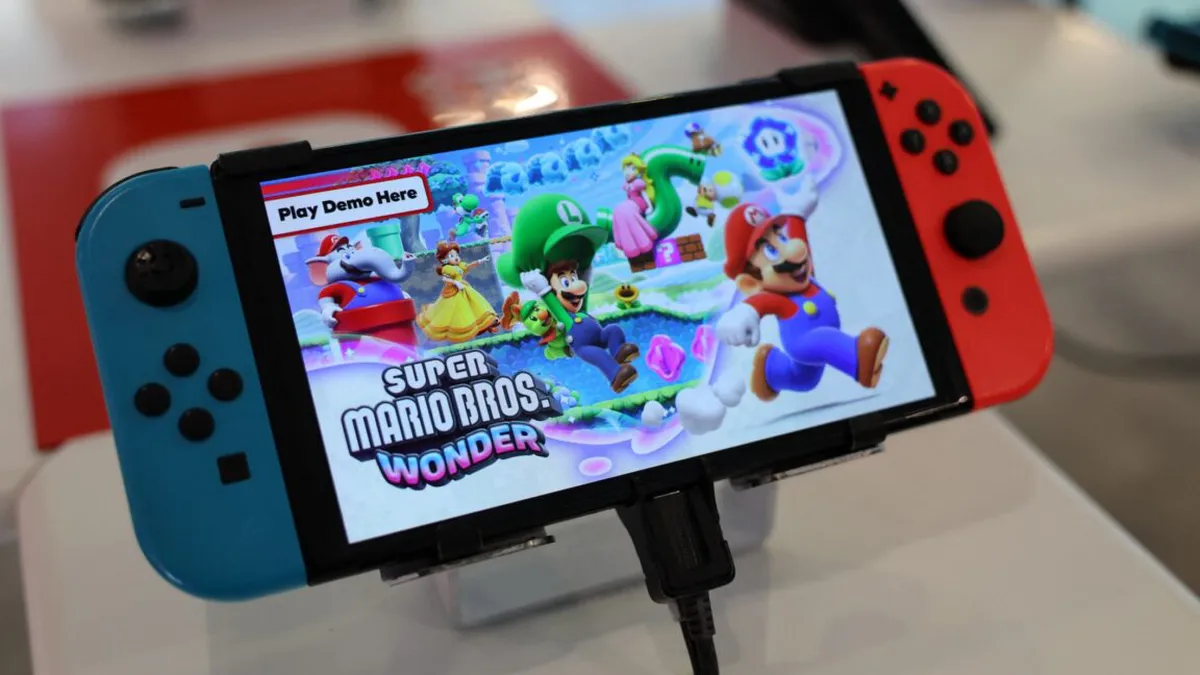
Nintendo is currently embroiled in a class-action lawsuit that challenges the legality of price increases initiated due to tariffs imposed during the Trump administration. The lawsuit, filed by two consumers, argues that the company should refund the additional costs passed on to customers in light of recent Supreme Court rulings that deemed these tariffs unlawful. Nintendo, however, has filed a motion to dismiss, asserting that the plaintiffs have no legal claim to any tariff refunds, as they voluntarily paid the prices set for their purchases. This legal battle not only highlights issues of corporate ethics and consumer rights but also exposes the complexities of tariff-related pricing in the tech industry.
The plaintiffs, California resident Gregory Hoffert and Washington resident Prashant Sharan, represent a broader class of U.S. consumers who purchased Nintendo products between February 2025 and February 2026. Their complaint revolves around the notion of unjust enrichment, alleging that Nintendo profited unfairly from price hikes tied to tariffs while simultaneously seeking refunds from the government for those very tariffs. As this case unfolds, it raises critical questions about the responsibilities of corporations in passing on costs to consumers and the legal recourse available to buyers.
Understanding the Tariff Context
Tariffs, which are taxes imposed on imported goods, have a significant impact on pricing strategies for companies that rely on foreign manufacturing. During President Trump’s administration, tariffs were levied on numerous products, including electronics, as part of a broader trade war aimed at reducing the trade deficit and bolstering domestic manufacturing. These tariffs led many companies, including Nintendo, to increase prices on their products, with the intention of offsetting the added costs imposed by the government.
In Nintendo's case, the original Switch console saw a price increase of $30 to $50, while various accessories saw hikes of $5 to $10. As consumers reacted to these increases, the company’s pricing strategy drew scrutiny, particularly when the Supreme Court ruled that multiple tariffs imposed under the International Emergency Economic Powers Act were illegal, prompting a process for potential refunds.
Legal Arguments and Consumer Rights
The central argument of the lawsuit revolves around the concept of unjust enrichment, which posits that one party should not benefit at the expense of another without compensating them. The plaintiffs argue that Nintendo's price increases were directly tied to the now-invalidated tariffs and that the company should not retain profits from those sales while also seeking refunds from the government for the tariffs themselves. Nintendo counters this claim by stating that the plaintiffs voluntarily paid for the products at the prices advertised, and therefore, there is no legal basis for a retroactive price adjustment.
Implications of the Ruling
The outcome of this case could set a significant precedent for consumer rights in tariff-related pricing cases. If the court sides with the plaintiffs, it could open the floodgates for similar lawsuits against other companies that raised prices due to tariffs. This could result in substantial financial repercussions for businesses that passed tariff costs onto consumers, as they may be required to issue refunds or face further legal challenges.
- Impact on Corporate Pricing Strategies: Companies may need to rethink their pricing structures to avoid legal scrutiny.
- Legal Precedent: A ruling in favor of consumers could encourage further class-action lawsuits across various industries.
- Consumer Awareness: Increased awareness of consumer rights regarding pricing and tariffs could empower buyers in future purchases.
The Broader Landscape of Tariff Refund Lawsuits
Nintendo is not alone in facing legal challenges regarding tariff refunds. Other major companies, such as Sony and Microsoft, are also contending with similar lawsuits from dissatisfied customers. In May, a class action was filed against Sony, and just recently, Microsoft faced a lawsuit concerning Xbox sales. These cases indicate a growing trend where consumers are seeking recourse for price increases attributed to government tariffs.
Legal experts have noted that more than 100 class-action lawsuits targeting various industries have been initiated since the Supreme Court ruling, with claims filed in over 30 federal districts across the United States. The legal theory underpinning these lawsuits is not limited to the tech industry; plaintiffs have challenged companies in sectors ranging from food manufacturing to logistics. As the legal landscape evolves, businesses may find themselves needing to defend their pricing practices rigorously.

Nintendo's Legal Maneuvers
In response to the class action, Nintendo has moved to compel arbitration for the claims brought by Hoffert, arguing that he accepted contractual agreements that included provisions for arbitration. By seeking arbitration, Nintendo aims to resolve the dispute outside of court, potentially limiting the scope of the lawsuit and controlling the narrative surrounding its pricing practices.
Legal analysts suggest that Nintendo's strategy may be indicative of a broader trend among corporations facing similar lawsuits. By enforcing arbitration clauses, companies can avoid lengthy litigation processes and potentially mitigate financial damages through private settlements instead of public court battles. However, this approach raises questions about transparency and consumer access to justice.

Key Takeaways
- Consumer Rights Matter: Consumers have legal avenues to challenge unfair pricing practices.
- Tariffs Impact Pricing: Businesses must account for how tariffs affect their pricing strategies and consumer perception.
- Legal Precedents Evolving: The outcomes of these lawsuits could reshape the legal landscape for consumer protection against unjust enrichment claims.
Frequently Asked Questions
What are the grounds for the lawsuit against Nintendo?
The lawsuit against Nintendo is based on allegations of unjust enrichment and violation of the Washington Consumer Protection Act. The plaintiffs argue that Nintendo raised prices due to tariffs and failed to disclose its intent to seek refunds from the government, thus profiting unfairly from these price increases.
How could this lawsuit affect other companies?
If the court rules in favor of the plaintiffs, it could set a precedent for similar lawsuits across various industries. Companies that increased prices due to tariffs may face legal challenges from consumers seeking refunds, which could impact their financial standing and pricing strategies moving forward.
What is the likelihood of success for consumers in similar lawsuits?
The likelihood of success in such lawsuits depends on several factors, including the legal arguments presented, the specific circumstances of each case, and how courts interpret issues of unjust enrichment. While past rulings have favored consumers in some instances, the outcomes can vary significantly based on jurisdiction and the unique details of each case.
Comments
2027 Kia Seltos: A Compact SUV That Delivers Value and Versatility
The 2027 Kia Seltos, starting at just under $25,000, offers a blend of style, space, and technology, making it an attractive option for SUV buyers on a budget.

Related articles


Popular in Guides
- Boomers Lead the Charge in Alcohol Abstinence: Insights from New Research
- Understanding the Physics of Silly Sprinklers and Feynman's Reverse Sprinkler Puzzle
- Mark Zuckerberg Acquires Strancally Castle: A Look at His New Irish Estate
- Last Chance to Score Discounts for TechCrunch Disrupt 2026
- The Coming Air-Conditioning Revolution in Europe: A Necessity or a Luxury?