Exploring Pompeii's Final Day: A Unique Docuseries with Tom Hiddleston
National Geographic's 'Pompeii: Out of Time' combines historical accuracy with imaginative storytelling as Tom Hiddleston leads viewers through the city's last 24 hours before the catastrophic eruption of Mount Vesuvius.
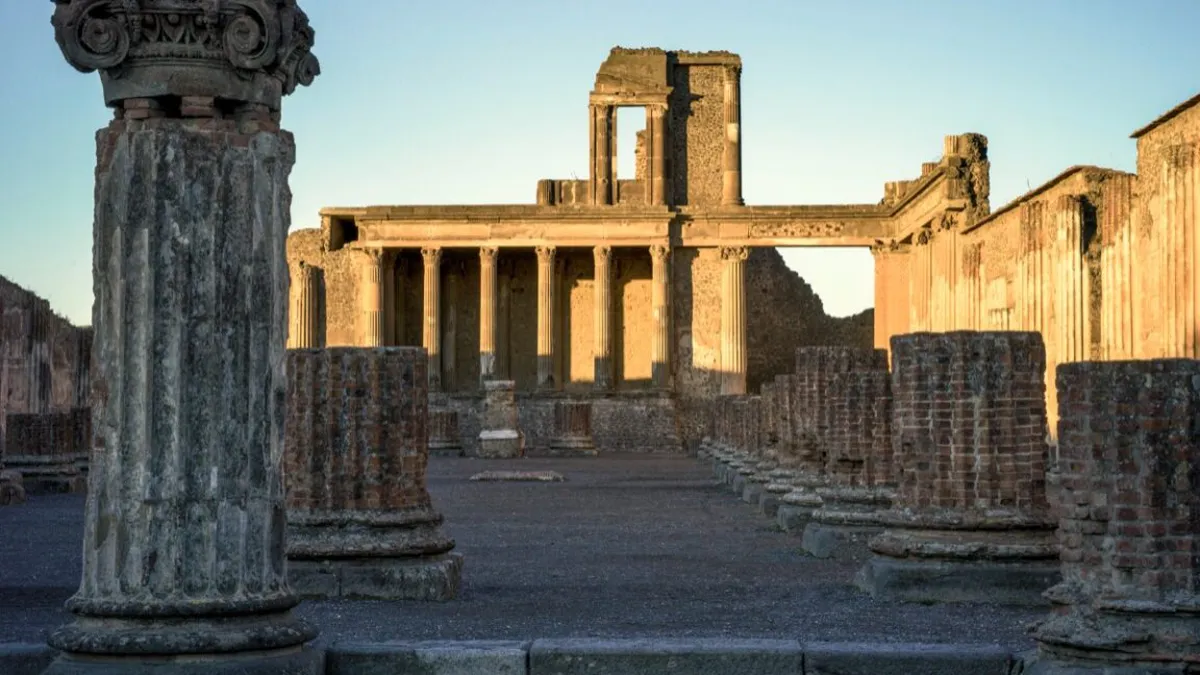
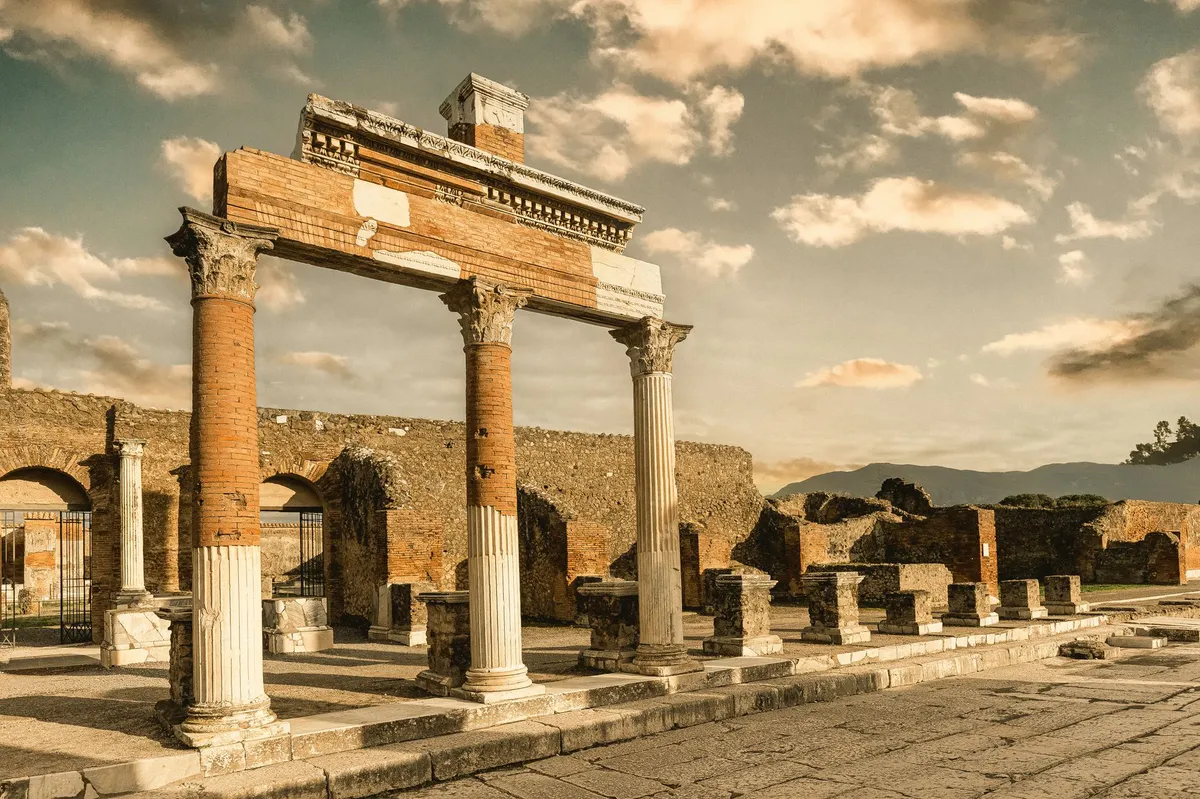
When Mount Vesuvius erupted in 79 CE, it unleashed a devastating torrent of molten rock, ash, and pyroclastic flows that buried the bustling Roman city of Pompeii and its inhabitants. This catastrophic event is etched into the annals of history, but how often do we pause to consider the lives of the people caught in such a harrowing moment? In a bid to humanize this historical tragedy, National Geographic has unveiled a groundbreaking docuseries titled Pompeii: Out of Time, hosted by actor Tom Hiddleston, who takes viewers on a journey to explore the final 24 hours of Pompeii.
Unlike traditional documentaries that often rely solely on facts and figures, this three-part series intertwines historical narratives with personal stories, giving viewers a vivid glimpse into the lives of three individuals—a teenage boy, a local businesswoman, and a Praetorian guard—just before the eruption. By merging imagination with historical fact, the series aims to draw in not just history buffs but also a wider audience, making ancient history relatable and engaging.
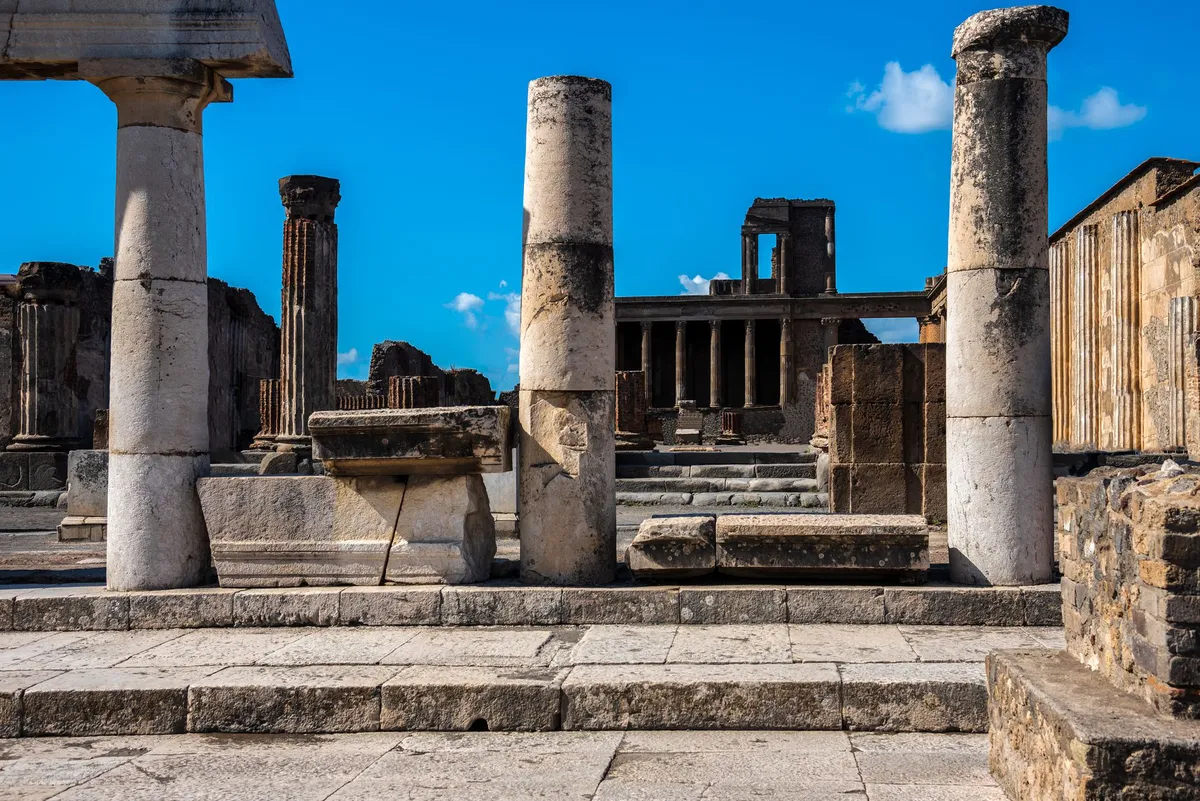
The Making of a Unique Historical Narrative
The creative impetus behind Pompeii: Out of Time stems from a collaboration between Hiddleston and executive producer Kevin Wright, who previously worked on Marvel's Loki. Hiddleston’s portrayal of Loki involved a scene set in Pompeii, which sparked the idea of blending historical storytelling with fiction. Hiddleston, who studied classics at Cambridge and visited Pompeii in his youth, brings a unique passion and enthusiasm to the project.
Bridging Historical and Cinematic Storytelling
Wright emphasizes that the goal was to tell a compelling story that resonates with viewers. “There is just a passion to the way Tom tells stories that’s infectious,” he noted. By focusing on the human experience rather than just dates and events, the series seeks to highlight the lives of those who lived in Pompeii, making their experiences relevant even after two millennia.
Scientific Insights into the Eruption
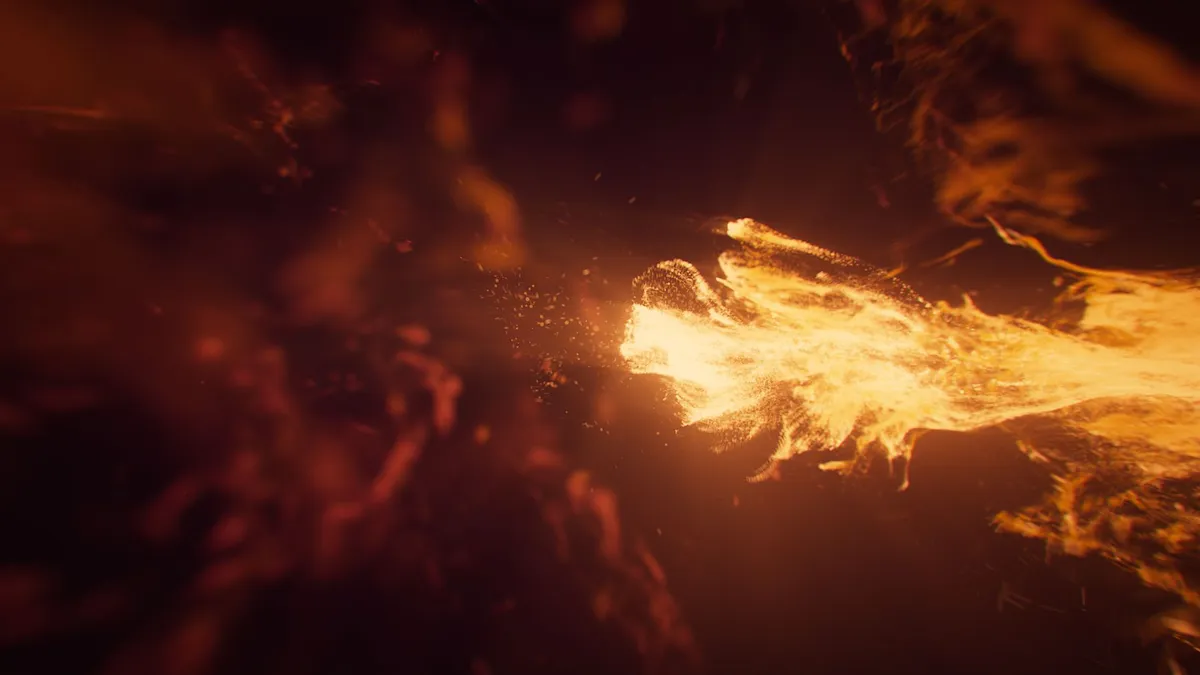
While the docuseries is rich in narrative, it does not shy away from scientific accuracy. Geologist Chris Jackson plays a pivotal role in elucidating the volcanic phenomena that led to the destruction of Pompeii. A common misconception is that lava inundated the city; in reality, it was the pyroclastic flows—fast-moving currents of hot gas and volcanic matter—that caused the most fatalities. Jackson explains, “The most common misconception people have about Pompeii was the belief that people were killed by lava.” He clarifies that the pyroclastic flows could reach speeds of 60 to 120 mph, making escape virtually impossible.
Understanding the Geographical Impact
The eruption of Vesuvius not only obliterated Pompeii but also significantly altered the geography of the Bay of Naples. The resulting pyroclastic flows reshaped the coastline, and Jackson notes that “these flows actually changed the shoreline shape.” This geological transformation underscores the eruption's extensive impact, far beyond the immediate devastation.
Human Stories Amidst the Chaos
The series takes a human-centered approach, depicting the struggles and decisions faced by Pompeii's residents during the eruption. Through a blend of scripted dramatic scenes and high production values, viewers connect with characters like the teenage boy racing to find safety, the businesswoman trying to protect her livelihood, and the guard tasked with maintaining order amid the chaos. These narratives serve to remind us that history is not merely a collection of events but a tapestry of human experiences.
Innovative Production Techniques
While the production team might not have had a Marvel-sized budget, they employed innovative techniques to create visually appealing content. Wright highlighted the importance of effective budgeting and storytelling, stating, “You have to be very precise in how you budget this, how you shoot it, how you storyboard it.” The use of practical effects, such as replicating falling ash, adds a tangible layer of realism to the series.
Challenges and Triumphs of Filmmaking
Creating a docuseries of this magnitude comes with its challenges. Balancing factual accuracy with engaging storytelling requires meticulous planning and collaboration among experts. Wright noted that the merging of old and new filmmaking techniques was essential. “We worked with a really amazing Italian special effects team that figured out how to safely blow a bunch of stuff into the air that was safe for our actors and looked great on camera,” he explained, showcasing the blend of artistry and science in the series.
Engaging a Modern Audience
The unique approach of Pompeii: Out of Time aims to attract viewers who might not typically watch documentaries. By emphasizing the human connection to historical events, the series endeavors to spark curiosity and encourage further exploration of ancient history. “This isn’t just ancient history; these were real people, and their lives were not dramatically different than ours even though they lived 2,000 years ago,” Wright reflected. This perspective is essential in making history feel immediate and relevant to contemporary audiences.
Key Takeaways
- Unique Storytelling: The series combines historical fact with imaginative storytelling.
- Scientific Accuracy: Insights from geologists clarify misconceptions about the eruption.
- Human Experience: Focuses on the lives of individuals caught in the disaster.
- Innovative Techniques: Practical effects enhance the visual storytelling.
- Modern Relevance: Aims to engage a broader audience through relatable narratives.
Frequently Asked Questions
What makes this docuseries different from other documentaries about Pompeii?
Pompeii: Out of Time distinguishes itself by blending historical accuracy with imaginative storytelling. Rather than merely presenting facts, it delves into the personal experiences of three individuals during the catastrophic eruption, creating a more relatable narrative for viewers.
How does the series ensure scientific accuracy?
The series features insights from experts, including geologist Chris Jackson, who clarifies common misconceptions about the eruption and its effects. By consulting with historians and scientists, the production team ensures that the depiction of events aligns with current geological understanding.
Who are the main characters featured in the series?
The docuseries focuses on three main characters: a teenage boy, a local businesswoman, and a Praetorian guard. Their stories are woven together to illustrate the human experiences during the final hours of Pompeii, making the historical event more relatable to modern audiences.
What production challenges did the team face?
The production team faced the challenge of creating a visually engaging narrative within a limited budget. They utilized innovative filming techniques and practical effects to bring the story to life without the extensive resources typically associated with big-budget productions.
Comments
2027 Kia Seltos: A Compact SUV That Delivers Value and Versatility
The 2027 Kia Seltos, starting at just under $25,000, offers a blend of style, space, and technology, making it an attractive option for SUV buyers on a budget.

Related articles


Popular in Guides
- Boomers Lead the Charge in Alcohol Abstinence: Insights from New Research
- Understanding the Physics of Silly Sprinklers and Feynman's Reverse Sprinkler Puzzle
- Mark Zuckerberg Acquires Strancally Castle: A Look at His New Irish Estate
- Last Chance to Score Discounts for TechCrunch Disrupt 2026
- The Coming Air-Conditioning Revolution in Europe: A Necessity or a Luxury?