Exploring the 2026 Toyota RAV4 Plug-In Hybrid: A New Era of Electrification
The 2026 Toyota RAV4 Plug-In Hybrid is engineered for daily efficiency with its robust battery and innovative powertrain, allowing for substantial electric-only driving. This article delves deep into its features, performance, and the implications for the SUV market.
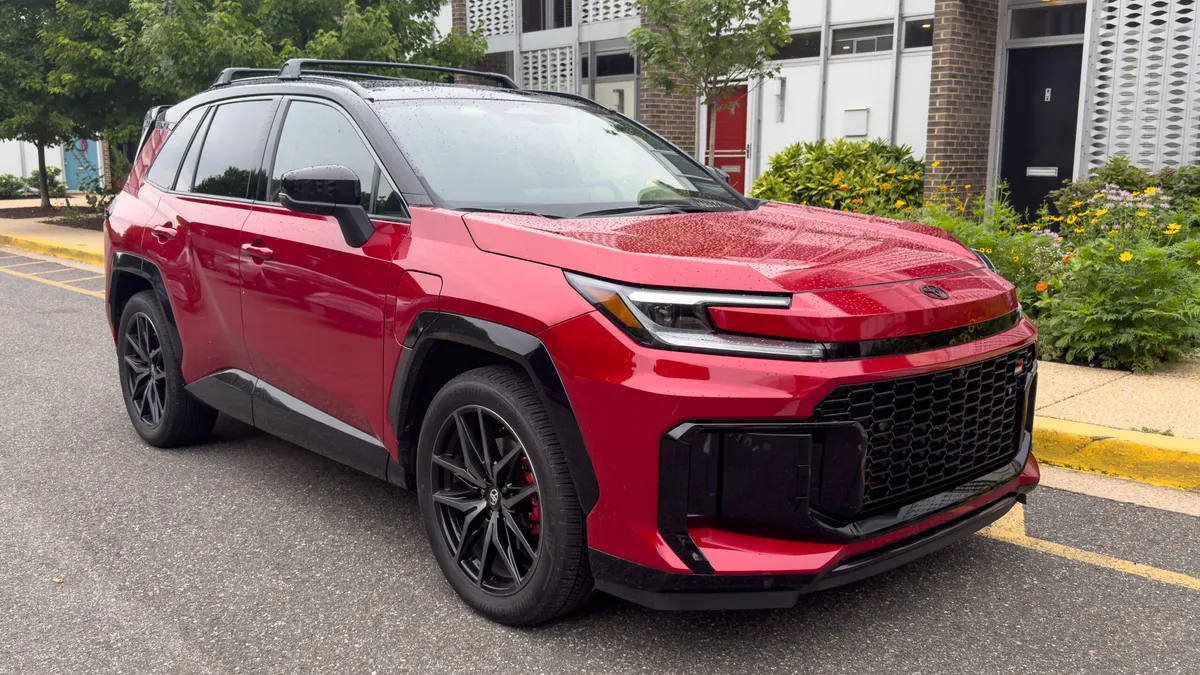
The automotive landscape is witnessing a seismic shift toward electrification, with SUVs leading the charge in sales and consumer preference. Among these vehicles, the 2026 Toyota RAV4 Plug-In Hybrid Electric Vehicle (PHEV) stands out, offering a compelling mix of utility, efficiency, and innovative technology. With a focus on daily electric driving and a suite of features designed to enhance the driving experience, this new iteration of the RAV4 is set to appeal to eco-conscious consumers and tech enthusiasts alike.
The Toyota RAV4 has consistently ranked as one of America’s best-selling vehicles, particularly among non-pickup models. Its robust reputation for reliability, combined with the growing demand for SUVs, has propelled it ahead of competitors. With the 2026 model, Toyota has embraced electrification across all RAV4 variants, including a plug-in hybrid option that boasts significant enhancements over its predecessor.
Powertrain and Performance: A Deep Dive
At the heart of the 2026 RAV4 PHEV lies a sophisticated powertrain that combines a naturally aspirated 2.5-liter four-cylinder engine with two electric motors, creating a dynamic and efficient driving experience. This engine utilizes the Atkinson cycle for improved fuel efficiency, producing a commendable 186 horsepower (139 kW) and 172 lb-ft of torque (233 Nm). However, it’s the electric motors that truly elevate this vehicle's performance.
Battery Technology and Range
One of the standout features of the RAV4 PHEV is its substantial 22.7 kWh lithium-ion battery pack, strategically positioned under the cabin to optimize space and weight distribution. This configuration not only enhances driving dynamics but also provides an impressive electric-only range of up to 52 miles (84 km) in the SE and XSE trims, making it an ideal choice for daily commutes. For perspective, the average American driver covers about 30 miles per day, meaning many users could operate the RAV4 without ever needing to visit a gas station.
Hybrid Operation Modes
The RAV4 PHEV operates primarily in series hybrid mode, where the electric motors provide most of the propulsion, while the gasoline engine can kick in during high-demand scenarios, such as highway driving. This flexibility is facilitated by an electronically controlled variable transmission (eCVT) that utilizes a planetary gear arrangement, allowing for seamless transitions between electric and gasoline power. The combined output of the system reaches a robust 324 horsepower (242 kW) and 315 lb-ft (427 Nm) of torque, ensuring that the RAV4 remains responsive and capable, even in challenging driving conditions.
Trim Levels and Pricing: Choices for Every Driver
The 2026 Toyota RAV4 PHEV offers four distinct trims: SE, XSE, Woodland, and the GR Sport. Each trim presents a unique blend of features and pricing, catering to diverse consumer preferences.
- SE Trim ($41,500): Focused on efficiency with a combined rating of 40 mpg (5.9 L/100 km) and the longest electric range.
- XSE Trim ($47,200): Adds luxury features with the same efficiency and range as the SE.
- Woodland Trim ($45,300): Designed for outdoor enthusiasts, it includes all-terrain tires and off-road capabilities, slightly sacrificing efficiency.
- GR Sport Trim ($48,500): The most expensive option, it features performance enhancements but has the shortest electric range.
Despite the sporty name and trim, the GR Sport does not prioritize performance in the same way as its racing counterparts. While it features upgraded suspension and larger wheels, the driving experience leans more towards comfort than sportiness, which may disappoint some enthusiasts.
Charging and Convenience: An Everyday Electric Vehicle
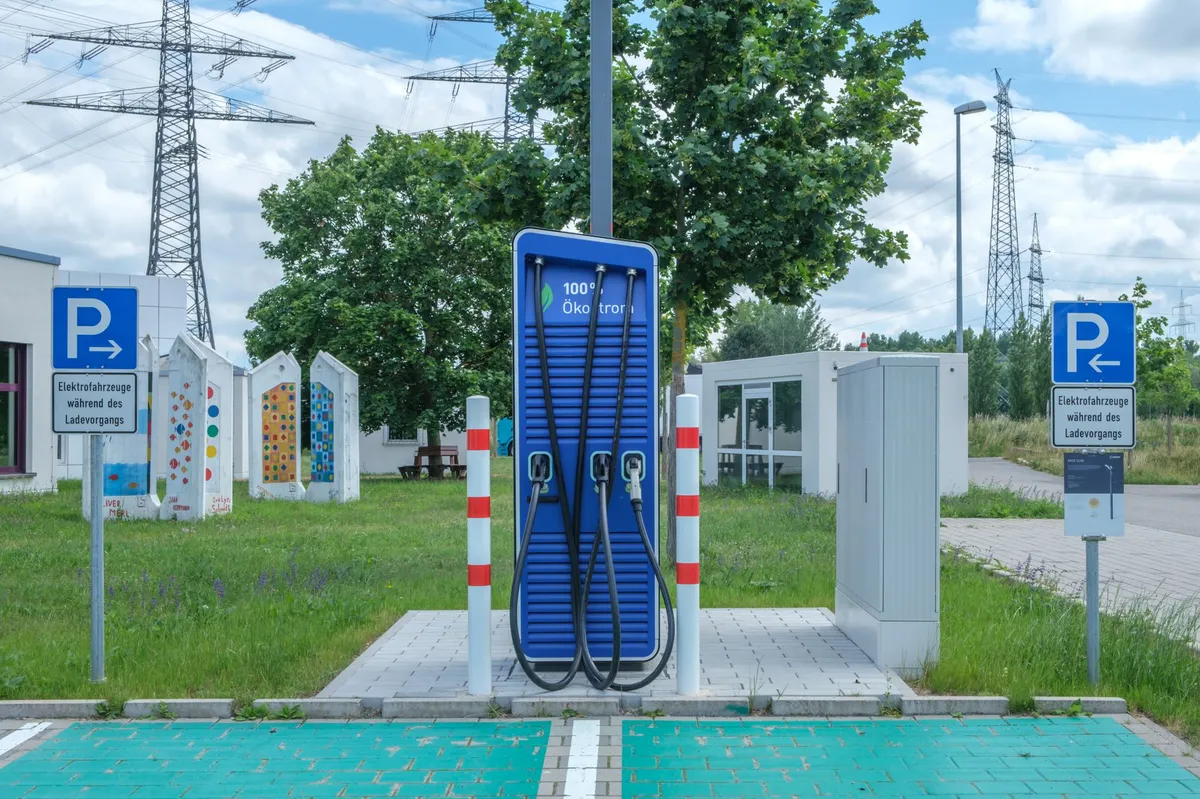
Charging the RAV4 PHEV is straightforward, with the onboard 7 kW level 2 charger enabling a full battery recharge in about 3.5 hours. For those limited to a standard 120V outlet, the charging time extends to 9–12 hours, which could be a consideration for potential buyers. The XSE and Woodland trims come equipped with an 11 kW charger that significantly reduces charging time to approximately 2.5 hours.
Additionally, the RAV4 PHEV supports DC fast charging via a CCS port, allowing it to charge from 10% to 80% in about 35 minutes under optimal conditions. This flexibility is crucial for longer trips, although the relatively smaller battery capacity compared to fully electric vehicles limits the practicality of fast charging for many drivers.
Interior Features and Technology: Comfort Meets Connectivity
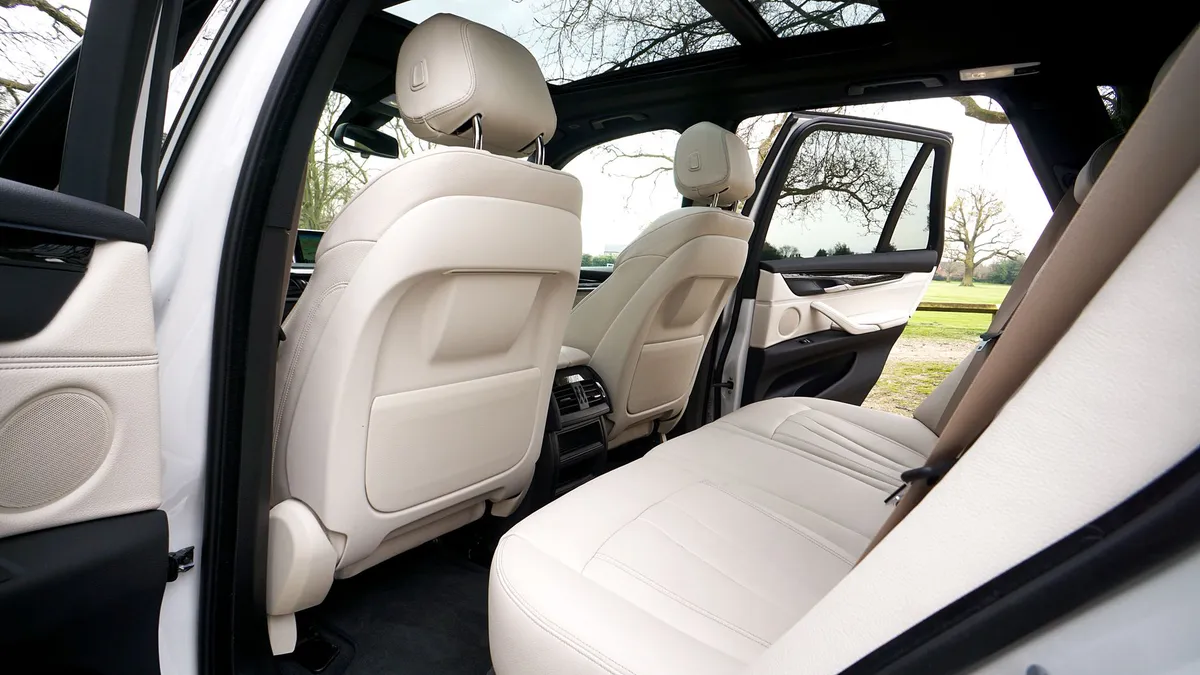
Inside, the 2026 RAV4 PHEV has made notable strides in technology and comfort. The latest infotainment system includes wireless Apple CarPlay and Android Auto, ensuring seamless connectivity for users. The interface has improved significantly from previous iterations, offering a more intuitive experience.
However, some users may find the seating comfort lacking during longer drives, as the bolstered sports seats do not provide the expected support, which might detract from the overall driving experience. Moreover, the vehicle has adopted a peculiar quirk where it does not retain climate control settings, necessitating manual adjustments each time the vehicle is started.
Advanced Safety Features
Safety remains a priority for Toyota, with a suite of advanced driver-assist technologies included in every trim. Features such as adaptive cruise control, lane-keeping assist, and automatic emergency braking are standard, providing peace of mind for drivers and passengers alike.

Key Takeaways
- The 2026 Toyota RAV4 PHEV offers a robust electric range, making it suitable for daily driving without relying on gasoline.
- Multiple trims allow consumers to choose between efficiency, off-road capability, or performance-oriented features.
- Charging options are versatile, with rapid charging capabilities available for longer trips.
- Interior technology has significantly improved, but comfort and some user interface quirks may need attention.
- Safety features are comprehensive, ensuring a secure driving experience across all trims.
Frequently Asked Questions
What is the electric range of the 2026 RAV4 Plug-In Hybrid?
The 2026 Toyota RAV4 PHEV boasts an impressive electric range of up to 52 miles (84 km) on a full charge, making it a practical choice for daily commutes for many drivers. This range allows for most daily driving needs to be met without using gasoline, contributing to reduced fuel costs and lower emissions.
How long does it take to charge the RAV4 PHEV?
Charging times for the RAV4 PHEV vary based on the charging setup used. With the onboard 7 kW level 2 charger, a full charge takes approximately 3.5 hours. For those using a standard 120V outlet, the recharge time can extend to 9-12 hours. The XSE and Woodland trims feature an 11 kW charger that reduces charging time to about 2.5 hours, enhancing convenience for users.
What are the performance differences between trims?
While all trims share the same powertrain, they differ in terms of features and focus. The SE and XSE trims prioritize efficiency, offering the best mileage and electric range. The Woodland trim caters to adventurous drivers with off-road capabilities, and the GR Sport trim emphasizes a sporty aesthetic but does not significantly enhance driving performance compared to the other trims.
Are there any notable technology features in the RAV4 PHEV?
The 2026 RAV4 PHEV includes a modern infotainment system with wireless Apple CarPlay and Android Auto as standard features, enhancing connectivity and usability. However, some users may find the seating comfort lacking and the climate control settings may reset after each use, which could be inconvenient for frequent drivers.
Comments
Trump Administration Health Nominees Face Senate Scrutiny: A Deep Dive
In a tense Senate hearing, Trump’s health nominees Erica Schwartz and Sean Kaufman faced tough questions and criticism, revealing deep concerns about their commitment to science and public health.

Related articles
Popular in Guides
- Boomers Lead the Charge in Alcohol Abstinence: Insights from New Research
- Understanding the Physics of Silly Sprinklers and Feynman's Reverse Sprinkler Puzzle
- The Coming Air-Conditioning Revolution in Europe: A Necessity or a Luxury?
- Hobbits of Flores: Scavengers or Skilled Hunters?
- US Citizens Infected with Ebola: A Shifting Response Landscape