The Auctioning of Dinosaurs: How Wealth is Changing Paleontology
The auction of a rare T. rex skeleton highlights the tension between private ownership and scientific access, raising critical questions about the future of paleontology.
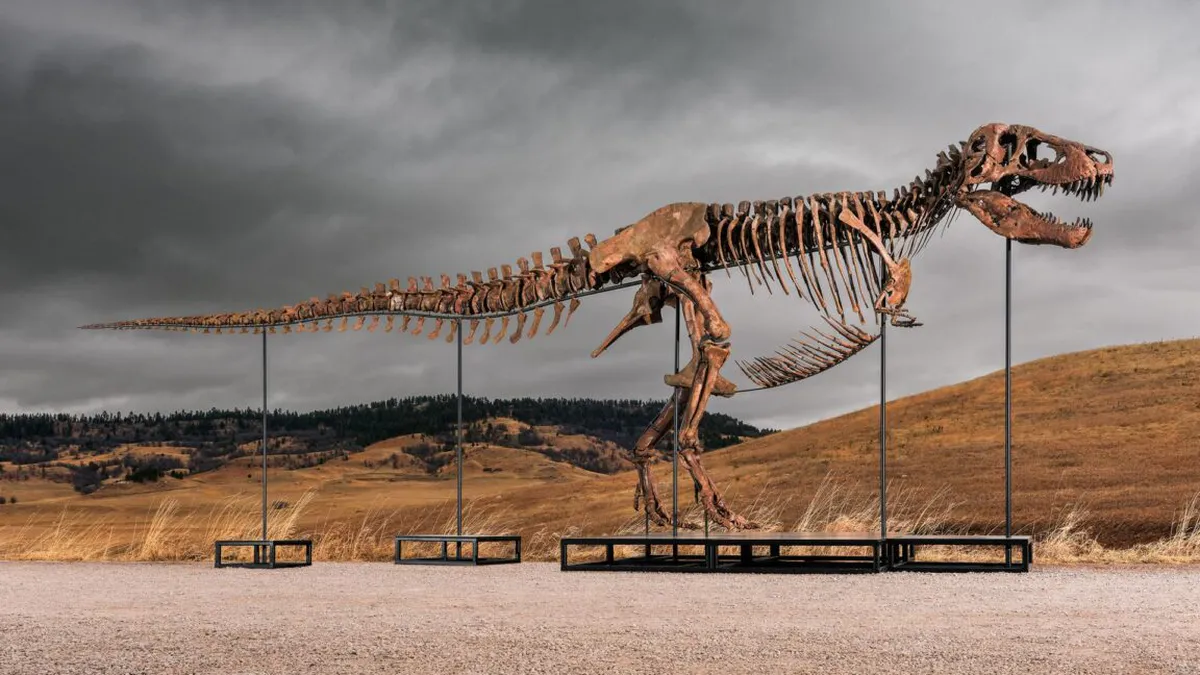
On July 14, 2026, Sotheby’s made headlines by launching a high-profile auction featuring a rare Tyrannosaurus rex skeleton. Dubbed Gus, this 67-million-year-old specimen is not just a remarkable find; it represents a growing trend that is raising alarms among paleontologists and scientists. As private collectors increasingly outbid museums for historic fossils, the fundamental relationship between fossil ownership and scientific research is being jeopardized. This auction, with an expected sale price of up to $30 million, is emblematic of a larger issue: the commodification of fossils in a world where wealth meets science.
The implications of this trend extend far beyond the auction block. The sale of Gus and similar fossils has sparked a heated debate about the future of paleontology, the preservation of scientific knowledge, and the accessibility of these precious historical artifacts.
The Rise of Private Collectors in Paleontology
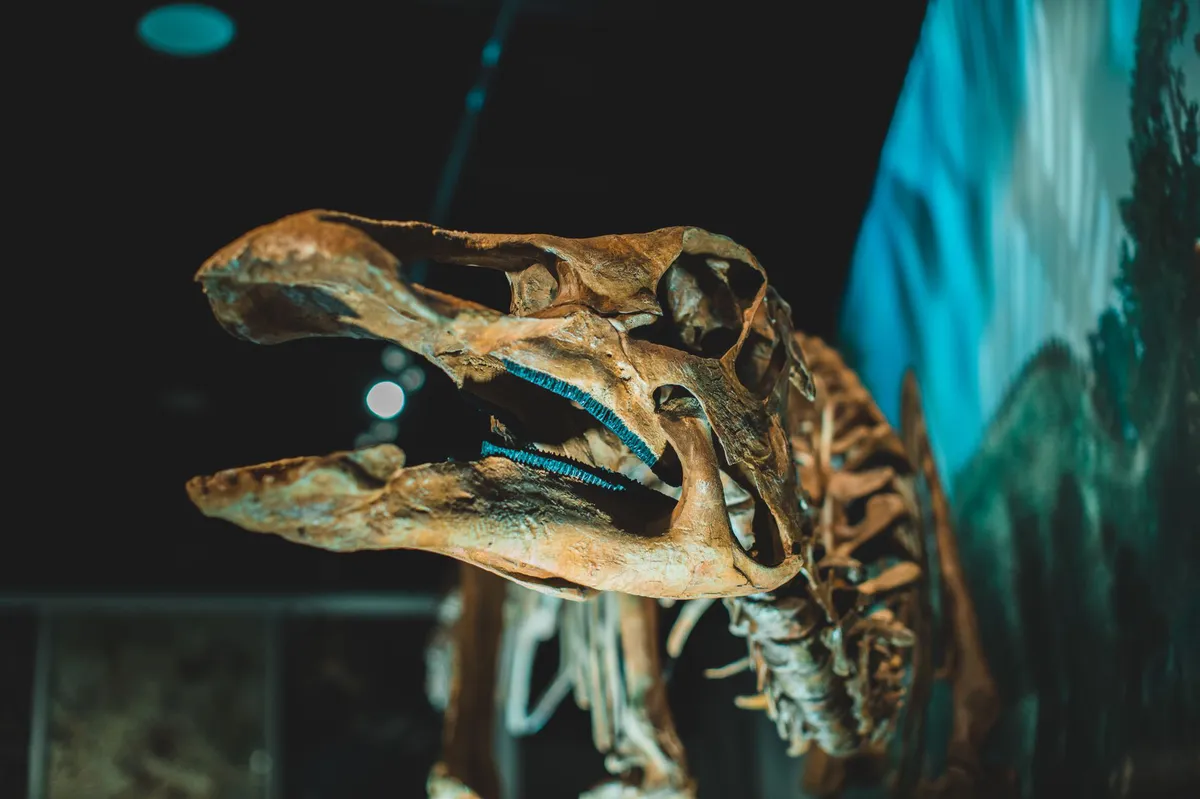
The auctioning of dinosaur fossils has been a contentious subject since the sale of Sue, the most complete T. rex ever discovered, in 1997 for $8.4 million. At that time, there were no laws governing fossil ownership, and Sue's sale marked a pivotal moment in how fossils are valued and traded. Cassandra Hatton, vice chairman of Sotheby’s science and natural history department, noted that the legal landscape shifted significantly, allowing landowners in the U.S. to claim ownership of fossils found on their land. This has opened the floodgates for a booming market.
Fast forward to today, and we find that ultrarich private collectors are increasingly acquiring dinosaur fossils, creating a competitive landscape that museums struggle to navigate. A 2025 study revealed that more T. rex fossils are now held in private collections than in public trusts. The growing disparity raises an important question: what happens to the scientific value of these fossils when they are sequestered in private hands?
The Scientific Cost of Private Ownership
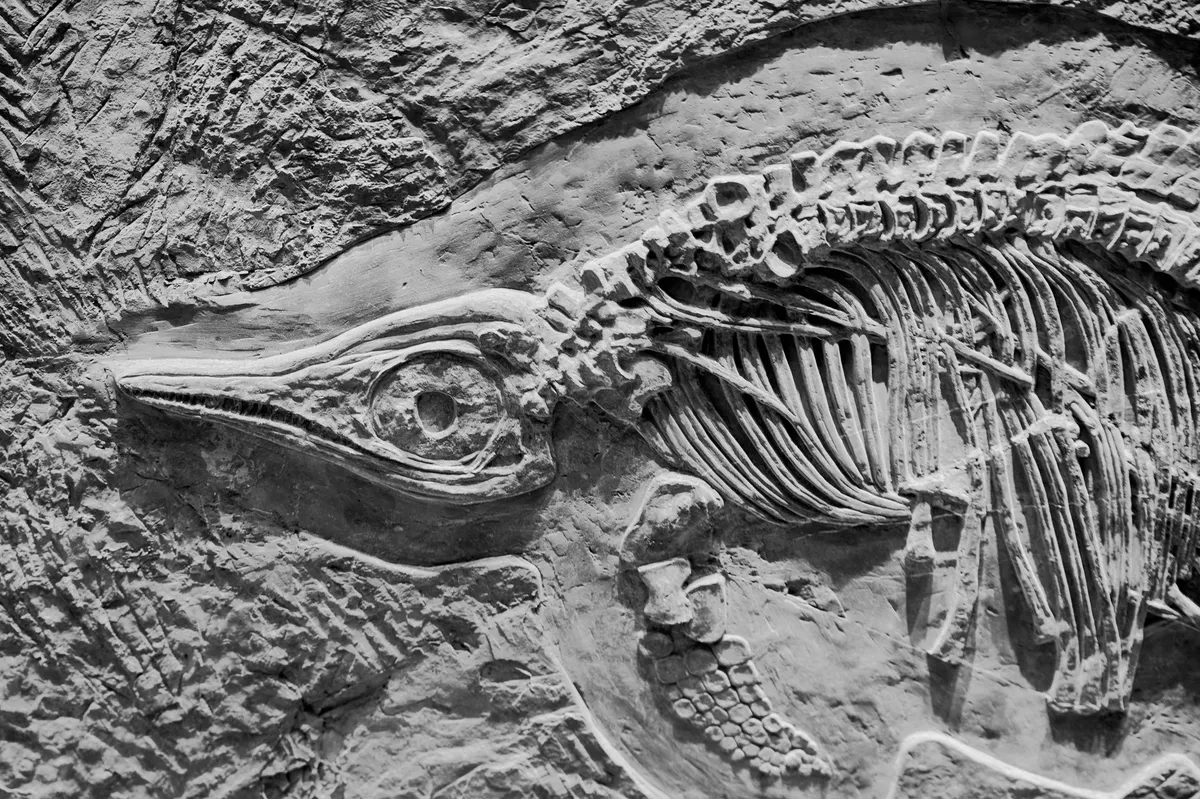
Paleontologists argue that the auctioning of fossils to the highest bidder undermines scientific research at multiple levels. When private collectors purchase fossils, they often do so without a commitment to scientific study or preservation. The excavation process, which is crucial for understanding the context in which a fossil was found, is frequently compromised by commercial interests. Private collectors may prioritize aesthetic presentation over rigorous documentation, which can obliterate vital geological information needed for scientific analyses.
Furthermore, mounting fossils for display often renders them inaccessible to modern scientific techniques. Advanced imaging technologies, such as computed tomography (CT), are essential for examining hidden features within fossils, but these methods require unaltered specimens. The transition from scientific resource to luxury item is a concerning trend that could hinder future discoveries.
The Case of Gus
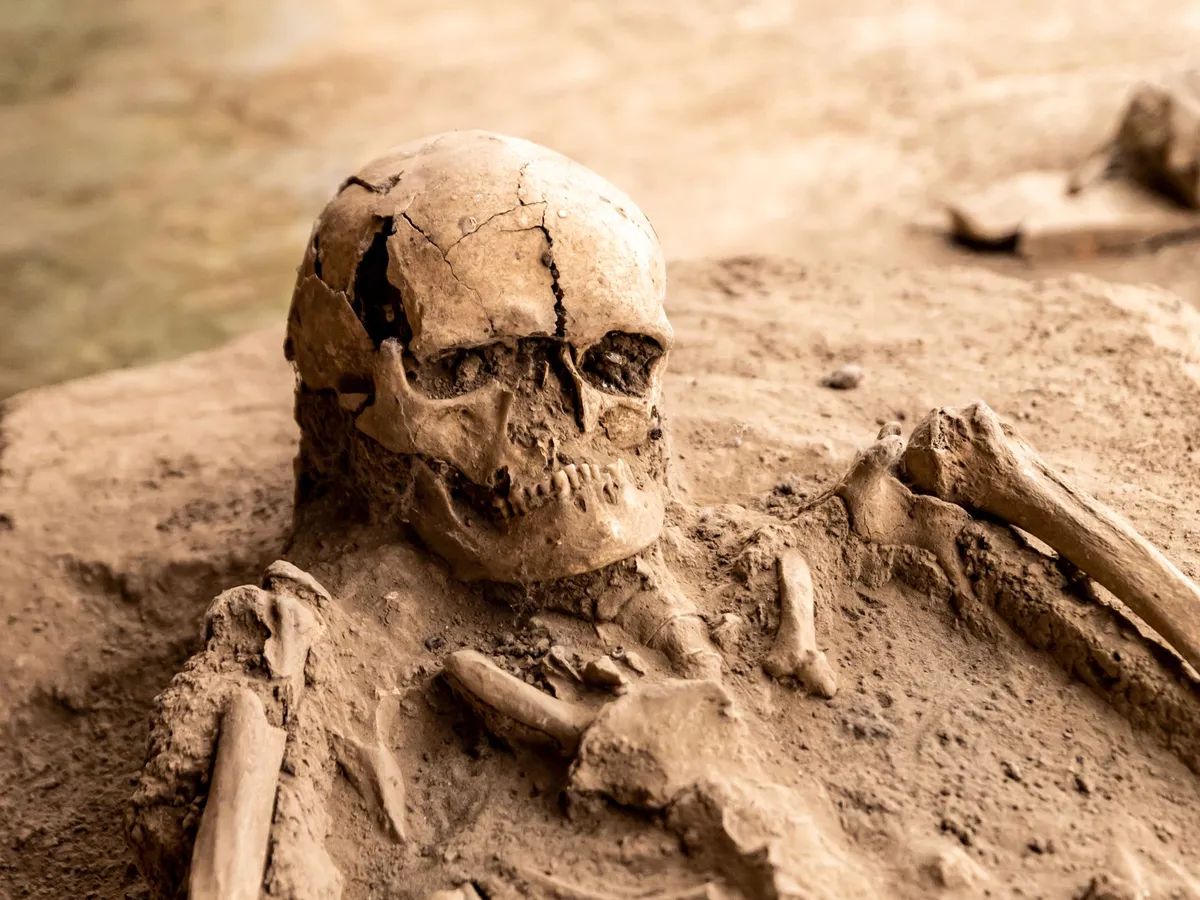
Gus, the T. rex at the center of Sotheby’s auction, exemplifies these concerns. Described as “approximately 61% complete,” the specimen includes 183 fossil bones, a significant find that could yield insights into dinosaur biology and behavior. However, the marketing of Gus raises eyebrows among researchers. Sotheby’s has suggested that certain holes in the jawbone are evidence of battle scars, a claim that lacks supporting evidence and contradicts the views of some experts who argue these marks may have alternative explanations.
- 183 fossil bones make Gus one of the most complete T. rexes ever discovered.
- Expected sale price: up to $30 million.
- Private ownership: More T. rex fossils are in private collections than in public trusts.
- Scientific implications: Fossils in private hands limit access for research.
The Shift in Scientific Paradigms
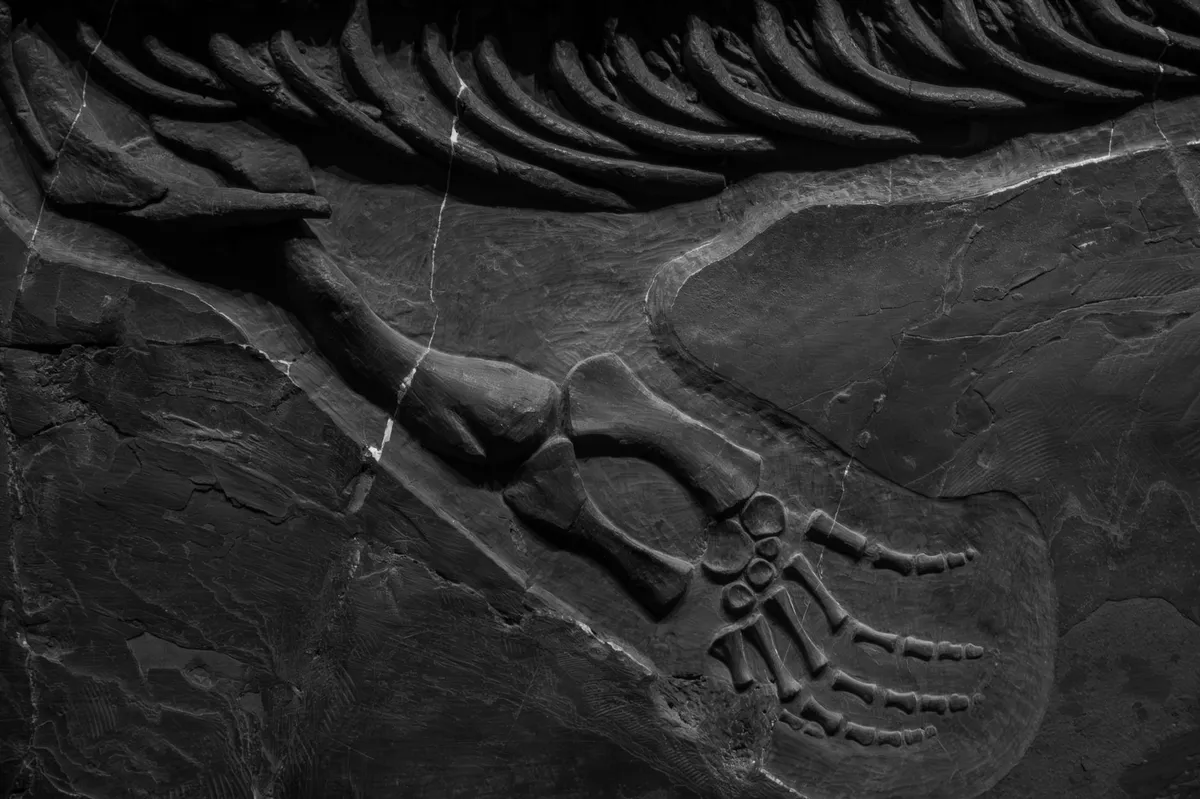
The auctioning of fossils not only affects immediate scientific access but also has broader implications for how research is conducted in paleontology. Scientific reproducibility is a cornerstone of research, allowing findings to be validated over time. When key specimens are removed from public trust, future generations of scientists may find themselves deprived of essential data that could inform new discoveries and theories about our planet's biological history.
Kristi Curry Rogers, a paleontologist at Macalester College, emphasizes the importance of keeping scientifically significant fossils within public repositories. “A scientifically important fossil isn’t just a static object; it’s a permanent source of data that future generations of scientists will study with tools that haven’t even been invented yet,” she argues. The loss of access to such specimens could stifle innovation and understanding in the field.
Possible Solutions: Bridging the Gap
Despite the challenges posed by private ownership, some paleontologists are striving to create pathways that keep significant fossils within the realm of scientific study. Leaders within the Society of Vertebrate Paleontology, including Sumida and Rogers, are advocating for a system that encourages collectors to donate their acquisitions to museums immediately after purchase. This would allow the scientific community to benefit from these rare finds while also preserving the integrity of paleontological research.
While the Society is in talks with private collectors, the approach requires a delicate balance between encouraging philanthropy and addressing the negative perceptions surrounding private fossil ownership. As the auction of Gus approaches, there are hopes that the eventual buyer will recognize the value of contributing to public knowledge and the scientific community.
Key Takeaways
- The auctioning of dinosaur fossils is rising, with private collectors outbidding museums.
- Scientific access to fossils is compromised by private ownership, which limits research opportunities.
- Efforts are underway to encourage private collectors to donate fossils to museums for public benefit.
- The future of paleontology may hinge on how the community adapts to the changing landscape of fossil ownership.
Frequently Asked Questions
Why are private collectors buying more fossils than museums?
The trend of private collectors outbidding museums for fossils largely stems from increased wealth among individuals and a growing market for luxury collectibles. Fossils have become status symbols for the ultra-wealthy, who can afford to pay exorbitant prices that museums cannot match. This economic disparity has reshaped the landscape of fossil ownership.
What are the consequences of fossils being held in private collections?
When fossils are kept in private collections, they become unavailable for scientific study, hindering advancements in paleontology. Researchers rely on access to these specimens for validation, hypothesis testing, and further exploration of the past. The loss of critical fossils to private ownership risks stalling scientific progress and understanding of prehistoric life.
How can the scientific community address this issue?
One potential solution being explored by organizations like the Society of Vertebrate Paleontology is to encourage private collectors to donate fossils to public institutions immediately after purchase. By fostering partnerships between collectors and museums, the scientific community hopes to keep significant specimens accessible for research and public education.
What is the significance of fossils like Gus in scientific research?
Fossils like Gus provide invaluable insights into the biology, behavior, and evolution of dinosaurs. Their completeness and quality allow researchers to study anatomical features, growth patterns, and interactions with their environment. Keeping such fossils within the public trust is essential for future studies that could refine our understanding of earth’s biological history.
Comments
From Rejections to Rockets: Anil and Anna Menon's Journey to Space
Anil Menon, once a rejected astronaut hopeful, achieved his dream alongside wife Anna, who also made history in space travel. Their journey is a testament to resilience and passion.
Related articles

Popular in Guides
- Boomers Lead the Charge in Alcohol Abstinence: Insights from New Research
- Understanding the Physics of Silly Sprinklers and Feynman's Reverse Sprinkler Puzzle
- The Coming Air-Conditioning Revolution in Europe: A Necessity or a Luxury?
- Hobbits of Flores: Scavengers or Skilled Hunters?
- US Citizens Infected with Ebola: A Shifting Response Landscape