Impact of RFK Jr.'s Vaccine Policy on US Toddlers: An In-Depth Analysis
A recent study reveals alarming implications of Robert F. Kennedy Jr.'s changes to measles vaccination policies, particularly affecting vulnerable toddlers. This article delves into the details of the study, its findings, and what it means for public health.
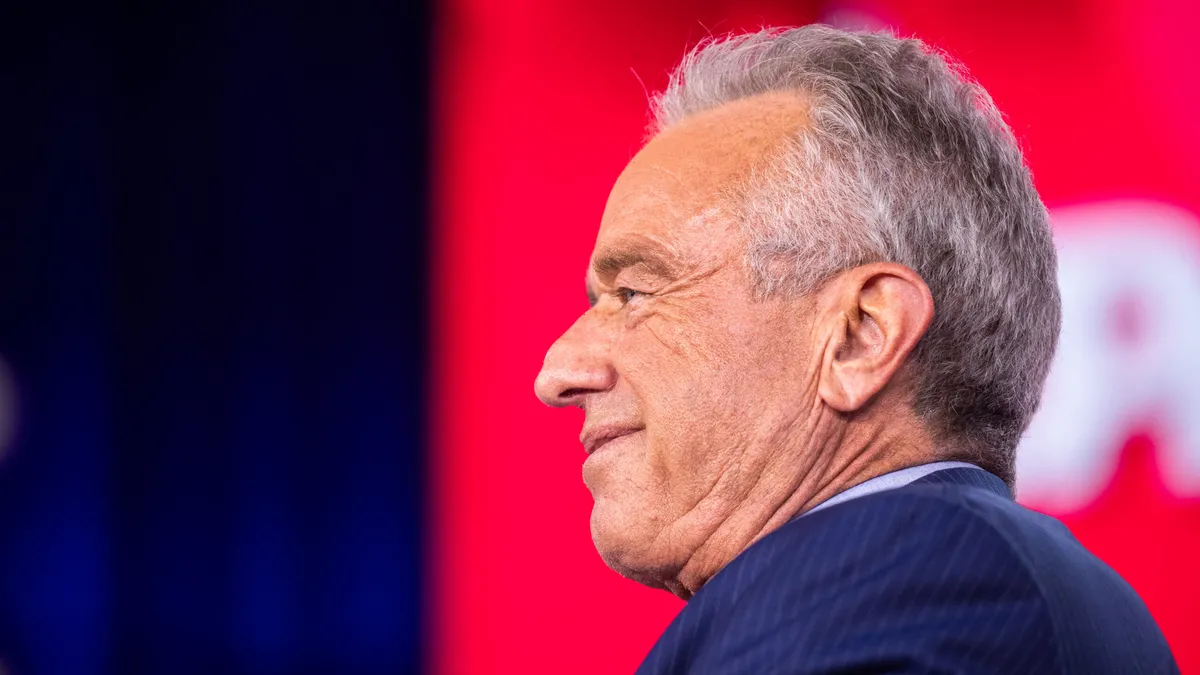
In a recent turn of events, Robert F. Kennedy Jr., the US Secretary of Health and Human Services, has ignited a contentious debate over vaccine policies in the United States. A panel of advisors he selected controversially voted to strip federal recommendations for the combination measles, mumps, rubella, and varicella (MMRV) vaccine. This decision has raised significant concerns, particularly for the nation’s most vulnerable population: toddlers. A fresh analysis published in JAMA Network Open highlights the potential repercussions of this policy change, suggesting that it could jeopardize the health of many children who rely on this vaccine for protection against serious diseases.
The decision was made without the comprehensive evaluation typically mandated by the Advisory Committee on Immunization Practices (ACIP) of the Centers for Disease Control and Prevention (CDC). This oversight has left many pediatricians and health experts alarmed, especially given the well-documented benefits of the MMRV vaccine in preventing common childhood illnesses. The implications of this policy shift are profound, and understanding them is crucial for parents, healthcare providers, and policymakers alike.
The MMRV Vaccine: What You Need to Know
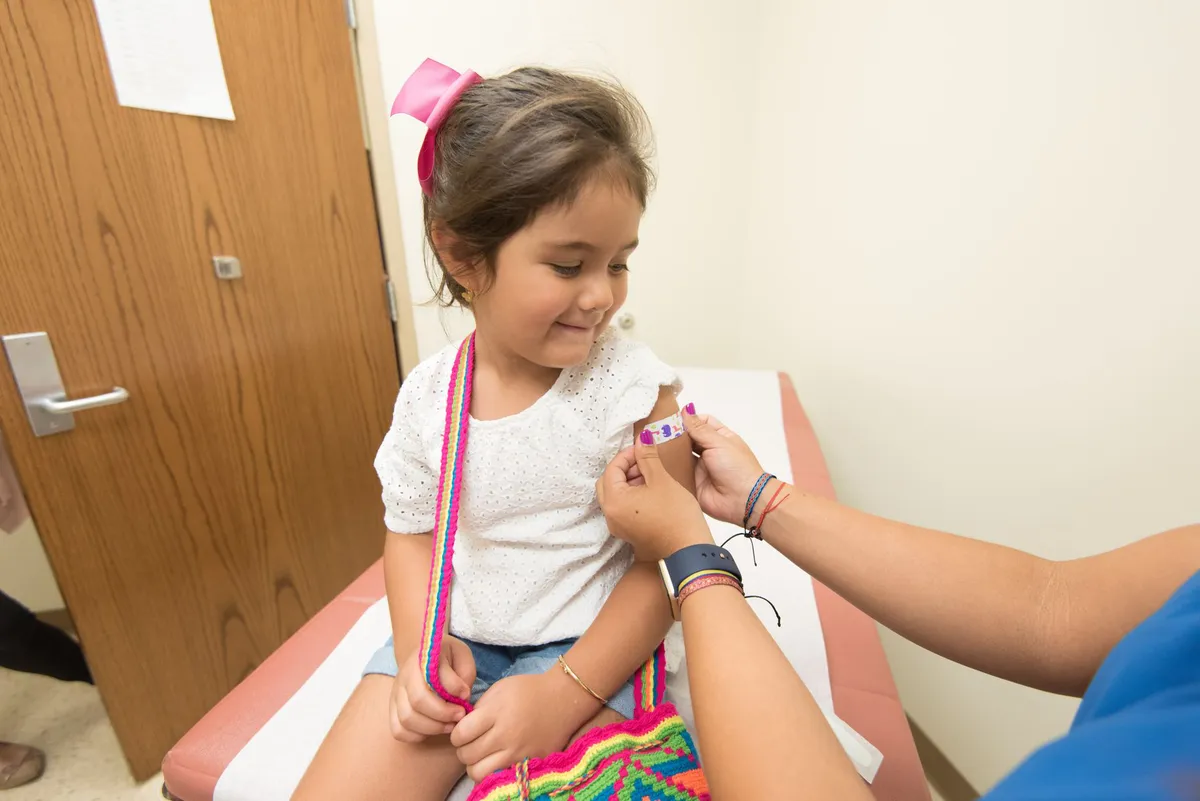
The MMRV vaccine combines four critical immunizations into one shot, making it easier for parents to ensure their children are vaccinated against measles, mumps, rubella, and chickenpox. Administered typically between the ages of 1 and 6, the vaccine has been part of routine childhood immunizations since its FDA approval in 2005. However, despite its efficacy, the vaccine has faced scrutiny after studies indicated a slight increase in the risk of febrile seizures when given as the first dose to toddlers aged 12 to 15 months.
Understanding Febrile Seizures
While febrile seizures can be alarming, they are generally harmless and do not lead to long-term health issues. The risk of experiencing a febrile seizure is slightly higher with the MMRV vaccine compared to the separate administration of the MMR and varicella vaccines (known as MMR+V). Specifically, the studies showed that for every 10,000 children vaccinated with MMRV, there are approximately 7 to 8.5 cases of febrile seizures, compared to 3.2 to 4.2 cases for MMR+V.
Key Statistics:- MMRV vaccine was administered to about 15% of children aged 12-47 months in the U.S.
- Febrile seizures occur in about 5% of children by age 5.
- The risk of febrile seizures increases slightly with MMRV compared to MMR+V.
The Research Findings: Who is Affected?
The recent study conducted in King County, Washington, provides critical insights into the demographics of children receiving the MMRV vaccine. Researchers analyzed immunization records from over 200,000 toddlers between 2015 and 2025. They found that approximately 31,000 children were vaccinated with the MMRV during this period, underscoring that about 15% of toddlers received this critical immunization.
Demographic Insights
Interestingly, the study revealed that children receiving the MMRV vaccine were disproportionately from minority racial and ethnic backgrounds. Additionally, these children were often eligible for federal programs that provide free vaccines to low-income families. The analysis indicated that children getting the MMRV vaccine were nearly four times more likely to be vaccinated at safety-net clinics, which serve vulnerable populations. This raises significant concerns about access to vaccinations for low-income families if the MMRV is no longer federally recommended or covered by insurance.
Implications of Policy Changes
The decision to strip federal recommendations for the MMRV vaccine could have dire consequences for public health. As Elizabeth Cope and Aaron Carroll, health policy experts, noted in a commentary accompanying the study, combination vaccines like MMRV simplify the vaccination process, reducing the number of injections and visits needed, which is especially beneficial for families with limited resources. If the MMRV is not covered by insurance or available through federal programs, this burden could disproportionately affect low-income families, potentially leading to lower vaccination rates and increased vulnerability to vaccine-preventable diseases.
Potential Consequences
The removal of the MMRV vaccine from public health recommendations may lead to:
- A decrease in vaccination rates among vulnerable populations.
- Increased incidence of measles, mumps, rubella, and varicella in the community.
- Higher healthcare costs associated with treating outbreaks of these diseases.
- A widening of health disparities among different socioeconomic groups.
Health Experts Weigh In
Health experts have criticized the decision made by Kennedy's ACIP, arguing that it lacked the rigorous analysis typically expected in such significant policy changes. The absence of structural safeguards historically intended to preserve ACIP independence raises questions about the motivations behind this recommendation. While the direct influence of Kennedy’s anti-vaccine stance on his advisory panel's decision is difficult to ascertain, the potential implications for public health are clear.
Call to Action for Parents and Healthcare Providers
For parents, understanding the importance of vaccinations is crucial. Healthcare providers must also educate families about the benefits of combination vaccines like the MMRV and advocate for their continued availability. As policymakers navigate these changes, advocacy for equitable access to vaccinations remains vital to ensure that all children, regardless of socioeconomic status, can receive the protection they need.

Key Takeaways
- Robert F. Kennedy Jr.'s policy changes could jeopardize access to the MMRV vaccine.
- Vulnerable children, particularly from low-income families, are at greater risk of not being vaccinated.
- Combination vaccines simplify the vaccination process and reduce healthcare costs.
- Awareness and advocacy are essential for ensuring equitable access to vaccinations.
- Public health outcomes may suffer significantly if the MMRV vaccine is not widely available.
Frequently Asked Questions
What is the MMRV vaccine, and why is it important?
The MMRV vaccine protects against four serious diseases: measles, mumps, rubella, and chickenpox. It is important because it consolidates these vaccinations into one shot, making it easier for parents to ensure their children are immunized against these potentially severe illnesses, which can lead to complications, hospitalizations, and even death.
How does the recent policy change affect vaccination rates?
The recent policy change may lead to lower vaccination rates, especially among vulnerable populations who rely on federal programs for free vaccinations. Without the MMRV vaccine being federally recommended or covered by insurance, families may be less likely to vaccinate their children, increasing the risk of outbreaks of vaccine-preventable diseases.
What can parents do to ensure their children are vaccinated?
Parents should stay informed about vaccination recommendations and seek advice from their healthcare providers about the best vaccination schedule for their children. Engaging with community health resources and advocating for continued access to vaccines can also help ensure that children receive the necessary immunizations.
Why are combination vaccines like MMRV preferred?
Combination vaccines like MMRV are preferred because they require fewer injections, reducing the number of visits needed for immunizations. This is particularly beneficial for families with limited resources, as it lowers the time and financial burden associated with completing the vaccination series. Additionally, combination vaccines can improve overall vaccination rates, which is essential for maintaining herd immunity within communities.
Comments
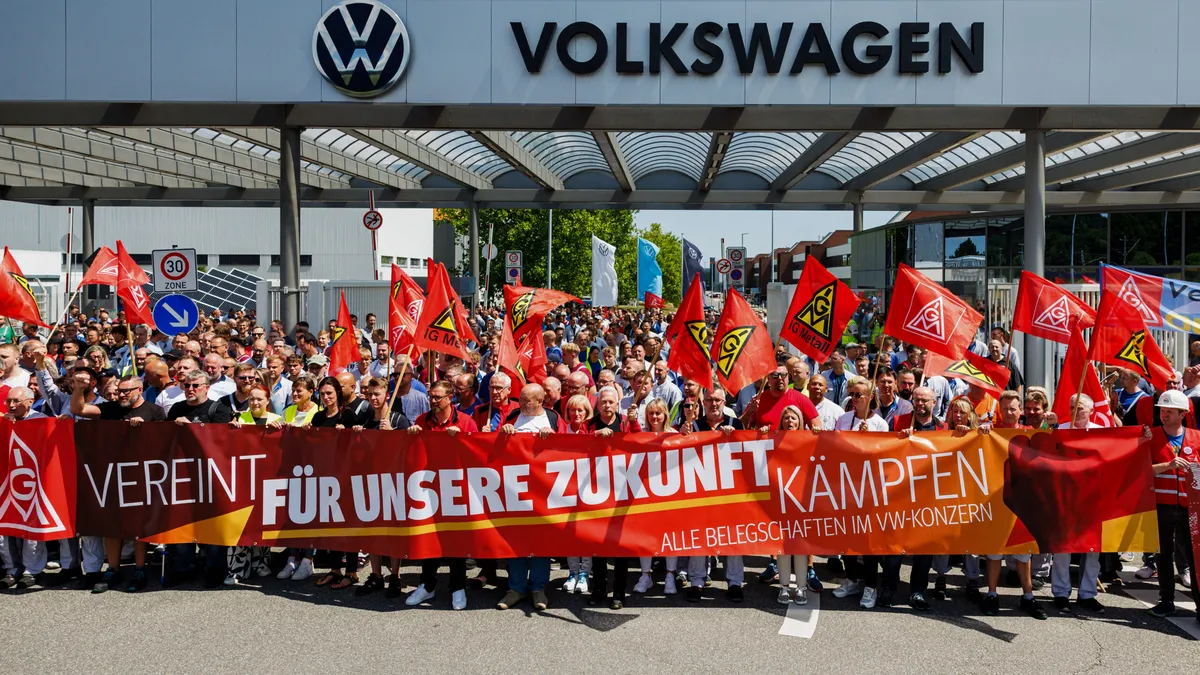
Volkswagen's Restructuring Plans Face Union Opposition Amid Job Cuts
Volkswagen Group is under pressure to restructure amid declining profits and market share. While the company outlines plans for fewer models, unions are rallying against potential job cuts and factory closures.
Related articles


Popular in Guides
- Boomers Lead the Charge in Alcohol Abstinence: Insights from New Research
- Understanding the Physics of Silly Sprinklers and Feynman's Reverse Sprinkler Puzzle
- Mark Zuckerberg Acquires Strancally Castle: A Look at His New Irish Estate
- Last Chance to Score Discounts for TechCrunch Disrupt 2026
- The Coming Air-Conditioning Revolution in Europe: A Necessity or a Luxury?