The Quest Shipwreck: From Tragic History to Thriving Ecosystem
The Quest shipwreck, once the vessel of famed explorer Ernest Shackleton, has transformed into a unique marine ecosystem. Recent expeditions have unveiled its deteriorating condition, but also its surprising role in promoting biodiversity under the sea.
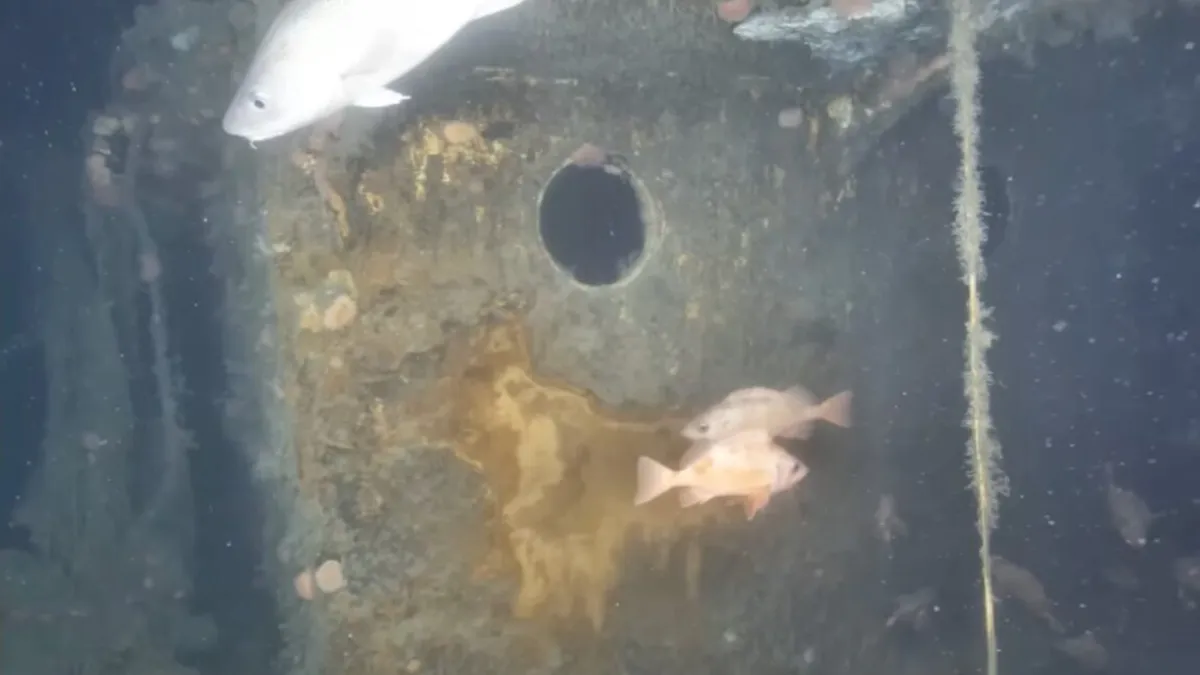
The Quest shipwreck, an emblem of human exploration and resilience, has recently resurfaced in the limelight thanks to groundbreaking expeditions that have revealed stunning imagery and insights into its current state. Once the proud vessel of the polar explorer Sir Ernest Shackleton, the Quest now lies in the depths of the Labrador Sea, embodying both the stories of its storied past and the unexpected narratives of nature's reclamation. While its structural integrity has deteriorated significantly since it sank in 1962, the wreck has morphed into a thriving marine ecosystem, showcasing the intertwined fates of human history and oceanic biodiversity.
In 2024, the Royal Canadian Geographic Society (RCGS) announced the discovery of the Quest wreck, capturing the attention of historians, marine biologists, and adventure enthusiasts alike. The recent release of sonar images by the RCGS has shed light on the ship's condition, revealing both the scars of time and the signs of life that now flourish among the ruins.
The Legacy of the Quest and Shackleton
To understand the significance of the Quest shipwreck, it is essential to delve into the legacy of its renowned captain, Ernest Shackleton. Shackleton is most famously known for his harrowing expedition on the Endurance, which became entombed in Antarctic ice in 1914. His relentless spirit and the remarkable survival of his crew have made his story a staple in discussions of leadership and resilience.
Shackleton's final venture, aboard the Quest in 1921, was intended to explore the Arctic region. However, a series of unfortunate events, including declining health and personal struggles, thwarted this mission. Shackleton's health deteriorated rapidly, resulting in his untimely death onboard in January 1922. His passing marked the end of a significant chapter in polar exploration, but it also initiated the Quest's own tumultuous journey.
From Exploration to Catastrophe
After Shackleton's death, the Quest continued to serve various purposes, including military operations during World War II and commercial sealing. Unfortunately, it met its fate on May 5, 1962, when it succumbed to ice damage off the coast of Canada. Just like its predecessor, the Endurance, the Quest's crew survived the sinking, but the ship was lost to the depths.
Unveiling the Wreck: Recent Expeditions
The RCGS invested approximately $365,000 into locating the Quest wreck, spearheaded by CEO John Geiger. The search employed advanced sonar technology, allowing the team to scan the ocean floor meticulously. After hours of scanning, the distinctive outline of the Quest emerged on the sonar screen, marking a significant breakthrough.
Following this initial discovery, the RCGS partnered with the Woods Hole Oceanographic Institution (WHOI) to conduct a more detailed exploration of the wreck. Utilizing a Falcon remote-operated vehicle and the ALVIN deep submergence vehicle, the team launched a mission on July 2, 2026, to capture images and gather data from the site. The first images released have not only documented the ship's physical condition but have also sparked a broader conversation about the wreck's ecological transformation.
Ecological Transformation: A New Life for the Wreck
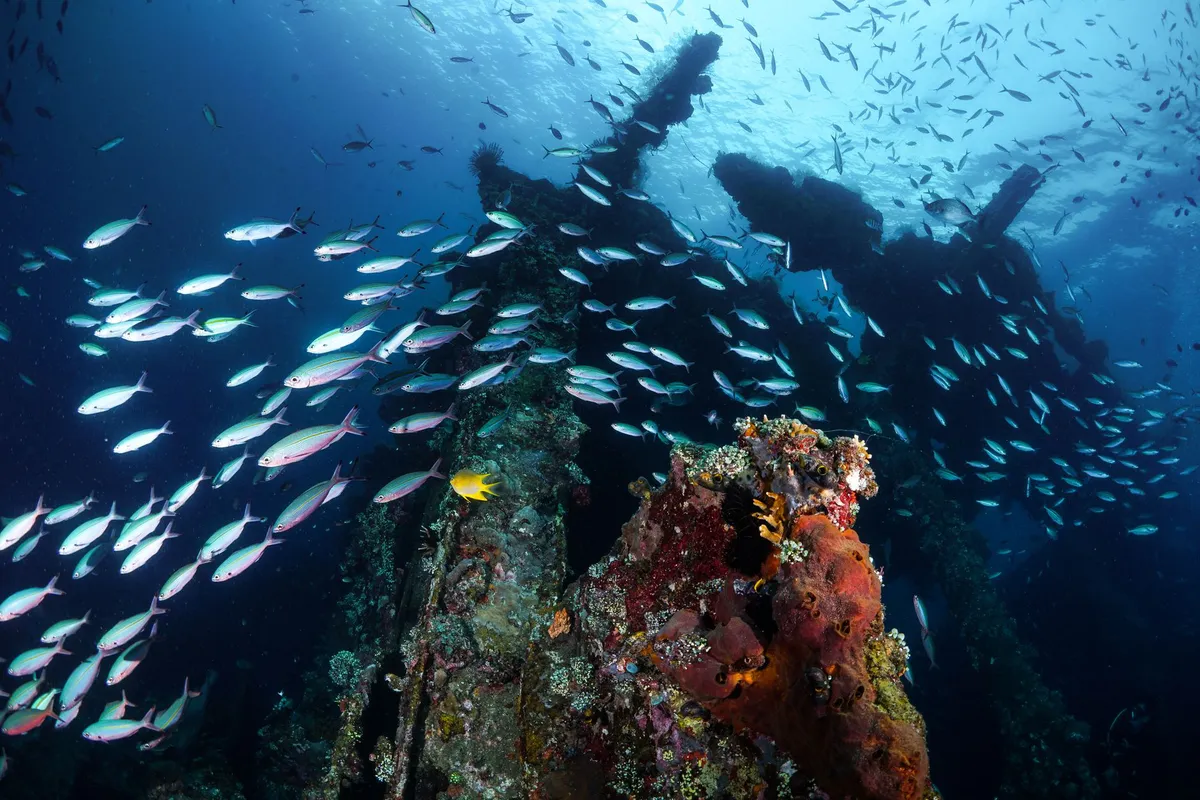
The condition of the Quest shipwreck, while disappointing, has also revealed a surprising ecological phenomenon. The images captured during the recent expeditions show the wreck enshrouded in marine life. Fishing nets and trawling gear have become entangled in the ship's structure, but this debris has inadvertently created a habitat for various marine organisms.
Marine Biodiversity Flourishes
According to WHOI biologist Kirstin Meyer-Kaiser, the shipwreck has transformed into a vibrant underwater ecosystem. Soft corals are now clustered around the bow, and threatened species such as the spotted wolffish have found refuge among the remnants. Meyer-Kaiser notes, "It's really cool to me that the impact of human history is that we’re creating a habitat. We’re increasing biodiversity on the local scale of the wreck, and maybe also on the regional scale because now it’s a stepping stone for some of those things to spread."
Challenges and Future Research
Despite the positive transformation, the Quest shipwreck is not without its challenges. The presence of human-made debris poses risks to the marine ecosystem, and ongoing monitoring will be necessary to assess the long-term health of this underwater habitat. The RCGS plans to create a 3D digital twin of the wreck site using underwater photogrammetry technology, which will aid in further research and conservation efforts.
As the team gathers more data and imagery, they aim to understand how the wreck interacts with its surrounding environment. This research could provide insights into the broader implications of shipwrecks as artificial reefs and their role in supporting marine biodiversity.
Key Takeaways
- The Quest shipwreck, associated with explorer Ernest Shackleton, has transformed into a thriving marine ecosystem.
- Recent expeditions have revealed the ship's deteriorating condition, highlighting both human impact and ecological resilience.
- Marine life, including soft corals and spotted wolffish, has colonized the wreck, showcasing the interconnectedness of human history and nature.
- The RCGS plans to create a 3D digital twin of the site to aid in conservation and research efforts.
- Future studies will explore the role of shipwrecks in promoting marine biodiversity.
Frequently Asked Questions
What is the historical significance of the Quest shipwreck?
The Quest shipwreck holds a prominent place in the history of polar exploration, as it was the final vessel of the renowned explorer Ernest Shackleton. Shackleton's legacy is characterized by his remarkable leadership and survival story during the Endurance expedition. The Quest's sinking in 1962 marked the end of its own adventurous journey, which included various scientific and military missions.
How has the shipwreck contributed to marine biodiversity?
As the Quest shipwreck deteriorated, it transformed into an artificial reef, providing shelter and habitat for various marine organisms. The entanglement of fishing nets and other debris around the wreck has inadvertently fostered an environment where marine life can thrive, showcasing how human activity can lead to unexpected ecological benefits.
What future research will be conducted on the Quest shipwreck?
The RCGS and WHOI plan to conduct ongoing research to monitor the shipwreck's condition and its ecological impact. They aim to create a 3D digital twin of the site, which will facilitate further studies on how shipwrecks can serve as artificial reefs and contribute to marine biodiversity. This research could also inform conservation efforts for other shipwreck sites globally.
Why is the Quest shipwreck considered a science experiment?
The Quest shipwreck is referred to as a science experiment because its current state exemplifies the interaction between human history and marine ecology. The wreck serves as a living laboratory, allowing researchers to study the effects of human-made structures on marine life and understand how ecosystems can adapt and thrive in the presence of such artifacts.
Comments
Volkswagen's Restructuring Plans Face Union Opposition Amid Job Cuts
Volkswagen Group is under pressure to restructure amid declining profits and market share. While the company outlines plans for fewer models, unions are rallying against potential job cuts and factory closures.

Related articles


Popular in Guides
- Boomers Lead the Charge in Alcohol Abstinence: Insights from New Research
- Understanding the Physics of Silly Sprinklers and Feynman's Reverse Sprinkler Puzzle
- Mark Zuckerberg Acquires Strancally Castle: A Look at His New Irish Estate
- Last Chance to Score Discounts for TechCrunch Disrupt 2026
- The Coming Air-Conditioning Revolution in Europe: A Necessity or a Luxury?