The Resilience of Clean Energy Amid Political Challenges
Despite efforts to curb clean energy expansion, the U.S. is witnessing an unprecedented boom in renewable energy capacity, driven by rising demand and pragmatic market forces.
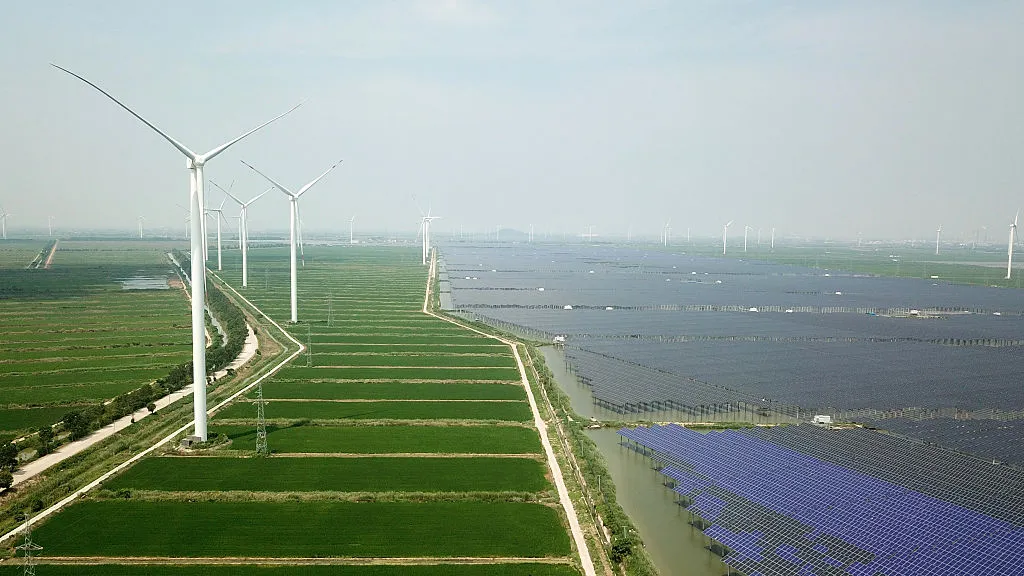
The clean energy landscape in the United States is experiencing a remarkable transformation, pushing through political opposition and regulatory hurdles. Despite Donald Trump’s administration making attempts to limit the growth of renewable energy, the sector is not just surviving; it is thriving. According to S&P Global Energy, the U.S. is on track to add a staggering 45 gigawatts (GW) of clean energy capacity in 2026, which is a record-breaking increase fueled by an array of market dynamics and consumer demands.
This surge is largely attributed to the combined effects of escalating electricity needs, particularly from energy-intensive sectors like artificial intelligence (AI) data centers, and the looming expiration of tax credits that have incentivized developers to act swiftly. As a result, clean energy is being propelled into a new era of growth, marking a significant milestone in the transition towards a more sustainable energy economy.
The Driving Forces Behind the Clean Energy Surge
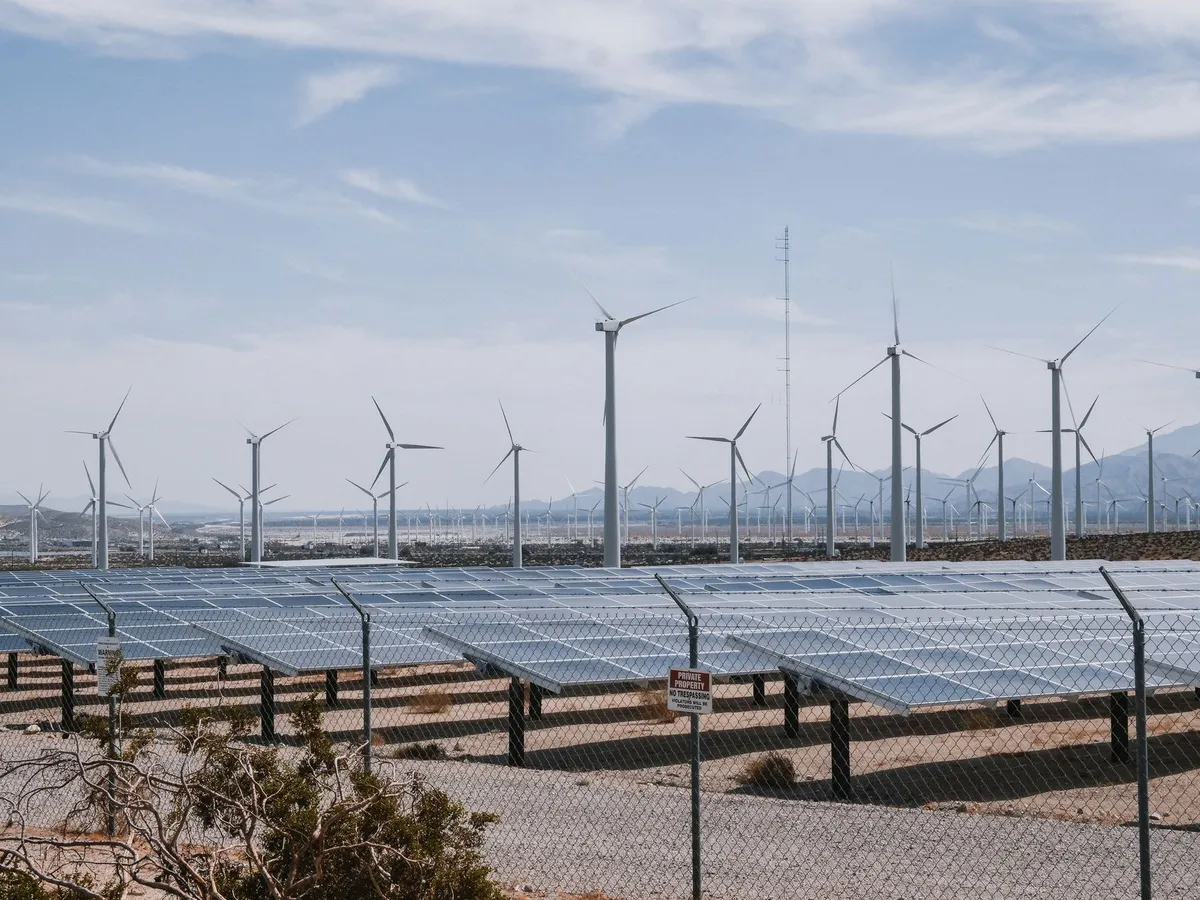
Several factors are converging to create an environment ripe for clean energy expansion in the United States:
1. Rising Electricity Demand
Electricity consumption in the U.S. is projected to increase by **39% by 2035**, largely driven by the electrification of everyday appliances and the burgeoning need for power from AI data centers. This dramatic uptick in demand necessitates a rapid scaling of energy production capabilities, making renewable sources like solar and wind not just viable but essential.
2. Economic Viability of Renewables
Renewable energy sources continue to prove their economic advantages. According to investment bank Lazard, solar power can be produced at a break-even point of just **$38 per megawatt-hour**, while wind power reaches similar competitive pricing at **$37 per megawatt-hour**. In contrast, natural gas projects require a minimum of **$48 per megawatt-hour** to break even. As consumers and businesses alike seek cost-effective energy solutions, the shift towards renewables is becoming increasingly attractive.
3. Legislative and Policy Context
While the Trump administration made concerted efforts to roll back clean energy initiatives—most notably by dismantling subsidies and attempting to block key solar projects—developers have leveraged existing tax credits and regulatory deadlines to expedite their projects. Notably, the **One Big Beautiful Bill Act (OBBBA)** included deadlines for project initiation that have compelled many developers to move forward with their plans before the incentives expire.
4. Consumer Investment and Behavior
Consumer spending on clean energy technologies is also on the rise. In the second quarter of 2026, investments in residential solar panels, batteries, and electric vehicles surged by **45%** from the previous quarter, signaling a robust consumer appetite for sustainable energy solutions. This trend is particularly pronounced in areas vulnerable to extreme weather, where homeowners are increasingly investing in home battery systems to ensure energy security during events like hurricanes.
Challenges and Resilience in the Clean Energy Sector
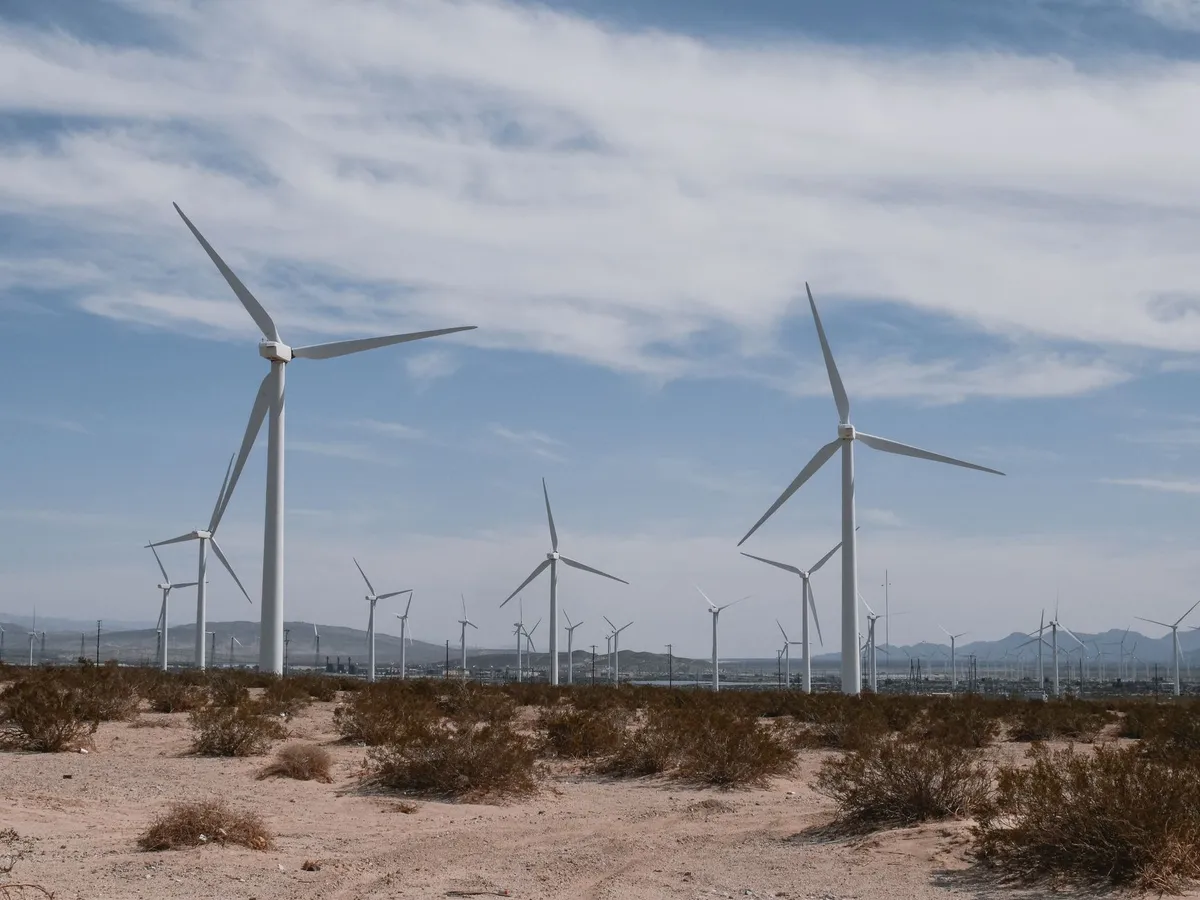
Despite the positive momentum, the clean energy sector faces significant hurdles. The Trump administration's attempts to curb investment in renewables have led to a series of court battles that have, at times, stalled progress. For instance, recent court rulings have blocked the administration's efforts to prevent onshore wind project development, highlighting the pushback from both the judicial system and the public.
Moreover, while Trump’s administration has touted record-high oil and gas production, the **pragmatic realization** that clean energy is indispensable for meeting future energy demands could signal a shift in policy. Analysts now point out that the administration is beginning to recognize the necessity of renewables, even amid previous campaign promises to oppose them.

The Future Outlook for Clean Energy
Looking ahead, the clean energy landscape is poised for continued growth. With **new solar capacity expected to grow by nearly 30%** and wind capacity by almost **50%** in 2026, the momentum is undeniable. Additionally, the anticipated expiration of the Inflation Reduction Act subsidies could lead to a surge in electricity prices, further incentivizing developers and consumers to invest in renewables now rather than later.
As energy demands escalate due to advances in technology and changing consumer behaviors, the path forward for clean energy appears increasingly bright. The combination of market forces, regulatory adaptations, and consumer enthusiasm will likely drive the sector to new heights, even as political challenges persist.
Key Takeaways
- Record Growth: The U.S. is set to add **45 GW** of clean energy capacity in 2026.
- Electricity Demand Surge: Consumption is projected to rise by **39% by 2035**.
- Economic Competitiveness: Solar and wind energy are cheaper than gas alternatives.
- Consumer Investment: Spending on clean technologies rose **45%** in Q2 2026.
- Legal Challenges: Courts are pushing back against attempts to block renewable projects.
Frequently Asked Questions
What factors are driving the clean energy boom in the U.S.?
The clean energy boom in the U.S. is primarily driven by rising electricity demand, particularly from sectors like AI, economic viability of renewables, consumer investment in clean technologies, and regulatory adaptations to encourage project completion before tax credits expire.
How are court rulings impacting clean energy development?
Court rulings have played a critical role in safeguarding clean energy development against political interference. Recent decisions have blocked attempts to halt onshore wind projects and enforced the continuation of renewable initiatives, showcasing that legal systems can act as a check against regulatory overreach.
What role does consumer behavior play in the clean energy market?
Consumer behavior significantly influences the clean energy market, as rising awareness of environmental impacts and increasing energy prices drive residential investments in solar panels, energy storage systems, and electric vehicles. This trend not only boosts demand but also contributes to the overall growth of the clean energy sector.
What challenges does the clean energy sector face?
Despite its growth, the clean energy sector faces challenges such as political resistance, fluctuating policy frameworks, and the need for infrastructure improvements to support increased renewable capacity. Additionally, the threat of rising electricity prices post-subsidies could deter some investment if not managed carefully.
Comments
The Hidden Dangers of Collecting Mummified Remains
As the demand for mummified remains grows, potential collectors face legal and health risks that are often overlooked. This article explores the hidden dangers associated with these historical artifacts.

Related articles


Popular in Guides
- Boomers Lead the Charge in Alcohol Abstinence: Insights from New Research
- Understanding the Physics of Silly Sprinklers and Feynman's Reverse Sprinkler Puzzle
- Mark Zuckerberg Acquires Strancally Castle: A Look at His New Irish Estate
- Last Chance to Score Discounts for TechCrunch Disrupt 2026
- The Coming Air-Conditioning Revolution in Europe: A Necessity or a Luxury?