The Hidden Dangers of Collecting Mummified Remains
As the demand for mummified remains grows, potential collectors face legal and health risks that are often overlooked. This article explores the hidden dangers associated with these historical artifacts.
The fascination with mummified remains has surged in recent years, driven by a mix of cultural allure and the rise of online marketplaces. However, what many potential collectors may not realize is that acquiring such artifacts can come with significant legal and health risks. As interest in these historical relics increases, so does the unregulated market that often lacks proper safety guidance for buyers. This article delves into the hidden dangers of collecting mummified remains, revealing the toxic substances involved in their preservation and the potential health hazards these artifacts may pose.
The Allure of Mummified Remains
Mummified remains, whether human or animal, have captivated collectors and historians alike for centuries. These artifacts provide a tangible connection to ancient civilizations and are often seen as prestigious items within certain collecting circles. From the iconic shrunken heads of Peru to the intricately preserved bodies of Egyptian Pharaohs, mummies symbolize a unique intersection of art, history, and science.
However, the acquisition of such items can often involve murky ethical waters, as many transactions take place in unregulated environments. The online sale of mummified remains has proliferated through platforms like Facebook and Instagram, with sellers often operating outside the bounds of legality. The challenge for collectors is not only ensuring the legitimacy of their purchases but also understanding the health implications that accompany such items.
Health Risks Associated with Mummified Remains
The preservation of mummified remains has historically relied on the use of toxic substances. Heavy metals such as arsenic, mercury, and lead were commonly used in the embalming process, raising concerns about exposure during handling. For example, researchers have identified toxic spores and fungi in mummified remains that can lead to serious respiratory issues and infections. A 1962 study revealed the presence of dangerous fungal spores in mummies, highlighting the potential for respiratory inflammation if inhaled.
Microbial Growth and Its Implications
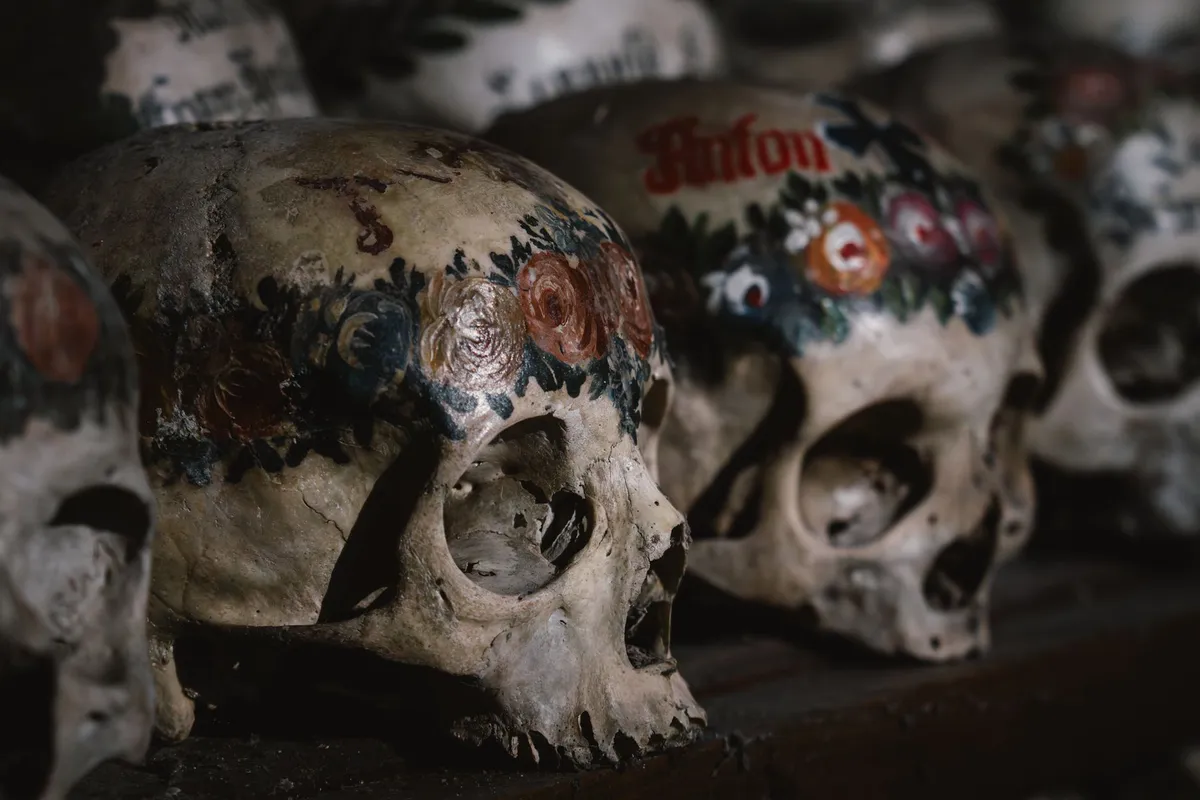
One of the most alarming aspects of mummified remains is their susceptibility to microbial growth. Improper storage conditions can lead to the reactivation of dormant microorganisms like bacteria, fungi, and yeasts. For instance, a study of the Capuchin Catacombs in Palermo, Sicily, found that the mummies on display exhibited signs of fungal growth due to unstable environmental conditions over the years.
Notably, a 2012 analysis in Krakow, Poland, identified various fungi species, including Aspergillus and Penicillium, on human remains and within the crypts. These microorganisms can have severe health effects, with certain strains of Aspergillus flavus having been linked to fatalities among scientists who excavated royal tombs. As such, the idea of a “mummy’s curse” is not merely a relic of superstition; it has roots in real health hazards associated with handling mummified remains.
The Legal Landscape of Collecting Mummified Artifacts
Alongside health risks, the legal implications of collecting mummified remains can be complex and daunting. Many countries have stringent laws regulating the trade of cultural artifacts, especially human remains, due to ethical concerns and cultural heritage preservation. Buyers often find themselves navigating a legal minefield, as certain jurisdictions prohibit the sale and shipment of mummified remains altogether.
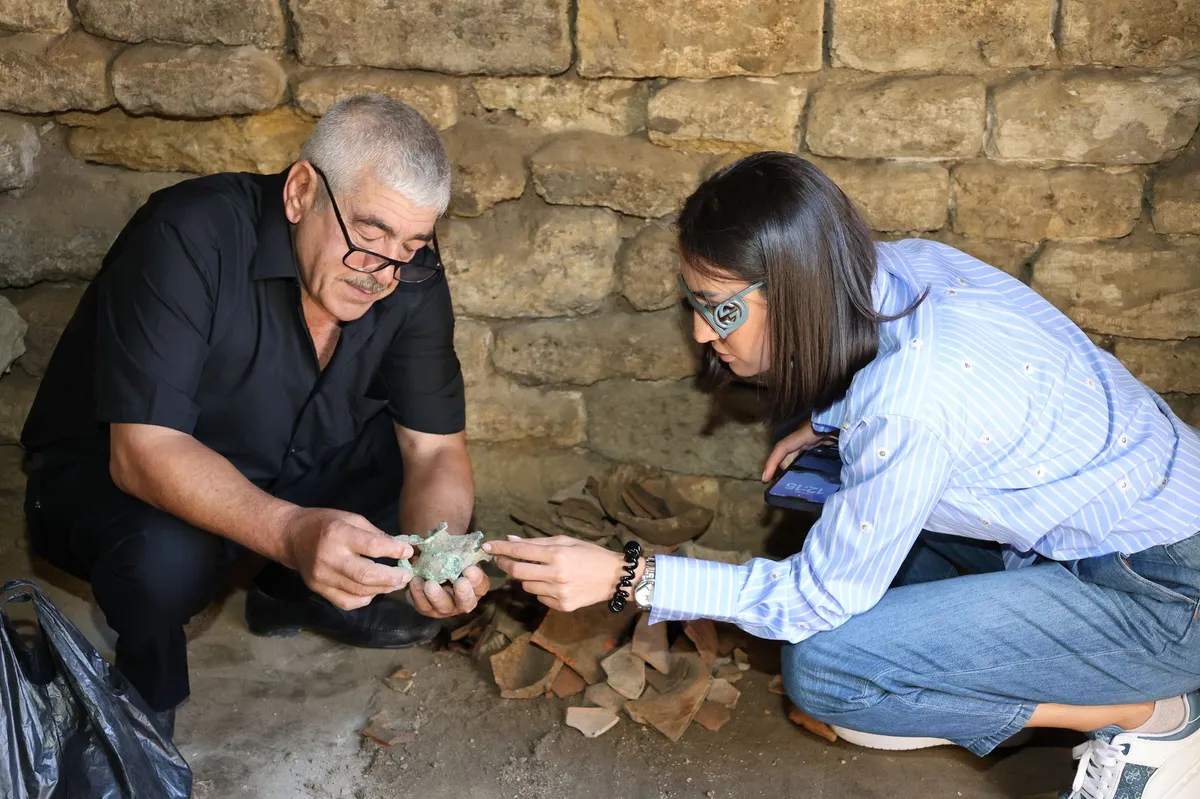
Research conducted by a team of scholars, including Kirsty Squires from the University of Staffordshire, revealed that many online sellers are aware of the legal issues surrounding their offerings. Sellers often take precautions to avoid detection by omitting shipping contents from labels or providing vague descriptions of items. This lack of transparency not only raises ethical questions but also puts collectors at risk of legal repercussions.
Consequences of Ignorance
The increase in unregulated online sales has made it easier for individuals to engage in the trade of mummified remains, often without understanding the associated risks. Squires' research indicated that out of 128 posts analyzed, only a small fraction provided disclaimers about potential health hazards. In some cases, mummified remains exhibited visible signs of decay and fungal colonization, further emphasizing the need for clearer guidelines and regulations in this space.
Recommendations for Potential Collectors
For those drawn to the allure of mummified remains, there are several crucial steps to take before making a purchase:
- Research Legality: Understand the legal implications of buying and owning mummified remains in your jurisdiction.
- Verify Provenance: Ensure that the item has a clear and documented history, which can help ascertain its authenticity and legal status.
- Health Precautions: If you decide to proceed with a purchase, take necessary precautions such as wearing gloves and masks when handling the remains.
- Seek Expert Guidance: Consult with professionals in anthropology or cultural heritage to gain insights into safe handling and ethical considerations.
- Stay Informed: Keep up to date with research on health risks associated with mummified remains and changes in legal regulations.
Key Takeaways
- Collecting mummified remains poses significant health risks due to toxic substances and microbial growth.
- Legal regulations around the sale and ownership of mummified remains vary widely and can lead to serious consequences.
- Potential collectors should prioritize safety and legality by researching provenance and taking necessary precautions.
Frequently Asked Questions
What specific health risks are associated with handling mummified remains?
Handling mummified remains can expose individuals to toxic substances used during the embalming process, such as heavy metals and preservatives. Additionally, dormant microorganisms like fungi and bacteria can become active and pose serious respiratory health risks when inhaled or contacted. Proper safety measures, including wearing masks and gloves, are essential when dealing with these artifacts to mitigate health hazards.
Are there legal restrictions on the sale of mummified remains?
Yes, legal restrictions regarding the sale and possession of mummified remains vary from country to country and even within regions. Many jurisdictions prohibit the sale of human remains altogether, while others may regulate animal remains. It is crucial for collectors to research and understand the laws applicable to their location before attempting to buy or sell such items to avoid legal repercussions.
How can I ensure that a mummified remain is authentic and ethically sourced?
To ensure authenticity and ethical sourcing, potential buyers should seek documentation that traces the provenance of the mummified remains. This includes records of where and how the item was obtained, as well as any legal clearances associated with its trade. Consulting experts in cultural heritage and anthropology can also provide valuable insights into the legitimacy of the item.
Comments
The Resilience of Clean Energy Amid Political Challenges
Despite efforts to curb clean energy expansion, the U.S. is witnessing an unprecedented boom in renewable energy capacity, driven by rising demand and pragmatic market forces.

Related articles
Popular in Guides
- Boomers Lead the Charge in Alcohol Abstinence: Insights from New Research
- Understanding the Physics of Silly Sprinklers and Feynman's Reverse Sprinkler Puzzle
- Mark Zuckerberg Acquires Strancally Castle: A Look at His New Irish Estate
- Last Chance to Score Discounts for TechCrunch Disrupt 2026
- The Coming Air-Conditioning Revolution in Europe: A Necessity or a Luxury?