The Rise of Ads and Tracking in Monitors: A Privacy Concern
As monitors evolve, they increasingly resemble smart TVs in terms of ads and tracking. This article explores the implications for users and the industry.

In an age where technology is an integral part of daily life, the devices we use are becoming more than just tools; they are evolving into platforms for advertising and user surveillance. While televisions have long been criticized for their intrusive ads and tracking capabilities, a concerning trend is emerging: monitors, which were once considered a safer alternative, are starting to follow suit. This shift raises significant privacy concerns for users who rely on these devices for both work and leisure.
As monitors become increasingly sophisticated, equipped with smart capabilities similar to those found in smart TVs, the potential for advertisers to infiltrate our personal spaces has never been greater. With companies like LG and Samsung leading the charge, monitor users may find themselves navigating a complex landscape filled with unexpected ads and tracking mechanisms. This article delves into the implications of this trend, the technologies involved, and what consumers can do to safeguard their privacy.
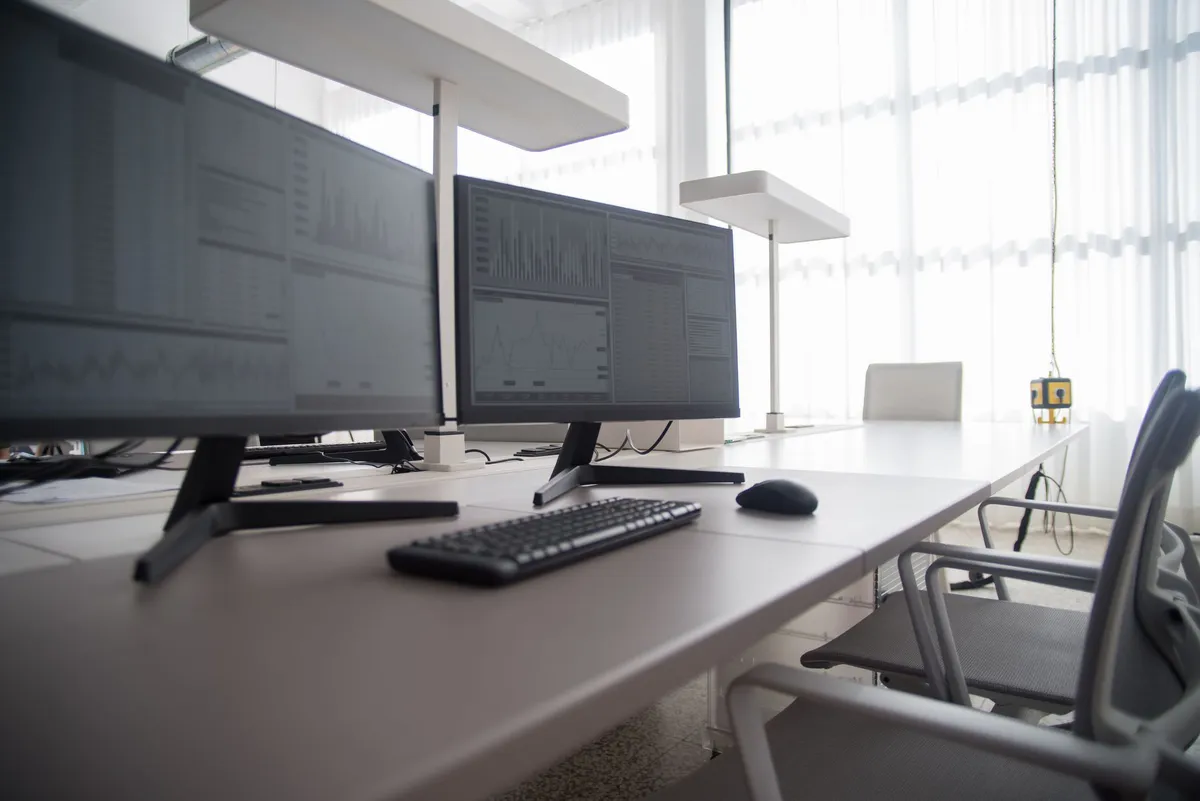
The Smart Monitor Revolution
Smart monitors are more than just display devices; they come equipped with their own operating systems and internet connectivity. This means they can run applications, stream content, and even manage smart home devices without the need for a connected computer. While these capabilities offer convenience, they also open the door to potential privacy invasions.
How Smart Monitors Operate
Smart monitors typically run on familiar operating systems, often resembling those of smart TVs. For example, LG and Samsung have integrated their respective ad-serving systems into their monitors. This means that, like smart TVs, smart monitors can utilize automatic content recognition (ACR) technology, which allows them to track user activity and preferences. This tracking can extend beyond the monitor itself, involving third-party applications and operating system providers.
Consumer Trust at Risk
Recent incidents, such as LG's controversial installation of the McAfee Monitor App Installer on connected devices, have raised alarm bells about the extent to which monitor manufacturers can intrude into users' digital lives. This app, marketed as a tool to enhance monitor functionality, turned out to be a vehicle for pushing ads onto users without their explicit consent. The incident highlights a troubling trend: the erosion of consumer trust as companies prioritize advertising revenue over user privacy.
Privacy Policies: A Confusing Maze
Understanding the privacy implications of smart monitors can be daunting. The privacy policies of manufacturers like LG, Samsung, and Acer often contain legal jargon that obscures how user data is collected, used, and shared. These policies typically state that data may be shared with advertisers, but the specifics are often buried deep within lengthy documents.
The Need for Transparency
As smart monitors gain popularity, manufacturers must prioritize transparency regarding data collection and tracking practices. Users should not have to sift through convoluted policies to understand how their information is being handled. Instead, companies should adopt more user-friendly approaches, such as providing clear privacy settings during the initial setup of the device.
What Can Users Do?
While the prospect of ad-tracking monitors is concerning, there are steps consumers can take to protect their privacy:
- Review Privacy Settings: After setting up a smart monitor, users should immediately check privacy settings to disable any tracking features.
- Stay Informed: Keep abreast of updates from manufacturers regarding privacy policies and potential changes in tracking practices.
- Limit Connectivity: Consider using smart monitors with limited internet connectivity or those that allow for easy disconnection from the internet.
- Use Regular Monitors: For users wary of ads and tracking, sticking with traditional monitors may be the safest option.

Looking Ahead: The Future of Monitors
The evolution of monitors is not inherently negative; there is significant potential for innovation that benefits users. Smart features can enhance productivity, streamline tasks, and create more dynamic user experiences. However, the industry must strike a balance between adding functionality and protecting user privacy.
A Call for Ethical Practices
Manufacturers must ensure that their approach to advertising and tracking is not at the expense of user trust. For instance, LG could implement measures to ensure that ads are not forced onto users through software updates. By prioritizing ethical practices, companies can cultivate a loyal customer base that values both innovation and privacy.
Key Takeaways
- Smart monitors are increasingly resembling smart TVs in terms of ads and tracking capabilities.
- LG's recent controversy highlights the risks associated with software that pushes unwanted ads onto users.
- Understanding privacy policies is crucial, but they often lack clarity and transparency.
- Consumers can take proactive steps to protect their privacy, including reviewing settings and opting for traditional monitors.
Frequently Asked Questions
What are smart monitors, and how do they differ from regular monitors?
Smart monitors are equipped with their own operating systems and internet connectivity, allowing them to run applications and perform tasks independently. Unlike regular monitors, which require a connected computer to function, smart monitors can stream content, manage smart home devices, and even video conference. This added functionality introduces potential privacy risks as they may track user behavior and preferences.
How can I protect my privacy when using a smart monitor?
To protect your privacy, start by reviewing the privacy settings during the initial setup of your smart monitor. Disable any tracking features and familiarize yourself with the manufacturer's privacy policy. Additionally, consider limiting the monitor's internet connectivity or using a traditional monitor if you have significant privacy concerns.
What should I do if I find ads on my monitor?
If you encounter unwanted ads on your monitor, check for any installed applications that may be responsible for pushing those ads. You can often uninstall or disable these applications. If the ads persist and you feel your privacy is compromised, consider reaching out to the manufacturer for support or further clarification on their advertising practices.
Comments
The Resilience of Clean Energy Amid Political Challenges
Despite efforts to curb clean energy expansion, the U.S. is witnessing an unprecedented boom in renewable energy capacity, driven by rising demand and pragmatic market forces.

Related articles


Popular in Guides
- Boomers Lead the Charge in Alcohol Abstinence: Insights from New Research
- Understanding the Physics of Silly Sprinklers and Feynman's Reverse Sprinkler Puzzle
- Mark Zuckerberg Acquires Strancally Castle: A Look at His New Irish Estate
- Last Chance to Score Discounts for TechCrunch Disrupt 2026
- The Coming Air-Conditioning Revolution in Europe: A Necessity or a Luxury?