Wildfire Smoke: A Growing Prenatal Health Threat Outpacing Urban Pollution
Recent research reveals that wildfire smoke poses a greater risk to prenatal health than traditional pollution sources, undermining decades of air quality improvements. Vulnerable populations face the brunt of this challenge, necessitating urgent action to mitigate exposure.
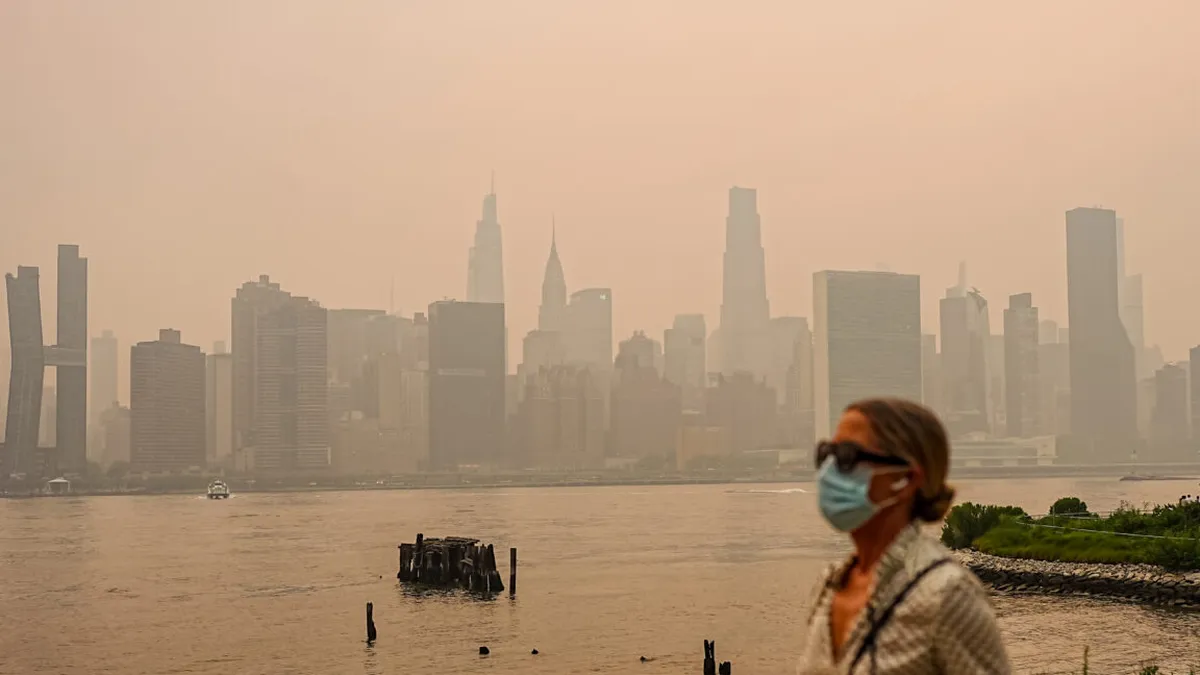
In a striking revelation that underscores the complex interplay between climate change and public health, recent research has shown that wildfire smoke now represents a more significant threat to prenatal health than traditional air pollution sources. While decades of legislative efforts have successfully reduced harmful emissions from vehicles and industrial activities, the increasing frequency and intensity of wildfires are erasing these gains, particularly for the most vulnerable populations—unborn babies. This alarming trend highlights the urgent need for communities and policymakers to address the unique challenges posed by wildfire smoke exposure.
The findings, published in a study by researchers at the University of Maryland, College Park, mark a pivotal moment in our understanding of environmental health. With wildfire smoke contributing to a dramatic increase in prenatal air pollution exposures, it is imperative to consider how these changes impact public health, especially for low-income, rural, and Indigenous populations that are disproportionately affected.
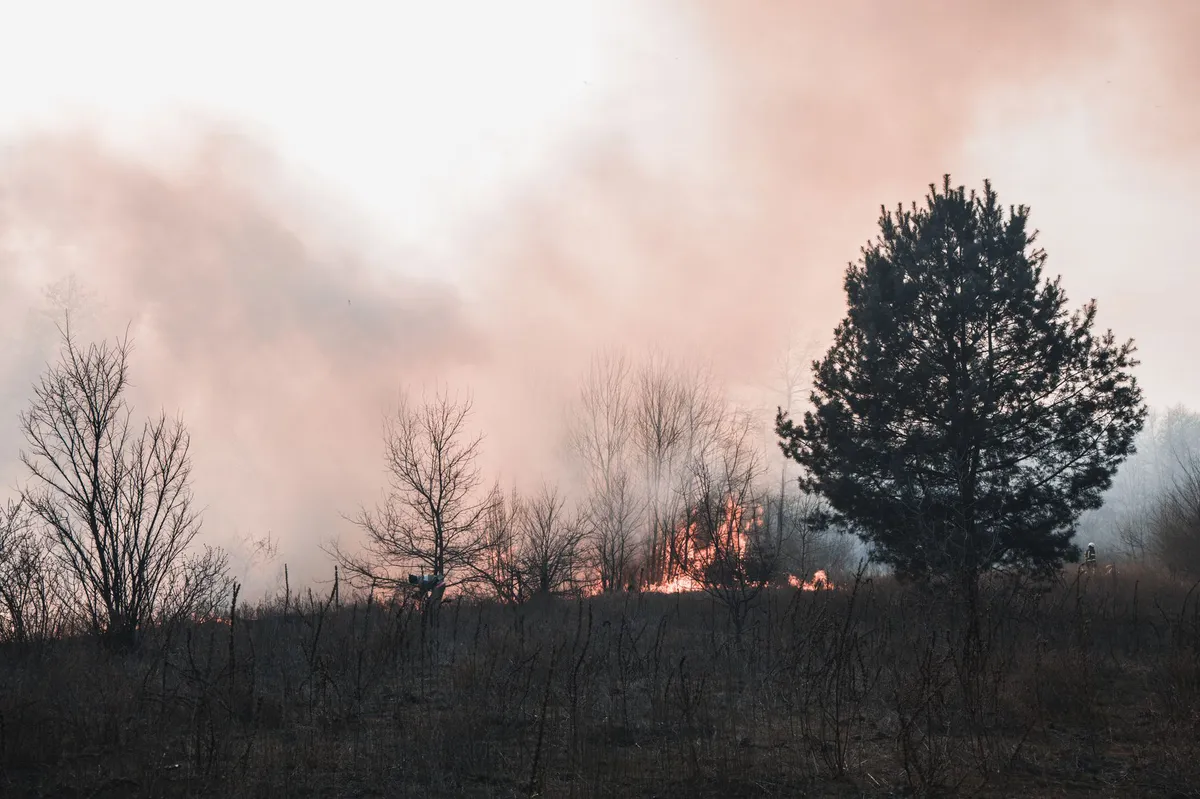
The Historical Context of Air Quality Legislation
The journey toward improved air quality in the United States began in earnest with the Clean Air Act of 1970, which was a landmark piece of legislation aimed at curbing pollution from human sources. Over the decades, this law has led to an impressive 80 percent reduction in emissions of several harmful pollutants, including sulfur dioxide and nitrogen oxides, primarily from vehicles and industrial operations. While these gains have been monumental, the rise of climate change and its effects on natural disasters, such as wildfires, is presenting new challenges that threaten to undermine these hard-won achievements.
The Impact of Climate Change on Wildfires
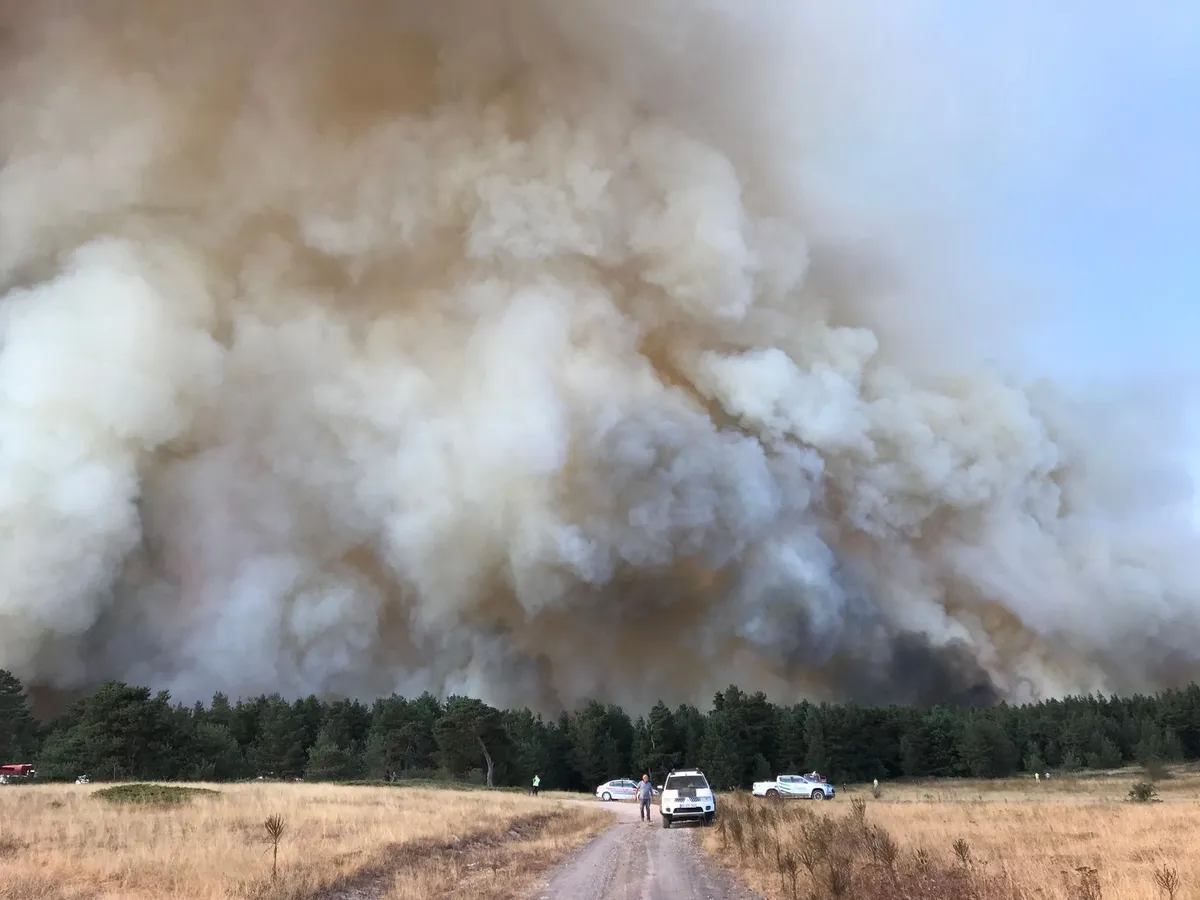
Climate change has created warmer and drier conditions that contribute to the intensity and frequency of wildfires. As these events become more severe, they generate large amounts of smoke filled with fine particulate matter (PM2.5), which poses serious health risks. The recent study highlights a critical shift: from 2003 to 2019, while emissions from human sources saw a 37 percent decrease, wildfire contributions to air pollution have doubled.
Understanding the Health Risks of Wildfire Smoke
The health risks of wildfire smoke are particularly pronounced for pregnant women and their developing babies. Exposure to PM2.5 during pregnancy is linked to adverse outcomes such as low birth weight and preterm births, which can have lasting implications for a child's health. The University of Maryland study utilized extensive birth records and air quality data to establish a direct link between prenatal smoke exposure and health risks.
Disproportionate Effects on Vulnerable Populations
One of the study’s significant findings is the disproportionate impact of wildfire smoke on low-income, rural, and Indigenous communities. These populations often lack access to adequate healthcare and resources to mitigate exposure, such as air filtration systems. This inequity highlights the critical need for targeted interventions that can help these communities manage and reduce their exposure to harmful air pollution.
- Low-income and rural communities often lack access to healthcare resources.
- Indigenous populations face unique challenges due to geographic isolation.
- Access to air quality monitoring and filtration systems is limited.
Mitigation Strategies and Community Resources
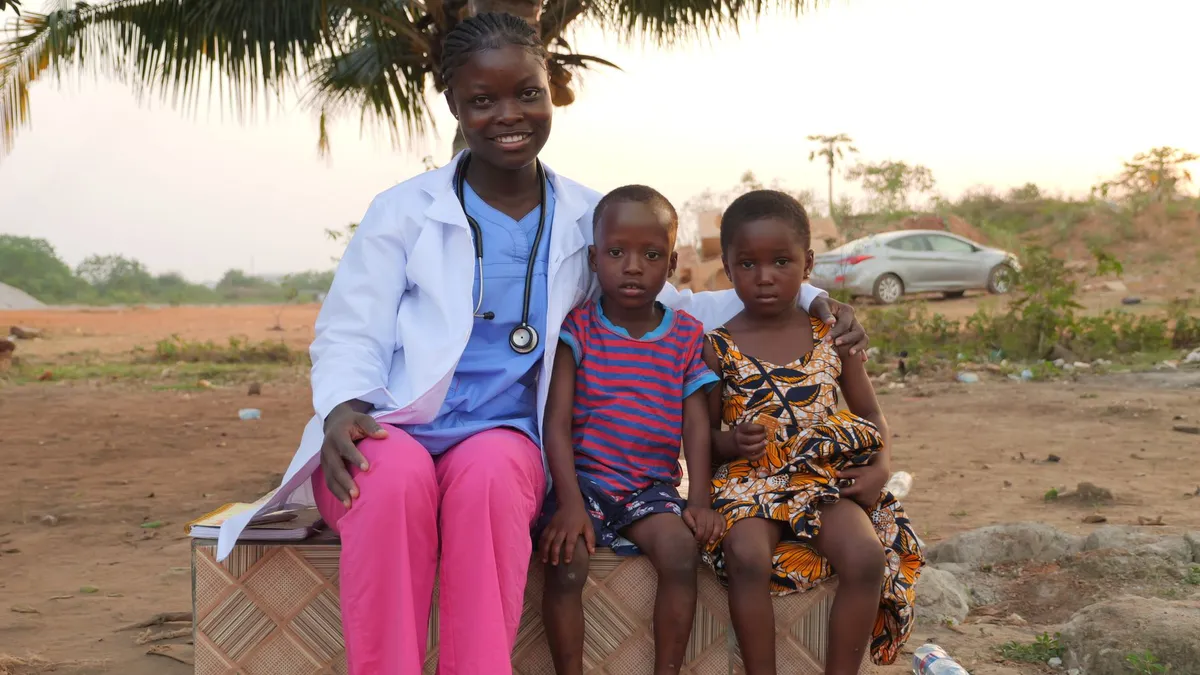
As the threat from wildfire smoke grows, it is essential for communities to develop effective strategies to mitigate exposure. Researchers suggest that communities should be equipped with resources such as clean-air shelters, air filters, and improved access to healthcare services during wildfire events. Additionally, public health campaigns can educate residents on how to minimize their exposure to wildfire smoke, including staying indoors during high pollution days and using air purifiers.
Policy Recommendations for a Resilient Future
Long-term solutions will also require comprehensive policy efforts aimed at addressing the root causes of climate change. This includes advocating for cleaner energy sources, enhancing fire management practices, and investing in community resilience initiatives. By focusing on reducing greenhouse gas emissions and improving air quality, policymakers can help protect vulnerable populations from the health risks associated with wildfire smoke.

Key Takeaways
- Wildfire smoke is now a greater prenatal health threat than urban air pollution.
- Low-income, rural, and Indigenous populations are disproportionately affected.
- Mitigation strategies include clean-air shelters and healthcare access improvements.
- Long-term solutions must address climate change and enhance fire management.
Frequently Asked Questions
What are the health risks associated with wildfire smoke exposure during pregnancy?
Exposure to wildfire smoke during pregnancy can increase the risk of adverse outcomes such as low birth weight and preterm births. Fine particulate matter (PM2.5) in smoke can penetrate deep into the lungs and enter the bloodstream, potentially leading to chronic health issues for both the mother and the child.
How does wildfire smoke compare to traditional pollution sources?
While traditional pollution sources, such as vehicles and industrial emissions, have seen significant reductions due to regulations, wildfire smoke has become a more substantial contributor to air pollution. Recent studies indicate that contributions from wildfire smoke have doubled in recent years, offsetting the gains made in improving air quality from human sources.
What can communities do to protect vulnerable populations from wildfire smoke?
Communities can implement several strategies to protect vulnerable populations from wildfire smoke, including establishing clean-air shelters, providing air filtration systems, and improving access to healthcare services during wildfire events. Public health education campaigns can also help residents understand how to minimize their exposure.
What role does climate change play in increasing wildfire frequency and intensity?
Climate change has created conditions that lead to warmer and drier environments, which increase the likelihood and intensity of wildfires. These changes not only result in more frequent fires but also contribute to increased smoke production, creating additional health risks for affected communities.
Comments
D23 Expo 2026: Major Marvel and Star Wars Announcements Unveiled
Disney's D23 Expo kicked off with exciting trailers and teasers for upcoming Marvel and Star Wars projects, including VisionQuest, Ahsoka Season 2, and more.

Related articles

Popular in Guides
- Boomers Lead the Charge in Alcohol Abstinence: Insights from New Research
- Understanding the Physics of Silly Sprinklers and Feynman's Reverse Sprinkler Puzzle
- The Coming Air-Conditioning Revolution in Europe: A Necessity or a Luxury?
- Hobbits of Flores: Scavengers or Skilled Hunters?
- US Citizens Infected with Ebola: A Shifting Response Landscape