Reservoir Secures $8M to Revolutionize Water Heating for Homes and the Grid
Reservoir has raised $8 million to develop smart water heaters that enhance energy efficiency and contribute to grid stability. With innovative features and a focus on consumer appeal, the startup aims to transform water heating into a sustainable and valuable home appliance.
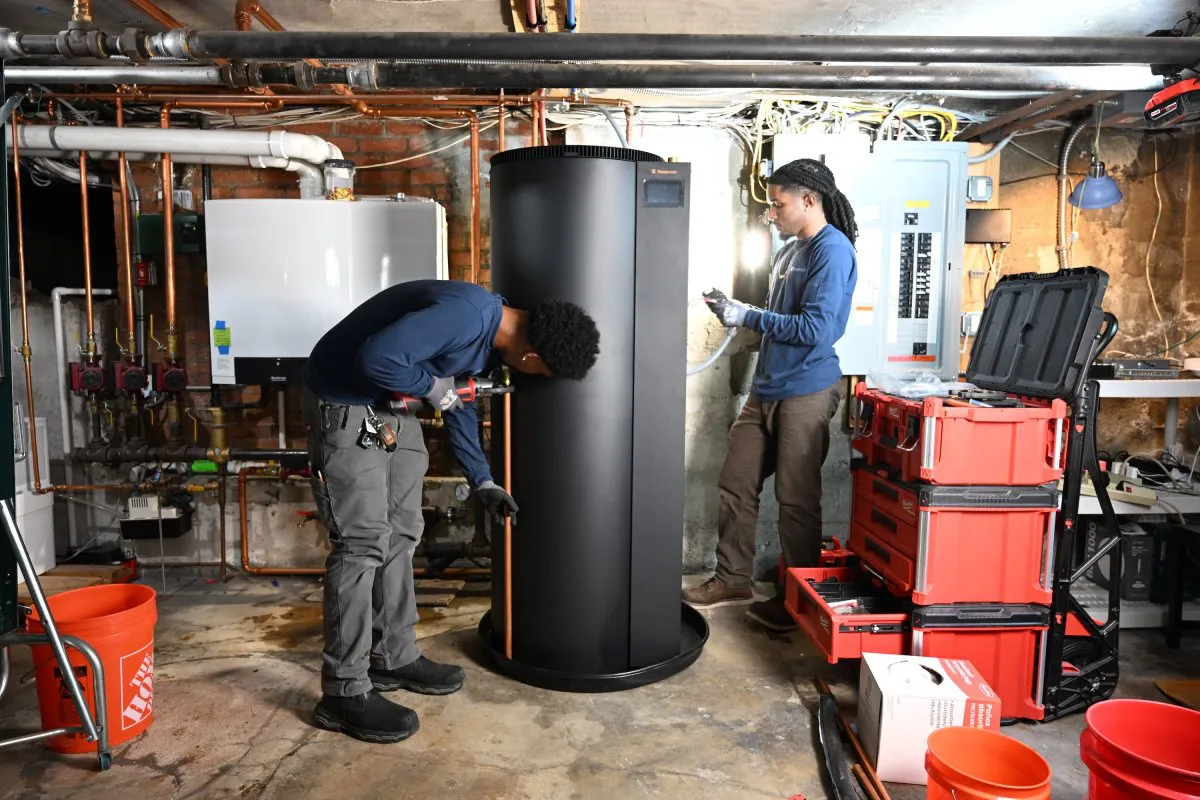
In the world of home appliances, few devices are as overlooked yet as crucial as water heaters. Often relegated to the background, these machines are responsible for approximately 18% of a household's total energy consumption and can lead to significant water damage if not properly maintained. Enter Reservoir, a startup determined to change the narrative surrounding water heaters. With a recent seed funding of $8 million, Reservoir is on a mission to create water heating solutions that are not only efficient and affordable but also desirable for consumers and beneficial for the energy grid.
Founded by Luke Winston-Almanzar, Gabriel Parisi-Amon, and Jake Felser, Reservoir is positioning itself at the intersection of household convenience and energy sustainability. The company’s approach is clear: traditional water heaters are outdated and inefficient. As Winston-Almanzar bluntly states, “My air fryer is smarter than it.” By leveraging technology and innovative design, Reservoir aims to deliver a product that consumers will actively seek out, thereby redefining the water heating market.

Understanding the Energy Impact of Water Heating
Water heaters contribute significantly to household energy costs, making their efficiency a critical factor in overall energy consumption. In the United States, most traditional electric water heaters use a considerable amount of energy to maintain hot water, often resulting in high utility bills. Reservoir’s innovative water heater, with its heat pump technology, promises to change this dynamic.
The Energy Cost Analogy
Winston-Almanzar's comparison highlights a pressing issue: he noted that the energy required to heat water in a conventional system could exceed that of powering an electric vehicle. This inefficiency not only affects individual homeowners but also puts a strain on the electrical grid, especially during peak demand periods.
A New Standard for Water Heaters
Reservoir's solution is a predictive heating water heater that learns a household's hot water usage patterns over the first month of installation. By doing so, it optimizes the heating process to run during off-peak hours when electricity is cheaper, thus providing significant savings. One of the key features is:
- Heat Pump Efficiency: Reservoir's heat pump is nearly four times more efficient than conventional electric water heaters and five times more efficient than natural gas versions.
- Leak Detection: An ultrasonic flow sensor alerts homeowners to potential leaks, enabling preventive maintenance and reducing water waste.
- Instant Hot Water: The Max version includes features like a recirculation valve that provides immediate access to hot water.

Market Positioning and Consumer Appeal
Despite the clear advantages of energy-efficient systems, the market for heat pump water heaters has remained relatively small. Reservoir recognizes that technological innovation alone will not sway consumers who often replace their water heaters with whatever option is readily available through their plumbers. Therefore, the company has taken bold steps to ensure that its products are not only technologically superior but also marketable.
Direct Sales Strategy
To address this gap, Reservoir has launched its own plumbing company, inspired by Winston-Almanzar's experiences at Formlabs, where direct consumer relationships were essential for the successful adoption of new technology. This strategy allows Reservoir to manage the installation process, build customer rapport, and ensure that their products are marketed effectively. Pricing also plays a crucial role in their strategy; the Max version retails for $6,500, while the more basic Core model is priced at $5,000, both including installation.
Incentives for Adoption
To further entice potential buyers, Massachusetts residents can take advantage of a $1,050 rebate, significantly lowering the effective cost of the Core model to $3,950. This price point is competitive with existing heat pump water heaters, which can range from $3,500 to $4,500 when factoring in installation costs.
Environmental and Grid Benefits
While the primary focus for Reservoir is consumer satisfaction, the broader implications of their technology have significant environmental and energy grid benefits. With the potential to store megawatt-hours of energy in the form of hot water, Reservoir's water heaters could contribute to grid stability, especially during peak demand times. This concept aligns with growing trends in demand response programs, where utilities incentivize consumers to reduce energy usage during high-demand periods.
Aggregation and Utility Participation
As Reservoir scales its operations, the company envisions aggregating its fleet of smart water heaters to participate in these utility programs. This aggregation would allow Reservoir to earn payments from utilities in exchange for reducing energy demand, a strategy that can further lower costs for consumers. Such participation not only benefits homeowners financially but also enhances overall grid reliability.
Key Takeaways
- Reservoir has raised $8 million to innovate the water heater market with smart technology.
- The company’s predictive heating system can significantly reduce energy costs and enhance grid stability.
- With a direct sales approach, Reservoir aims to build consumer trust and streamline the installation process.
- Massachusetts residents can benefit from substantial rebates, making the Core water heater model competitively priced.
- Reservoir’s technology could play a pivotal role in the broader adoption of heat pump water heaters and energy efficiency.

Frequently Asked Questions
What makes Reservoir’s water heaters different from traditional models?
Reservoir’s water heaters utilize advanced heat pump technology that is far more energy-efficient than traditional electric or gas models. They are designed to predict hot water usage patterns, allowing them to heat water during off-peak hours to save costs while maintaining a steady supply. Additionally, features like leak detection and instant hot water delivery cater to modern consumer needs.
How does the pricing of Reservoir’s water heaters compare to traditional options?
The pricing of Reservoir’s water heaters, particularly with the available rebates, positions them competitively against traditional options. For example, the Core model effectively costs around $3,950 after the rebate, which is comparable to existing heat pump models. Traditional electric water heaters may have a lower upfront cost, but they lack the energy efficiency and long-term savings that Reservoir offers.
What are the long-term savings potential for homeowners?
Homeowners can save up to $1,000 annually on energy costs with Reservoir’s water heaters. Given their 10-year warranty, the breakeven point for consumers is expected to be reached long before the unit's lifespan ends, making them a financially sound investment.
Can Reservoir’s water heaters help with grid stability?
Yes, by storing hot water, Reservoir’s units can help alleviate pressure on the electrical grid during peak demand periods. As the company scales, it plans to aggregate its water heaters to participate in utility demand response programs, which can further enhance grid reliability while providing financial incentives for consumers.
Comments
Popular in Guides
- Boomers Lead the Charge in Alcohol Abstinence: Insights from New Research
- Understanding the Physics of Silly Sprinklers and Feynman's Reverse Sprinkler Puzzle
- The Coming Air-Conditioning Revolution in Europe: A Necessity or a Luxury?
- Hobbits of Flores: Scavengers or Skilled Hunters?
- US Citizens Infected with Ebola: A Shifting Response Landscape