The Ingenious Slime of Snails: Nature's Multifunctional Mucus
Recent research reveals the complex mechanics behind the diverse types of snail mucus, highlighting their potential in medicine and cosmetics.
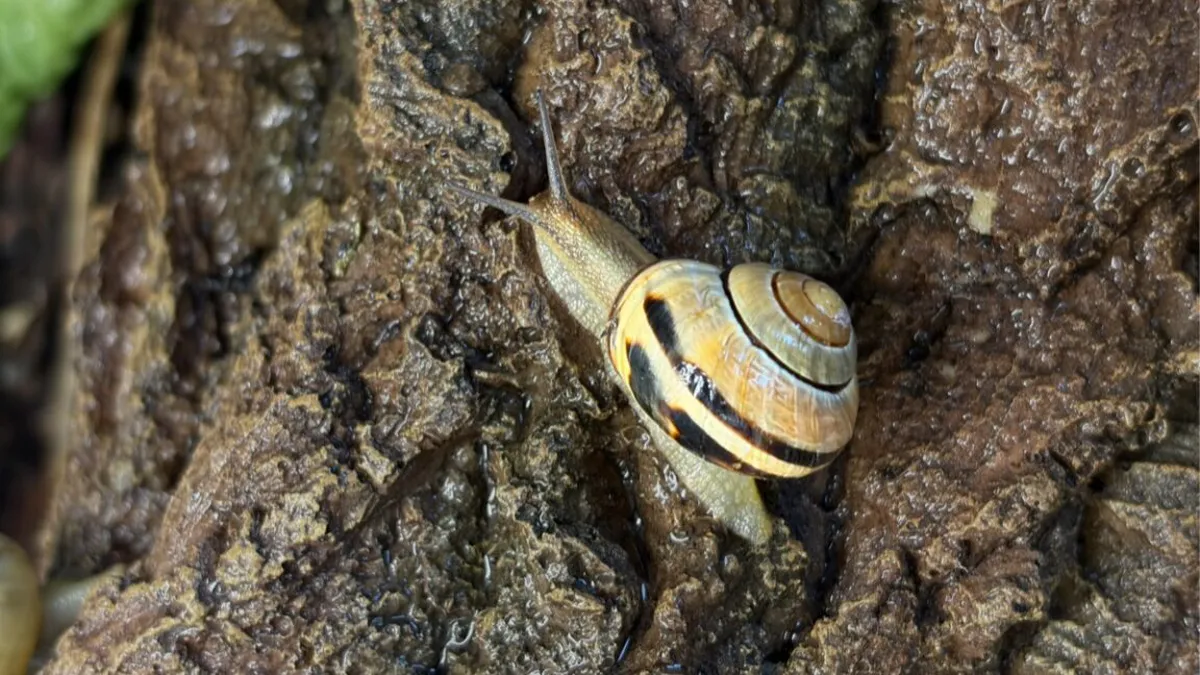
Snails, often overlooked in discussions about remarkable biological innovations, possess a unique ability to produce different types of mucus, each with specialized functions. Recent research from scientists at the Max Planck Institute has unveiled the intricate mechanisms behind this tunability, demonstrating how collagen and calcium combine to create mucus with varying mechanical properties. This fascinating exploration opens new doors not just for understanding the biology of these creatures but also for potential applications in medicine and skincare.
Understanding Snail Mucus: A Multifaceted Substance
At first glance, snail mucus might seem like a simple slime, but a closer inspection reveals its complex composition and potential applications. Primarily composed of water, snail mucus also contains mucins, which are glycoproteins that lend the slime its characteristic viscous texture. The versatility of snail mucus is increasingly recognized; it is not only a popular ingredient in various skincare products due to its anti-inflammatory and anti-aging properties but also holds promise in the realm of drug delivery.
In 2020, a groundbreaking study demonstrated that combining the slime from garden snails with gold nanoparticles could significantly enhance wound healing and exhibit anti-inflammatory effects in mice. This suggests that snail mucus could be utilized in innovative medical treatments, proving that nature often holds the keys to advanced biotechnological solutions.
The Research: Dissecting Mucus Types and Functions
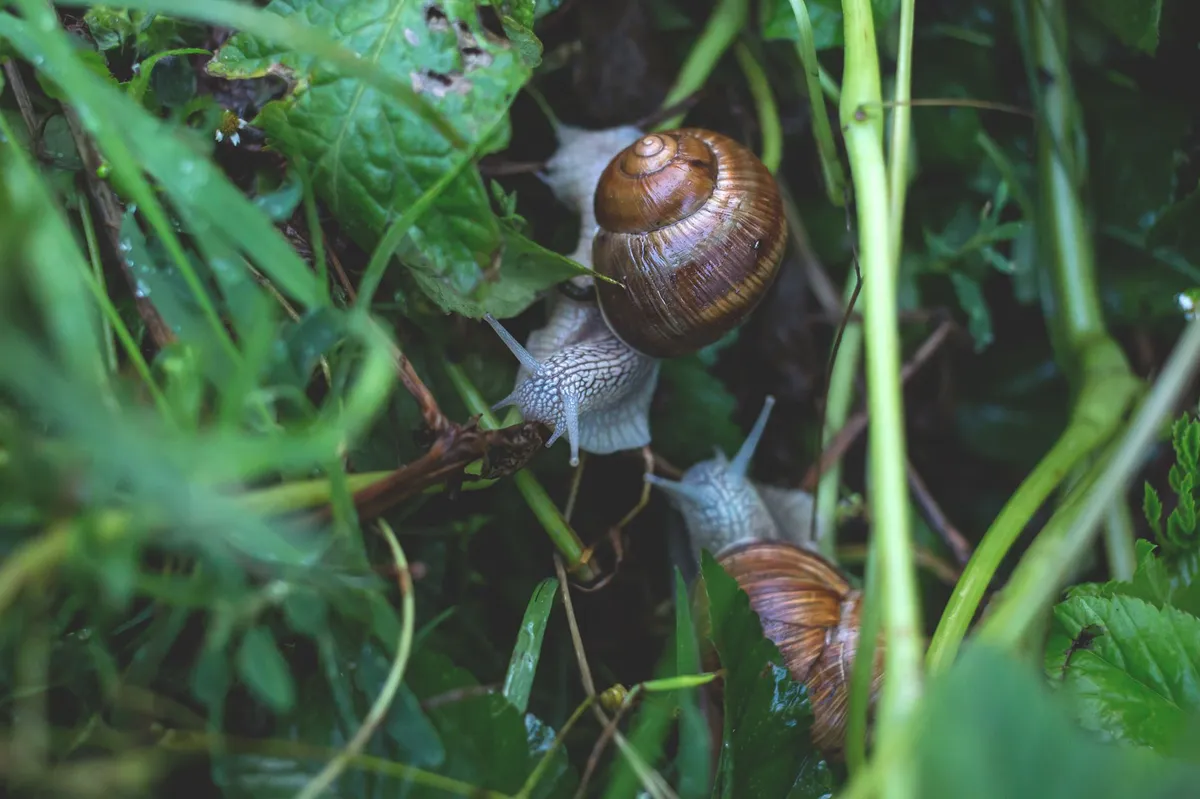
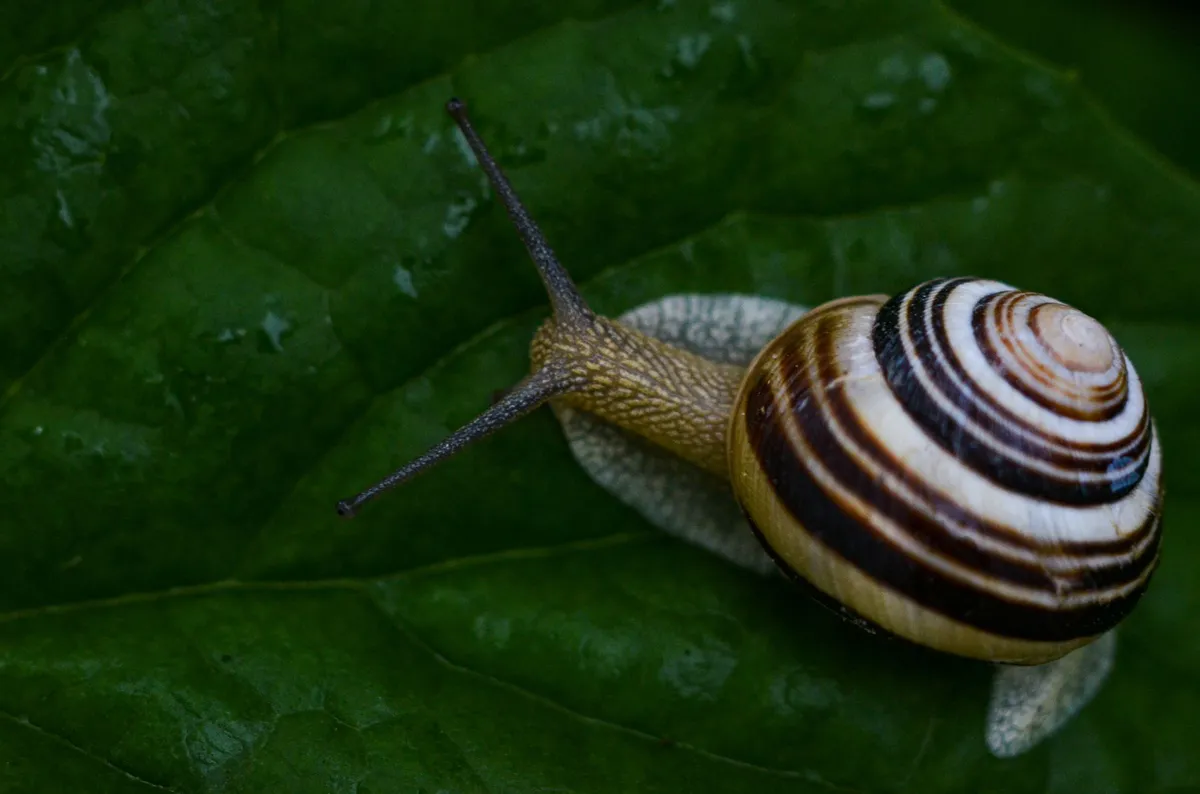
The recent study published in the journal Science focused on the grove snail, or lemon snail (Cepaea nemoralis), which has been identified as an ideal subject due to its ability to secrete five distinct types of mucus. This variety allows researchers to explore how different types of mucus serve unique purposes:
- Lubricating Mucus: Facilitates movement, enabling the snail to glide effortlessly across surfaces.
- Adhesive Mucus: Acts as a glue, allowing the snail to stick to various surfaces securely.
- Protective Epiphragm Mucus: Sealed during hibernation, this mucus contains calcite to protect the snail from environmental threats.
- Defensive Sticky Mucus: A yellow substance that resists breakage, providing a defense against predators.
- Bubbly Defensive Mucus: Believed to suffocate or wash away small predators threatening the snail.
Each of these mucus types plays a crucial role in the snail's survival, demonstrating the evolutionary pressures that have shaped their biology. The research team utilized techniques like proteomics, X-ray fluorescence, and liquid chromatography to analyze the five mucus types and determine their structural and functional differences.
The Role of Collagen and Calcium in Mucus Properties
One of the most significant findings from the study is the role of collagen IV and amorphous calcium carbonate (ACC) in determining the mechanical properties of snail mucus. Collagen IV serves as the primary structural component, while the varying concentrations of proteins and calcium influence the mucus's unique characteristics.
For instance, the two defensive mucus types produced the highest protein counts, suggesting that these proteins are pivotal in tuning the mucus's cross-linking and network density. This adaptive mechanism allows snails to produce mucus that can withstand different levels of environmental stress or predatory threats.
Moreover, calcium plays an active role in this process, being secreted alongside the mucus. It acts as both a source for cross-linking and a mineral precursor for reinforcing the mucus, contributing to its durability and versatility.
Applications in Medicine and Beyond
The implications of this research extend well beyond the biological curiosity of snail mucus. The findings highlight potential applications in several fields:
1. Skincare and Cosmetics: Snail mucus is already a sought-after ingredient in many cosmetic products. Its natural properties could lead to the development of innovative skincare treatments, particularly in anti-aging and wound healing formulations.2. Drug Delivery Systems: The unique properties of snail mucus may be harnessed to create advanced drug delivery systems that improve the efficacy and absorption of medications.
3. Biodegradable Materials: As the demand for sustainable materials increases, the properties of snail mucus could inspire the design of biodegradable alternatives for various applications.
4. Bioinspired Engineering: Understanding how snails engineer their mucus may inform the design of new materials with tailored properties for use in various engineering fields.
The ongoing exploration of snail mucus not only underscores the intricate relationship between biology and material science but also highlights the untapped potential lying within nature’s own innovations.
Key Takeaways
- Snail mucus consists of various types, each serving distinct functions in locomotion, adhesion, and defense.
- Collagen IV and calcium are crucial in determining the mechanical properties of snail mucus.
- Research indicates significant potential for snail mucus in medical applications, particularly in skincare and drug delivery.
- The study opens avenues for bioinspired engineering and sustainable materials.
Frequently Asked Questions
How do snails produce different types of mucus?
Snails can produce different types of mucus by varying the composition of proteins and the presence of calcium during secretion. These variations allow them to tailor the mucus for specific functions, such as locomotion, adhesion, or defense against predators. Each type of mucus has a unique structural makeup, influenced by its intended purpose.
What are the potential applications of snail mucus in skincare?
Snail mucus is rich in glycoproteins and other beneficial compounds, making it a popular ingredient in skincare products for its anti-inflammatory and anti-aging properties. Ongoing research suggests that it could also enhance wound healing and skin regeneration, leading to innovative formulations for treating various skin conditions.
Can snail mucus be used in drug delivery systems?
Yes, the unique properties of snail mucus, such as its ability to form gels and its biocompatibility, make it an excellent candidate for drug delivery systems. Researchers are exploring how to utilize snail mucus to improve the efficacy of medications, potentially leading to more effective treatment options.
What is the significance of the recent study on snail mucus?
The recent study conducted by German scientists is significant because it reveals the underlying mechanisms that allow snails to produce mucus with varying mechanical properties. Understanding these processes not only enhances our knowledge of snail biology but also opens up new possibilities for applications in medicine, cosmetics, and sustainable materials.
Comments
Volkswagen's Bold Move: A Pickup Truck for the American Market
Volkswagen aims to reclaim its foothold in the U.S. automotive market with plans to introduce a new pickup truck by 2030. This strategic pivot highlights the growing demand for versatile vehicles in America and VW's commitment to adapting to regional preferences.

Related articles


Popular in Guides
- Boomers Lead the Charge in Alcohol Abstinence: Insights from New Research
- Understanding the Physics of Silly Sprinklers and Feynman's Reverse Sprinkler Puzzle
- Mark Zuckerberg Acquires Strancally Castle: A Look at His New Irish Estate
- Last Chance to Score Discounts for TechCrunch Disrupt 2026
- The Coming Air-Conditioning Revolution in Europe: A Necessity or a Luxury?