Unraveling DOGE's Savings Claims: A Government Oversight Report
A recent report from the U.S. Government Accountability Office has discredited the Department of Government Efficiency's inflated savings claims, revealing a significant lack of verifiable data. This article explores the implications of this oversight and what it means for taxpayers.
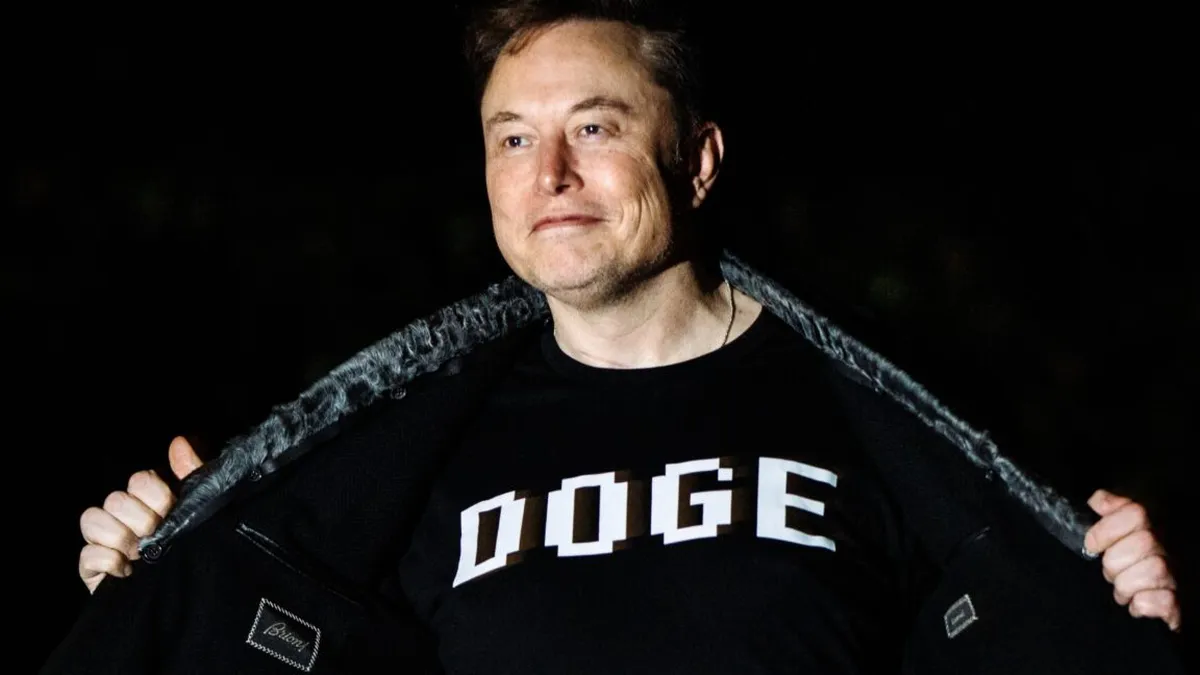
In a striking revelation, a report from the U.S. Government Accountability Office (GAO) has cast serious doubt on the savings claims made by the Department of Government Efficiency (DOGE), an initiative launched under the Trump administration and led by Elon Musk. The report, issued in August 2026, highlights that a staggering 96% of the savings DOGE reported—amounting to a colossal $49.2 billion—could not be verified. This comes at a time when public trust in government efficiency and accountability is at a critical juncture.
The GAO's analysis raises questions not just about the credibility of DOGE's reported savings but also about the broader implications for government operations and transparency. Given that DOGE was created with the intent to streamline government expenditure and cut waste, the findings could have repercussions for taxpayers and policymakers alike.
Understanding DOGE’s Overinflated Claims
The DOGE initiative was touted as a revolutionary approach to reducing government waste and inefficiency. With claims of saving taxpayers $215 billion through various means, including contract renegotiations and fraud elimination, the initiative positioned itself as a game-changer in federal spending. However, the GAO report reveals a different story.
What the GAO Found
The GAO's exhaustive review identified that DOGE’s so-called “Wall of Receipts,” which documented its claimed savings, lacked sufficient evidence to substantiate the reported figures. Specifically, the GAO noted that:
- 96% of reported savings from terminated grants—13,553 out of 15,887—were unverifiable.
- Only 27.5% of reported savings from contracts adhered to the methodology DOGE claimed to follow.
- Reported savings from leases were also exaggerated, with only $53.5 million actually realized out of the claimed $113 million.
This lack of verification raises significant concerns about the integrity of the DOGE initiative and its management of public funds.
The Context of DOGE's Creation
Established in early 2025, DOGE was part of a broader strategy by the Trump administration to revamp government operations. The initiative aimed to streamline processes and cut down on what was perceived as excessive government spending. Under Elon Musk's leadership, DOGE sought to implement changes rapidly, often operating with a high degree of secrecy.
The political climate during this period was tumultuous, with frequent calls for greater government accountability. As such, the DOGE initiative was positioned as a necessary reform. However, the GAO's findings suggest that the methods employed to achieve these savings may have overlooked critical processes and complexities inherent in federal contracting.
The Impact of Mismanaged Savings Claims
The implications of the GAO’s findings extend beyond just numbers. The lack of transparency and verifiable data raises serious questions about government accountability. When a government agency claims massive savings without substantiation, it undermines public trust. Taxpayers expect their government to manage funds responsibly, and inflated claims can lead to misguided policy decisions that affect essential services.
Consequences for Federal Agencies
The ramifications of DOGE's mismanagement could be felt across various federal agencies. As the GAO report pointed out, the approach taken by DOGE often resulted in more harm than good. Researchers noted that rather than cutting waste, DOGE's aggressive tactics led to the termination of critical roles and services, which could have long-lasting effects on federal operations.
In one particularly concerning instance, the report mentioned that there were over 25,000 instances where employees were abruptly fired only to be rehired shortly after. This disruption not only impacts workforce stability but also affects the morale of those who remain.

Recommendations for Future Improvements
The GAO made several recommendations to enhance accountability and prevent similar issues in the future:
- Ensure that data quality issues are prominently displayed in any future reports or initiatives.
- Establish a transparent methodology that can be consistently applied across all savings claims.
- Engage with external auditors to provide an unbiased review of claimed savings.
Implementing these recommendations could help restore some level of confidence in government efficiency initiatives. Transparency and accountability are paramount, and without them, any efforts to reduce waste may be viewed with skepticism.

Key Takeaways
- The GAO found 96% of DOGE's reported savings were unverifiable.
- DOGE's aggressive cost-cutting measures may have harmed essential government services.
- Future initiatives need greater transparency and accountability to regain public trust.
Frequently Asked Questions
What is the Department of Government Efficiency (DOGE)?
The Department of Government Efficiency (DOGE) was an initiative launched during the Trump administration aimed at reducing government waste and streamlining operations. Led by Elon Musk, DOGE claimed to have saved taxpayers billions through various cost-cutting measures. However, a recent GAO report has discredited many of these claims, highlighting a lack of verifiable evidence.
What did the GAO report reveal about DOGE’s savings claims?
The GAO report revealed that a staggering 96% of DOGE's reported savings from grant terminations could not be verified. The report also found that DOGE did not consistently follow its own stated methodologies for calculating savings, leading to inflated figures and a lack of transparency.
How does this impact taxpayers?
The implications of the GAO's findings are significant for taxpayers. Mismanaged savings claims can lead to misguided policies that affect essential services. Public trust in government efficiency initiatives is crucial, and inflated claims can undermine that trust, potentially leading to reduced funding for necessary programs.
What can be done to improve government accountability?
To improve accountability in government initiatives, it is essential to establish transparent methodologies for reporting savings, engage with external reviewers for unbiased assessments, and ensure that data quality issues are prominently disclosed. These steps can help restore public confidence in government efficiency efforts and ensure that taxpayer money is managed responsibly.
Comments
Volkswagen's Bold Move: A Pickup Truck for the American Market
Volkswagen aims to reclaim its foothold in the U.S. automotive market with plans to introduce a new pickup truck by 2030. This strategic pivot highlights the growing demand for versatile vehicles in America and VW's commitment to adapting to regional preferences.
Related articles

Popular in Guides
- Boomers Lead the Charge in Alcohol Abstinence: Insights from New Research
- Understanding the Physics of Silly Sprinklers and Feynman's Reverse Sprinkler Puzzle
- Mark Zuckerberg Acquires Strancally Castle: A Look at His New Irish Estate
- Last Chance to Score Discounts for TechCrunch Disrupt 2026
- The Coming Air-Conditioning Revolution in Europe: A Necessity or a Luxury?