Google Images Redesign: A New Era of Visual Discovery
Google Images undergoes a significant redesign, shifting its focus towards discovery and inspiration. With features reminiscent of Pinterest, this update aims to enhance user engagement and ad revenue while introducing AI-driven image generation capabilities.

In a bold move that positions it against Pinterest, Google has unveiled a major redesign of its image search platform, Google Images. This transformation is not merely cosmetic; it signals a strategic pivot towards enhancing user engagement through a more discovery-centric approach. As Google Images celebrates its 25th anniversary, this update aims to redefine how users interact with visual content online, making it easier to find inspiration and save ideas while keeping them within the Google ecosystem.
The new layout introduces a "For You" gallery, tailored to individual user interests and browsing history, enabling a continuous, Pinterest-like browsing experience. This shift is expected to increase the time users spend on Google platforms, ultimately boosting ad revenue and reducing the likelihood of users seeking alternatives for creative visualizations, such as third-party AI platforms like ChatGPT.
Understanding the Redesign: Features and Functionality
The redesigned Google Images is not just an aesthetic overhaul; it incorporates several innovative features designed to enhance user interaction. Users will now encounter a dynamic gallery that updates in real time, showcasing images relevant to their interests. This feature encourages users to engage with the platform more deeply, aligning with Google’s broader goal of increasing user retention.
Key Features of the New Google Images
- For You Gallery: A personalized selection of images based on user preferences and past searches.
- Continuous Browsing: Users can navigate through a stream of images seamlessly, mimicking the Pinterest experience.
- Collections: Users can save and categorize images into custom collections for easy access later, such as travel ideas or design inspirations.
- AI Image Generation: Users can create images directly within Google Search using text prompts, allowing for highly specific visualizations.

AI Image Generation: A Game Changer
One of the standout features of the redesign is the ability to generate images directly from user prompts. This functionality is powered by Google's latest AI model, named Nano Banana, which aims to transform text descriptions into custom visuals. This capability is particularly useful for users who have specific ideas that may not yet exist in the digital realm.
For instance, a user might envision a room painted in a vibrant red or a dorm room styled with a coastal theme. With this tool, users can visualize these concepts in real-time, adding a significant layer of utility to the image search experience. This not only fosters creativity but also positions Google Images as a versatile tool for both inspiration and creation.
The Market Context: Competing with Pinterest
For years, Pinterest has dominated the visual discovery landscape, enabling users to browse, save, and share images across diverse categories. Google’s redesign is a strategic attempt to capture some of that market share by transforming its image search functionality into a space where users not only search but also discover and engage with content.
This shift comes at a time when digital advertising is becoming increasingly competitive. By enhancing the user experience in Google Images, the tech giant is likely aiming to increase the amount of ad revenue generated through its image platform. The more time users spend browsing images, the more ads they are exposed to, creating a lucrative opportunity for Google.

Implications for Users and Advertisers
The redesign of Google Images carries significant implications for both users and advertisers. For users, the enhanced focus on discovery means a more engaging and personalized experience. The ability to create collections allows users to curate their interests, making it easier to return to inspirational content later.
From an advertiser's perspective, the changes could lead to increased visibility and engagement with ads placed within the image search results. As users spend more time on the platform and engage with content, advertisers may find new opportunities to connect with potential customers through targeted advertisements based on user interests and behaviors.
Looking Ahead: What’s Next for Google Images?
As Google rolls out this redesign, it will be crucial to monitor how users respond to these changes. The integration of AI-driven features promises to enhance the functionality and appeal of Google Images, but user adoption and satisfaction will ultimately determine the success of this initiative.
Additionally, as competitors like Pinterest continue to innovate, Google will need to remain agile, adapting its offerings to meet the evolving demands of users. The landscape of visual discovery is changing rapidly, and with these new features, Google Images is positioning itself as a formidable player in the market.
Key Takeaways
- The redesign of Google Images emphasizes discovery and personalization, similar to Pinterest.
- New features include a personalized "For You" gallery and AI image generation capabilities.
- The changes aim to increase user engagement and ad revenue for Google.
- Advertisers may benefit from increased visibility and targeted ad opportunities.
Frequently Asked Questions
What are the main features of the new Google Images design?
The redesigned Google Images introduces a "For You" gallery tailored to users' interests, a continuous browsing experience, and the ability to create collections of saved images. Additionally, users can generate images directly from text prompts using Google's AI technology, enhancing the platform's utility as a creative tool.
How does the AI image generation feature work?
The AI image generation feature utilizes Google's Nano Banana model to transform user-provided text prompts into custom visuals. This allows users to visualize specific concepts or ideas that may not currently exist in image form, making it a valuable tool for creative projects and inspiration.
Why is Google competing with Pinterest?
Google's redesign of Images is a strategic move to compete with Pinterest, which has long been the leader in visual discovery. By enhancing user engagement on its platform, Google aims to increase the time users spend browsing images, thereby boosting ad revenue and reducing reliance on third-party services for image creation.
What implications does the redesign have for advertisers?
The redesign presents new opportunities for advertisers by increasing user engagement with images. As users spend more time on Google Images and interact with personalized content, advertisers can benefit from enhanced visibility and targeted advertising based on user behavior and interests.
Comments
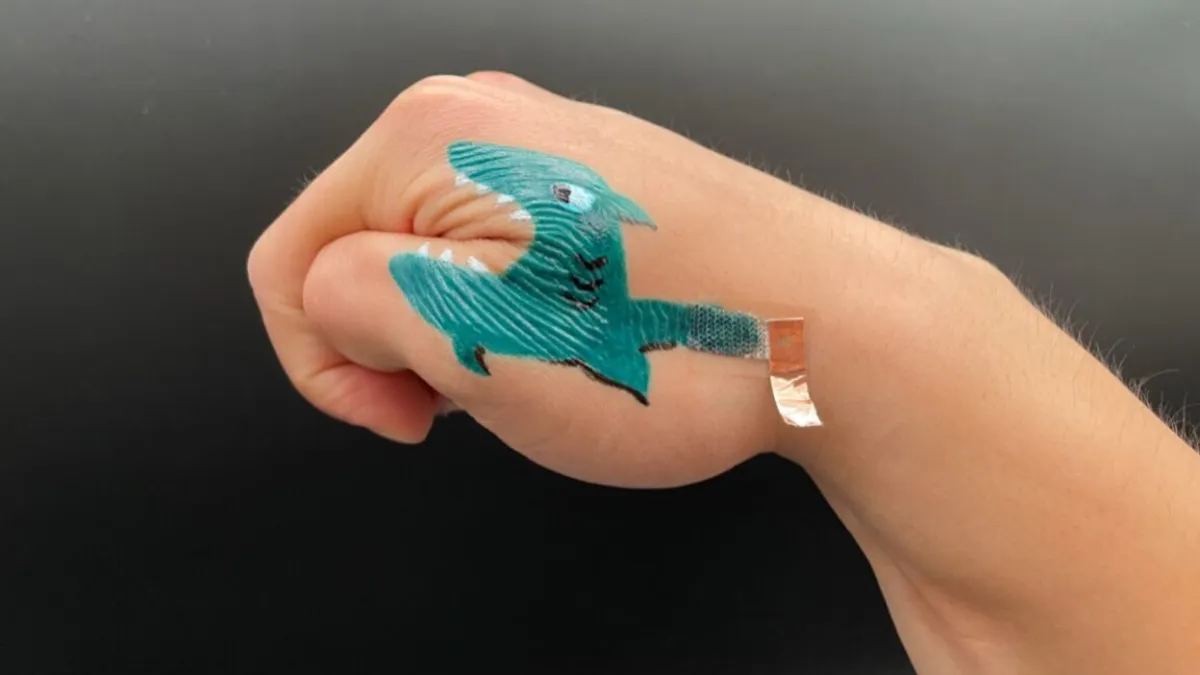
Revolutionizing Wearable Tech: The Future of E-Tattoos with Conductive Ink
Penn State researchers have developed innovative conductive e-tattoos that promise to enhance biosensing capabilities. These colorful designs could change the landscape of wearable health technology.
Related articles


Popular in Developer Tools
- Why Greylock Partners Caps Fund Size in a Growing Industry
- Roblox Unleashes AI-Powered Game Creation for Mobile Users
- DeepSeek Launches Open Source Alternative to Claude Code, Ups API Pricing
- Cursor Launches Origin: A New Challenger to GitHub's Dominance
- Apple's Camera-Equipped AirPods: Innovation or Invasion?