OpenAI's Innovative Leap into Hardware: A Moving, Screenless AI Companion
OpenAI is developing its first hardware device, a mobile smart speaker without a screen, designed to act as a personalized AI companion. Amid legal challenges and competitive pressures, this device aims to redefine consumer AI interactions in the home.

In a noteworthy shift from its core software offerings, OpenAI is venturing into the hardware space with an innovative device designed to seamlessly integrate artificial intelligence into our daily lives. As reported by Bloomberg, this upcoming product is a mobile smart speaker devoid of any screens. It is being conceptualized as a ‘humanlike AI companion’ that aspires to transform how we engage with technology in our homes. This development marks a significant pivot for OpenAI, known primarily for its software solutions like ChatGPT, and illustrates the increasing consumer interest in AI hardware.
Set against a backdrop of fierce competition and legal disputes, OpenAI's new device aims to provide users with a personalized experience by learning from their interactions and preferences over time. The speaker’s design, described as having a distinct ‘personality,’ suggests a move towards creating a more intimate and human-like interaction with technology, a goal that could redefine the landscape of smart home devices.
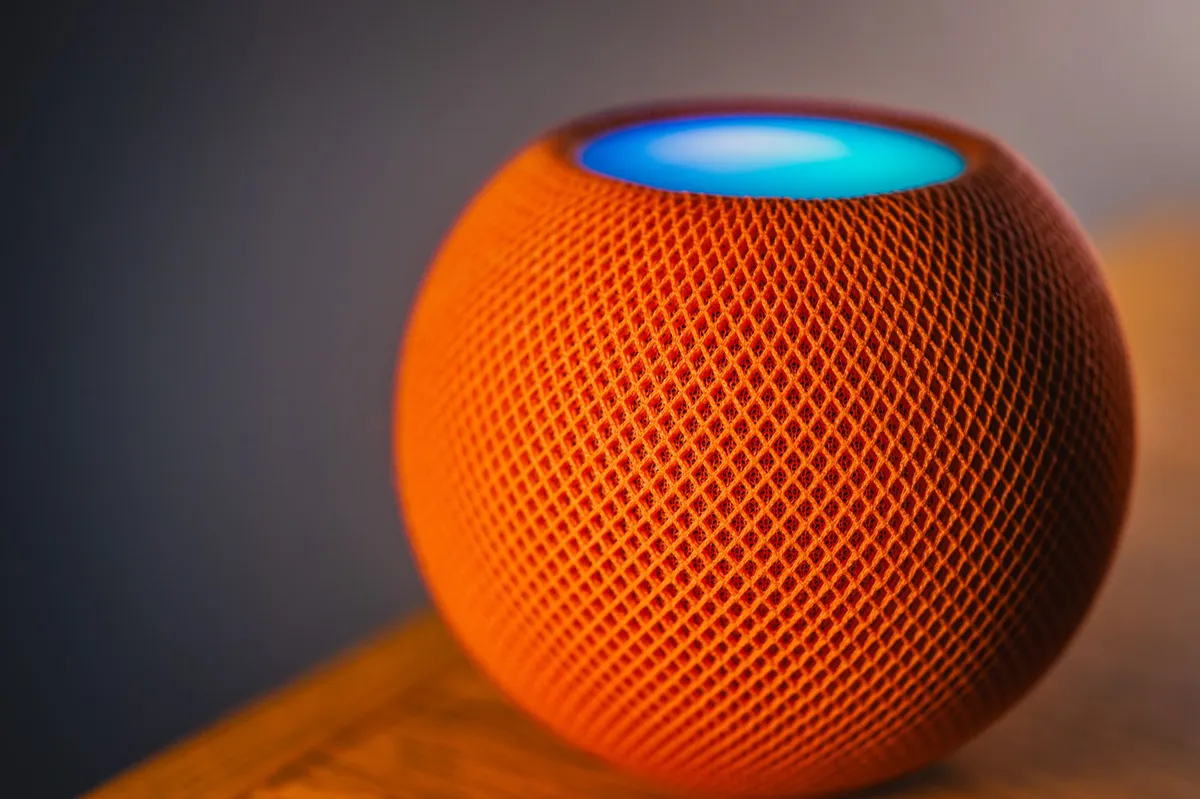
What We Know About OpenAI's Device
Current reports indicate that the smart speaker is still under development, with a focus on making it a versatile tool that can connect with various aspects of a user's digital life. The device is expected to:
- Integrate seamlessly with ChatGPT, allowing users to communicate with the AI in a natural and conversational manner.
- Access personal data such as emails and calendar events to provide tailored recommendations and assistance.
- Feature mechanical elements that enable it to move autonomously, enhancing the user experience by mimicking human-like responses.
This innovative approach goes beyond the capabilities of existing smart speakers, which predominantly focus on voice commands and static interactions. OpenAI envisions a device that not only reacts to commands but proactively engages with users, offering suggestions and assistance based on learned behaviors and preferences.

The Competitive Landscape
OpenAI’s foray into hardware comes at a time when the market for consumer AI devices is becoming increasingly crowded. Major players like Apple and Google have laid down substantial groundwork in this arena, and OpenAI's entrance poses both challenges and opportunities. The company has previously entertained rumors of launching its own phone, which would directly compete with established smartphone manufacturers. However, the current focus appears to be on developing a unique AI-driven speaker that differentiates itself from existing offerings.
In a broader context, the rise of AI hardware is being fueled by significant investments in the space. For instance, Hark, an AI lab, raised $700 million to develop proprietary AI models paired with custom hardware. This influx of capital into AI hardware development signals a robust market potential, as companies seek to create products that serve as universal interfaces between humans and machines.
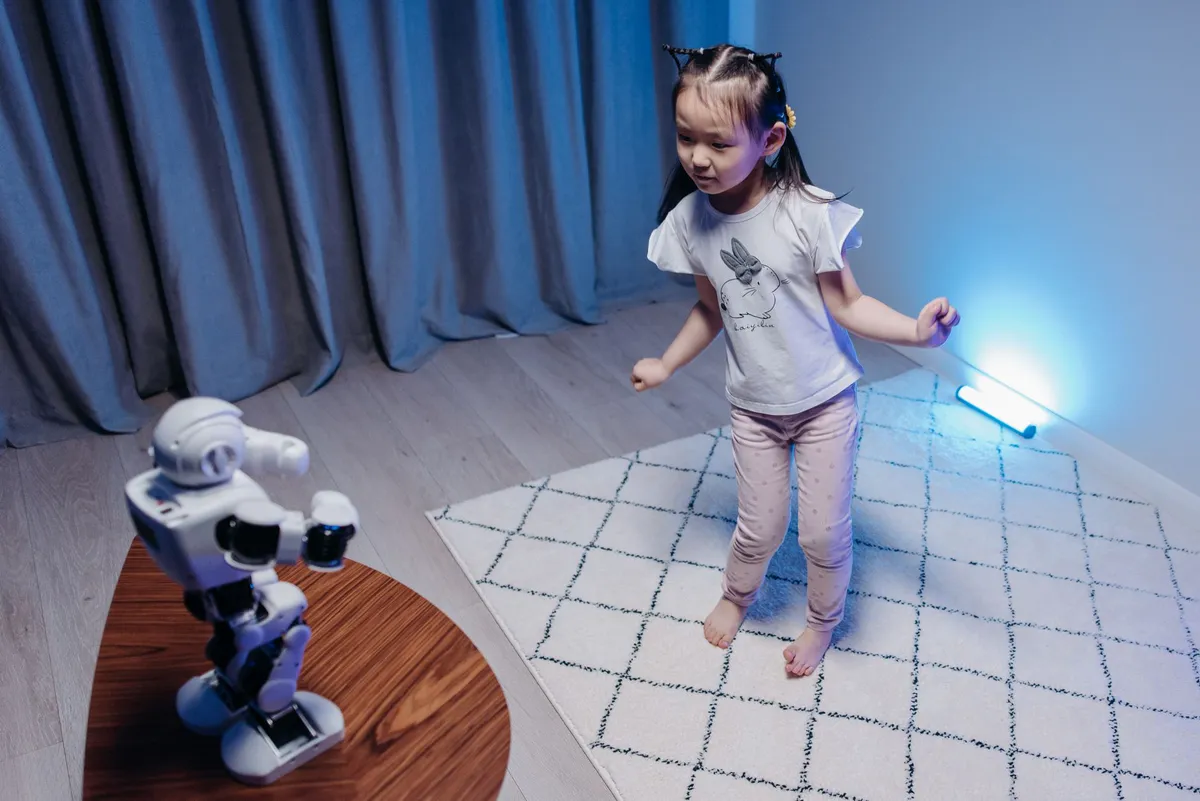
Legal Challenges Facing OpenAI
Despite the excitement surrounding its hardware ambitions, OpenAI is currently embroiled in legal troubles stemming from a lawsuit filed by Apple. The tech giant has accused OpenAI of stealing trade secrets, claiming that the allegations are just the beginning of a deeper inquiry into potential misconduct. OpenAI has denied any wrongdoing and asserts that its new device does not infringe on Apple's intellectual property.
This legal battle could have significant implications for OpenAI's hardware plans. As the company navigates through these challenges, it will need to ensure that its developments are not only innovative but also compliant with existing laws and regulations. The outcome of this lawsuit could either pave the way for OpenAI’s successful entry into the hardware market or impede its progress.
The Future of AI Companionship
The concept of a screenless smart speaker that acts as a personal AI companion is not just a technological advancement; it reflects a shift in how we perceive and interact with AI. As consumers increasingly demand more personalized and engaging experiences, devices like OpenAI's speaker could become a staple in homes, offering companionship alongside functional utility.
As OpenAI pushes the boundaries of what’s possible with AI, it raises questions about the ethical and social implications of having intelligent companions in our lives. The integration of AI into everyday objects is set to challenge traditional norms and possibly redefine human relationships with technology.

Key Takeaways
- OpenAI is developing its first hardware device: A mobile smart speaker without a screen, designed to be a personalized AI companion.
- Unique features: The device will access personal data, learn user preferences, and incorporate mechanical elements for movement.
- Competitive market: OpenAI’s entry into hardware comes amidst growing interest and investment in consumer AI technology.
- Legal hurdles: OpenAI faces a lawsuit from Apple over alleged trade secret theft, which could impact its hardware ambitions.
- Future implications: The device aims to redefine human-AI interactions, raising ethical considerations about companionship and reliance on technology.
Frequently Asked Questions
What is the main purpose of OpenAI's new device?
The primary aim of OpenAI's new device is to serve as a mobile smart speaker that acts as a personalized AI companion. By integrating with ChatGPT and learning from user interactions, it seeks to offer tailored assistance, enhancing the way users engage with technology in their daily lives.
How does this device differ from existing smart speakers?
Unlike traditional smart speakers, which primarily respond to voice commands, OpenAI's device is designed to have a personality and the capacity to learn and adapt over time. It will proactively offer suggestions and support based on the user’s digital life, creating a more interactive and human-like experience.
What are the potential legal implications for OpenAI?
OpenAI is currently facing a lawsuit from Apple, which alleges the company has engaged in trade secret theft. The outcome of this lawsuit could significantly influence OpenAI's hardware strategy, potentially delaying product launches or necessitating changes in the device’s design to avoid infringing on Apple’s intellectual property.
What are the broader trends in AI hardware development?
The market for AI hardware is rapidly expanding, driven by significant investments and consumer interest in personalized technology. Companies are increasingly looking to create devices that act as interfaces between humans and machines, which could lead to a new wave of innovative products aimed at enhancing everyday life through AI integration.
Comments
Revolutionizing Wearable Tech: The Future of E-Tattoos with Conductive Ink
Penn State researchers have developed innovative conductive e-tattoos that promise to enhance biosensing capabilities. These colorful designs could change the landscape of wearable health technology.

Related articles



Popular in Developer Tools
- Why Greylock Partners Caps Fund Size in a Growing Industry
- Roblox Unleashes AI-Powered Game Creation for Mobile Users
- DeepSeek Launches Open Source Alternative to Claude Code, Ups API Pricing
- Cursor Launches Origin: A New Challenger to GitHub's Dominance
- Apple's Camera-Equipped AirPods: Innovation or Invasion?