Canva Code 2.0: Revolutionizing Website Creation with AI for Everyone
Canva has unveiled Code 2.0, an innovative AI-driven tool that democratizes website building for all users, including those on free accounts. This feature redefines how non-developers create and customize interactive digital experiences.
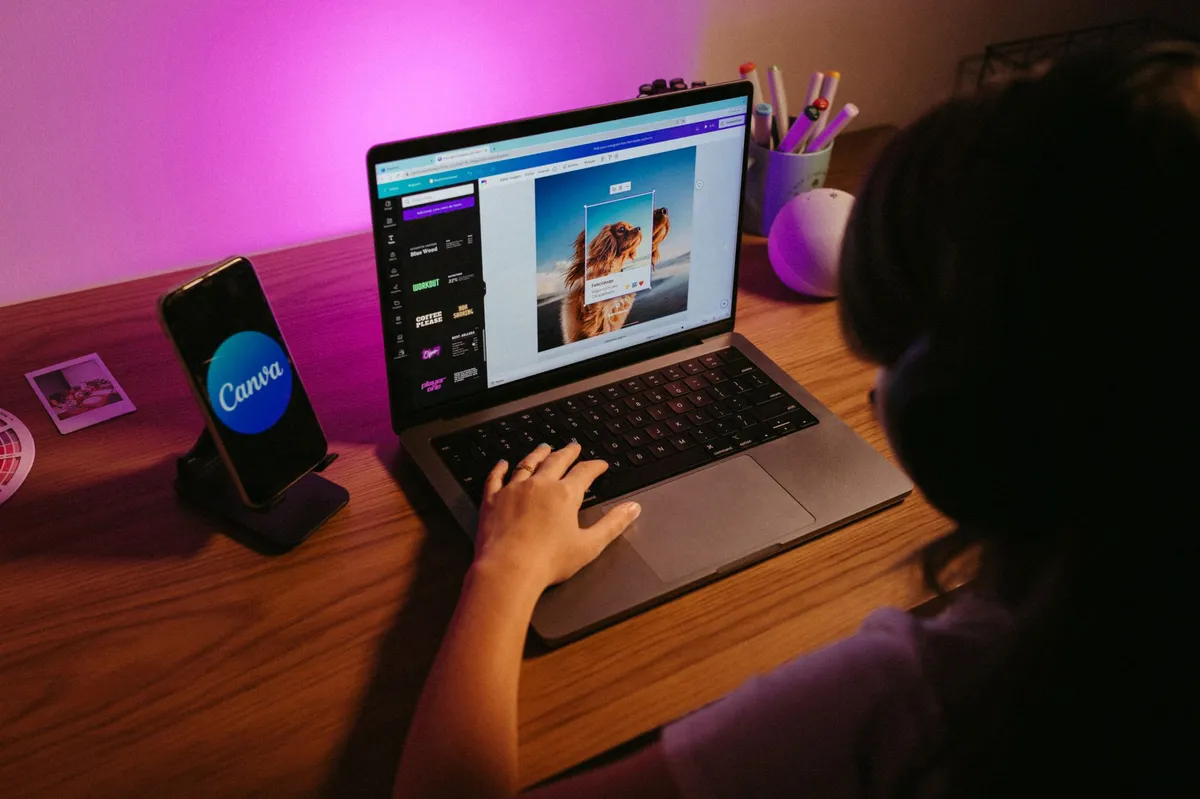
In a significant leap towards democratizing technology, Canva has launched Code 2.0, an advanced version of its AI-powered coding tool designed to enable users to create dynamic websites and applications using simple, plain-language prompts. This new feature is available to Canva's expansive user base of over 265 million monthly users, and importantly, it includes those on free accounts. This strategic move positions Canva at the forefront of the burgeoning "vibe coding" market, an arena that has gained traction over the last 18 months, giving rise to several billion-dollar startups and altering how non-technical users perceive software development.
Unlike competitors such as Replit and Lovable that emphasize functional output generation, Canva's approach tackles a more pressing issue: the aesthetics of the final product. According to Danny Wu, Canva's Head of AI Products, the challenge isn't merely about generating code but ensuring that the output aligns with user expectations in terms of design and usability. This article delves into the features of Canva Code 2.0, its competitive landscape, and the implications for businesses and individual users alike.

What’s New in Canva Code 2.0?
The upgraded Canva Code 2.0 introduces a suite of features tailored to enhance the user experience when creating interactive content. The tool offers:
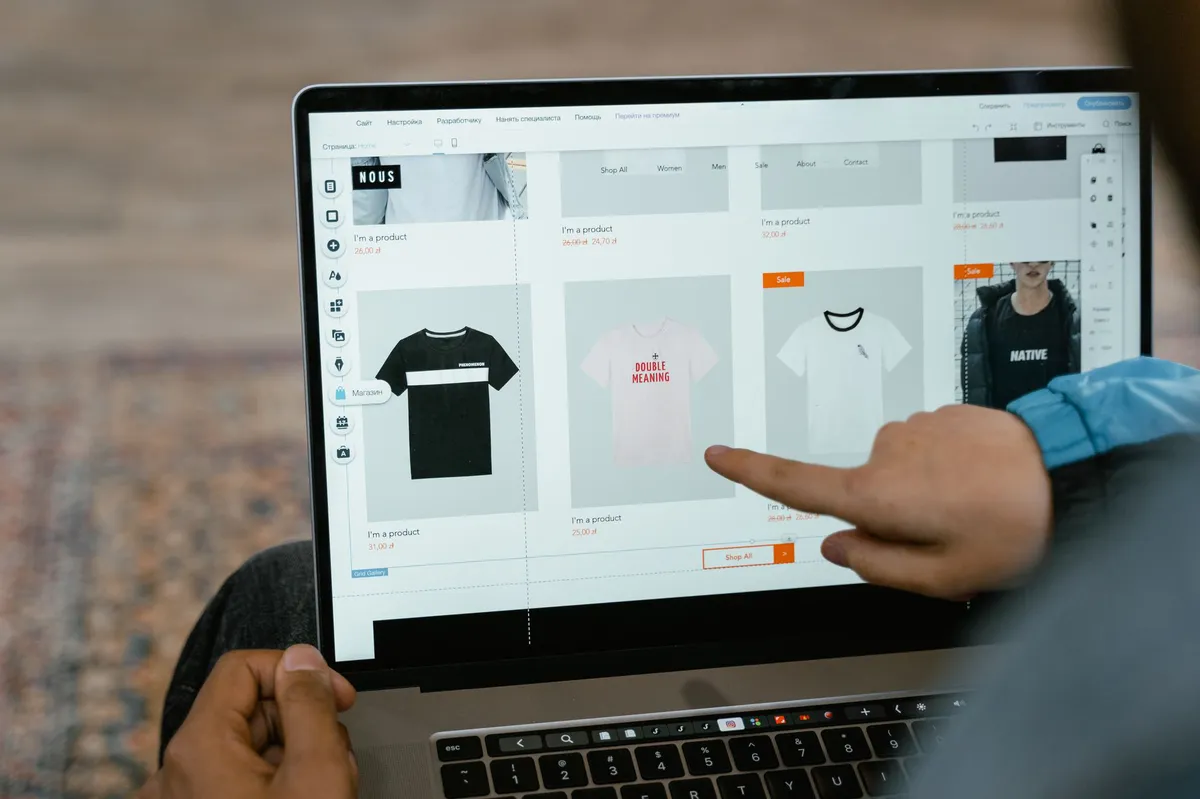
- Drag-and-drop Editing: Users can directly manipulate design elements, making real-time edits as they would in a standard Canva project.
- HTML Import: The ability to import raw HTML from other sources allows users to convert code into editable Canva projects seamlessly.
- Faster Code Generation: Canva claims to have reduced average code generation time by an impressive 75%, streamlining the path from concept to publication.
- Interactive Elements: Users can embed interactive features within presentations or web pages, enhancing engagement.
These enhancements not only simplify the coding process but also integrate it within the broader Canva ecosystem, encouraging users to leverage the platform for diverse projects beyond traditional graphic design.
The Rise of Vibe Coding
The concept of vibe coding has swiftly emerged as a significant trend in the tech space, with the market projected to grow from an estimated $4.7 billion in 2026 to $12.3 billion by 2027, reflecting a compound annual growth rate of approximately 38%. A recent report by Luminix AI highlights that AI-generated code now comprises around 41% of all written code globally, showcasing the rapid evolution of this technology.
As more businesses and individuals seek to create customized digital experiences without extensive programming knowledge, Canva's entry into this market is timely. The competitive landscape is intensifying, with startups like Lovable achieving around $400 million in annual recurring revenue and Replit tripling its valuation to $9 billion. Canva's unique advantage lies in its existing ecosystem, which already houses a vast array of visual assets and a collaborative platform that can enhance the coding experience.

Competing with Established Players
Canva Code 2.0 does not directly compete with developer-centric tools but seeks to fill a gap left by existing platforms. According to Wu, the tool is designed for non-technical users who want to incorporate interactive and customizable elements into their designs. This focus on accessibility and ease of use positions Canva as a complementary tool rather than a replacement for the more complex coding environments provided by Lovable and Replit.
As the market continues to grow, Canva's strategy of integrating its coding capabilities with its design platform could attract users looking for a holistic solution to their digital content needs. The tool's capacity to enhance existing design projects—such as adding interactivity to sales presentations or educational materials—demonstrates its potential to redefine the traditional boundaries of design and coding.
The Value of HTML Importation
One of the standout features of Canva Code 2.0 is its HTML import capability, which allows users to bring in code generated by other AI tools and refine it within Canva's user-friendly interface. This functionality positions Canva as a potential "finishing layer" for various coding outputs, enhancing their visual appeal and usability.
This strategic positioning could lead to Canva becoming a go-to platform for users wanting to polish AI-generated code, regardless of the source. Wu emphasizes that this integration is part of Canva's broader mission to make design more accessible and compatible with existing workflows, a move that could draw users deeper into the Canva ecosystem without necessitating a complete overhaul of their current processes.

Limitations and Target Audience
While Canva Code 2.0 is a powerful tool for creating interactive front-end applications, Wu candidly acknowledged its limitations. The platform is not designed for complex backend development or heavy traffic scenarios, which could deter some users looking for a comprehensive coding solution. Instead, Canva Code is tailored for small to medium-scale projects, such as event pages, property listings, and educational hubs.
This focus aligns well with Canva's primary user base—teachers, small business owners, and marketing teams—who prioritize ease of use and visual impact over complex functionalities. As these users seek to create engaging digital experiences without extensive programming knowledge, Canva Code 2.0 offers a valuable solution that meets their specific needs.
Key Takeaways
- Canva Code 2.0 democratizes website creation for all users, including those on free accounts.
- The platform enhances user experience with drag-and-drop editing and HTML import capabilities.
- Canva is positioning itself as a finishing layer for AI-generated code, enhancing visual appeal and usability.
- The vibe coding market is rapidly growing, with significant revenue potential and user adoption.
- Canva targets non-technical users, making it ideal for small to medium-scale projects.
Frequently Asked Questions
What is the primary purpose of Canva Code 2.0?
Canva Code 2.0 is designed to enable non-technical users to create interactive websites and applications using simple prompts. The platform focuses on making the coding process as intuitive as possible, allowing users to edit and customize outputs easily.
How does Canva Code 2.0 differ from other coding tools?
Unlike many coding platforms that prioritize functional output, Canva Code 2.0 emphasizes the aesthetic and usability aspects of the final product. It integrates coding capabilities with Canva's existing design tools, making it more accessible for users who may not have a technical background.
Can Canva Code 2.0 handle large-scale projects?
While Canva Code 2.0 is robust for small to medium-sized projects, it is not designed for complex backend development or high-traffic applications. Users with such needs might find more capable platforms in Lovable or Replit, which focus on full-stack development.
Is Canva Code 2.0 free to use?
Yes, Canva Code 2.0 is available to all users, including those on free accounts. This accessibility is part of Canva's initiative to democratize technology and empower users to create without the need for extensive technical knowledge.
Comments
Revolutionizing Wearable Tech: The Future of E-Tattoos with Conductive Ink
Penn State researchers have developed innovative conductive e-tattoos that promise to enhance biosensing capabilities. These colorful designs could change the landscape of wearable health technology.

Related articles



Popular in Developer Tools
- Why Greylock Partners Caps Fund Size in a Growing Industry
- Roblox Unleashes AI-Powered Game Creation for Mobile Users
- DeepSeek Launches Open Source Alternative to Claude Code, Ups API Pricing
- Cursor Launches Origin: A New Challenger to GitHub's Dominance
- Apple's Camera-Equipped AirPods: Innovation or Invasion?