Understanding Chaos Ransomware: The Role of MsaRAT and Securing Against AI-Driven Threats
Chaos ransomware is leveraging msaRAT to enhance its capabilities. This article explores the implications of this technology and provides actionable steps for organizations to bolster their cybersecurity.
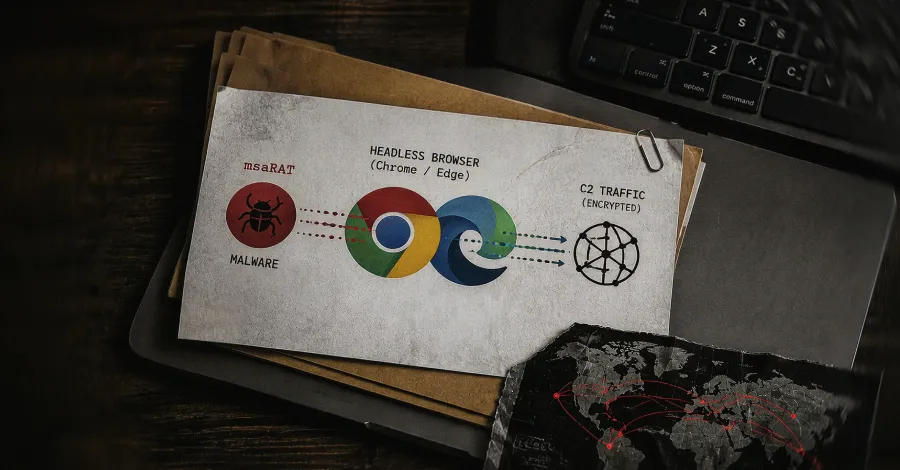
The rise of ransomware has transformed the cybersecurity landscape, with new threats emerging and evolving at an alarming pace. Recently, Chaos ransomware has adopted an innovative approach to evade detection and enhance its operational capabilities by employing msaRAT (Microsoft Remote Access Tool). This method allows the malware to route its command and control (C2) traffic through headless browsers like Chrome and Edge, complicating the detection process for cybersecurity professionals. In this article, we will delve into the mechanics of Chaos ransomware's latest tactics, the implications for organizations, and actionable steps you can take to secure your systems against such sophisticated threats.
Understanding Chaos Ransomware and MsaRAT
Chaos ransomware is a notable player in the cybercrime ecosystem, often targeting businesses for financial gain. The sophistication of its tactics has increased significantly, and the integration of msaRAT marks a new chapter in its operational strategy. MsaRAT is a legitimate tool that, when exploited by cybercriminals, allows for unauthorized remote access to systems. By routing C2 traffic through headless browsers, attackers can mask their communications, making it challenging for traditional security measures to detect and thwart their actions.

The Mechanics of MsaRAT in Ransomware Attacks
Utilizing msaRAT, Chaos ransomware can execute command and control functions without raising red flags. The headless browser operates in the background, enabling attackers to execute scripts and manage compromised systems from afar. This method not only conceals the true nature of the traffic but also allows for rapid adaptations in response to defensive measures by cybersecurity teams.
The Implications of AI in Cybersecurity
Artificial intelligence (AI) is increasingly being integrated into the cybersecurity landscape, both as a tool for defenders and as a weapon for attackers. The duality of AI presents unique challenges; while it allows organizations to bolster their defenses, it also enables cybercriminals to exploit vulnerabilities more efficiently.
How AI is Transforming Cyber Threats
- Automated Vulnerability Discovery: AI models can quickly identify software vulnerabilities, which attackers can then exploit.
- Enhanced Malware Development: AI is being used to create more sophisticated malware that can adapt to evade detection.
- Targeted Phishing Attacks: AI can analyze data to craft personalized phishing attacks that are more likely to succeed.
- Improved Evasion Techniques: AI allows attackers to develop methods that can bypass traditional security measures.
Five Steps to Secure Against Software Vulnerabilities
Given the evolving threat landscape, organizations must adopt proactive measures to safeguard their systems. Here are five essential steps to secure your organization against vulnerabilities that could be exploited by AI-driven threats:
1. Implement Robust Security Policies
Create comprehensive security policies that define acceptable use, incident response, and remote access guidelines. Ensure that all employees are trained in these policies and understand the importance of adhering to them.
2. Regularly Update Software
Frequent updates and patch management are crucial in addressing known vulnerabilities. Ensure that all software, including operating systems and applications, are updated to the latest versions to mitigate risks.
3. Employ Advanced Threat Detection Solutions
Consider investing in AI-driven security solutions that can detect anomalies and potential threats in real-time. These tools can provide insights into unusual behavior that may indicate a breach.
4. Conduct Regular Security Audits
Perform routine security assessments and penetration testing to identify vulnerabilities within your infrastructure. Use the findings to strengthen your defenses and rectify any weaknesses.
5. Foster a Culture of Cyber Awareness
Encourage a culture of cybersecurity awareness among employees, emphasizing the importance of vigilance and proper reporting of suspicious activities. Regular training sessions can empower staff to recognize and respond to potential threats.

Why It Matters: The Broader Context
The implications of ransomware attacks, particularly those employing advanced tactics like msaRAT, extend beyond individual companies. They can disrupt entire industries, lead to significant financial losses, and erode customer trust. As cybercriminals continue to evolve their methodologies, the need for organizations to remain vigilant and adaptable grows stronger.
Key Takeaways
- Chaos ransomware utilizes msaRAT to enhance its capabilities and evade detection.
- AI plays a dual role in cybersecurity, aiding both defenders and attackers.
- Organizations must adopt proactive security measures to mitigate risks associated with AI-driven threats.
- Regular training and awareness can empower employees to recognize and report suspicious activities.
- Investing in advanced security solutions is crucial for real-time threat detection.
Frequently Asked Questions
What is Chaos ransomware?
Chaos ransomware is a type of malicious software designed to encrypt files on a victim's system, rendering them inaccessible until a ransom is paid. It has evolved to use sophisticated methods, such as the integration of msaRAT, to enhance its attack vector and evade traditional security measures.
How does msaRAT contribute to ransomware attacks?
MsaRAT allows attackers to establish remote control over compromised systems without raising alarms. By routing command and control traffic through headless browsers, the ransomware can execute commands discreetly, complicating detection and response efforts from security teams.
What can organizations do to protect against AI-driven threats?
Organizations should implement robust security policies, regularly update software, employ advanced threat detection solutions, conduct security audits, and foster a culture of cybersecurity awareness among employees. These steps collectively enhance the organization's resilience against evolving cyber threats.
Why is employee training important in cybersecurity?
Employee training is critical because human error is often the weakest link in cybersecurity. By educating employees about potential threats, phishing tactics, and proper reporting procedures, organizations can significantly reduce the risk of successful cyberattacks.
Comments
Bridging the Agent Security Gap: AI Incidents on the Rise
A significant number of enterprises are facing security incidents involving AI agents. Despite this, many organizations lack the necessary controls to mitigate these risks, raising serious concerns about the future of AI security.

Related articles






Popular in Cybersecurity
- Federal Mandate for Autonomous Vehicles: A Call for Safety Compliance
- EU Mandates Google to Share Data and Open AI on Android: What It Means
- GitHub Revamps Bug Bounty Program: Implications for Developers and Security
- Australian Government Disables Thousands of Functional Broadband Routers: A Wasteful Decision
- Exploiting Redis: Understanding Zero-Day Vulnerabilities and Their Mitigation