Google Faces $1 Billion Fine Under EU's Digital Markets Act: What It Means
Google's recent $1 billion fine from the EU highlights ongoing tensions in tech regulation. This article explores the implications for the company, the regulatory landscape, and the potential U.S. response under the Trump administration.
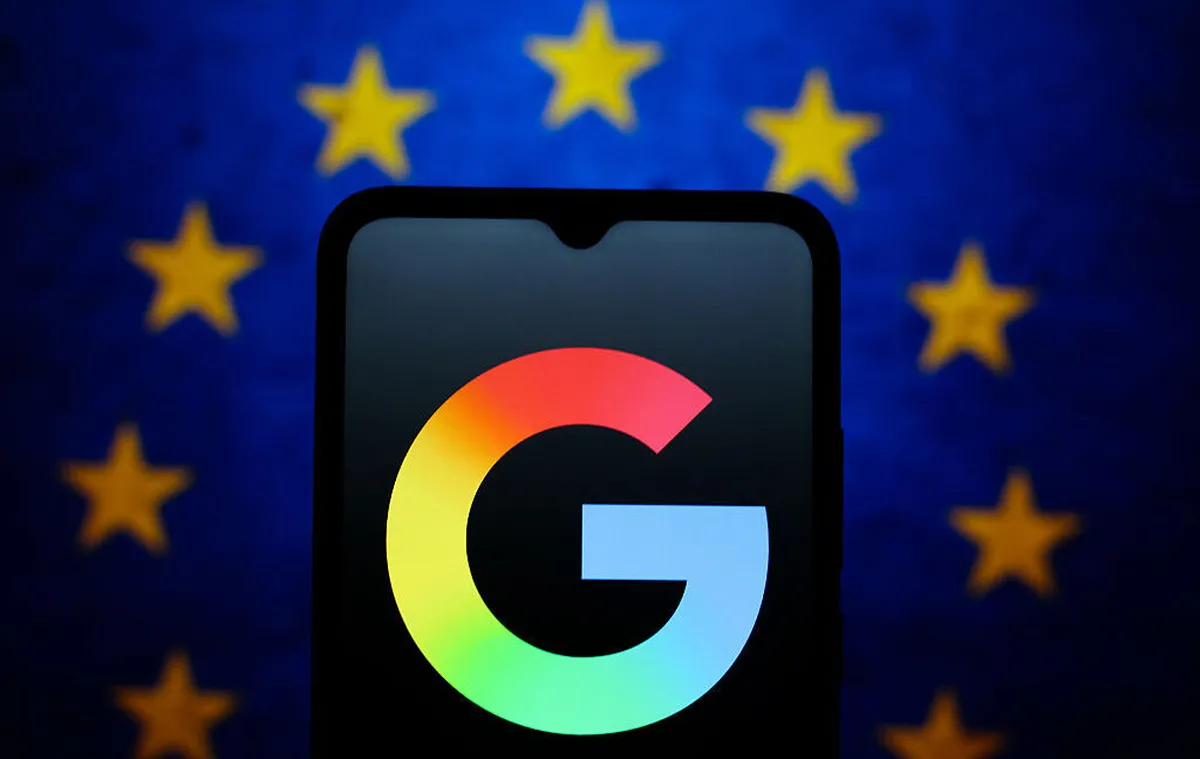
In a significant escalation of regulatory scrutiny, Google has been ordered to pay over $1 billion in fines by the European Commission (EC) under the newly enacted Digital Markets Act (DMA). This decision marks a pivotal moment in the ongoing struggle between technology giants and regulatory bodies, as the EU positions itself as a leader in digital market fairness. As Google grapples with the implications of this ruling, the potential for U.S. political intervention adds another layer of complexity to the situation.
The fines stem from two key violations identified by the EC: Google’s practice of self-preferencing its own services in search results and imposing anti-steering practices on app developers. Specifically, the EC outlined that Google’s actions significantly hindered competition, prompting the need for stringent penalties to ensure compliance and equitable treatment of third-party services. With a 60-day window to implement necessary changes, Google faces the dual pressure of adapting its business practices while navigating potential backlash from the U.S. government under the Trump administration.
Understanding the Digital Markets Act and Its Implications
The DMA is a landmark piece of legislation aimed at curbing anti-competitive practices among major tech companies, often referred to as “gatekeepers.” The act targets practices that restrict competition and consumer choice, which have become increasingly prevalent as digital platforms consolidate power. The DMA takes a proactive stance against self-preferencing, which occurs when platforms favor their own products over those of competitors in ways that distort market dynamics.
Key Violations and Fines Imposed
- Self-Preferencing: Google was fined $522 million for prioritizing its own services in search results, undermining the visibility of competitor offerings.
- Anti-Steering Practices: An additional fine of $488 million was levied due to restrictions on app developers, which effectively barred them from directing consumers to lower-cost purchasing options outside of the Google ecosystem.
This regulatory environment underscores the EU's determination to ensure fairness in digital markets, which may serve as a model for other regions, including the United States. By imposing these fines, the EC is not merely punishing Google for past behavior but is also sending a clear signal to other tech companies about the potential consequences of non-compliance.
The Political Landscape: U.S. Response and Implications
As Google prepares to comply with the DMA, it faces an uncertain political landscape in the United States, particularly with the potential for intervention from the Trump administration. A letter from 25 Republican lawmakers to Trump suggests a coordinated effort to retaliate against the EU's actions, framing the DMA as a tool for economic coercion against American firms. This situation raises questions about the future of transatlantic trade relations and the broader implications for U.S. technology companies operating in Europe.
Trade Investigations and Potential Tariffs
Lawmakers have urged Trump to launch trade investigations that could lead to tariffs or restrictions on EU access to U.S. technology. This response reflects a growing sentiment among some policymakers that the EU's regulatory approach disproportionately targets American companies while exempting foreign competitors. The potential for a trade war could have significant ramifications for both the tech industry and international relations.
Google's Path Forward: Compliance Efforts
Despite the political uncertainties, Google is moving forward with compliance measures in response to the EC's ruling. The company has already begun implementing changes to its search algorithms and advertising practices to align with DMA requirements. However, Google has expressed dissatisfaction with these mandated adjustments, arguing that they risk degrading the user experience of its products.
Adjustments to Services and User Experience
According to Kent Walker, Google’s President of Global Affairs, the required changes could strip away valuable features from services that users rely on, such as real-time pricing and availability for hotels and flights. Google is concerned that these regulatory measures will ultimately harm consumers by limiting the quality and accessibility of the services provided.
In the face of these challenges, Google is also exploring the option to appeal the EC's decision, a move that could further complicate its relationship with European regulators. As the company navigates these turbulent waters, the outcome may set critical precedents for how tech giants interact with regulatory frameworks worldwide.

Industry Reactions: Competitors and Advocates
Reactions to the DMA ruling have been mixed, with competitors like Yelp applauding the decision as a victory for fair competition. Yelp’s vice president of public policy, David Segal, emphasized that the ruling represents an important shift toward a more equitable digital marketplace, arguing that it fosters competition and ultimately benefits consumers.
Consumer Benefits and Market Fairness
Advocates for the DMA argue that fair competition leads to better products and services. Teresa Ribera, a member of the European Commission, stated that the best products should succeed based on their merit, not because they are owned by the search engine operator. This sentiment resonates with users who desire transparency and choice in the digital marketplace.
As the tech landscape evolves, the enforcement of regulations like the DMA may significantly influence how digital services are offered and consumed. The ongoing dialogue between regulators and tech companies will likely shape the future of digital market dynamics in Europe and beyond.

Key Takeaways
- The European Commission has fined Google over $1 billion under the Digital Markets Act for self-preferencing and anti-steering practices.
- The U.S. political response, particularly from the Trump administration, may complicate transatlantic trade relations and affect compliance efforts.
- Google is implementing changes to align with DMA requirements, but faces criticism over the potential degradation of user experience.
- Competitors and advocates view the DMA as a crucial step toward fostering fair competition and benefiting consumers in the digital marketplace.
Frequently Asked Questions
What is the Digital Markets Act?
The Digital Markets Act (DMA) is a legislative framework established by the European Union to regulate anti-competitive practices among major tech companies, referred to as “gatekeepers.” The act aims to promote fair competition and consumer choice in digital markets by imposing strict regulations on how these companies operate and interact with competitors.
How does Google plan to comply with the fines imposed by the European Commission?
Google is currently implementing changes to its search algorithms and advertising practices to comply with the DMA. This includes adjustments to how it presents its own services in search results and allowing app developers to promote alternative purchasing options outside of Google Play. The company has expressed concerns that these changes may degrade the user experience of its services.
What are the potential consequences if Google does not comply with the EC's ruling?
If Google fails to comply with the EC's ruling within the specified 60-day timeframe, it risks incurring additional daily fines. The continued non-compliance could lead to further legal actions by the European Commission and potentially more stringent regulatory measures aimed at enforcing the DMA.
How could U.S. trade relations be affected by the DMA fines against Google?
The fines imposed on Google have sparked a political response in the United States, particularly from Republican lawmakers who view the DMA as an economic threat to American firms. If the Trump administration decides to retaliate through trade investigations, it could lead to increased tariffs or restrictions on EU access to U.S. technology, complicating transatlantic trade relations and potentially impacting the tech industry as a whole.
Comments
Bridging the Agent Security Gap: AI Incidents on the Rise
A significant number of enterprises are facing security incidents involving AI agents. Despite this, many organizations lack the necessary controls to mitigate these risks, raising serious concerns about the future of AI security.

Related articles







Popular in Cybersecurity
- Federal Mandate for Autonomous Vehicles: A Call for Safety Compliance
- EU Mandates Google to Share Data and Open AI on Android: What It Means
- GitHub Revamps Bug Bounty Program: Implications for Developers and Security
- Australian Government Disables Thousands of Functional Broadband Routers: A Wasteful Decision
- Exploiting Redis: Understanding Zero-Day Vulnerabilities and Their Mitigation